





 Portuguese
  English
  Spanish
  4 min of reading
  0 comments


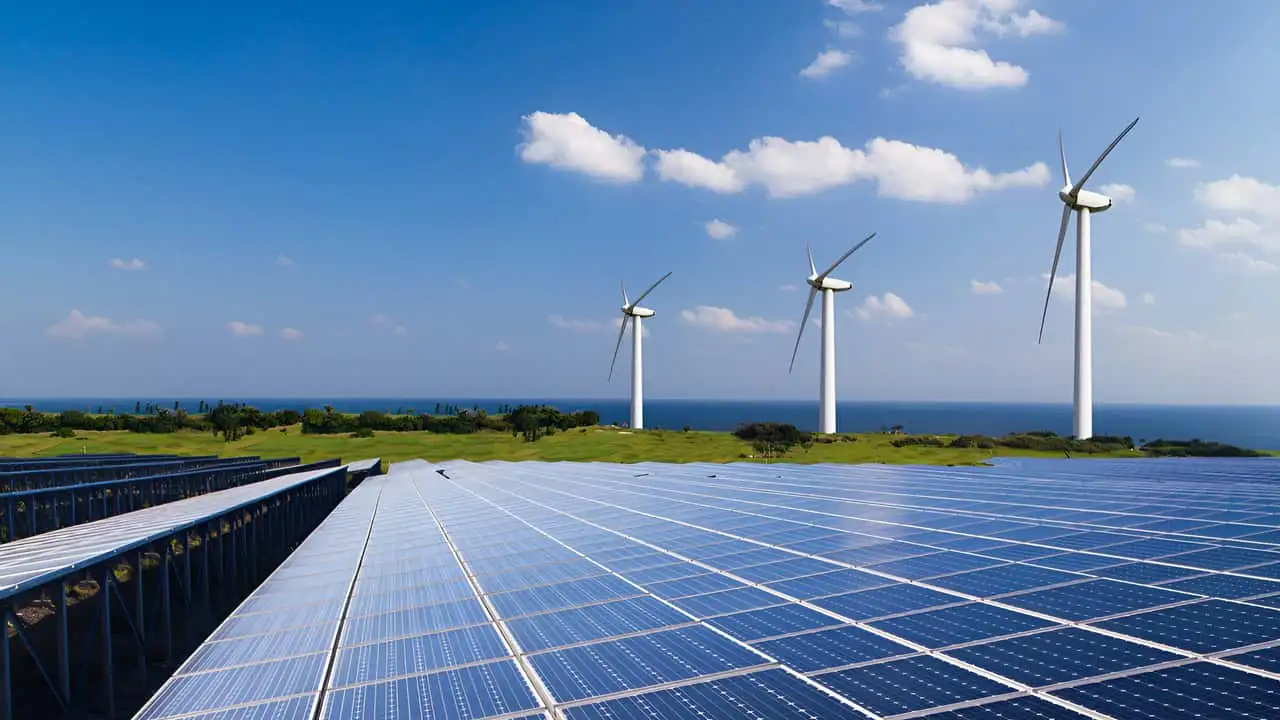
Global Investments In Energy Transition Hit Records And Reach US$ 2.4 Trillion, But Renewable Energy Growth Slows And Remains Concentrated In Advanced Economies And China, According To IRENA And CPI Report.
Despite the strong advance in the total invested in the energy transition, which reached a record of US$ 2.4 trillion, the growth of the renewable energy sector has been showing signs of slowing down. The data, released in a joint report by the International Renewable Energy Agency (IRENA) and the Climate Policy Initiative (CPI), reveals a complex scenario: while global investment rises, the pace of funding in renewable energy does not keep up with the necessary rhythm to meet ambitious goals set for 2030.
Thus, the sector reaches a decisive point. On one hand, there is more money circulating in the energy transition. On the other hand, the concentration of resources in a few economies limits the global expansion of renewables — especially in emerging countries.
Investments In Energy Transition Rise 20%, But Renewables Grow Only 7.3%
The study points out that total investments allocated to the energy transition increased by 20% compared to the annual average of 2022/2023. Of this amount, about one third — US$ 807 billion — was directed to renewable energies. However, the pace of growth is concerning. After recording a jump of 32% the previous year, the sector advanced only 7.3% in 2024.
-
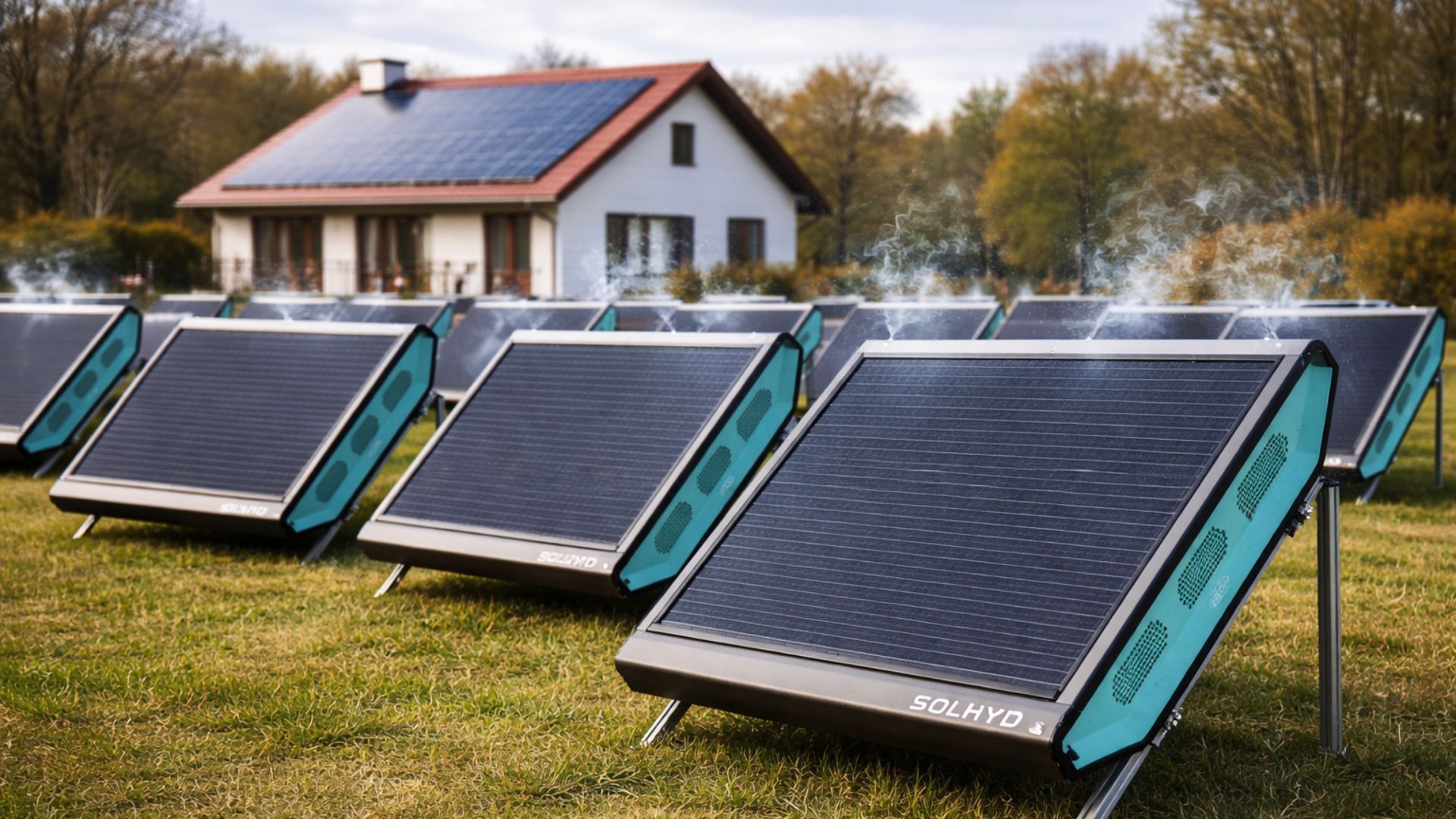
Green hydrogen at home: Belgium launches new technology that makes solar panels produce fuel from the moisture in the air, which could boost the energy transition.
-
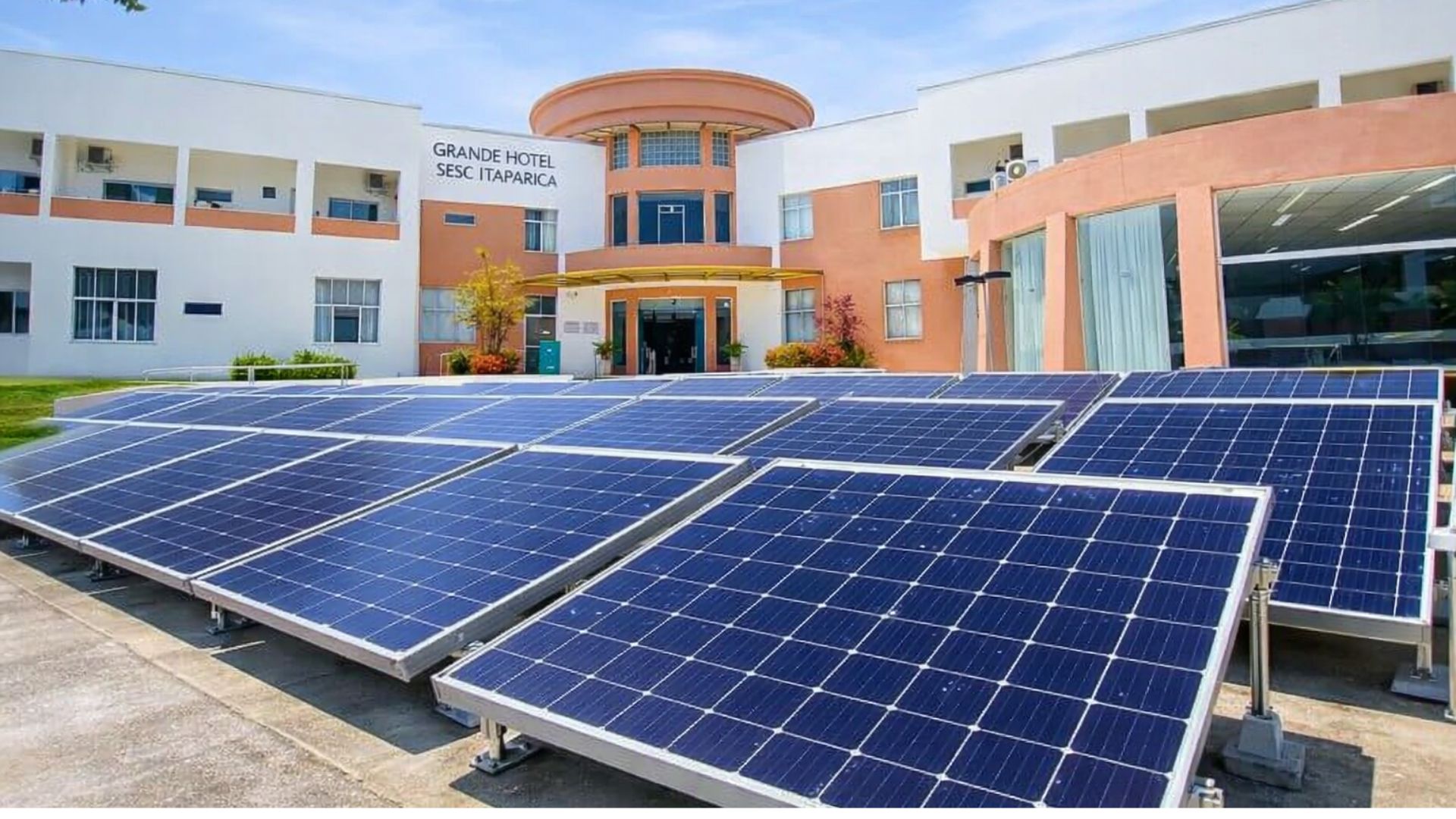
Sesc-BA bets on renewable energy with the support of EDP and drives the energy transition with a direct impact on cost reduction and the sustainability of its operations in Bahia.
-
Technology giant breaks global sustainability records: How Amazon’s leadership in renewable energy procurement transformed the global energy market in the past year.

-
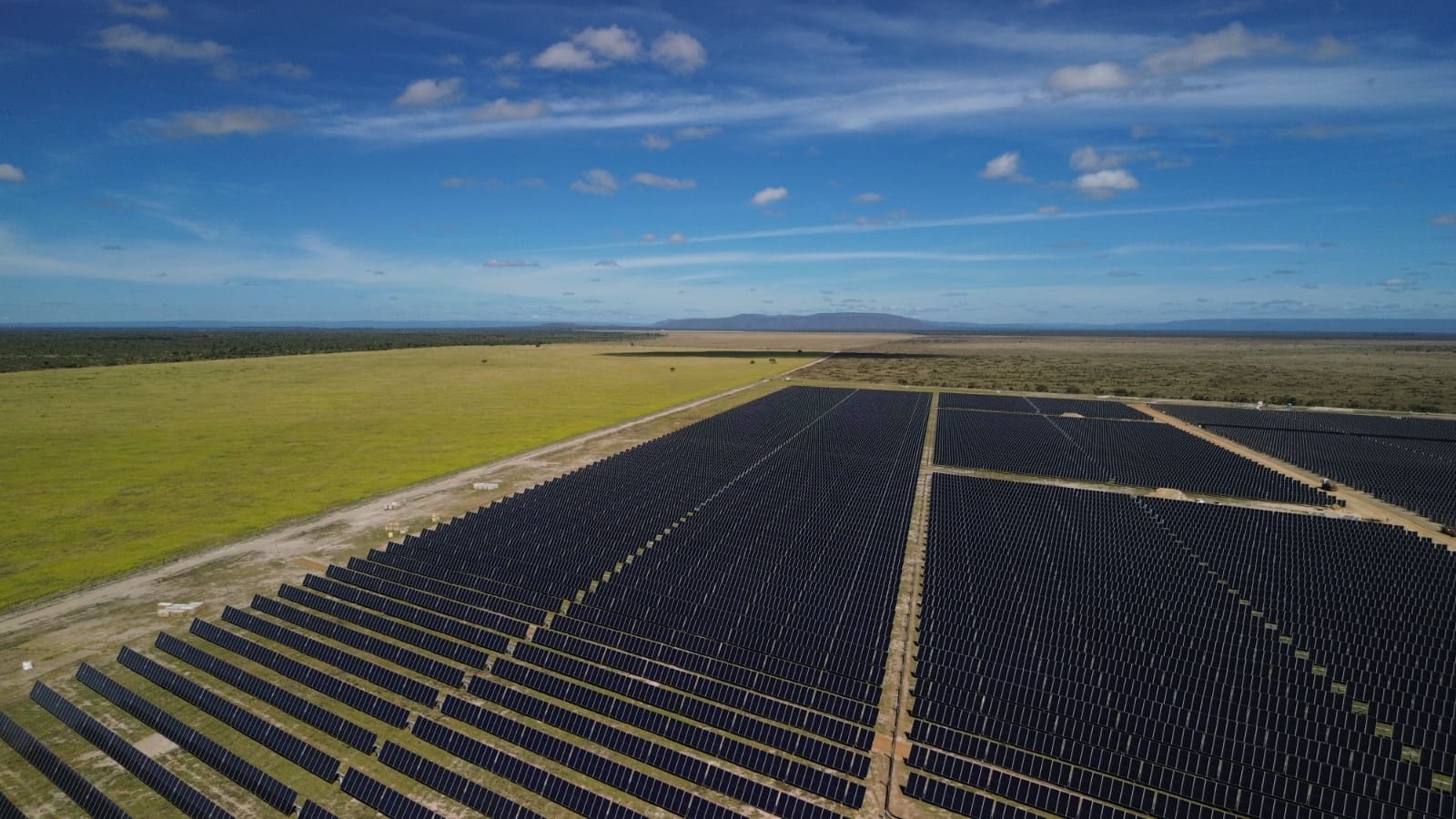
Alert in the electric sector: Atlas Renewable Energy confirms billion-dollar investment and Brazil risks losing a share of the new investment in Latin America to neighboring countries.

This slowdown contrasts with the global effort to triple renewable capacity by 2030, a pact that guides international discussions and has become a reference in recent climate conferences. According to Francesco La Camera, Director-General of IRENA, “investments in the energy transition continue to grow, but not at the pace necessary to achieve the global goal of tripling renewable capacity by 2030.”
Concentration Of Resources Puts Emerging Countries At A Disadvantage
As governments rally at COP30, the report highlights a critical point: 90% of investments in transition technologies are still concentrated in advanced economies and China. Additionally, 96% of funding in renewable energies remains focused on electric generation, particularly in the photovoltaic solar segment, which reached a record US$ 554 billion — a 49% increase.
This imbalance underscores the difficulties that low-income nations face in financing their own transitions, especially in the face of fragile financial markets, high capital costs, and fiscal limitations. According to IRENA, the lack of access to adequate financing deepens the inequality in the race for renewable energies.
Dependence On Private Capital Limits Advancement Of Renewable Energies In Vulnerable Countries
Globally, nearly half of investments in 2024 were structured as traditional debt, often with high market rates. The other portion came through equity participation. Subsidies accounted for less than 1% of the total. This structure puts emerging countries at a clear disadvantage, as they depend on financing instruments that often carry high interest or require difficult-to-provide guarantees.
For IRENA, the solution lies in a new model of public action. The report emphasizes that “where private financing does not flow, the public sector must lead, supported by stronger multilateral and bilateral cooperation and climate finance at scale.” The smart use of public funds and risk-mitigation mechanisms appears as an alternative to unlock renewable investment in vulnerable regions.
China Continues Dominant In Manufacturing Renewable Technologies, But New Hubs Are Beginning To Emerge
Another highlight is the strong geographical concentration in the supply chain. Between 2018 and 2024, China was responsible for 80% of global investment in manufacturing facilities for solar, wind, hydrogen, and battery technologies. Chinese dominance has brought industrial gains but raised alarms about global dependence.
The report, however, shows a positive movement: new industrial complexes are beginning to form outside advanced economies. Additionally, China itself has been expanding the export of equipment and socio-economic benefits to developing countries, partially contributing to the diversification of clean energy supply chains.
Decline In Investments In Solar Energy Factories Contrasts With Expansion Of Batteries
Even with the overall advance in investments, the study reveals a significant decline: investment in factories dedicated to producing equipment for solar, wind, batteries, and hydrogen fell by 21%, totaling US$ 102 billion in 2024. The contraction was particularly driven by the photovoltaic solar energy chain.
On the other hand, the battery segment grew rapidly. With increasing demand in electric grids, electric vehicles, and data centers, investment in factories dedicated to producing this type of storage nearly doubled, reaching US$ 74 billion. The result reinforces a global trend: as energy systems become more complex, the need to store electricity gains prominence.
The panorama outlined by the report highlights advances and challenges. There is a record investment, expansion in key sectors, and technology rapidly evolving. However, the slowdown in the growth of renewable energies and the strong concentration of capital raise alarms about the need for broader, more inclusive, and accessible policies.









Seja o primeiro a reagir!