





 English
  Francês
  Alemão
  Italiano
  Japonês
  Norueguês
  Portuguese
  Spanish
  3 min of reading
  0 comments


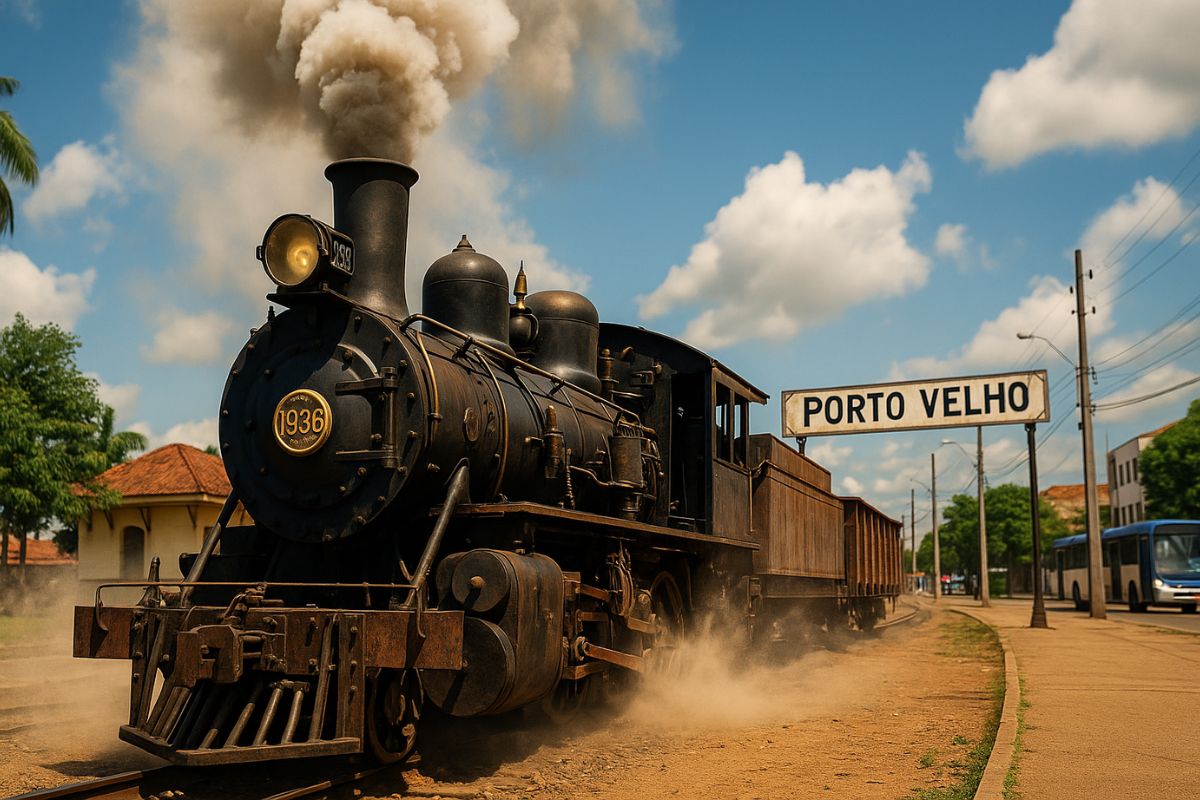
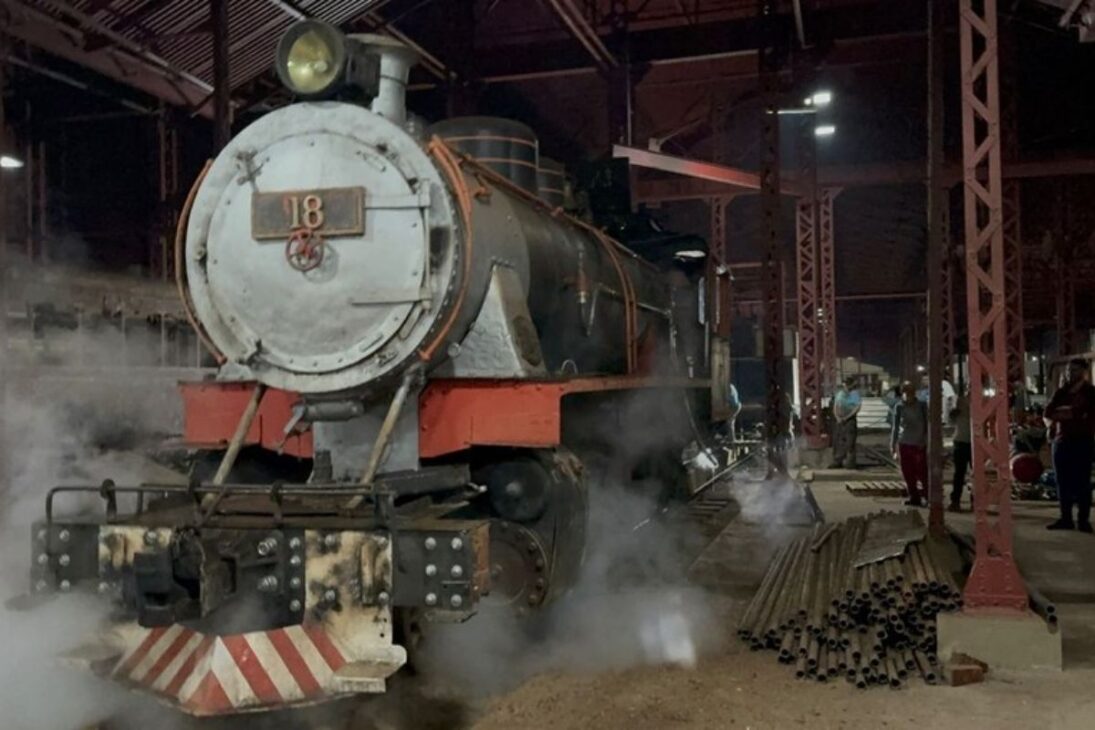
Historic Locomotive of the Madeira-Mamoré Railway Has Been Restored and Returns to the Tracks as a Cultural and Tourist Symbol of the Capital of Rondônia.
The Maria Fumaça of 1936 has returned to bring life to the tracks of the Madeira-Mamoré Railway in Porto Velho (RO), after two decades of abandonment. The locomotive, a rare piece of Brazilian railway historical heritage, was restored and gained prominence in the celebrations of the 111 years of the capital of Rondônia.
According to the portal Turismo.ig, the recovery project involved eight professionals, including three engineers from the Brazilian Association of Railway Preservation (ABPF), responsible for tourist trains in several regions of the country. The public was able to hear the traditional whistle of the locomotive once again, even though it was on a symbolic 50-meter route, operated only by one engineer and the fireman in charge of the boiler.
The Recovery of the Maria Fumaça
The restoration process of the Maria Fumaça of 1936 began in August of this year and required almost complete disassembly of the locomotive.
-
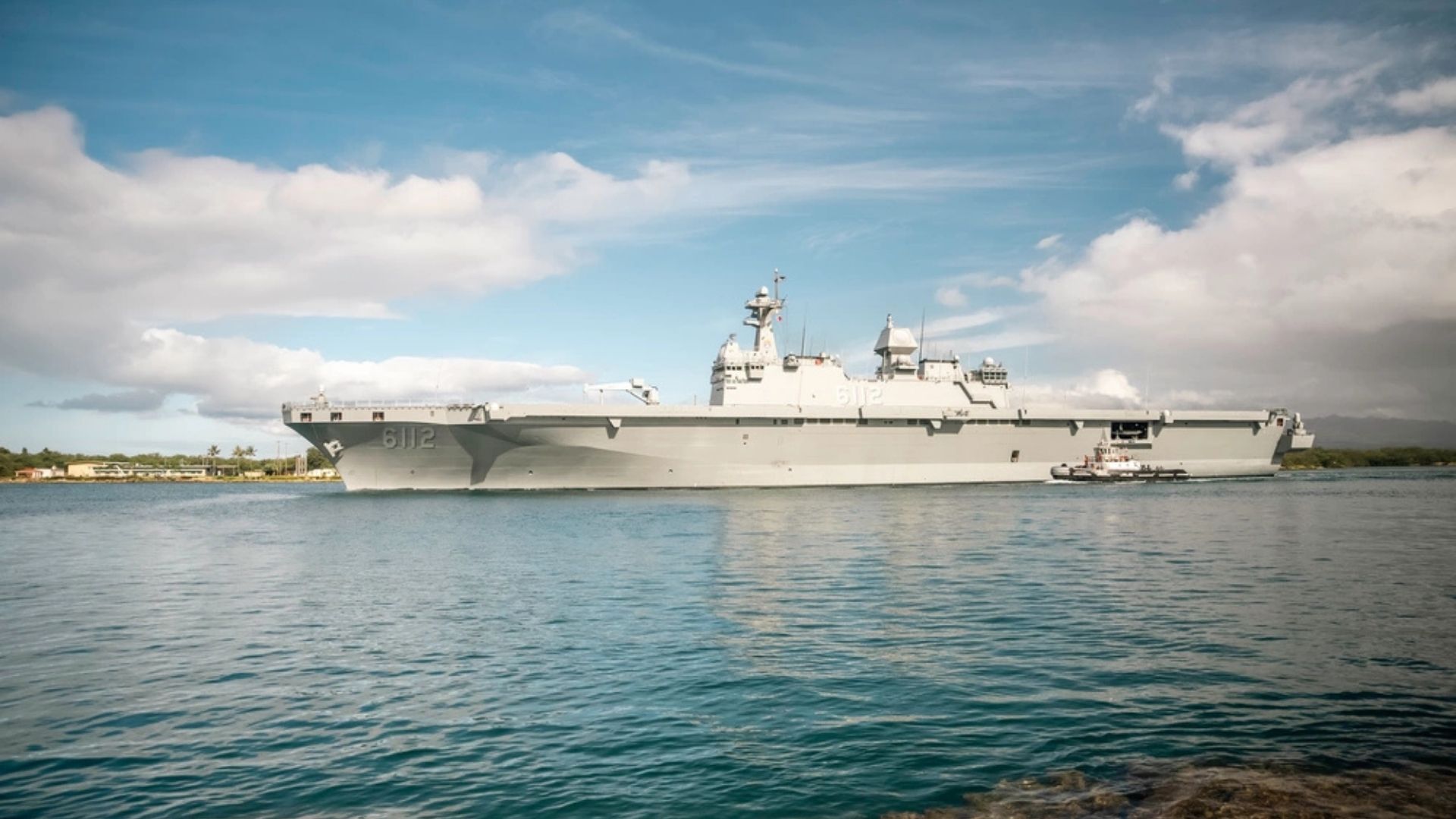
With 19,000 tons, 199 meters in length, and the capacity to carry 720 marines, the ROKS Marado has become a floating amphibious base that extends South Korea’s naval reach in one of the most tense regions on the planet.
-
The United States has unveiled the MQ-25 Stingray, the world’s first carrier-based tanker drone designed to operate on aircraft carriers and extend the range of naval fighters.

-
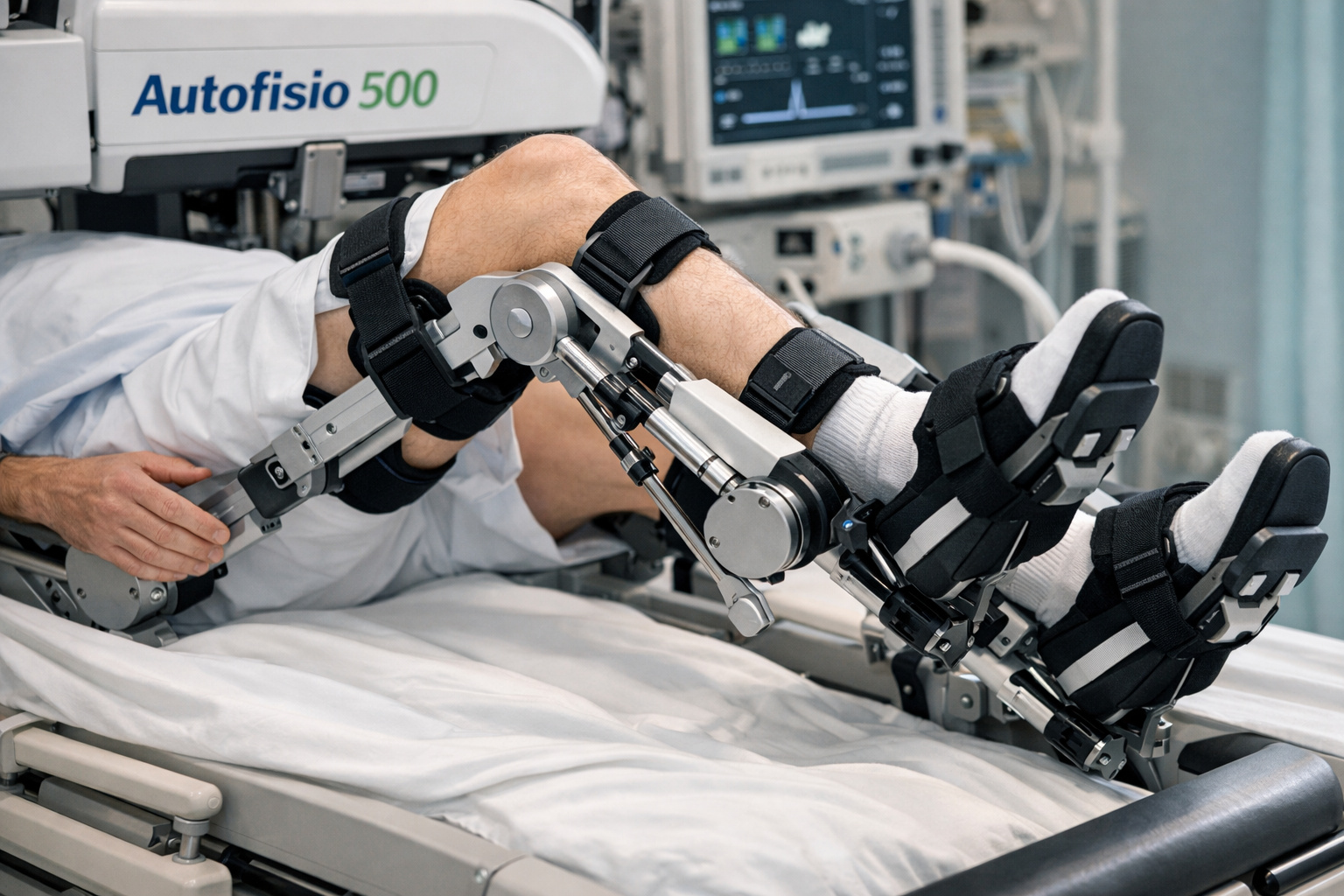
A cheap Brazilian invention promises to change the fate of patients in ICUs by accelerating muscle recovery even in critical condition.
-
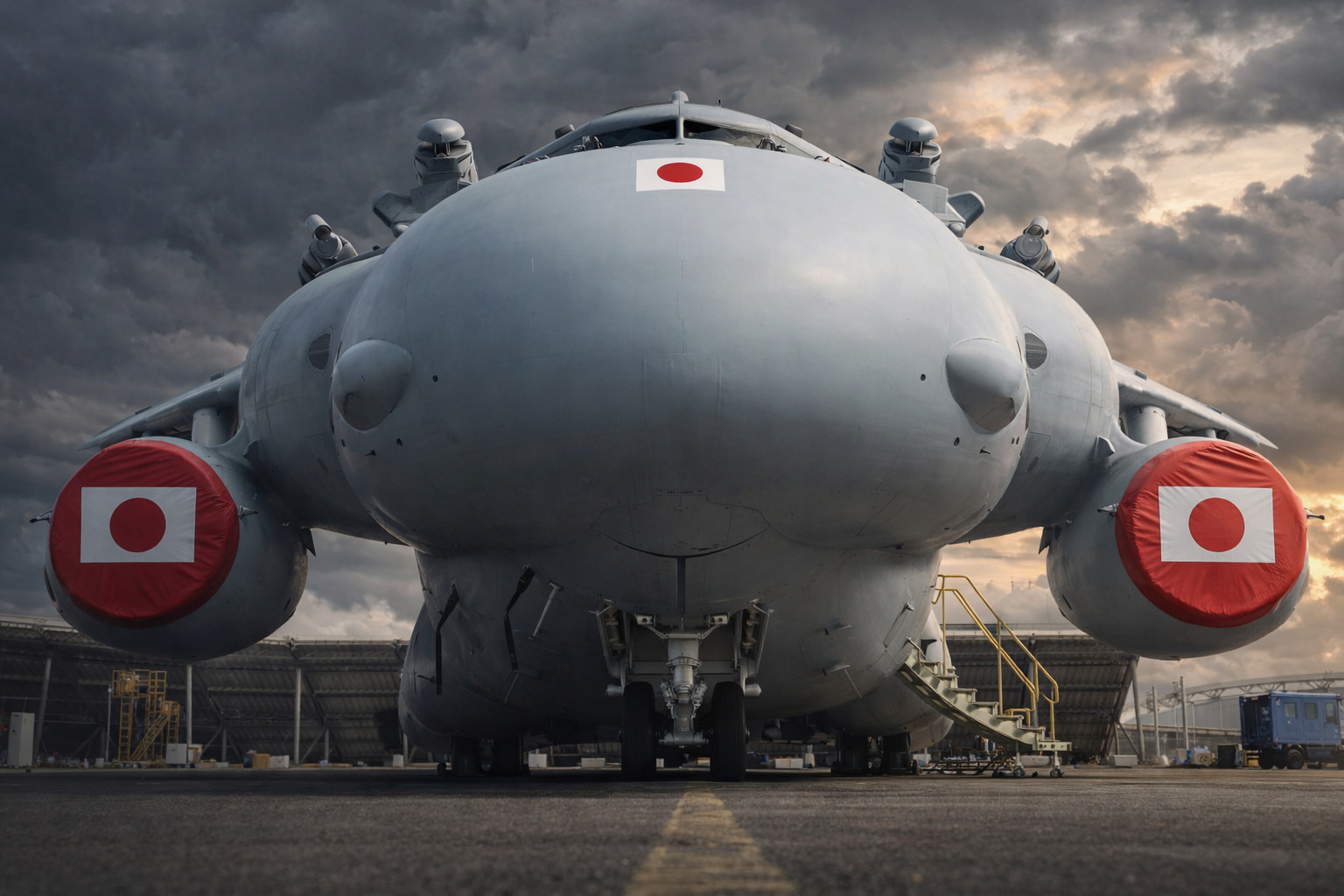
Kawasaki surprises by revealing a 140-ton aircraft capable of winning wars without a single shot and bets on ultra-secret technology to protect Japan by 2027.

The boiler, responsible for generating steam, as well as the wheels and the car that carries wood and water, were restored.
According to the ABPF, the team’s dedication was intense, with work carried out even on holidays to ensure that the locomotive would be operational by the city’s anniversary.
Although it cannot yet transport passengers, the return of the whistle already represents a cultural milestone for Porto Velho, recalling part of the memory of the railway.
Plans for the Future of the Railway
The City Hall of Porto Velho plans to reactivate the 8 km tourist ride between the capital and the district of Santo Antônio, where the Marechal Rondon Museum is located.
This route, which was suspended in 1999, depends on the recovery of sections of the railway damaged by floods in 2014.
Built between 1907 and 1912, the Madeira-Mamoré Railway is known as the “Death Railway” due to the extreme conditions faced by workers at the time.
Even so, it became a symbol of integration and development in the region, helping to transport rubber produced in Brazil and Bolivia.
Tourism and Historical Preservation
In addition to the Maria Fumaça, the railway complex in Porto Velho offers free rides on a diesel-powered railcar.
The trip covers 800 meters within the railway yard and accommodates up to 11 passengers at a time, operating on Fridays, Saturdays, and Sundays.
The space is also set to receive new tourist attractions, such as the installation of a restaurant in the roundhouse, strengthening the cultural vocation of the area.
The return of the Maria Fumaça of 1936 is more than just a restoration of historical heritage: it is also a strategic step to enhance tourism in Rondônia and reinforce the cultural identity of Porto Velho.
The return of the locomotive to the tracks rekindles memories of a time when the railway was essential for the Amazon region.
More than just a ride, it is about keeping alive the historical heritage of Porto Velho.
And you, do you believe that initiatives like this can boost tourism and strengthen cultural preservation in Brazil? Or do you think the investment should have another destination? Leave your opinion in the comments, we want to hear from those who experience this in practice.





-

-

4 pessoas reagiram a isso.