





 Portuguese
  English
  Spanish
  2 min of reading
  0 comments


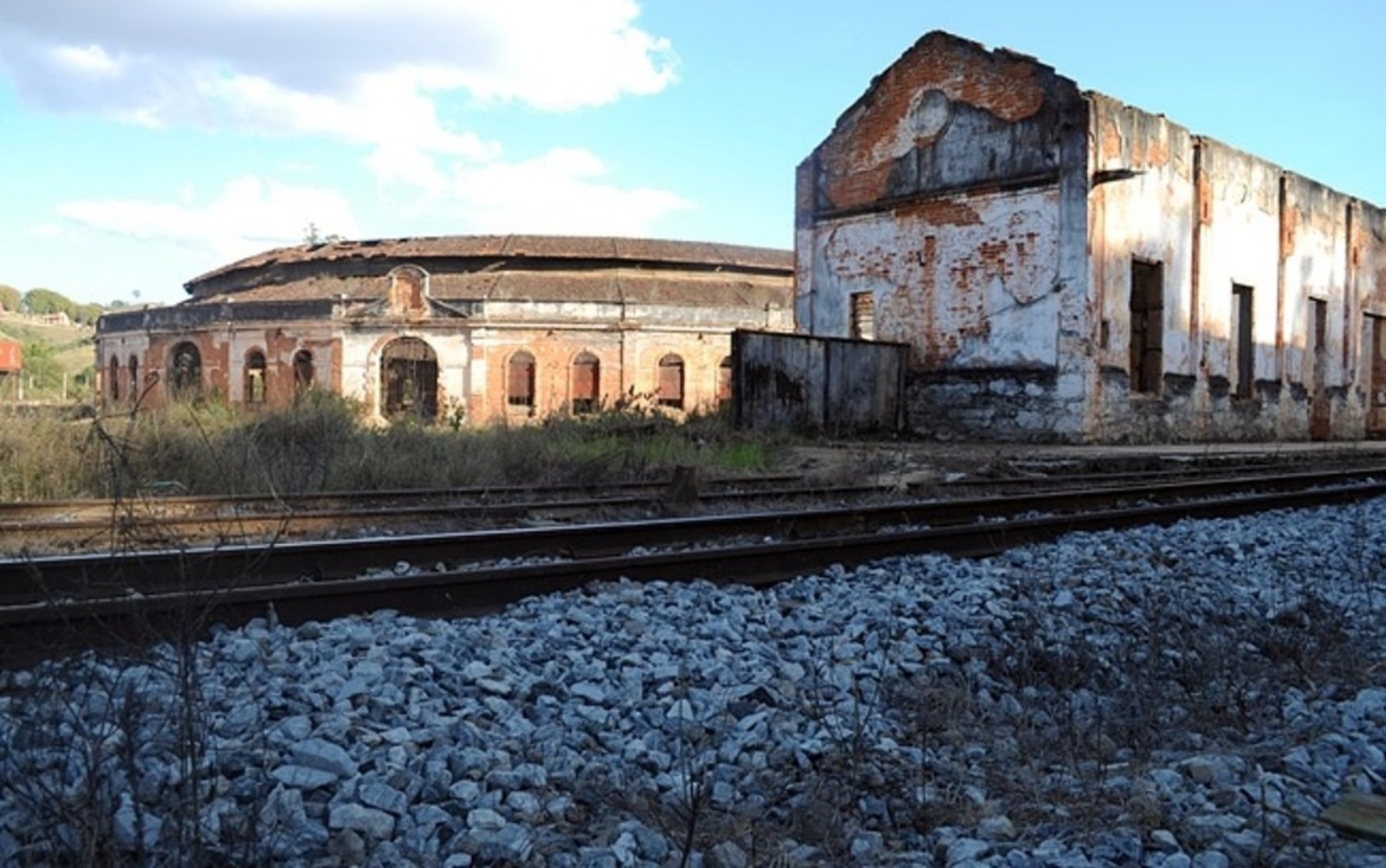
After Almost Four Decades of Abandonment, Ribeirão Vermelho Railway Rotunda Will Receive Historical Restoration with Investment of R$ 2.9 Million and Cultural Actions
Built between 1895 and 1897, the Ribeirão Vermelho railway rotunda (MG) will undergo recovery work after almost 40 years of abandonment. The site, listed in 2014 by the State Institute of Historical and Artistic Heritage of Minas Gerais (Iepha), will receive an investment of R$ 2.9 million for restoration. The project will be executed by the Association of Architects Without Borders (ASF Brasil).
According to the Public Ministry, the work will begin on September 15. The city hall, however, states that the start is scheduled for January.
The estimated completion time is 14 months. In addition to structural recovery, the work includes actions for heritage education and activities to engage the local community.
-
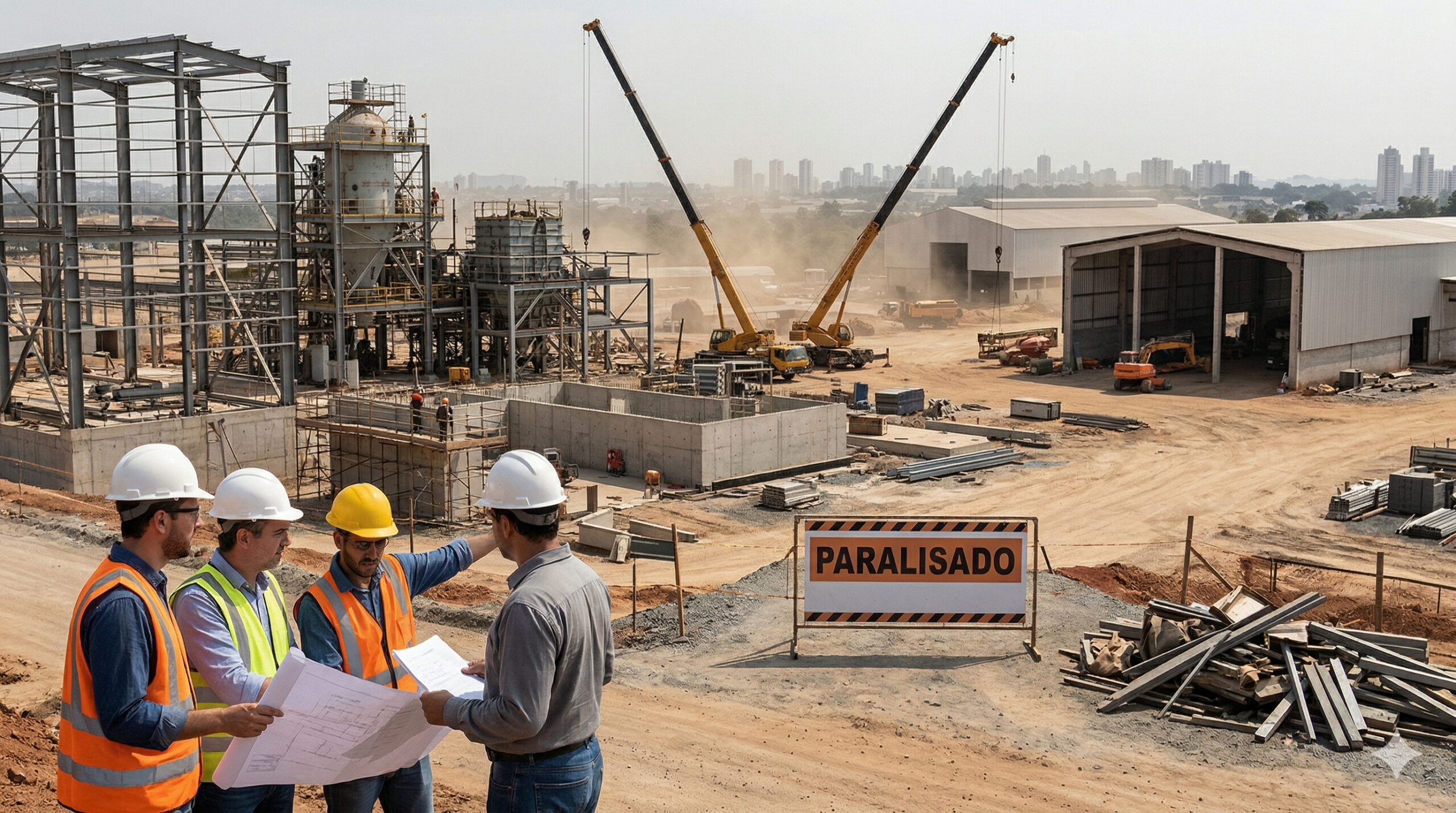
The lack of welders, electricians, and operators becomes a structural threat in 2025, with the construction industry and manufacturing already suffering from delays, cost pressures, and labor shortages in Brazil.
-
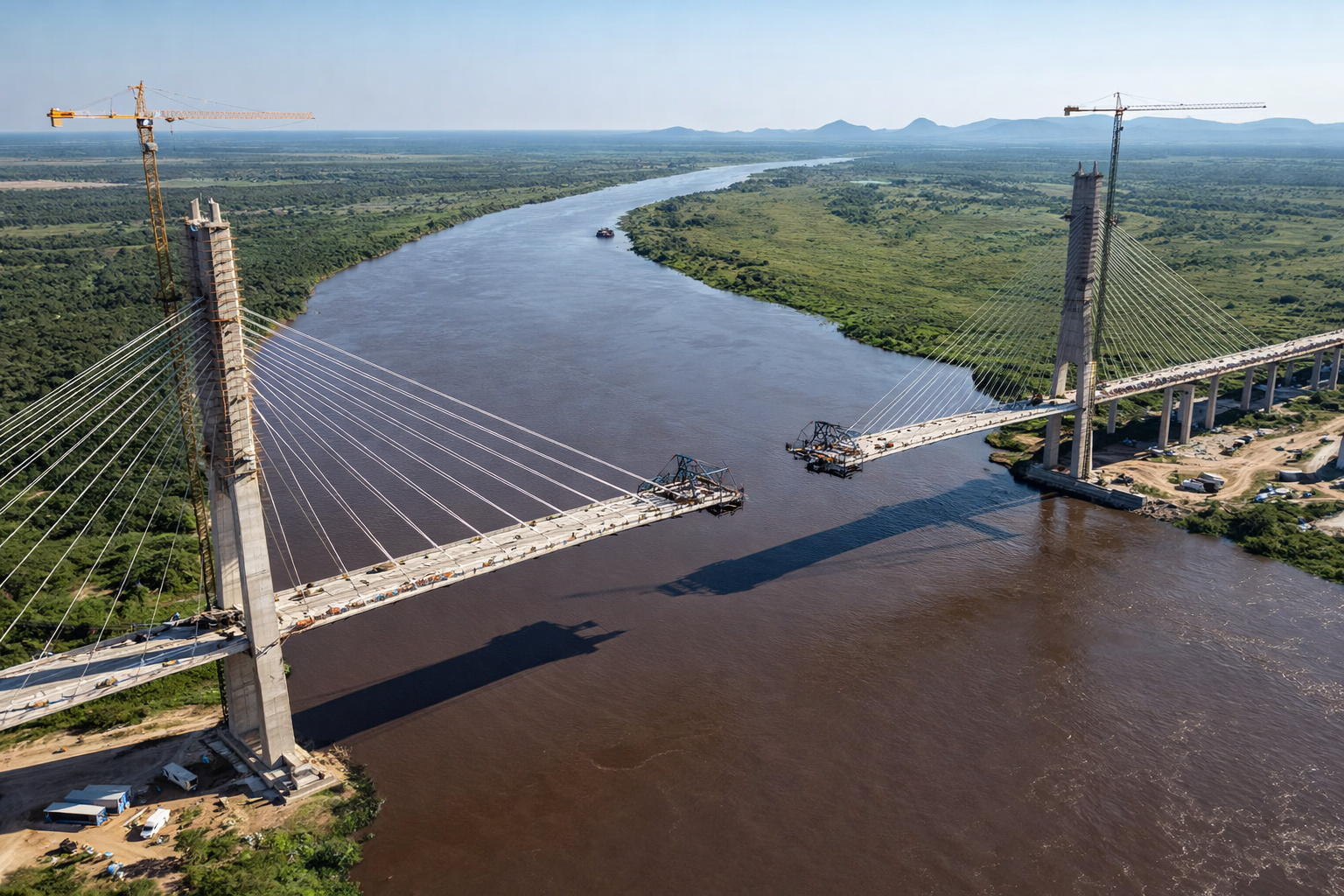
Brazil and Paraguay are just 46 meters away from a historic union on the bioceanic bridge that promises to revolutionize trade between the Atlantic and the Pacific.
-
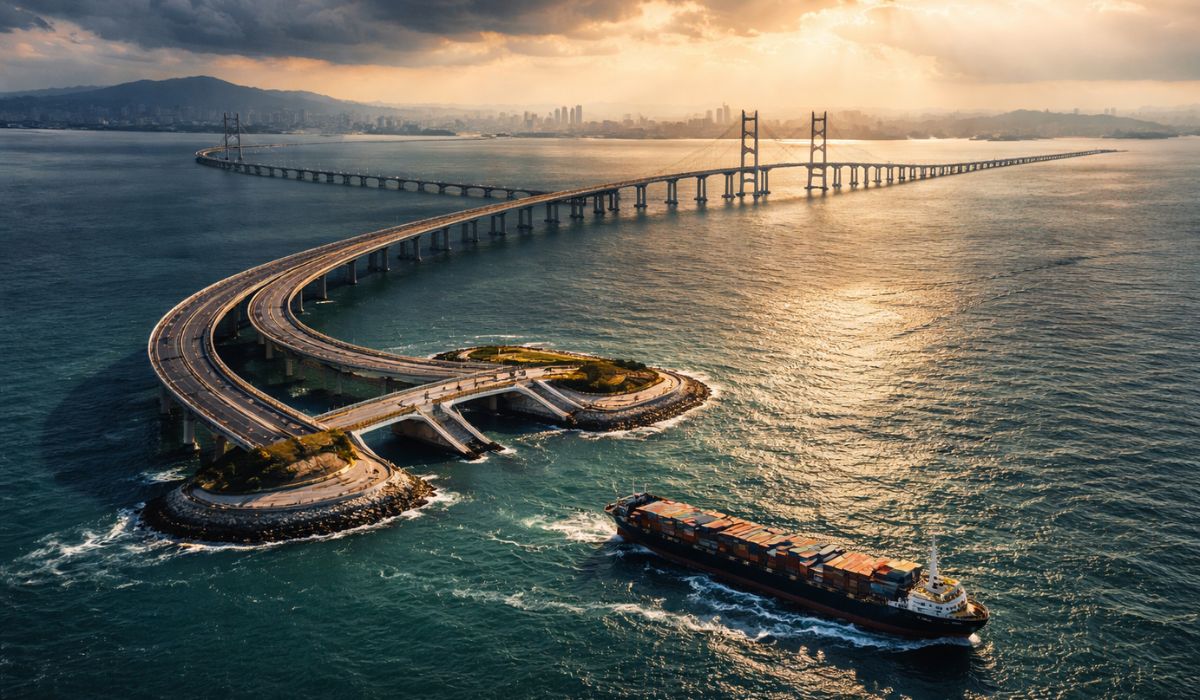
With 55 km over the sea, a cost of US$ 20 billion, and enough steel to build 60 Eiffel Towers, China’s largest project has connected Hong Kong, Zhuhai, and Macau in a colossal bridge that defies the logic of engineering.
-
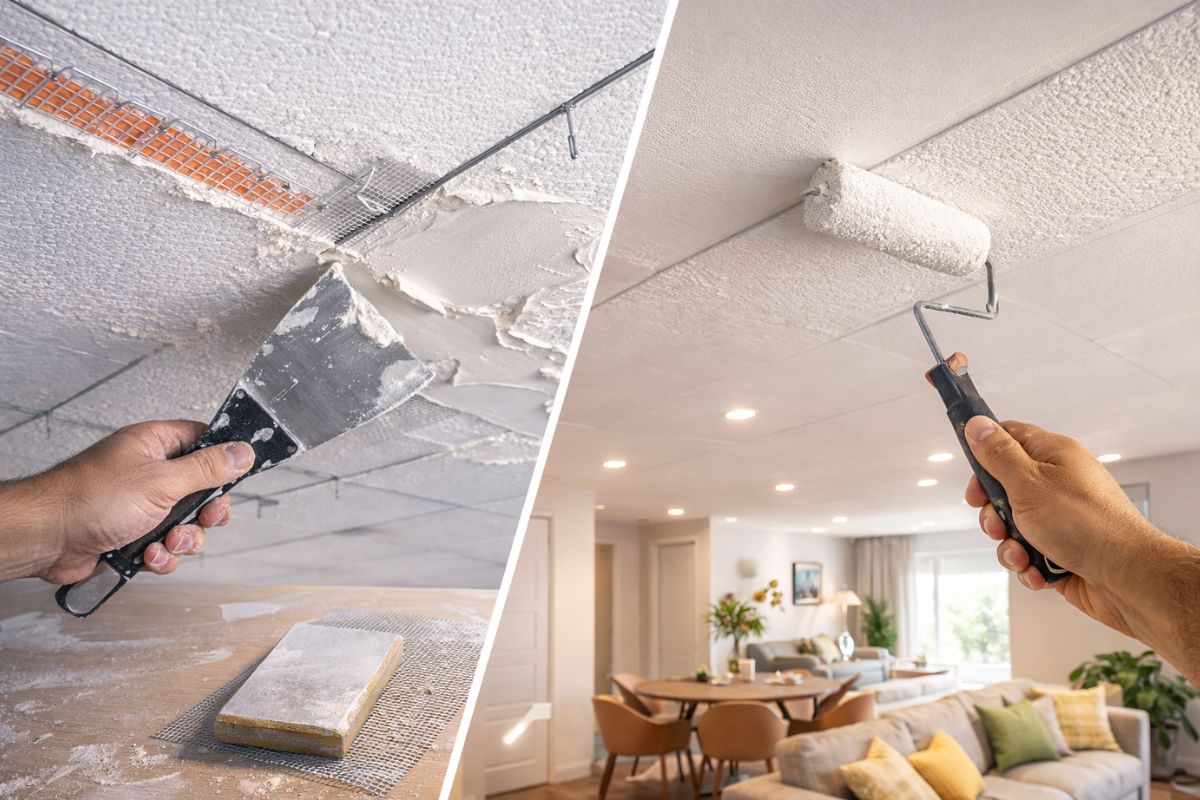
A trick with joint compound transforms a Styrofoam ceiling into a plaster-like ceiling: leveled panels, wires and mesh at the joints, sand, paint, and change the environment while spending little today.

Historical Heritage
The rotunda is a circular construction 75 meters in diameter, made with materials imported from Scotland and France.
For decades, it served for the maintenance of the Western Minas Railway, receiving steam locomotives for repairs.
Even after the deactivation of the mechanical park in 1965, the space continued in use as a storage area until 1985. Therefore, since then, the structure has suffered from weathering.
In addition, the architectural complex of the city includes the railway station, the river station, workshops, a coffee mill, and other buildings of the former Western Minas Agricultural and Industrial Company.
Origin of Funding
The funding allocated for the work is part of a Conduct Adjustment Term (TAC) signed between Gerdau and the Public Ministry of Minas Gerais (MPMG). This agreement provides for environmental compensations in various regions of the state.
The document was signed by the Prosecutor’s Offices of the involved jurisdictions. It also included participation from the Operational Support Center of the Prosecutor’s Offices for the Defense of the Environment (Caoma) and regional coordinations linked to Minas Gerais’ river basins.
The expectation is that the restoration will return to the municipality a historical heritage of great cultural value, reinforcing the railway memory of Minas Gerais.
With information from G1.








Seja o primeiro a reagir!