





 Português
  Inglês
  Espanhol
  12 min de leitura
  0 comentários


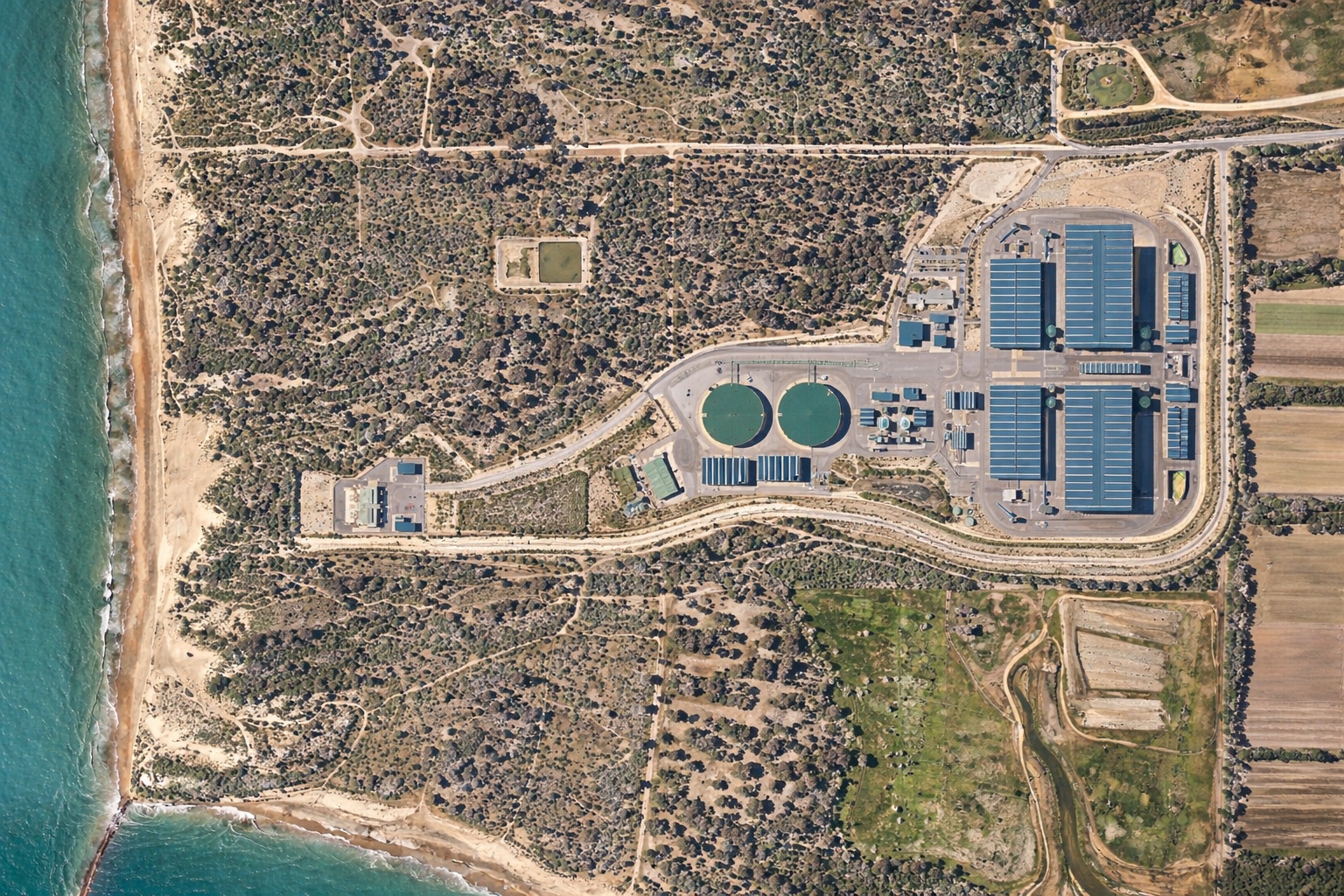
Australia Built Six Large Desalination Plants Between 2006 and 2012 After the Millennium Drought, Which Lasted 14 Years and Dropped Reservoirs Below 50%. Perth Inaugurated in 2006 the First Large Plant in the Southern Hemisphere, With 145 ML Per Day and Energy 100% Offset by Wind Farm. In 2021, Desalination Already Supplied 47% of the City’s Water.
The Millennium Drought Exposed the Water Vulnerability of Australia, the Driest Inhabited Continent on the Planet: Between 1996 and 2010, Australia Faced the So-Called Millennium Drought, a Prolonged Drought That Entered History as the Most Severe Climatic Event of the Modern Era of the Country. The Phenomenon Hit Especially Hard in the Southeast Australian Region, the Most Populous and Economically Strategic, Where Cities Like Sydney, Melbourne, Brisbane, and Adelaide Are Located. The Combination of Persistent Below-Average Rainfall, Extreme Heat, and High Evaporation Imposed Extreme Pressure on Agriculture, Rivers, Reservoirs, and Urban Water Supply.
Australia Already Faces a Difficult Geographical Condition. Among All Inhabited Continents, it is the Driest. Only Antarctica Receives Less Average Annual Precipitation. Nationally, Average Rainfall is Around 470 Millimeters Per Year, but This Distribution is Extremely Uneven. While Darwin, in the Northern Territory, Receives Approximately 1,700 Millimeters Annually, Adelaide Receives Less Than One-Third of This Volume. In Parts of the Interior, Precipitation Drops to Less Than 200 Millimeters Annually, Making Supply Highly Dependent on Catchment Systems, Reservoirs, and Long-Term Water Planning.
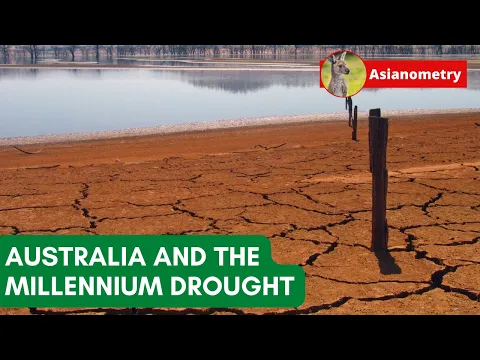

This Already Fragile Natural Landscape Became Further Aggravated by Climate Change. The Continent Has Warmed About 1 Degree Celsius Compared to a Century Ago, and This Increase in Temperature Has Raised Evaporation Rates, Reduced Rainfall Reliability, and Increased the Frequency of Extreme Events. In 2018, for Example, Almost All Australian States, Except Tasmania and Western Australia, Recorded Below-Average Precipitation.
-
Cement battery inspired by chemistry used since Ancient Rome resurfaces as a rechargeable thermal solution and enters the competition for the future of industrial heat.

-
Scientists have found in the dark depths of the North Sea giant marks from 18,000 years ago left by colossal icebergs, and the discovery could help predict the future of Antarctica.
-
In Mexico, a 3,000-year-old Maya site with the dimensions of an entire city may have been built as a colossal map of the cosmos, created to represent the order of the universe and reveal how this people organized space, time, and rituals.
-
Japan wants to build a solar ring of 10,900 kilometers on the Moon to continuously send energy to Earth.

In Queensland, Persistently High Temperatures Helped Drive Record Evaporation Rates. The Most Severe Period of the Millennium Drought Occurred Between 2001 and 2009, But Its Effects Extended Well Beyond Those Years, Reconfiguring National Water Policy.
The Millennium Drought Was Not Just a Prolonged Drought: It Forced Australia to Acknowledge That Its Old Model of Dependence on Reservoirs Was No Longer Sufficient.
Reservoirs in Sydney, Melbourne, and Brisbane Plummeted and Put the Large Cities at Risk
The Year 2006 Was Particularly Dramatic. In Many Parts of Australia, It Was the Driest Year Recorded Up to That Time, and Hot, Arid Conditions Persisted Until Early 2010. In the Major Cities of the Country, Water Storage Levels Fell to Critical Levels.
The Large Reservoirs in the Continental Capitals Began Operating Below 50% Capacity, a Scenario That Transformed Water Scarcity into a Concrete Threat to Urban Life.
In Sydney, the Situation Became Symbolic of the Crisis. The Warragamba Dam, the City’s Main Water Supply Source, Fell to 33% Capacity in 2007. In Melbourne, Levels Dropped to an Historic Low of 25.6%, While Brisbane Saw Its Reservoirs Recede to Less Than 20% Capacity, After Years Without Substantial Water Inflows.
The Public Perception That a Metropolis Could Effectively Run Out of Water Became Part of Daily Life.
Before the Drought, Australia Predominantly Relied on Reservoirs to Supply Cities, Serve Agriculture, and Sustain the Economy. The Crisis Radically Altered This Logic. As the Drought Prolonged, State Governments Began Diversifying Their Strategies, Combining Emergency Measures and Permanent Policies.
Programs for Gray Water Recycling, Subsidies for Rainwater Tank Installation, Stricter Restrictions on Industrial Consumption, Awareness Campaigns, and New Water Security Plans Emerged.
Still, It Became Clear That Simply Controlling Demand Would Not Be Enough. If Scarcity Prolonged, New Sources of Water Independent of Rain Were Necessary.
Desalination of Seawater Became a Strategic Response and Led the Government to Build Six Large Plants Between 2006 and 2012
As the Drought Worsened, Water Utilities Around Australia Began Treating Seawater Desalination Not as a Marginal Or Last Resort Technology, But as a Central Part of National Water Security.
Governments Responded with Unusual Quickness. Within a Few Years, the Country Built Six Large Desalination Plants Along the Coast to Supply the Major Australian Capitals.
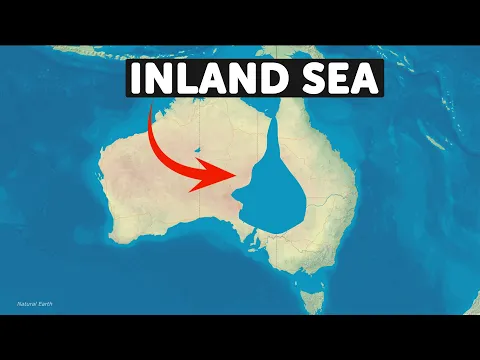
The First Large-Scale Modern Plant Was the Perth Seawater Desalination Plant, Completed in November 2006. After That, Five More Major Facilities Were Built by 2012. By 2015, This Network Was Already Capable of Supplying Up to 30% of Perth’s Potable Water Needs, About 10% of Brisbane, 15% of Melbourne, 10% of Sydney, and Approximately 40% of Adelaide, All from an Abundant Resource That Had Until Then Been Little Exploited in the Country’s Water Matrix: Seawater.
The Combination of Severe Drought, Climate Change, Population Growth, Technological Advances in Reverse Osmosis, and Gradually Reducing Costs Enabled an Impressive Leap.
In Just Ten Years, Between 2005 and 2015, the Production of Desalinated Water in Australia Grew from Less Than 100 ML Per Day to Over 1,800 ML Per Day. For a Country That Had Until Then Treated Desalination as a Peripheral Solution, the Speed of This Transformation Was Extraordinary.
In Just Six Years, Australia Built a Desalination Infrastructure Capable of Changing the Logic of Urban Supply on a National Scale.
Perth Inaugurated in 2006 the First Large Desalination Plant in the Southern Hemisphere
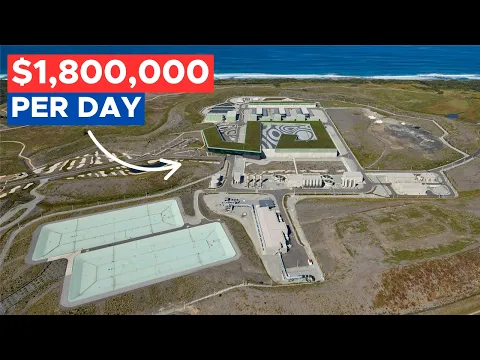
The Plant in Perth, Located in Kwinana, in Cockburn Sound, Western Australia, Became a Global Landmark. When It Was Built Between 2005 and 2006, at a Cost of About 387 Million Australian Dollars, It Was the Largest Desalination Plant in the Southern Hemisphere and the First Large-Scale Facility of Its Kind in the Country.
It Was Installed by a Joint Venture Between Multiplex and Degremont, in Alliance with the Water Corporation, and Designed to Operate for at Least 25 Years. Its Capacity of 145 Megaliters Per Day Made It the Largest Individual Source of Water for the Perth Metropolitan Area, Accounting for About 17% of Public Supply Needs Soon After It Began Operations.
The Project Also Gained International Attention for Its Energy Model. The Electricity Consumed by the Plant Became Offset by Renewable Generation, Allowing Its Operation to Be Associated with a Cleaner Matrix. The Plant Also Incorporated Iso-Pressure Energy Recovery Devices, Reducing Specific Consumption Per Cubic Meter Produced and Becoming a Global Reference in Efficiency.
Emu Downs Wind Farm Offset 100% of the Energy of the Perth Plant and Became a Global Showcase
The Kwinana Plant Purchases Electricity from a Network Largely Supplied by the Emu Downs Wind Farm, a Wind Farm Located About 200 Kilometers North of Perth, Near Cervantes. The Farm Has 48 Vestas Wind Turbines of 1.65 MW, Totaling Approximately 80 MW of Installed Capacity, and Injects Over 272 GWh Per Year Into the Grid.
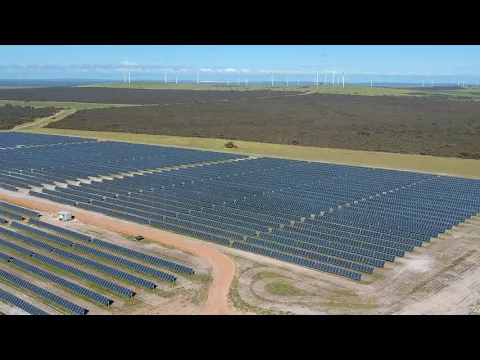
The Water Corporation Buys About 185 GWh Annually from This Production, Enough to Offset All the Energy Used by the Desalination Plant.
This Made Perth an Emblematic Case of Integration Between Desalination and Renewable Energy. Instead of Treating Desalinated Water as Simple “Bottled Electricity”, Western Australia Tried to Reposition the Model as a More Sustainable Water Source.
In Addition to Clean Energy, the Project Was Also Associated with an Estimated Reduction of 220,000 Tons of CO₂, Equivalent to Removing About 50,000 Cars from the Roads of Western Australia. The Technical and Symbolic Success of the Plant Led Perth to Advance Towards a Second Large Installation.
Southern Seawater Desalination Plant Increased Perth’s Dependence on Seawater
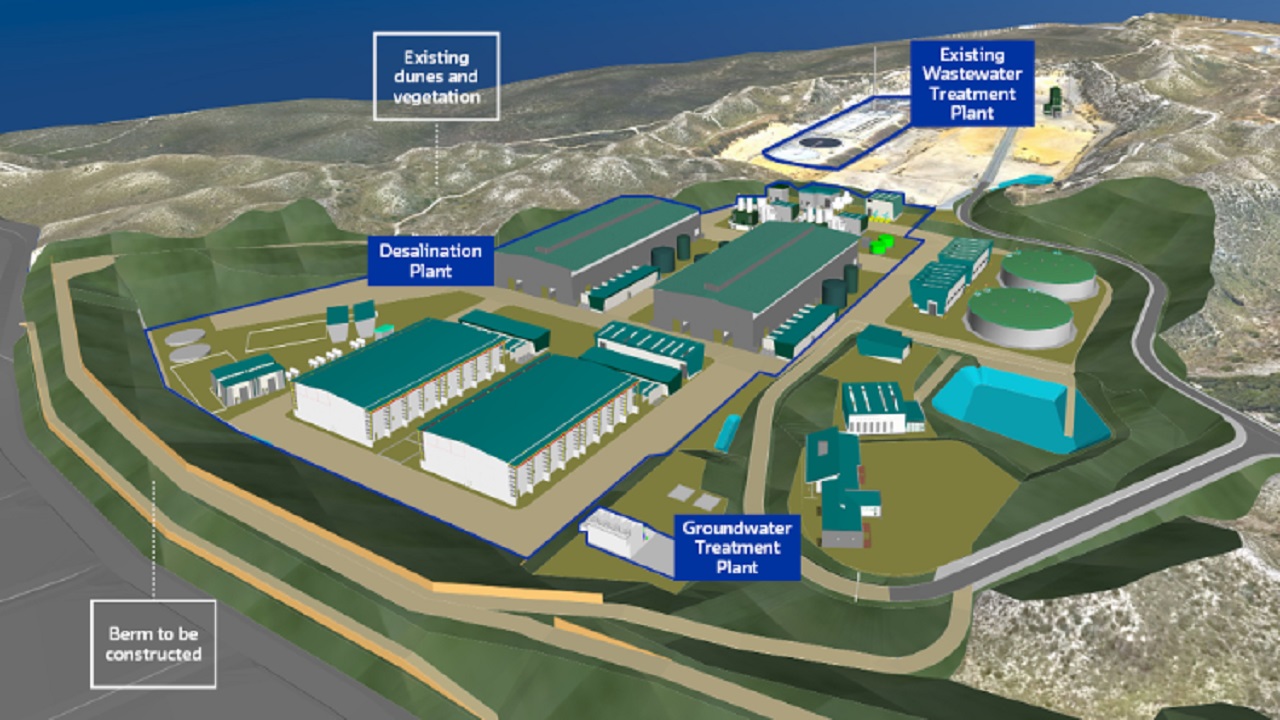
The Second Large Plant in Perth, the Southern Seawater Desalination Plant, Was Built in Binningup and Completed in 2012 by a Consortium That Included Técnicas Reunidas, Valoriza Agua, AJ Lucas, and Worley Parsons. With a Capacity of 150 ML Per Day, It Practically Doubled the City’s Supply of Desalinated Water.
In 2020-2021, Water Produced by the Two Desalination Plants Accounted for 47% of Perth’s Supply, Transforming Desalination into a Base Load Source, Not Just an Emergency Reserve.
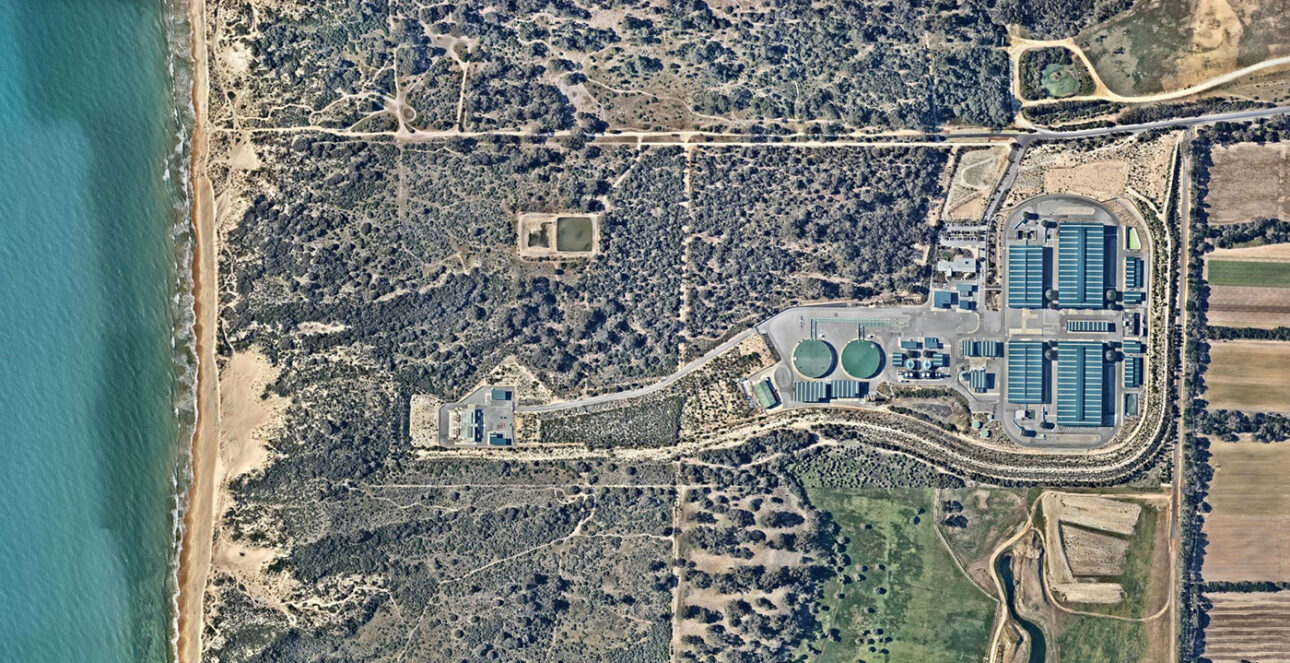
This Occurred in a Context Where the City’s Reservoirs Recorded Some of the Lowest Water Inflows in Their Recent History. In 2010, Perth Experienced Its Third Driest Year on Record, Accompanied by the Hottest Spring in Local Historical Series.
The Perth Experience Also Attracted International Attention for Another Reason: Until Then, Studies and Environmental Monitoring Had Not Identified Significant Adverse Impact from the Discharge of Brine in the Local Marine Environment. The Plant Received Several National and International Awards, Including International Desalination Plant of the Year, Awarded by the International Desalination Association in 2007.
Sydney Built a $1.7 Billion Plant, Shut It Down in 2012, and Turned It Back On Years Later
Sydney Followed a Different Trajectory. The Capital of New South Wales Began Discussing Desalination in the Mid-2000s, but the Project Faced Public Resistance and Technical Doubts. Initially, the Idea Was to Only Activate the Plant if the Region’s Reservoirs Dropped Below 30%.
When Levels Approached This Mark Dangerously in 2007, at the Height of the Drought, Construction Advanced. Even with the Temporary Recovery of the Reservoirs, the Project Was Maintained. The Kurnell Desalination Plant, Valued at $1.7 Billion, Was Completed and Inaugurated in January 2010.
However, After the Drought Ended Soon After and the Reservoirs Refilled, the Plant Was Shut Down in 2012 After a Short Operating Period. Public Criticism Increased, As the Investment Seemed Excessive Given the Return of the Rain.
Still, the Infrastructure Remained Ready, and Years Later It Would Be Considered Essential Again. In January 2019, the Plant Was Restarted for the First Time Since 2012 and Reintegrated into the City’s Supply Strategy.
The Sydney Case Showed That Desalination in Australia Would Not Be a Linear Solution. In Some Cases, Plants Would Operate Continuously; in Others, They Would Be Treated as Expensive Water Insurance, but Strategically Necessary.
Wonthaggi Became the Largest Desalination Plant in Australia and Symbol of the Cost of Water Security
Melbourne Built the Largest Desalination Plant in the Country. The Wonthaggi Desalination Plant, Launched in 2009 and Operating Commercially Since 2012, Cost About $3.5 Billion and Has a Capacity of 450 ML Per Day. It Was Built by the Aquasure Consortium and Became the Most Emblematic Investment of the Australian Response to the Drought.
At the Same Time, the Plant Became a Symbol of Controversy Surrounding Desalination. Although Gigantic, It Has Never Been Fully Used for Long Periods, Which Fuelled Criticism About Capital Costs, Rates, and Effective Returns.
The Water Crisis, However, Had Been Real and Extreme. The Victoria Government Also Invested in Pipelines, Water Treatment, Gray Water Reuse Programs, and Consumption Reduction Campaigns.
In Melbourne, the Response Was Not Restricted to Supply. The City Promoted an Impressive Transformation on the Demand Side.
Melbourne Cut Water Consumption by Half and Became a World Reference in Conservation
During the Millennium Drought, Melbourne Dramatically Reduced Its Per Capita Water Consumption. In 2010, Businesses and Residents Consumed About 155 Liters per Person per Day, Approximately Half of the Volume Recorded in 1997, Before the Drought Worsened. This Drop Represented, on Average, 107 GL of Drinking Water Saved Annually, a Volume Close to 70% of the Maximum Annual Production of the Wonthaggi Plant.
The Reduction Was the Result of a Combination of Use Restrictions, Water Efficiency Programs, Subsidies for Water-Saving Devices, Industry Financing, and Broad Educational Campaigns. One of the Most Effective Strategies Was Also One of the Simplest: Electronic Panels Displaying Real-Time Reservoir Levels.
By Visually Showing the Risk of Running Out of Water, the Policy Managed to Mobilize the Population Around a Concrete Threat.
Academic Studies, Including Analyses from the University of California, Began to Cite Melbourne as One of the Most Successful Cases of Urban Response to Water Scarcity. The City Proved That It Is Possible to Cut Demand Without Social Collapse, As Long As There Is Clear Communication, Political Pressure, and a Collective Sense of Urgency.
Melbourne Did Not Respond to the Drought Only with Concrete and Pipes: It Also Responded by Changing the Behavior of Millions of People.
Gold Coast, Brisbane, and Adelaide Completed the Australian Network of Six Large Plants by 2012
The Australian Response to the Millennium Drought Consolidated Between 2006 and 2012 with the Commissioning of Additional Plants in Queensland and South Australia. The Gold Coast Desalination Plant, in Bilinga, Began Operations in 2009. In Queensland, the Federal Government Also Promised Resources for a $1.1 Billion Plant, With a Capacity of 50 Gigaliters, as Part of a Broader Strategy for the Southeast of the State.
In South Australia, the Government Announced in 2007 the Construction of the Adelaide Desalination Plant, in Port Stanvac. Before the Large Plant, a Pilot Plant of 100,000 Liters Per Day Was Completed in 2008 to Test Technologies and Local Operations. By the End of 2012, Australia Had Built Six Large Seawater Desalination Plants in Just Six Years, Reaching All State Capitals on the Continent.
This Speed Was Remarkable. The Country, Which Had Treated Desalination as a Last Resort Two Decades Earlier, Began Incorporating It as a Central Component of Its Water Security.
The End of the Drought Came with Extreme Rains and Floods, but Did Not Nullify the Investments
The End of the Millennium Drought Was As Dramatic As the Dry Spell Itself. In 2010, Australia Entered a Phase of Strong Influence from La Niña, and Record Rains Began to Hit Various Regions. The Murray-Darling Basin Registered Its Highest Annual Precipitation on Record. Sydney Had a Very Wet Year in 2010 and, in 2011, Experienced Its Rainiest Year in Over 150 Years.
In Queensland and Victoria, the Rains Turned into Devastating Floods. In December 2010 and January 2011, Violent Flooding Affected Different Areas of the Country. The Change in Scenario Led Some Public Opinion to Question Whether Investments in Desalination Had Been Excessive.
But the Strategic Reading of Governments Was Different. Instead of Treating the Plants as Mistakes, Many Policymakers Began to See Them as Resilience Infrastructure in the Face of a More Unstable Climate, Where Long Droughts and Severe Floods Can Alternate in Shorter and Shorter Intervals.
The Water Infrastructure Created After the Drought Continues Shaping Water Policy in Australia
The Millennium Drought Left a Deep Institutional Legacy. Many Australian States Developed Formal Water Security Plans for the First Time, Incorporating Climate Scenarios, Source Diversification, and Intergovernmental Coordination.
In South Australia, for Example, This Process Resulted in the Water for Good Plan. At a Basin Scale, the Period Helped Strengthen the Governance of the Murray-Darling System and Consolidate the Murray-Darling Basin Authority.
Federal and State Governments Realized That Water Decisions Could No Longer Be Made Solely Based on Historical Rainfall Series. Climate Uncertainty Began to Demand New Combinations of Reservoirs, Groundwater, Recycled Water, Demand Management, and Desalination.
This Paradigm Shift Is Ongoing. Today, the Country is Planning New Investments Again.
Australia Plans 11 New Desalination Plants and More Than $15 Billion in Investments in the Next Decade
Australia Is Moving Towards a New Expansion of Desalination. Projections Indicate That the Country May Build or Expand 11 Desalination Plants in the Next Ten Years, with Estimated Investments of Over $23 Billion Australian, Equivalent to About $15 Billion.
The Reason is Clear. As Droughts Become Longer, Rains More Irregular, and Urban Population Continues to Grow, Exclusive Dependence on Reservoirs Becomes Increasingly Unsafe. In Perth, for Example, the Current Infrastructure of Reservoirs, Groundwater, and Desalination is Expected to Supply Less Than 200 Gigaliters Per Year by 2050, While the Population Could Reach 3.5 Million People. The Projected Deficit Is Equivalent to About Five New Plants the Size of Kwinana.
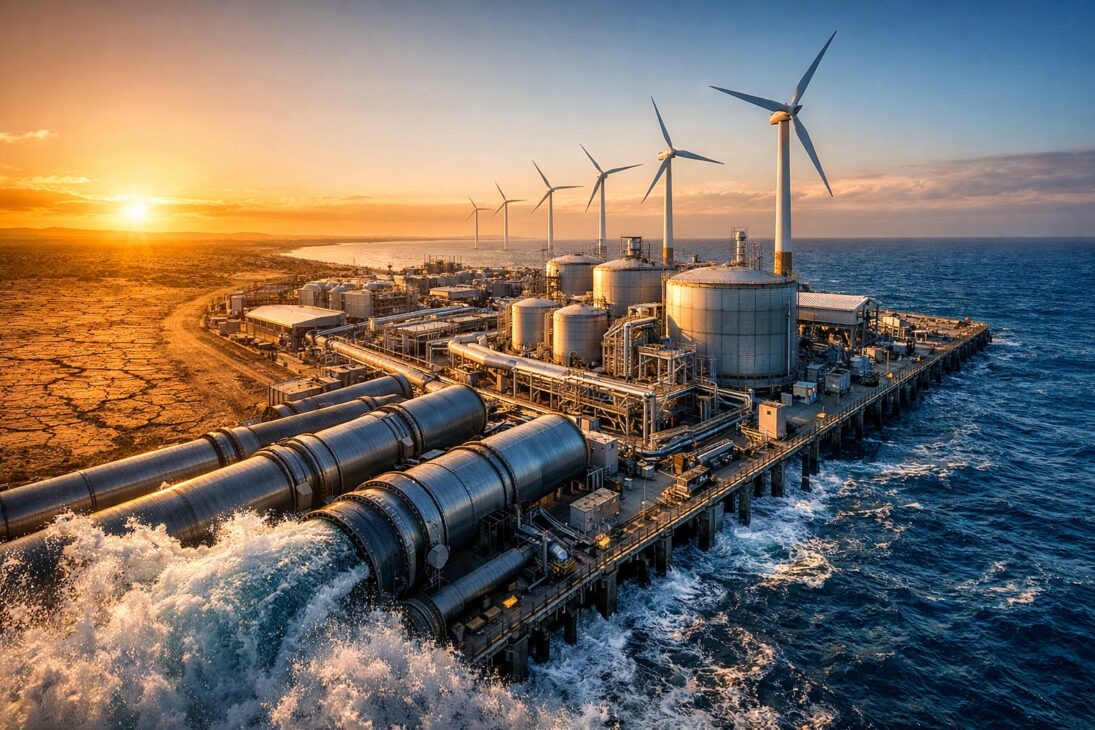
The Pressure is Not Only in Perth. The Australian Population Lives Predominantly in Coastal Cities, and Urban Areas Are Expected to Receive About 20 Million Additional People in the Next 30 Years. Urban Water Consumption Could Grow by 73%, Exceeding 2,650 Gigaliters Per Year. To Meet This Demand, the Country is Looking Beyond Historical Solutions and Deepening Its Bet on Technology.
Desalination Remains Controversial Due to the Cost, Energy, and Brine
Despite Technical Advances, Desalination Remains a Controversial Solution. It Offers a Highly Reliable and Practically Rain-Independent Source, but Comes at a High Price. Plants are Expensive to Build, Energy Intensive to Operate, and Produce Concentrated Brine, Which Must Be Disposed of Safely in the Marine Environment.
In Sydney, for Example, the Plant Can Cost Around 500,000 Australian Dollars Per Day to Operate, Even When the Economic Logic of Its Activation is Debated. That’s Why Desalinated Water Has Been Referred to by Some Critics as “Bottled Electricity.” However, the Counterpoint is Also Strong: In Severe Drought Contexts, Not Having Water Costs Much More.
The Central Question is No Longer Whether Desalination Should Exist. Today, the Debate is About What Level of Water Security Australian Society is Willing to Pay For. The More Resilient the System, the Higher the Cost of Infrastructure Tends to Be. Conversely, the Lower the Investment, the Higher the Risk of Collapse During Prolonged Droughts.
In Australia, Desalination has Ceased to Be an Exception and Has Come to Be Treated as National Water Insurance.
The Australian Experience Has Become a Global Reference in Water Security, but the Big Question Remains Open
Australia is Now Often Cited as a Reference in Modern Water Management for Combining Investment in Infrastructure, Technological Innovation, Conservation, and Public Communication. The Response to the Millennium Drought Was Broad and Changed the Water Culture in the Country. Nonetheless, the System Continues to Be Under Pressure, and the Central Question Remains Unanswered.
How Much is Worth Investing in Large, Expensive Projects to Protect Against Future Droughts? What is the Ideal Balance Between Desalination, Recycling, Efficiency, and Demand Restriction? And, Above All, Has Australia Done Enough to Ensure Water for a Growing Population on an Increasingly Hotter and Drier Continent?
The Millennium Drought Showed That the Old Logic of Abundance No Longer Serves. The Six Large Plants Built Between 2006 and 2012 Were Not a Technical Detail: They Were the Materialization of a Historic Change. Australia, the Driest Inhabited Continent on Earth, Decided That the Sea Would Also Be Part of Its Supply Matrix.
And Everything Indicates That This Decision is Just Beginning to Shape the Country’s Water Future.







Seja o primeiro a reagir!