






 Portuguese
  Spanish


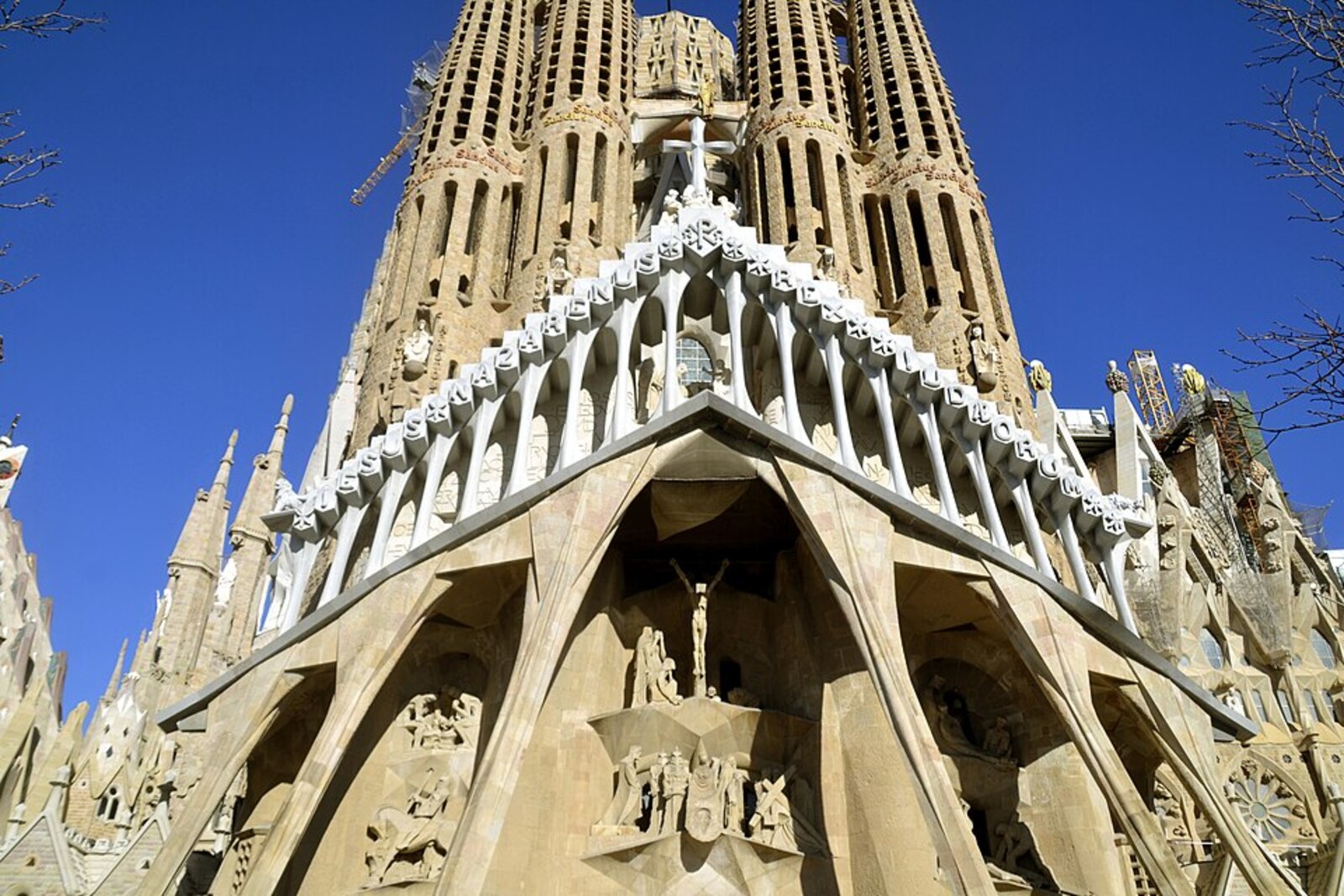

The Sagrada Família closed 2025 with 4,877,567 visitors, an increase of 0.91% over 2024, with a strong presence of tourists from the United States, Spain, and China, in addition to 191,510 students, while the temple continues to be one of the most emblematic architectural works in the world
The Sagrada Família received 4,877,567 visitors in 2025, a record announced at the end of March, with an increase of 0.91% over 2024. The result reinforces the significance of Antoni Gaudí’s temple, under construction since 1882, as a reference in architecture.
Record attendance
The basilica established the highest flow in 2025, confirming the reach of the Sagrada Família and enhancing the temple’s relevance in the tourism landscape.
The data released at the end of March shows that the total reached 4,877,567 visitors, a number 0.91% higher than that recorded in 2024.
-
Ethanol or Gasoline: Fuel Price Shift Surprises Drivers Across Brazil After Oil Surge; Discover Where Costs Changed and Which Option Offers Better Value

-
Venezuela Once Known as ‘Saudi Arabia’ of Latin America Now Faces Stark Economic Decline
-
Discarded Coffins Found in Brazilian City Spark Mystery and Police Investigation
-
Rural Woman in Brazil Builds Her Own Earth House, Becomes Workshop Leader for Community Projects


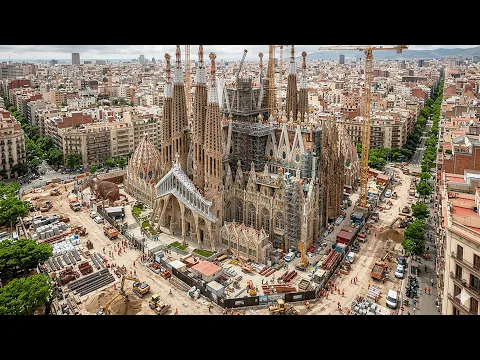

Origin of visitors
The United States led among the countries of origin, accounting for 15% of the total visitors to the Sagrada Família. Spain followed with 10.92%, while China represented 7.2%.
Italians made up 6.92% of the audience. The French accounted for 6.91%. Next were South Koreans, with 4.93%, British, with 4.52%, and Germans, with 4.1%.
The Sagrada Família also welcomed 191,510 students. Of this total, 135,409 were international, indicating a significant participation of this audience among the visits recorded by the basilica during the year.
How the project started
Although associated with Antoni Gaudí, the history of the Sagrada Família began with another architect. The idea originated with the 19th-century Catalan bookseller José Maria Bocabella.
The initial proposal was to recreate in Barcelona the Gothic Basilica of the Holy House of Loreto, in Italy. Funded by donations, Francisco del Villar planned a neo-Gothic structure starting from the crypt.
Construction began in 1882, but Villar left the project the following year after conflicts with the promoter. At this stage, only the crypt had been built, and the construction site remained incomplete.
The change with Gaudí
Upon taking over the project, Gaudí abandoned the previous plan and conceived a new structure around the existing crypt, to surpass the original neo-Gothic inspiration in scale and conception.
With information from Casa Vogue.


