





 Portuguese
  English
  Spanish
  3 min of reading


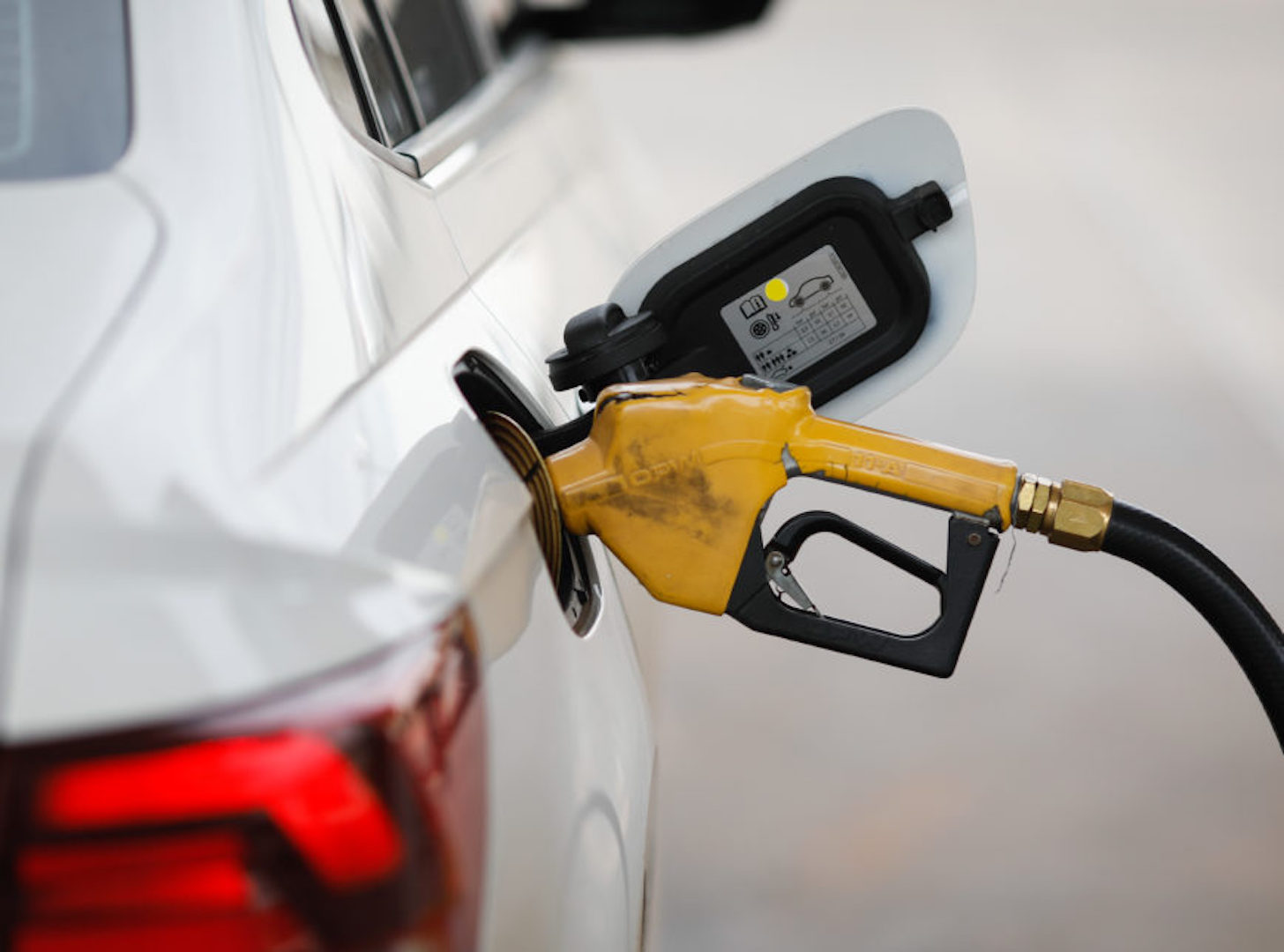
The Decline In The Price Of The Two Fuels With The Removal Of The Tax Occurs Because Ethanol Is Added To Gasoline, As Well As The Two Fuels Being Competitors
After the announcement by the Federal Government on Monday (21) that the import tax on ethanol would be zeroed, the Secretary of Foreign Trade of the Ministry of Economy, Lucas Ferraz, informed that the price of a liter of gasoline should be reduced by R$ 0.20. In addition to ethanol, the Ministry of Economy also eliminated taxes on foods that make up the basic basket.
According to the Diário do Nordeste, the reduction in gasoline prices will occur by the end of 2022. The decline in gasoline price occurs because, in addition to the two fuels being competitors, ethanol – a fuel that had an import tax of 18% – is added to gasoline. Furthermore, Lucas Ferraz also reported that there was a 37% increase in the price of ethanol over the past year, following the increase in the price of gasoline.
Lucas Ferraz states that with the reduction of the import tax on ethanol, the intention is to create a supply shock.
-
A new Brazilian shopping center worth R$ 400 million will be built in an area equivalent to more than 4 football fields, featuring 90 stores, 5 cinemas, a supermarket, a college, and parking for 1,700 cars, potentially generating 3,000 jobs.

-
Larger than entire cities in Brazil: BYD is building a 4.6 km² complex in Bahia with a capacity for 600,000 vehicles per year, but the discovery of 163 workers in conditions analogous to slavery has shaken the entire project.

-
With an investment of R$ 612 million, a capacity to process 1.2 million liters of milk per day, Piracanjuba inaugurates a mega cheese factory that increases national production, reduces dependence on imports, and repositions Brazil on the global dairy map.

-
Offshore industrial demand in Macaé skyrockets with the recovery of oil and gas and could grow by up to 396% by 2026 in the Campos Basin.

In addition to ethanol, some foods also had their taxes eliminated, such as soybean oil. Among other food products are:
- Sugar: reduction of the import tax which was 16%;
- Coffee: reduction of the import tax which was 9%;
- Pasta: reduction of the import tax which was 9%;
- Butter: reduction of the import tax which was 10.8%;
- Cheese: reduction of the import tax which was 29%.
Ana Paula Repezza, executive secretary of the Foreign Trade Chamber, said that the measures should be published on March 23, and the cut in taxes on ethanol and food will take effect from the publication.
Reduction Of Import Taxes
The Ministry of Economy confirmed the reduction of import taxes on ethanol, some food products, and IT and capital goods. According to Lucas Ferraz, with the Government’s measures, the total fiscal waiver will be R$ 1 billion.
There was also a 10% reduction in the import tax on IT and capital goods (BIT/BK) that will take effect from April this year. In 2021, the government had already reduced 10% of the taxes on these products.
Increase In Fuel Prices
The spike in oil prices is reflected in the pockets of Brazilians. The Petrobras announced on March 10 new price increases for gasoline, diesel, and cooking gas throughout Brazil. The new increase comes after nearly 2 months of frozen prices at the state-owned refineries. According to Abicon, even with the new adjustment, gasoline and diesel remain undervalued compared to the prices practiced in the international market.
The average price of gasoline for distributors will rise from R$ 3.25 to R$ 3.86 per liter, which means an adjustment of 18.8%. In the case of diesel, the average price per liter will be adjusted from R$ 3.61 to R$ 4.51, which means a high of up to 24.9%.
In the case of LPG (Liquefied Petroleum Gas), better known as cooking gas, there will be an adjustment of 16.1%, where the price charged per kg will rise from R$ 3.86 to R$ 4.48, equivalent to R$ 58.21 for 13 kg.







Seja o primeiro a reagir!