





 Portuguese
  English
  Spanish
  3 min of reading



The Decision by Minister Luiz Fux of the STF Has Sparked Discussions in the Brazilian Energy Market Regarding Its Impacts. The States of the Country Can Now Resume Charging ICMS Tariffs on the Transmission and Distribution of Electricity.
For this Tuesday, (03/14), the national energy market is witnessing an important and controversial decision from the Supreme Federal Court (STF). Responding to a request from CONPEG (National College of Attorneys General of the States and Federal District), Minister Luiz Fux approved the resumption of charging ICMS tariffs on the transmission and distribution of electricity in Brazil. Thus, product prices may undergo significant impacts over the coming months.
STF Decision Regarding the Resumption of ICMS Charges on the Transmission and Distribution of Electricity Sparks Discussions in the National Energy Market
The Brazilian energy market has been undergoing significant investments and strong growth over the past few years. Now, a decision by the STF could shake the current landscape of the sector.
Following the approval of the request from CONPEG (National College of Attorneys General of the States and Federal District) by Minister Luiz Fux, Brazilian states will be able to resume charging ICMS tariffs on the transmission and distribution of electricity.
-
End of the 6×1 schedule: how the reduction of hours can affect service companies, industry, and agribusiness.

-
Brazil Ignores Trump’s threats to BRICS, Buys 42 tons of gold and reduces the Dollar’s share by 6.45% in international reserves.

-
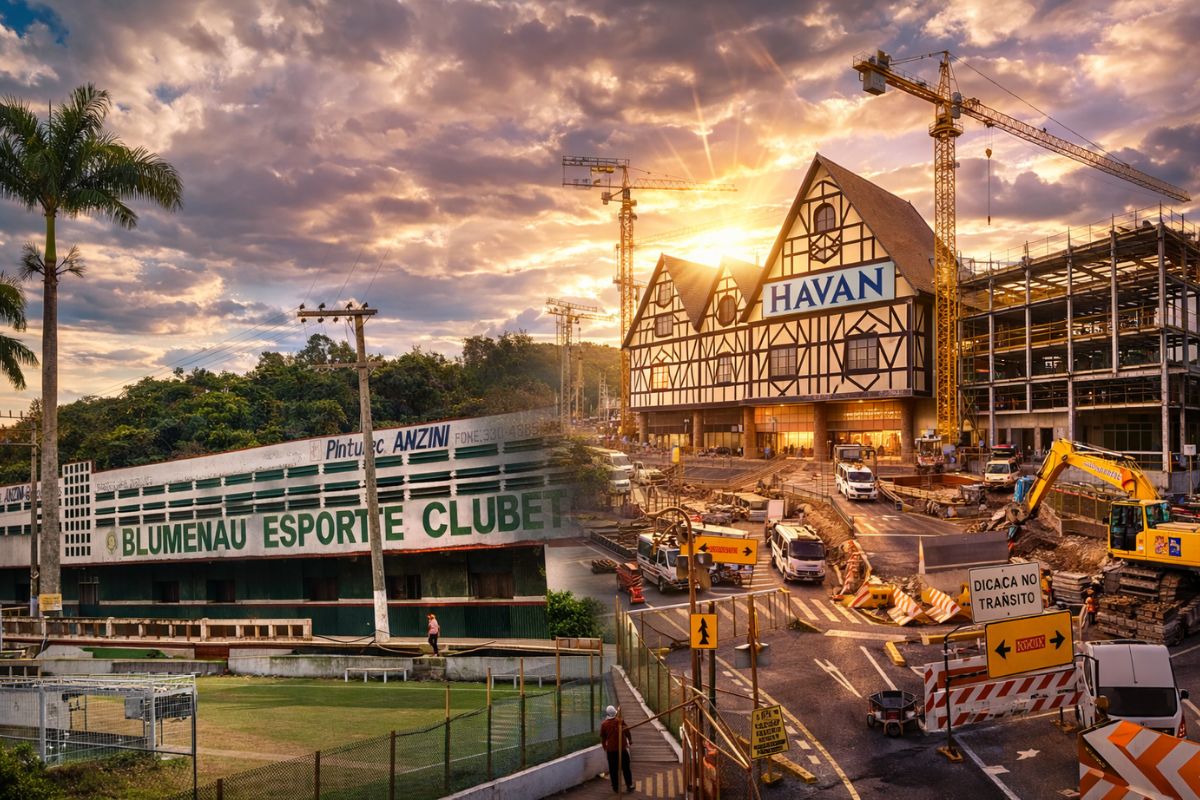
Havan buys historic football land in Blumenau for a million-dollar amount protected by a confidentiality clause and is already planning to change even the layout of streets to build a megastore in half-timbered style costing 80 million reais.
-
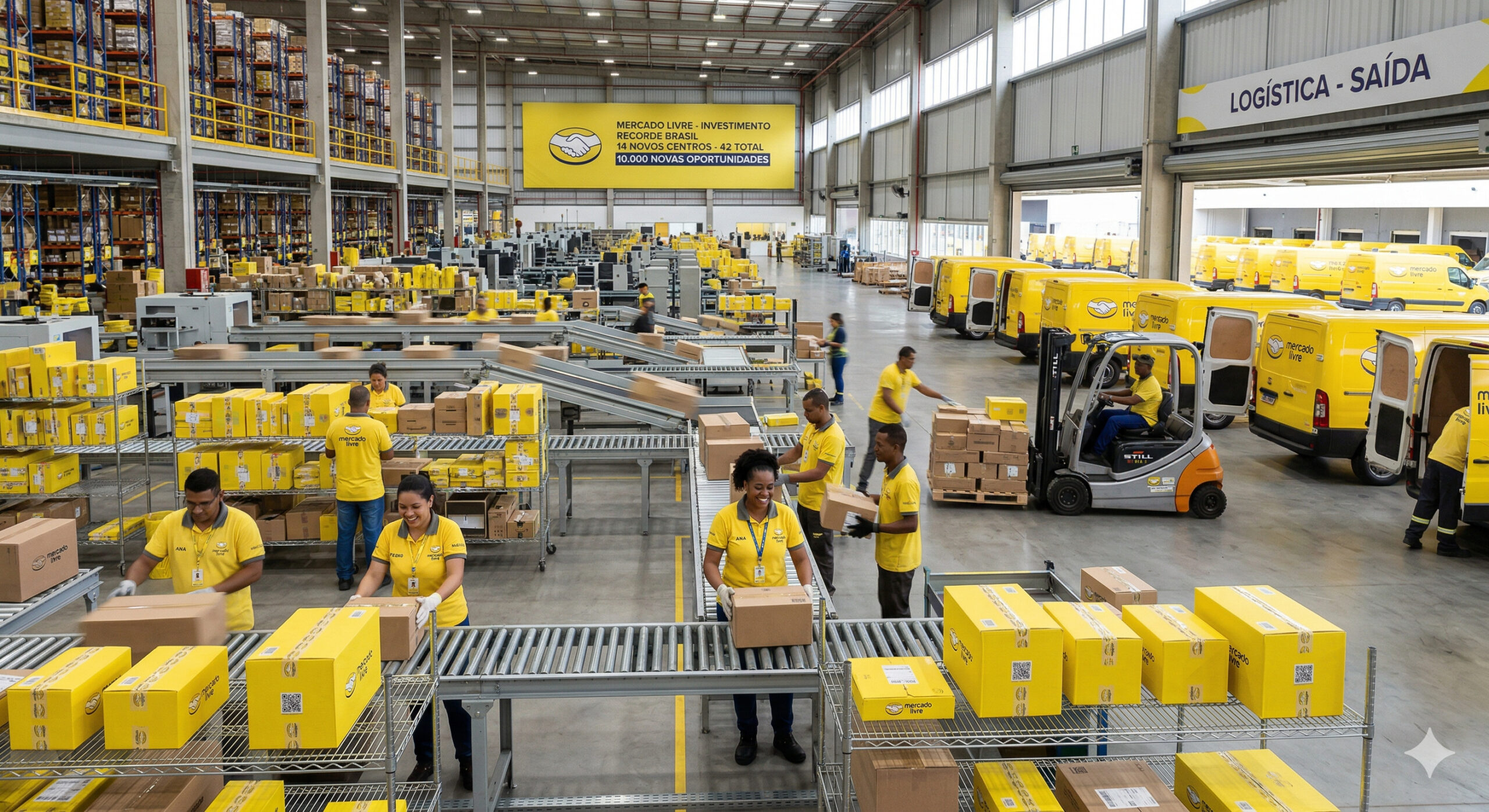
Mercado Livre “opens the vault” and announces a record investment of R$ 57 billion in Brazil in 2026, a value 50% higher than the previous year, with an expansion plan that includes 14 new logistics centers, totaling 42 units in the country and hiring an additional 10,000 employees.

Since 2021, tariffs on the tax for the transmission and distribution of this resource had been removed from state charges, as they do not create the taxable event necessary for the incidence of the tax.
However, the minister’s decision may cause a significant change in the current energy market.
Kaline Kiareli Pinheiro, a tax specialist and coordinator of the NWGroup’s Energy Department, noted that the ruling is still pending in the STJ (Superior Court of Justice), and that this is a discussion that is likely to persist in the legal landscape.
“What is surprising about Minister Fux’s decision is that at no time was it mentioned that the STF itself, in a General Repercussion ruling, addressed a similar subject in 2021 – topic 176 that dealt with the incidence of ICMS on the contracted demand charge in the electricity bill — where contracted demand equates to the physical infrastructure that transports electricity: wires, cables, poles, and transformers,” said the tariff specialist.
Energy Engineering Market Criticizes Decision to Charge ICMS on the Distribution and Transmission of Electricity in Brazil
Although this issue is generating controversy regarding its reliability in the legal context, it is a simple calculation for electrical engineering.
Experts in the sector emphasize that the transmission and distribution of electricity should not be confused with the product itself. The physical infrastructure for delivering this resource to the population should not be understood as an extension of what is being purchased.
Kaline Kiareli Pinheiro also commented on how this STF decision could adversely affect state revenue and the current energy market landscape.
For her, the potential harm to the population, which is improperly paying the ICMS charge on the products, is not being considered.
The decision is still under legal review, and the STF may provide further updates on the ICMS tariffs on electricity in the coming weeks.









Seja o primeiro a reagir!