





 Portuguese
  English
  Spanish
  3 min of reading


Shell Announced Plans to End Its Involvement in “All Hydrocarbons from Russia”. In a Reversal of Its Position from the Previous Weekend, the Company Said That, “As a First Immediate Step”, It Will Halt All Spot Purchases of Russian Oil
CEO Ben van Beurden Apologized for Shell’s Decision Last Week to Purchase a Shipment of Oil and Gas from Russia, and Reiterated That the Company Will Commit the Profits from the Remaining Quantities of Russian Oil It Processes to a Dedicated Relief Fund. Shell Was Condemned by the Ukrainian Foreign Minister over the Weekend After It Agreed to Buy a Shipment from Mid-March of Urals from Trafigura’s Trading on March 4.
Also Read
- Bahia Gas Company Signed Contracts with Giants Shell, Galp, Petrobras, and Equinor for the Supply of Natural Gas
- Shell Is Accused of Green Hydrogen False Advertising for the Second Time
- Multinationals Shell and Gerdau Announce Agreement for the Construction of a Solar Park in Minas Gerais in 2023. Part of the Energy Produced Will Be Dedicated to Steel Production
- Shell and Cosan Invest Millions in Electric Vehicle Charging Technology Aiming to Accelerate the Development of the Charging Network in Brazil through Raízen
- Research Center Funded by Shell and Fapesp Aims to Produce Green Hydrogen (H2V) from Polluting Ethanol Waste
Shell and the Controversy Involving Oil Purchases from Russia
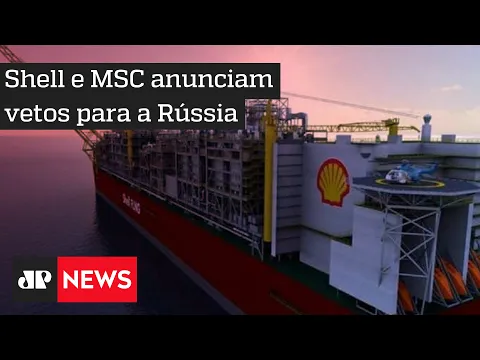

Shell’s Decision to Stop Purchasing Oil from Russia Comes After TotalEnergies CEO Patrick Pouyanne Said That His Company’s Traders Have Not Received Russian Oil Since the Start of the Invasion of Ukraine. Pouyanne Stated That TotalEnergies Is Not Facing Pressure from European Countries to Reject Russian Gas, While Also Noting That the Russian Gas Producer Novatek – in Which His Company Holds a 19.4% Stake – Is Not Under Sanctions.
Shell Stated That It Will Fully Withdraw from Its Involvement in Crude Oil, Refined Products, Gas, and LNG “Incrementally”, According to New Guidelines from Western Governments. In Addition to the Immediate Suspension of Oil Purchases from Russia in the Spot Market, the Company Stated That It Will Not Renew Futures Contracts. Shell Took 2.18 Million Tons (44,000 b/d) of Maritime Urals Last Year and Was Scheduled to Take 100,000 Tons/Month (24,000 b/d) of Urals Through the Druzhba Pipeline to the Schwedt Refinery in Germany This Year, According to Argus Data.
-
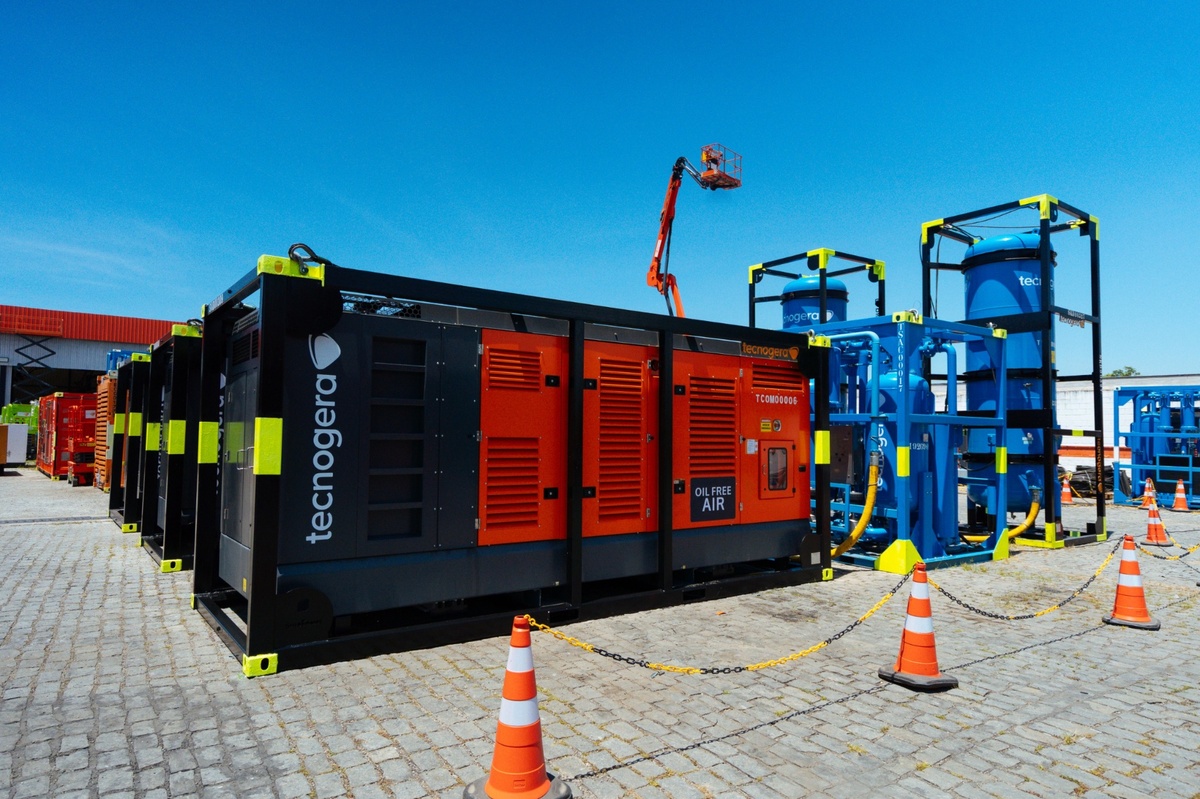
Offshore industrial demand in Macaé skyrockets with the recovery of oil and gas and could grow by up to 396% by 2026 in the Campos Basin.
-
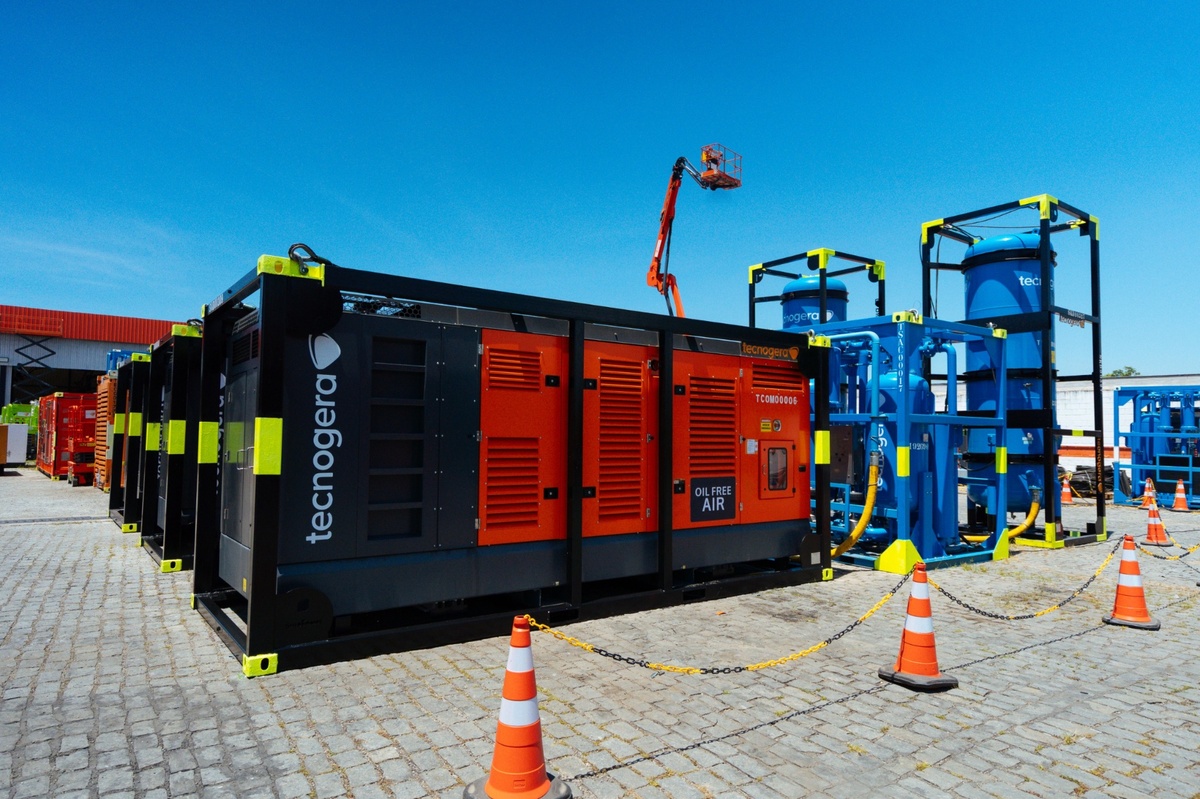
Offshore industrial demand in Macaé surges with the recovery of oil and gas and could grow by up to 396% by 2026 in the Campos Basin.
-
Brazilian giant expands borders in the Southeast: Petrobras confirms new oil discovery in ultra-deep waters in the pre-salt of the Campos Basin.

-
Alert in the global energy market: Severe tropical cyclone hits the coast and disrupts gas production at major plants in Australia, threatening global supply.


Shell Says It Will Withdraw from the Russian Oil and Gas Market
The Company Is Changing Its Supply Chain for Oil and Gas to Remove Volumes from Russia. “We Will Do This as Quickly as Possible, but the Physical Location and Availability of Alternatives Mean That This May Take Weeks to Complete and Will Result in Lower Yields at Some of Our Refineries”, Said van Beurden.
Van Beurden Emphasized That Shell’s Gradual Withdrawal from Russian Petroleum Products, Pipeline Gas, and LNG Will Be “a Complex Challenge” That Will Require “Joint Action from Governments, Energy Suppliers, and Customers”. Shell Is Also Closing Its Gas Stations in Russia, Along with Its Aviation Fuels and Lubricants Operations in the Country.
“Our Actions So Far Have Been Guided by Ongoing Discussions with Governments About the Need to Separate Society from Russian Energy Flows While Maintaining Energy Supply”, Said van Beurden.
“Today’s Threats to Disrupt Pipeline Flows to Europe Further Illustrate the Difficult Choices and Possible Consequences We Face in Trying to Do This.”
Oil Company Announces Withdrawal from Its Involvement in the Nord Stream 2 Pipeline Project and Others
The Russian Deputy Prime Minister, Alexander Novak, Stated That Moscow Could Stop Gas Deliveries to Europe Through the Nord Stream 1 Pipeline in Response to EU and US Sanctions.
Shell Announced on February 28 That It Will End Its Involvement in the Nord Stream 2 Pipeline Project and Withdraw from Its Partnerships with Russian Gas Giant Gazprom, Including Its 27.5% Stake in the Sakhalin 2 Oil and LNG Project in the Far East of Russia.
According to Bloomberg, Which Monitors This Market, the Oil Company Paid US$ 28.50 Below the Brent Price — an International Benchmark for Oil Trading, Which Soared After the Invasion of Ukraine and Surpassed US$ 110.










Seja o primeiro a reagir!