Portuguese
  Spanish


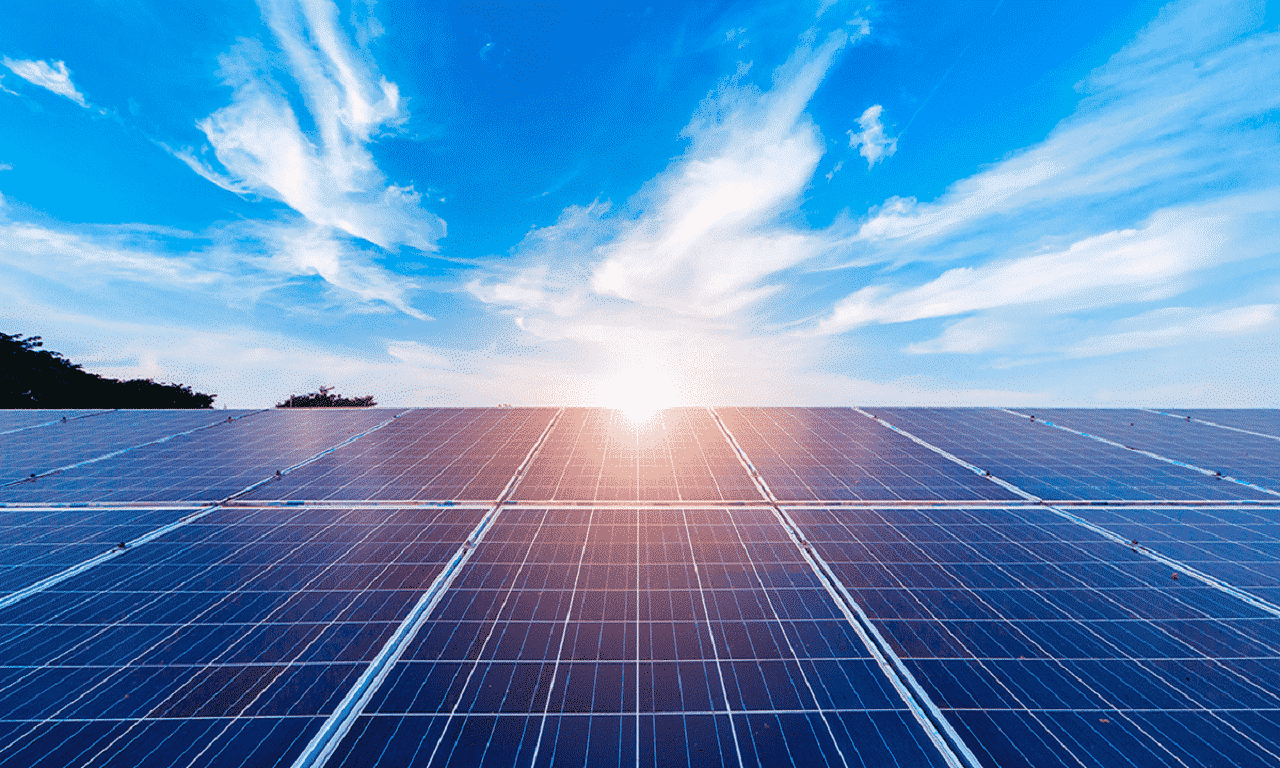

The Solar Park Built Through the Joint Venture Between Shell and Gerdau Will Have a Capacity of Approximately 260 MWp
Shell and Gerdau formed a joint venture in which both companies have equal participation, to build a solar park in Minas Gerais in 2023. Approval from Brazilian authorities is still required. The solar park created by Shell and Gerdau is expected to have a capacity of around 260 MWp, and approximately half of the energy produced in the solar park will be allocated to Gerdau’s steel production. The other half will be traded in the free market through Shell’s trading company.
Also Read:
- Return of the mining company Samarco is expected to happen soon and will generate thousands of job vacancies in the state of Espírito Santo from 2022
- Steel producer Gerdau calls for professionals with and without experience for job vacancies for technicians, interns, operators, and other 50 opportunities
- Multinational SBM Offshore offers many onshore and offshore job vacancies, this day 07
According to Broadcast, the partnership between Shell and Gerdau will enable the development of about one-third of the total capacity of the solar park. Shell will be looking for long-term customers such as self-producers.
The Director of Renewables and Energy Solutions at Shell Brasil, Guilherme Perdigão, states that by creating the solar park, the company is taking an important step in building a robust portfolio in renewable energies in Brazil, reinforcing Shell’s business diversification, with the aim of providing more energy in an increasingly cleaner way.
-
Giant Batteries Take Center Stage in Chile Auction as Company Offers 960 GWh of Solar Energy for Nighttime Use, Aiming to Stabilize Solar Power Supply

-
After a Year of Success in Switzerland, Solar Railway Attracts Italy’s Interest for Clean Energy Transformation
-
Robots Clean Solar Panels in Desert Power Plants Without Water, Preventing Energy Losses
-
Brazil’s Offshore Wind Energy Potential Worth $1 Trillion Stalled by Long-Delayed Agreement



Last year, Shell made a commitment to eliminate net carbon emissions by 2050, with the company’s goal of reducing absolute emissions by half by 2030, compared to the year 2016.
Gerdau also commits to reducing greenhouse gas emissions to 0.83 tons of carbon dioxide per ton of steel produced, half of the average value for steel industries, which is 1.89 tons of carbon dioxide per ton of steel.
Meet Gerdau and Shell
Shell has been in Brazil since 1913 with the goal of meeting the energy demands of its customers, operating responsibly for the economy, society, and the environment. The company has 900 employees in Brazil, with its headquarters located in Downtown Rio de Janeiro and has a manufacturing unit on Governador Island.
Gerdau is the largest steel producer in the country and also one of the main suppliers of long steel in the Americas and special steels worldwide. In Brazil, Gerdau also produces flat steels and iron ore, activities that expand the product mix offered to the market and also the competitiveness of operations.
Project Developed in Amazonas Promises Cheap, Renewable Solar Energy at Low Cost for Residents of Remote Areas
A project in Amazonas is analyzing the possibility of developing a solar-based energy source that could bring cheap and clean solar energy to remote areas, considering that cabling is not required. The study, which is supported by the Amazonas State Research Support Foundation (Fapeam) through the Amazônidas Program, aims to acquire photovoltaic devices capable of converting sunlight into clean energy, as well as characterizing and preparing various nanomaterials used in the production of these panels such as quantum dots, nanoscale semiconductor oxides, carbon dots, and graphene. To read the full article, click here.