





 Portuguese
  English
  Spanish
  3 min of reading
  0 comments


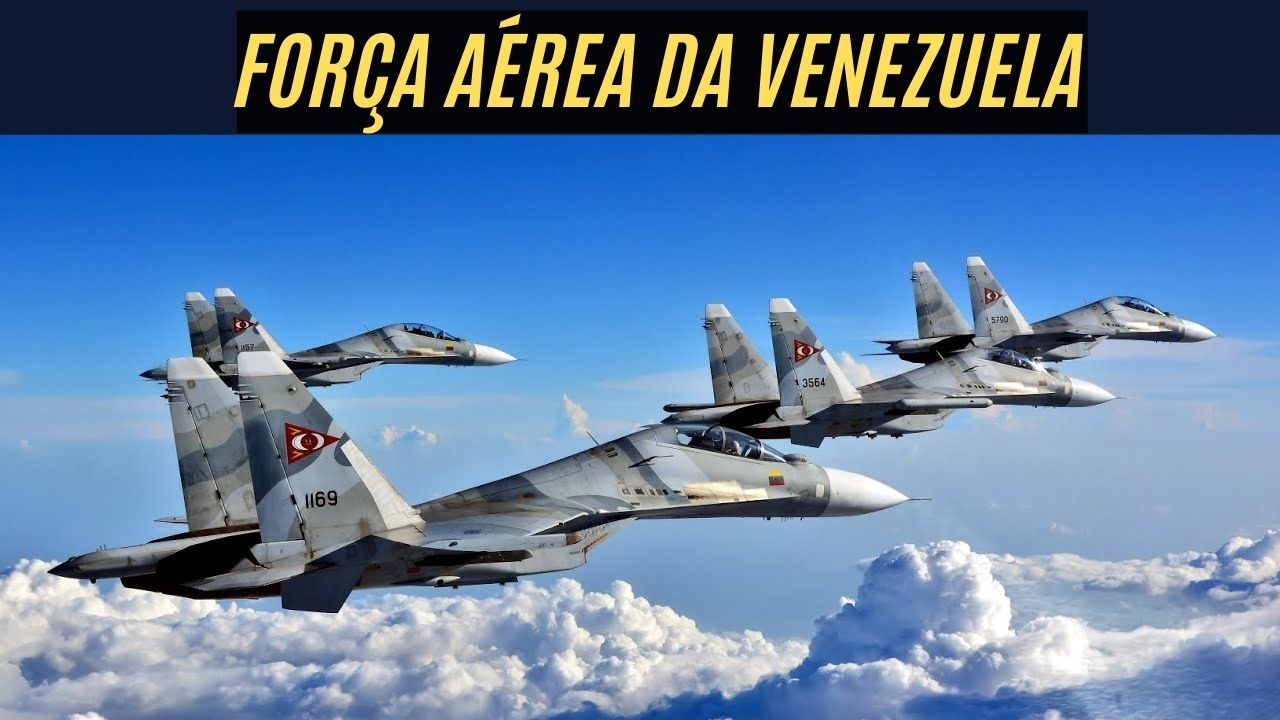
The Venezuelan Air Force, now known as Bolivarian Military Aviation (AMB), represents the air defense arm of Venezuela, structured after World War II, when, in 1946, it separated from the army to become an independent unit. In a context of sanctions and restrictions, this sector of the Armed Forces faces great challenges to maintain its strength, as pointed out by aviation specialist Fernando De Borthole, a private pilot with over 20 years of experience, whom the CPG listened to.
The trajectory of the Venezuelan Air Force dates back to the 1920s, when the country’s first military aviation school was founded. With the end of World War II in 1946, the Venezuelan government officially created the Air Force as an autonomous entity, separating it from the army. In the following years, particularly between the 1950s and 1980s, Venezuela established close relations with the United States, which resulted in the acquisition of American aircraft, such as the F-16 fighter. This cooperation was suspended in the following decades due to economic sanctions, forcing the country to seek alternatives in Russia.
Current Venezuelan Air Force and Maintenance Challenges
Currently, the Venezuelan Air Force ranks 57th in the world air power ranking, according to Global Fire Power, which ranks 145 countries. The AMB fleet includes approximately 240 aircraft and has more than 14,000 military personnel, responsible for covering a territory of almost one million square kilometers.
The operational capacity of Venezuela has been impacted by U.S. sanctions, which complicated maintenance and the replacement of parts for aircraft like the F-16, leading the country to invest in Russian alternatives, such as the Sukhoi Su-30, the main fighter of the AMB today.
-
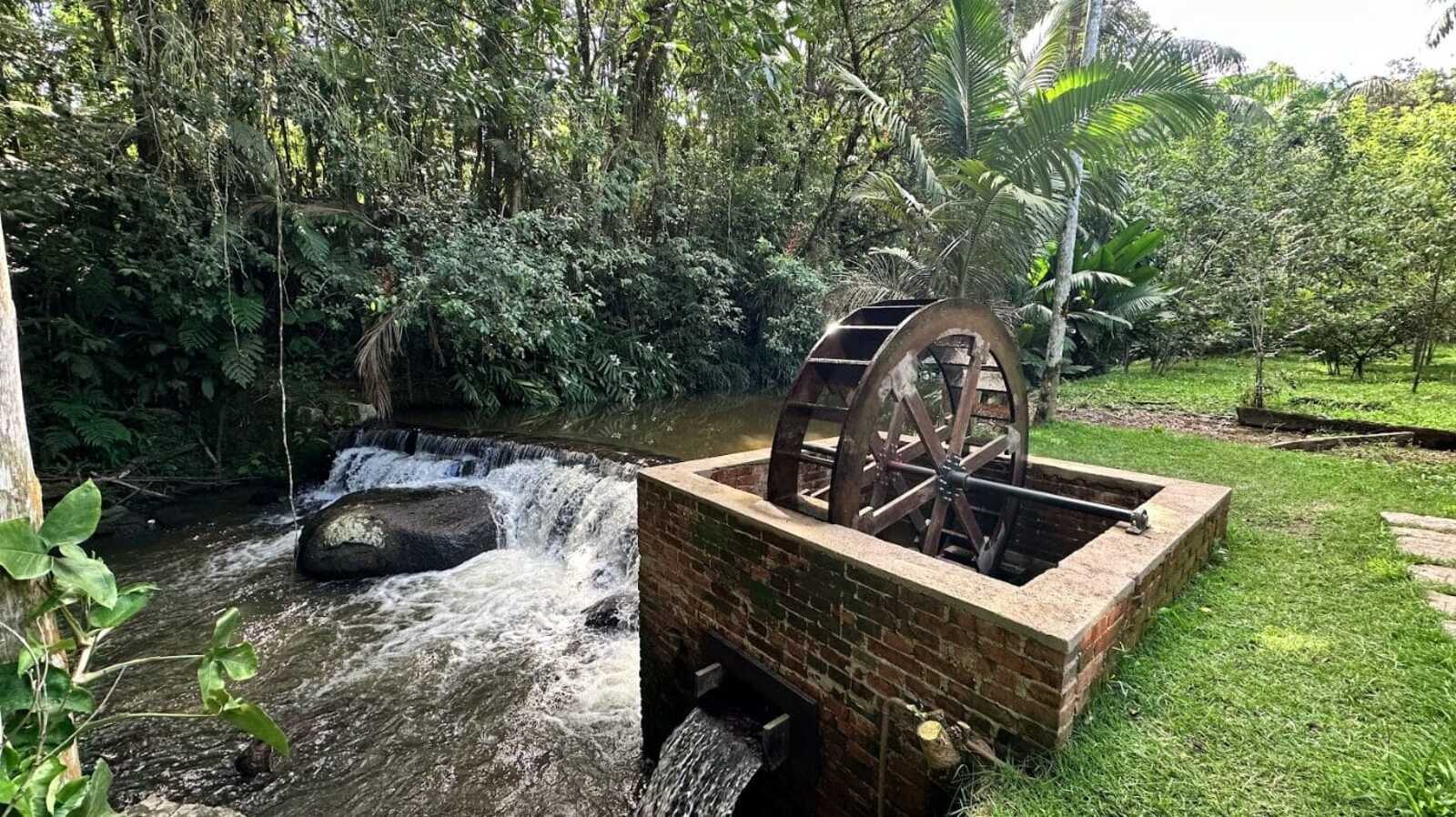
While restoring a historic mansion from 1910, a brick structure with an old turbine that generated energy from the Rio do Testo emerged, along with a hidden door and a rare floor concealed under layers of wax.
-
Italian researchers have detected what appears to be a second Sphinx buried under the sands of Egypt, and satellite scans reveal a gigantic underground megastructure hidden beneath the Giza Plateau for over 3,000 years.

-
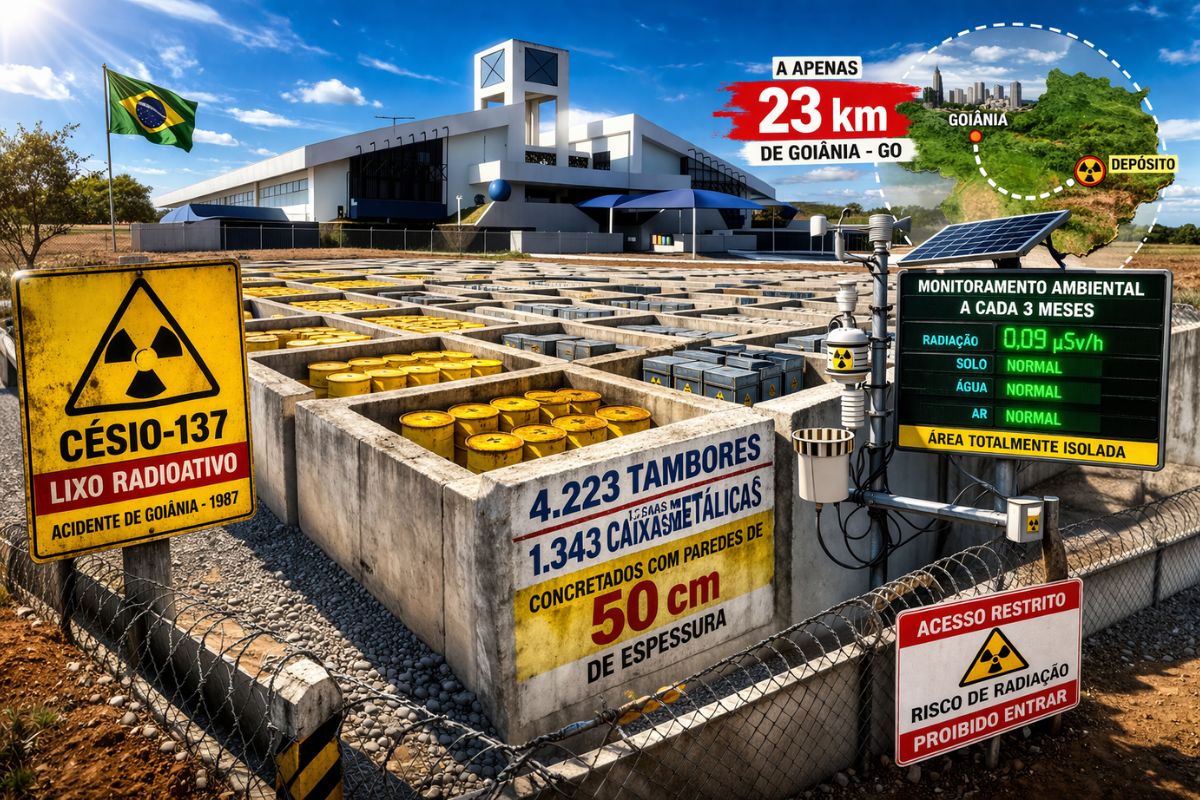
There are 4,223 drums and 1,343 metal boxes concreted with 50-centimeter walls that store the radioactive waste from Cesium-137 in the worst radiological accident in Brazil, just 23 kilometers from Goiânia, with environmental monitoring every three months.
-
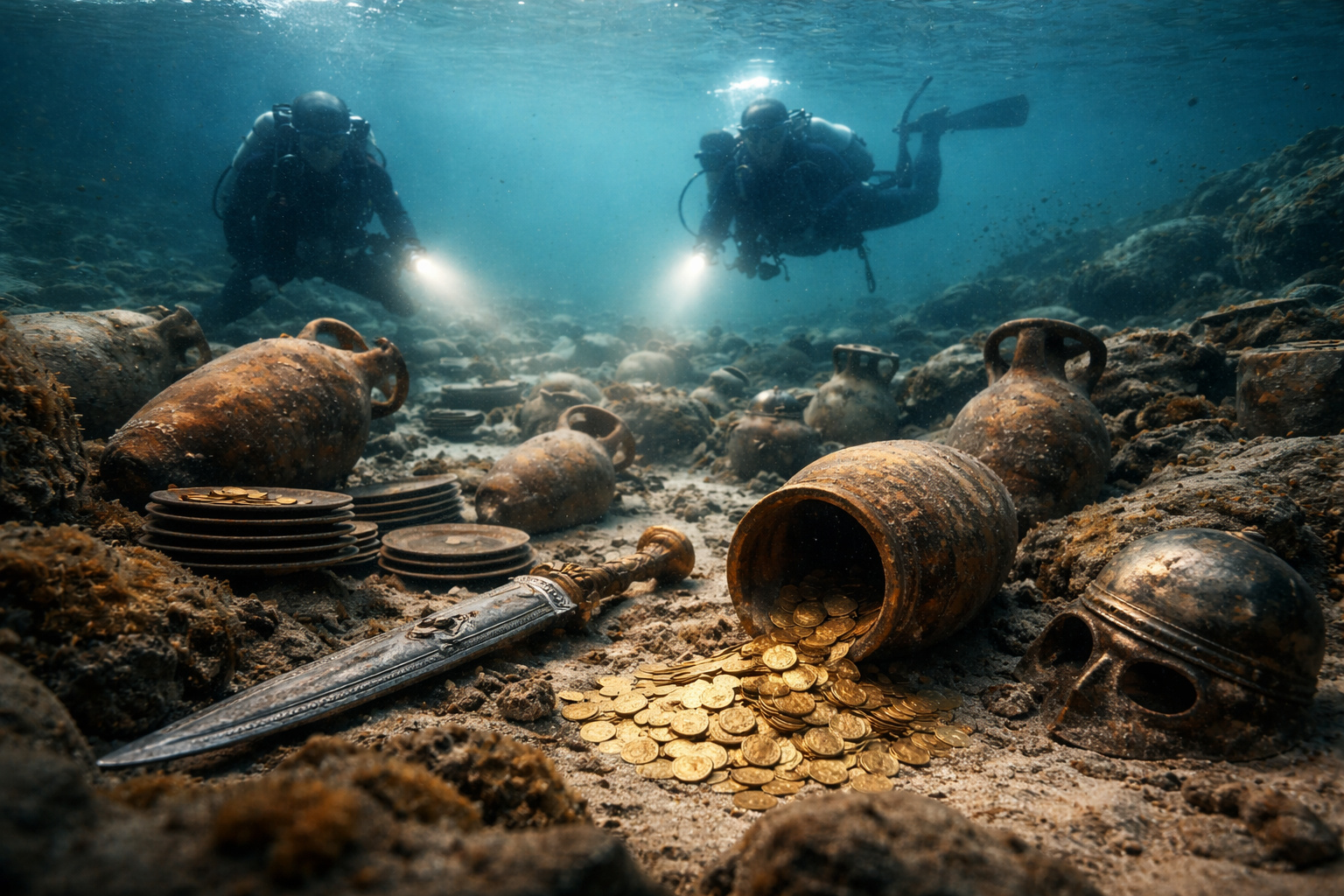
Giant Roman treasure found at the bottom of Lake Neuchâtel in Switzerland reveals an advanced trade system, circulation of goods, and armed escort in the Roman Empire about two thousand years ago.

Fernando De Borthole explains that the lack of replacement parts and the suspension of updates for the F-16s have led Venezuela to scrap part of this fleet, maintaining only 13 operational units. The last significant acquisition of the Venezuelan Air Force was the Sukhoi Su-30 in 2006, with 21 units still in operation.
Defense Capacity and Military Power
The capacity of the Venezuelan Air Force for a potential defense of the territory depends primarily on its fleet of fighters and attack aircraft. In addition to the 13 F-16s and 21 Sukhoi Su-30s, Venezuela has the K-8W, a lightweight fighter manufactured in China intended for pilot training. However, the low level of modernization and maintenance limitations make the real power of these aircraft uncertain in a prolonged war scenario.
In addition to combat aircraft, the AMB has surveillance and reconnaissance equipment, such as the Fairchild C-26A and the Diamond DA42 MPP, as well as transport and refueling aircraft, such as the Lockheed C-130 Hercules and the modified Boeing 707 for aerial refueling. However, Borthole points out that restrictions hinder the maintenance of these systems, limiting the overall effectiveness of the fleet.
Lack of Modernization


Although the Venezuelan Air Force still has significant resources, international sanctions and maintenance difficulties put its sustainability in a prolonged conflict at risk. The dependence on aircraft acquired from external powers and the lack of modernization are factors that affect operational readiness and limit Venezuela’s defensive power.
Furthermore, Fernando De Borthole makes it clear that despite its efforts to maintain its air force, Venezuela faces great challenges. In a possible confrontation situation, the country could use its operational units, but the longevity of this capacity remains uncertain.








-

Uma pessoa reagiu a isso.