





 English
  Francês
  Alemão
  Italiano
  Japonês
  Norueguês
  Portuguese
  Spanish
  3 min of reading


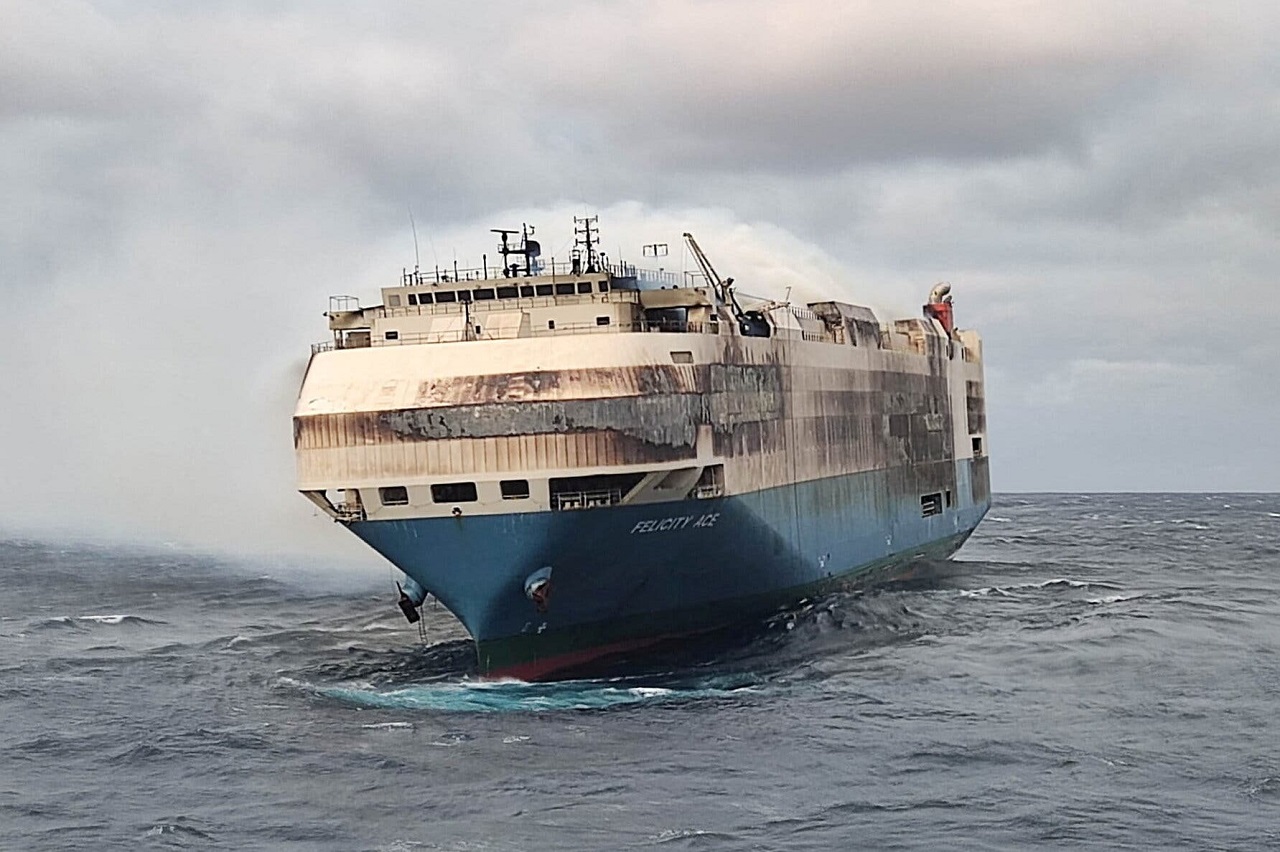
MOL Operator Prohibited The Transport Of Electric Cars After Incident With Felicity Ace Ship, Which Caught Fire In February Of This Year With Vehicles From Porsche, Bentley, Audi, And Lamborghini Of The Volkswagen Group.
The Felicity Ace Ship was on fire and adrift in the Atlantic Ocean for days in February of this year. The fire lasted for several days, caused by the lithium batteries of some electric cars from Porsche, Bentley, Audi, and Lamborghini that were being transported by the vessel. The company operating the ship involved in the incident, Mitsui OSK Lines (MOL), stated on Tuesday (12) that it no longer plans to transport used electric cars.
Understand More About The Company’s Ban Related To The Transport Of Electric Cars
MOL is one of the largest companies specializing in the maritime transport of electric and combustion cars in the world. According to Vinson & Elkins, a law firm, the fire involving vehicles from Porsche, Bentley, Audi, and Lamborghini on the Felicity Ace ship incurred the largest loss in the industry, estimated at US$ 500 million, equivalent to R$ 2.3 billion in direct conversion.
A MOL spokesperson commented on the company’s decision to ban the transport of used electric cars. When a lithium-made electric car battery catches fire, its temperature can reach 2,700 degrees Celsius.
-
Engineers propose a fourth traffic light for intersections – the change promises to affect crossings, queues, and waiting times.

-
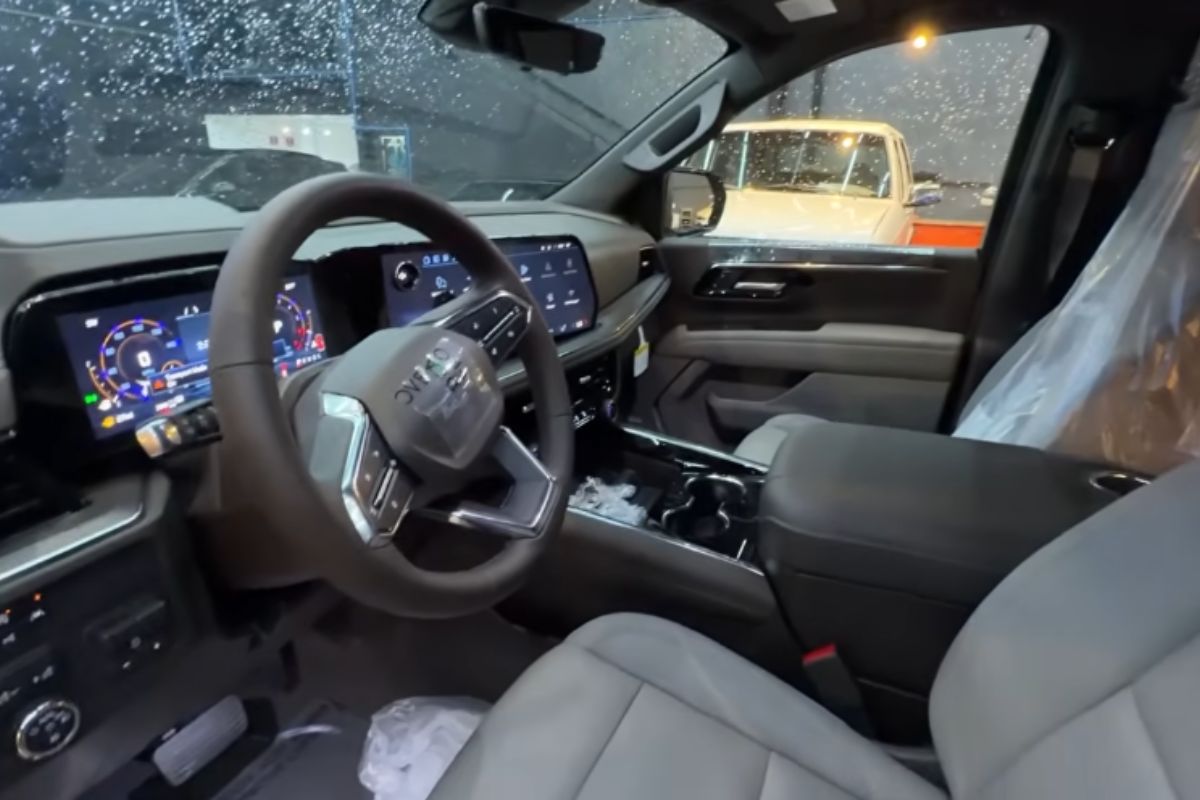
Chevrolet Suburban Z71 lands in Brazil with a V8 engine, off-road design, air suspension, seven seats, and colossal size, a rare version imported for around R$ 1.3 million with luxury and exclusivity.
-
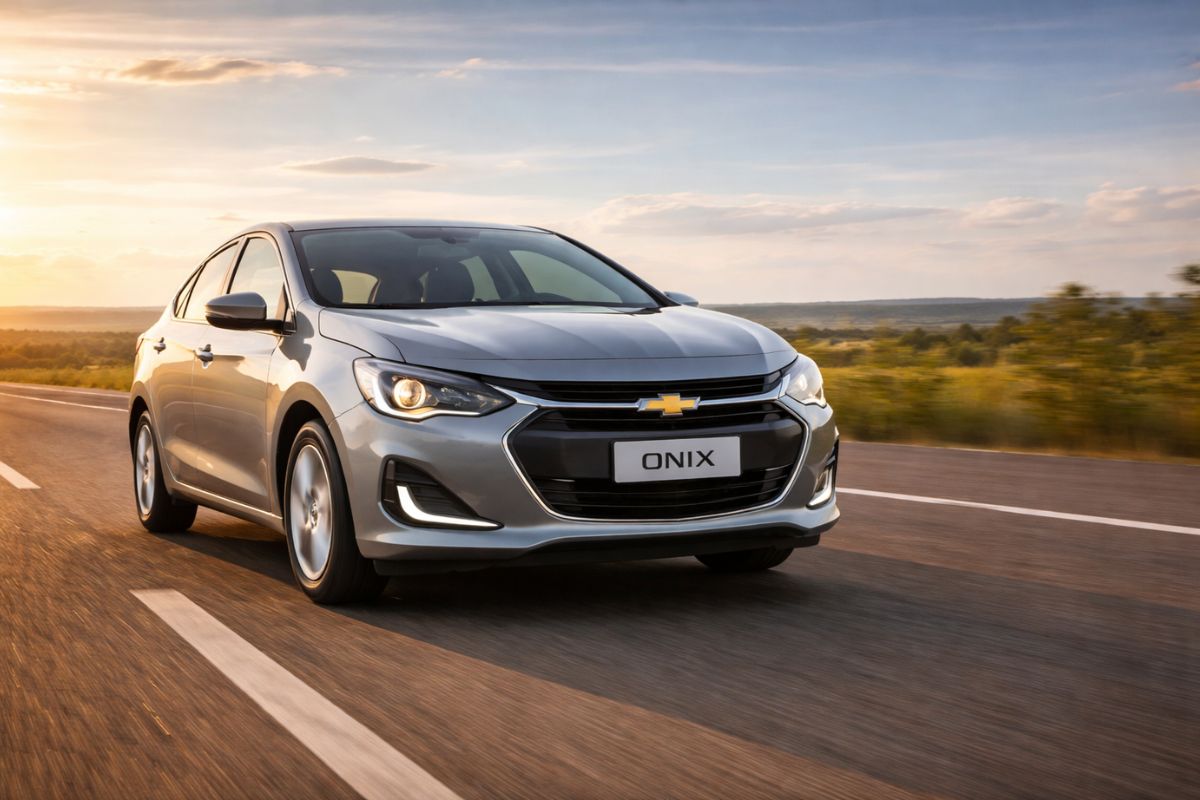
The Chevrolet Onix 1.0 turbo achieves 17.7 km per liter on the highway and ranks among the three most economical cars in Brazil in 2026, alongside two more expensive Toyota hybrids available at dealerships.
-
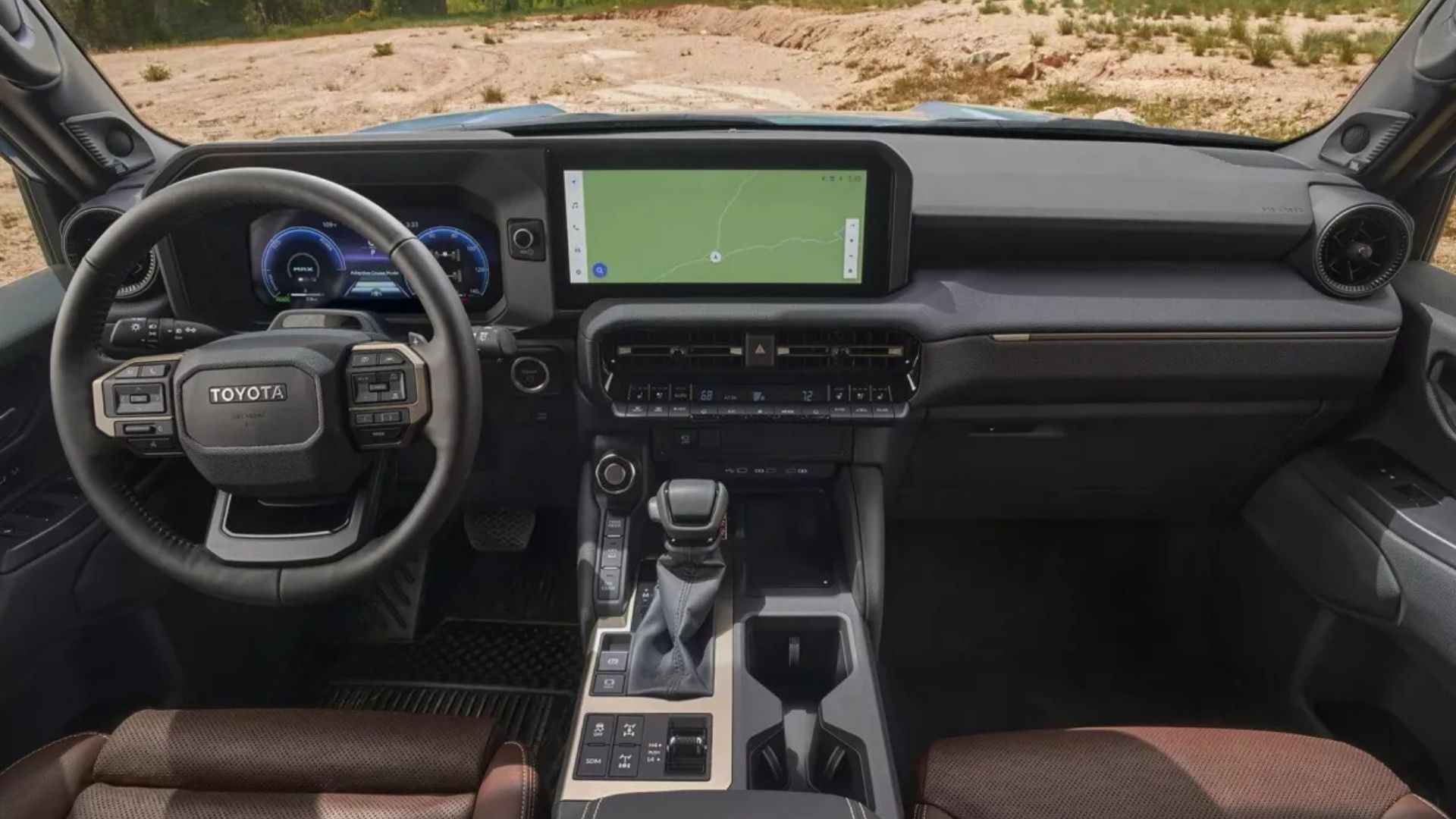
Little sister of the Hilux: Toyota launches Land Cruiser FJ with 4 radical versions, 2.7 engine with 166 hp and 4×4 traction with locking.
The tactic to extinguish this fire is different, and the system used for this, fire suppression, on current ships is not capable of controlling a fire like the one that occurred in February of this year. The known techniques to control this type of fire, as occurred with the Porsche, Bentley, Audi, and Lamborghini present on the Felicity Ace ship, are still not practices that can be applied in spaces with limited room.
Felicity Ace Ship Burned For Days With 3,965 Porsche, Bentley, Audi, And Lamborghini Cars And Caused Billion-Dollar Losses To Volkswagen; Lithium-Ion Batteries Complicated The Rescue


The Felicity Ace ship caught fire in February near Faial Island in the Azores archipelago, Portugal. The ship was Panamanian-flagged and carried 4,000 electric cars from Porsche, Bentley, Audi, and Lamborghini, from the Volkswagen Group. In total, vehicles such as ID.3 and ID.4, 1,100 Porsche cars, 21 Lamborghini units, and 189 Bentley vehicles were burned.
The cargo ship had departed from Emden, located in Germany, where the group has a car factory, and was heading to the United States. When the Felicity Ace was near the Azores, Portugal, about to begin the crossing of the North Atlantic, the initial fire was noticed, which spread quickly.
The vessel with vehicles from Porsche, Bentley, Audi, and Lamborghini had a crew of 22 people, all of whom were quickly rescued by the Portuguese Navy.
Fire On Ship With Electric Cars Did Not Cause Pollution, Claims Local Authorities And Responsible Company
The ship was sailing 170 km off the Faial island and spent several days there. According to the country’s authorities, there was no sign that the vessel, with vehicles from Porsche, Bentley, Audi, and Lamborghini, polluted the Portuguese seas.
The recovery of the ship was simpler, as was the verification of the damage caused to the vessel and its cargo. It is worth noting that incidents like this with cargo ships are rare, and for each load that is lost, about 4,000 cars are lost, as this is an average for Ro Ro ships, which are more common in ports around the world. In Brazil, the port complexes of Santos and Vitória are the ones that most operate these types of ships.









Seja o primeiro a reagir!