





 Portuguese
  English
  Spanish
  4 min of reading
  2 comments


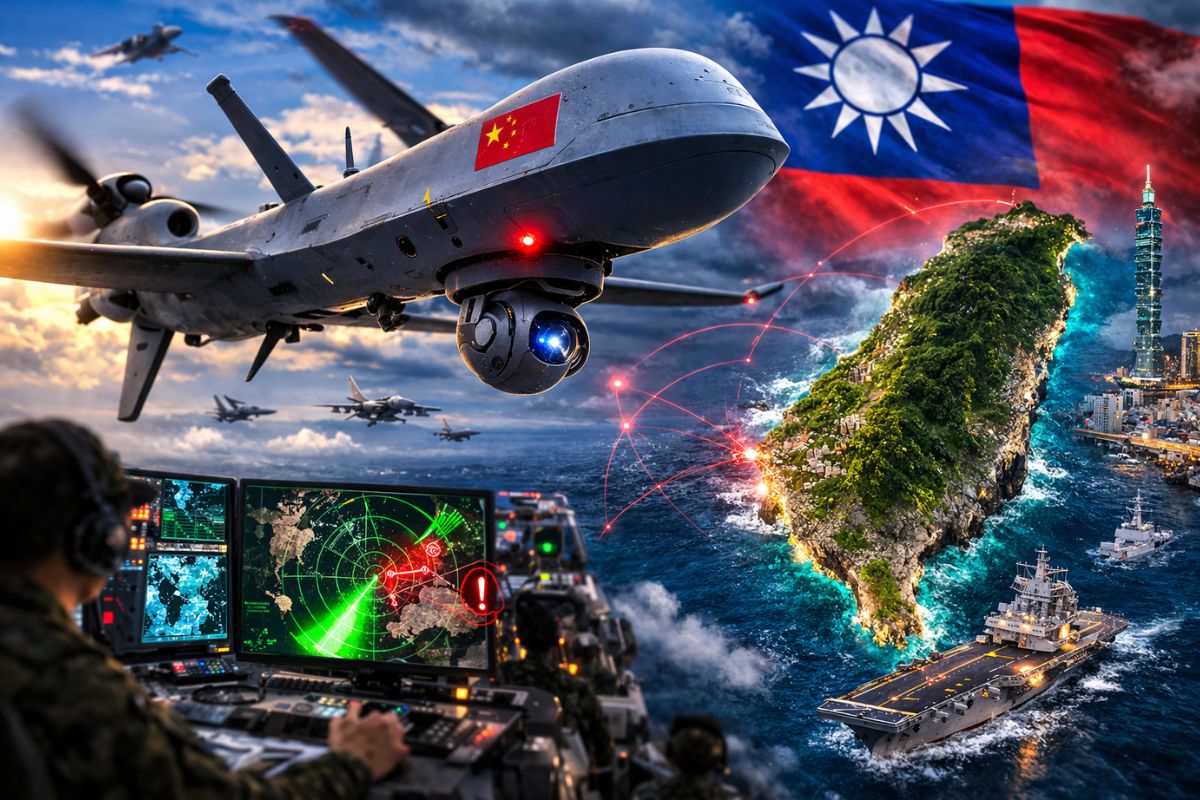


The Military Drone Tested Fake Identities Near Taiwan and Exposed How Digital Deception Can Delay Responses to the First Signs of a Crisis.
The case draws attention because it does not involve invisibility in the sky, but rather electronic masking. Instead of disappearing from systems, the military drone would have appeared as cargo planes, European fighters, and even business jets, creating an illusion capable of delaying responses in a crisis scenario. For experts, the innovation is less in the aircraft and more in the strategy of digital deception applied to the airspace.
The movement gains weight because, according to the provided data, this behavior would have been maintained for months and tested in strategic areas near Taiwan, the Bashi Channel, and positions of military interest. What seems like just a technical detail can, in practice, alter the reading of the first signs of a conflict.
How the Drone Military Would Have Confused Radars
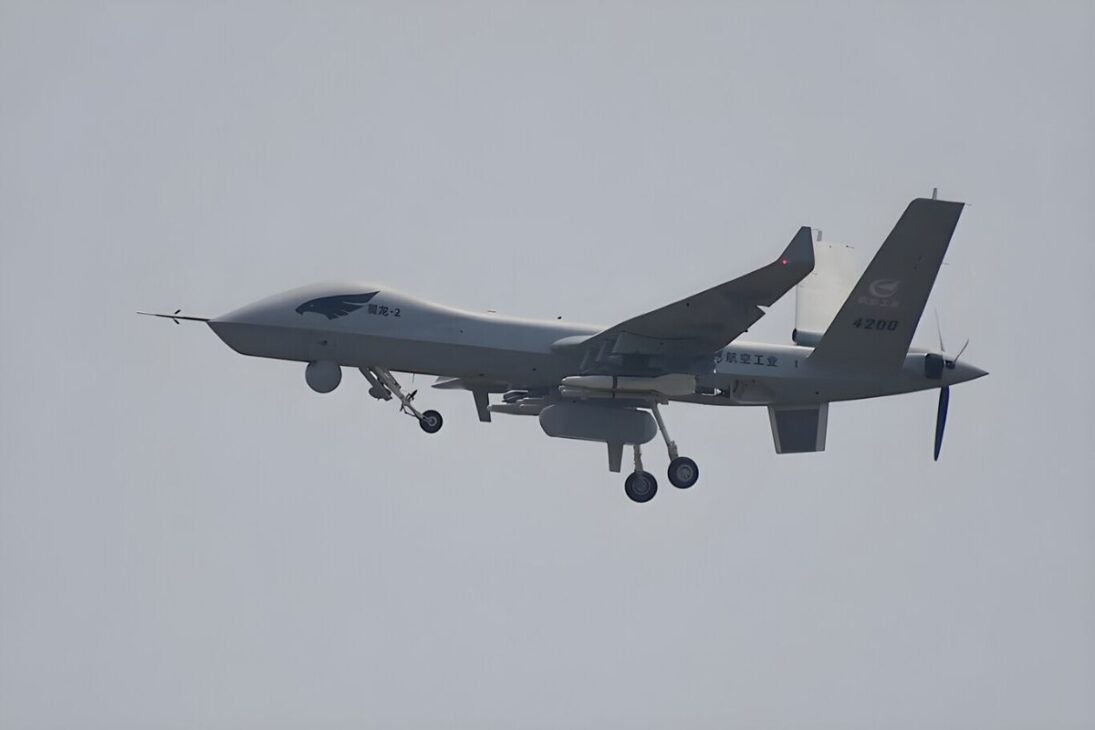
The central point of the episode lies in how the military drone presented itself to tracking systems.
-
FAB loses Hermes 900 drone during multinational exercise in Mato Grosso do Sul and is left with only one active aircraft, raising concerns about operational fragility and strategic response capability.
-
The U.S. Army bets on the multifunctional MV 75 aircraft with cutting-edge technology that promises to revolutionize modern warfare by combining extreme speed, greater range, and unprecedented operational efficiency.
-
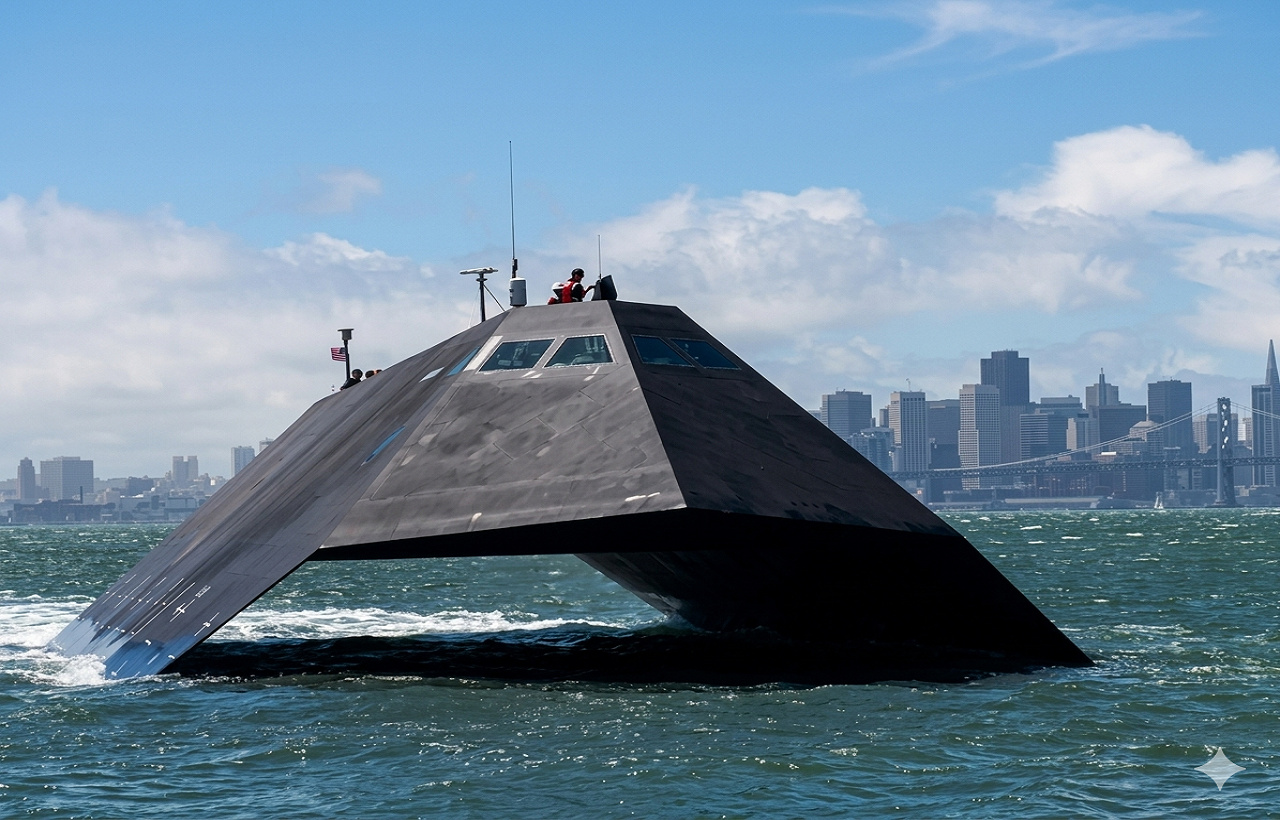
Built in secret inside a barge with a satellite-proof roof, the 49-meter, 560-ton ship with stealth technology deflected radar waves like an F-117 fighter, sailed invisibly for nearly 10 years at night, and, despite costing 170 million dollars, ended up being dismantled and sold as scrap for only 2.5 million.
-
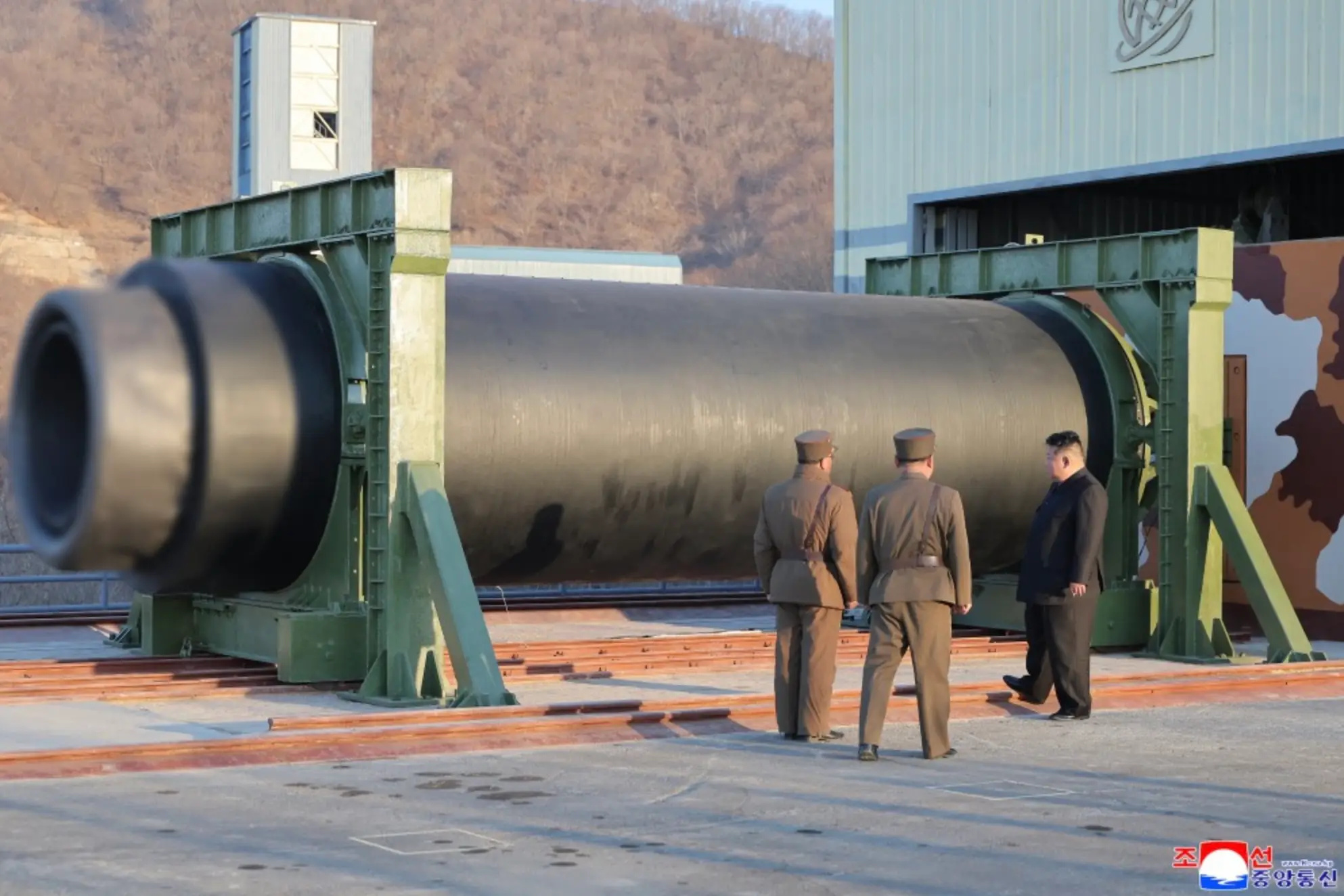
North Korea tests intercontinental range rocket with a 2,500 kN solid fuel engine supervised by Kim Jong Un and advances in a five-year strategic plan.

Instead of transmitting its real identity, it appeared on civil radars as other aircraft, including cargo planes, European fighters, and even business jets.
According to the attached data, this was not due to technical error or programming failure. The change would be deliberate, made through the manipulation of transponder codes, which carry information such as position, direction, and speed. In practice, the effect would not be to erase the aircraft but to change its digital appearance in mid-flight.
Grey Zone Strategy Worries Analysts
The operation was interpreted as part of the so-called grey zone actions, those that fall below the threshold of direct attack but serve to wear down opponents, intimidate, test reactions, and generate uncertainty.
In this context, the military drone would not need to take down systems or formally invade a space to make an impact. It would be enough to sow doubt, complicate the correct identification of what is happening, and create precious seconds of hesitation.
In modern disputes, confusing the initial reading of the scenario can be almost as important as physical movement on the ground.
Taiwan Appears as the Center of Concern
The routes described in the data are not seen as random. Part of the flights would have proceeded toward the Bashi Channel, a strategic area between Taiwan and the Philippines, in addition to overlapping military interest zones near Taipei and circumventing American and Japanese bases in Okinawa.
This pattern reinforces the reading that the military drone was used not only for surveillance but as a test of a broader scenario.
The hypothesis raised by analysts is that, in a crisis in the Taiwan Strait, initial signals could be masked by false information on radars.
This would change the nature of the initial alert, shifting it from being solely military to also becoming digital and psychological.
The Risk Is Not Invisibility, but Response Delay
One of the most relevant points of the case is that the military drone would not be invisible to the systems. The greater concern is that it appears as something it is not, changing its identity mid-flight and confusing the airspace environment in real-time.
Even though more advanced military radars are harder to fool completely, the confusion may be sufficient to delay decisions, obscure intelligence missions, and fuel misinformation.
In critical moments, a few seconds of doubt can interfere with how a defense reacts.
Digital Deception Can Open a Crisis Before the First Attack
The most unsettling reading from the data is that a crisis surrounding Taiwan could begin even before any overt military action.
Instead of missiles or explosions right from the start, the onset could come in the form of wrong signals, false identities, and digital noise in the skies.
In this scenario, the military drone functions as a piece of a perception war. The objective would not only be to collect data but also to shape the opponent’s interpretation, create doubt, and gain an advantage in the initial minutes of an escalation.
When what appears on the screen does not correspond to what is actually in the air, the response may be delayed or even wrong.
The Episode Widens the Sense of Global Instability
The data also relates this case to an international environment already marked by rising tensions in different regions.
The episode involving the Chinese military drone fits into this context as another sign that current conflicts do not rely solely on conventional weapons but also on information manipulation, psychological pressure, and operational ambiguity.
This combination amplifies the sense of uncertainty. The modern battlefield is not only at sea, in the air, or on land, but also in the invisible layers of information and system interpretation.
What Taiwan Needs to Face Now
In light of this type of tactic, Taiwan’s challenge becomes even more complex. It is not enough to reinforce air or maritime defense.
It also becomes necessary to respond to strategies that mix electronic deception, psychological pressure, and operational confusion.
Thus, the episode of the military drone raises an alert that goes beyond a specific flight. It suggests that a potential crisis may start in a diffuse, ambiguous, and difficult-to-interpret manner.
The threat is not only in the equipment but in the ability to scramble the reading of reality before an organized response is made.
Do you believe that this type of military drone and digital deception has already changed the way the world needs to perceive the risk of a crisis in Taiwan?








Taiwan nao vale a aposta global do Ocidente. Os Estados Unidos vivem na visão da Guerra Fria querendo se vingar da derrota do Kuomitang pra Mao Tsé Tung.
Vie-americanos São uma Inspiração na Ásia skks Estados Unidos se Borra todo quando fala em “Ásia Central Combat” Vulgo Eurasia…
Pra China não invadir Taiwan conta mais a satisfação dos próprios Taiwaneses com os irmãos chineses e os loucos dos japoneses que desde sempre quer mat4r chineses de graça e obviamente não enfraquecer a economia chinesa em meio a guerras.