





 Portuguese
  English
  Spanish
 4 min of reading
  0 comments


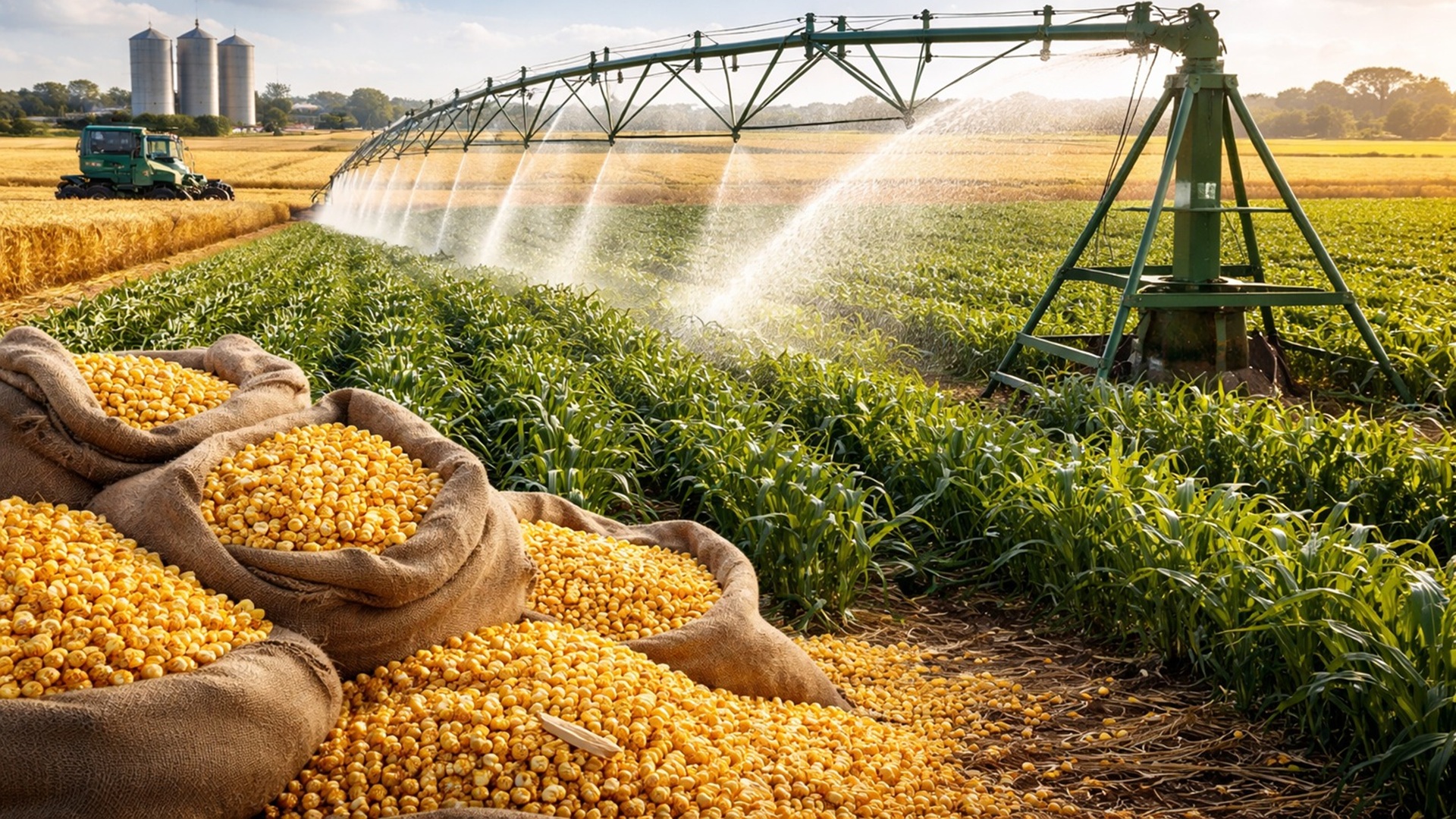
Meeting Held on March 11 Brought Together Federal Government, Rio Grande do Sul Government and Agricultural Sector Representatives to Discuss Expansion of Irrigation in the State After Losses of 48.6 Million Tons of Grains and Economic Impact Estimated at R$ 319.2 Billion Between 2020 and 2025
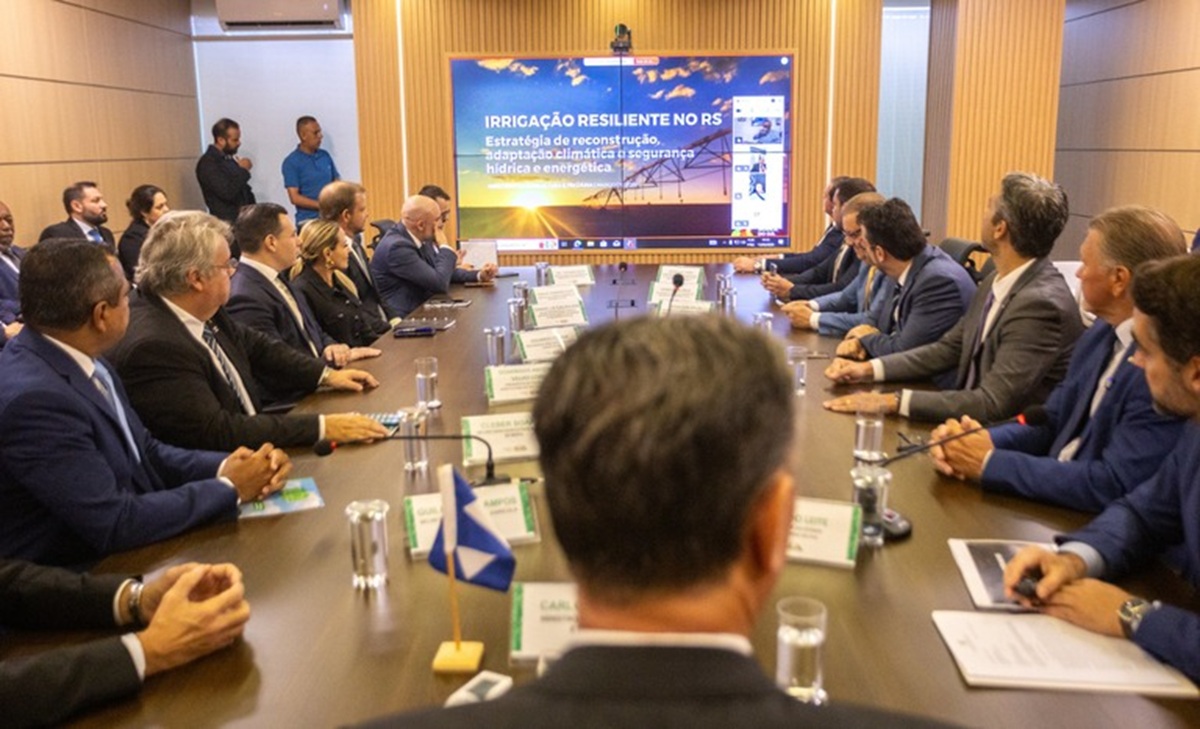
The Minister of Agriculture and Livestock, Carlos Fávaro, met this Wednesday (11) with the Governor of Rio Grande do Sul, Eduardo Leite, to discuss the expansion of irrigation in the state as a strategy to reduce the impacts of recurrent droughts on agricultural production.
Meeting Discusses Expansion of Irrigation to Face Droughts in the State
The meeting had the participation of the Secretary of Agriculture of Rio Grande do Sul, Edivilson Brum, and the President of the Federation of Agriculture of Rio Grande do Sul (Farsul), Domingos Velho Lopes. The focus of the meeting was strategies to expand irrigation and reduce the effects of frequent droughts on agricultural production in the state.
During the meeting, the governor presented the “Resilient Irrigation in Rio Grande do Sul” project. The proposal aims at expanding the irrigated area and investments in water infrastructure to strengthen the water and energy security of agricultural production.
-
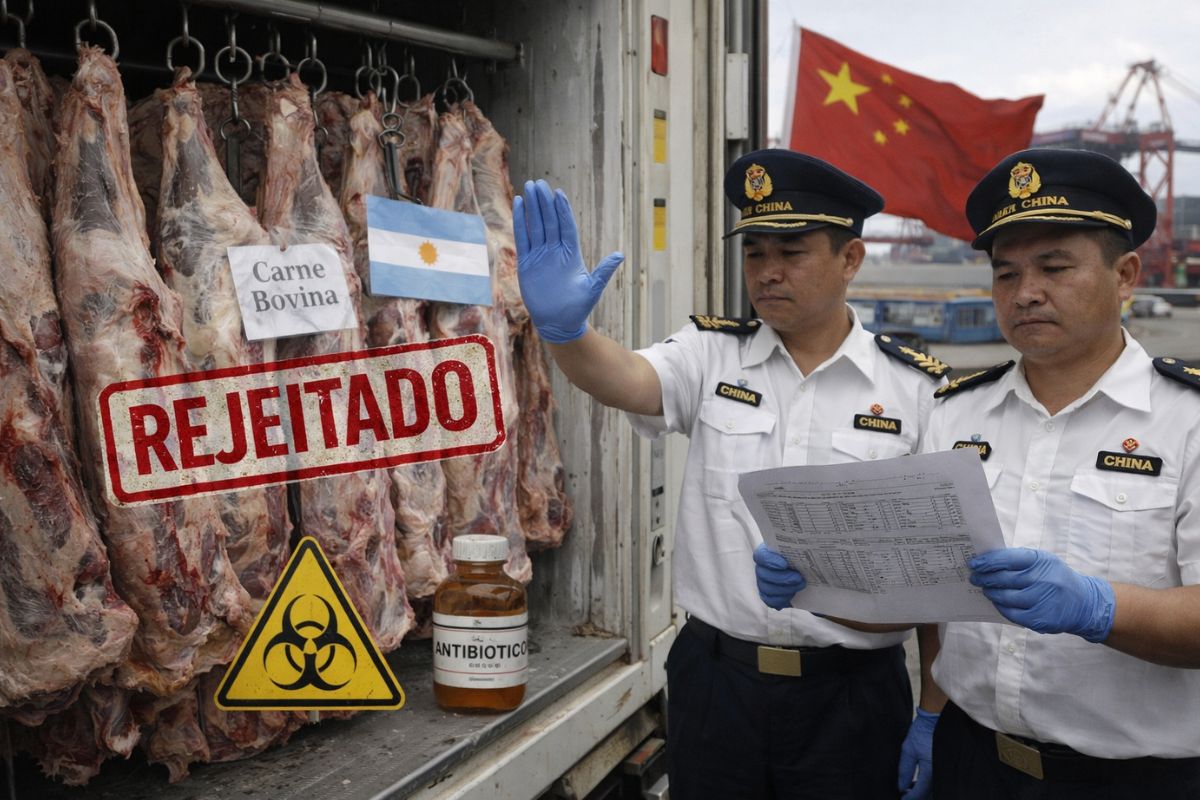
China rejected an entire shipment of beef from Argentina after detecting an antibiotic so dangerous that it has been banned for human consumption for over 30 years, and now the export sector is facing a crisis of international trust.
-
With nearly 500 thousand tons per year, barley production is growing in Brazil, while a decline in beer consumption among Generation Z raises alarms in the sector.

-
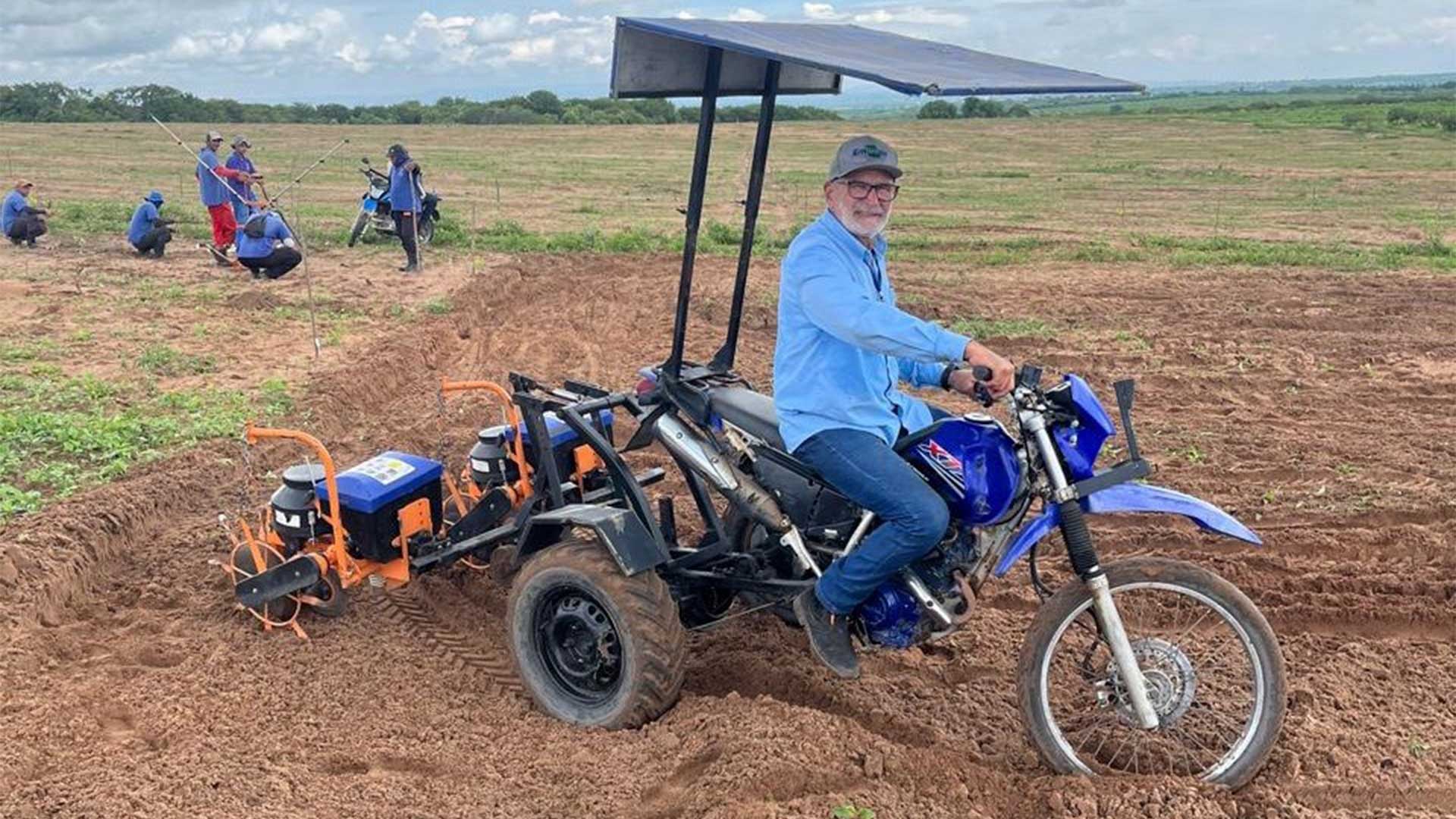
With tractors out of reach for small producers, a tricycle created by Embrapa Algodão becomes a cheap and efficient solution and gains national prominence.
-
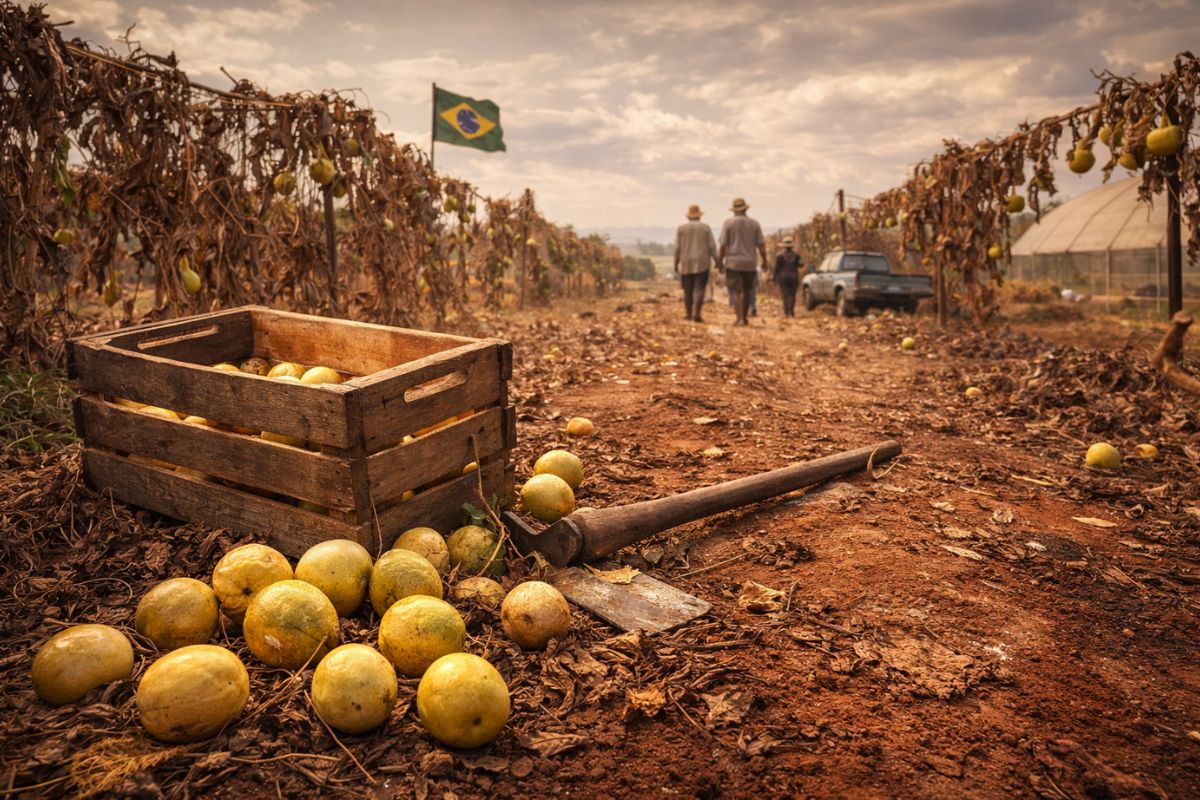
From 130 producers in the year 2000 to just 15 today: the dramatic decline of passion fruit in Araguari shows how the lack of labor in the Brazilian countryside is killing a decades-old agricultural tradition, even with Brazil being the largest producer in the world.

According to the state government, the initiative seeks to increase the predictability of production and enhance the adaptability of the agricultural sector in the state to extreme climatic events. The proposal also aims to reinforce the stability of agricultural activity during drought periods.
Irrigation Is Identified as a Tool for Adaptation to Climatic Crises
During the meeting, Minister Carlos Fávaro emphasized the importance of cooperation among different institutions to address the impacts of climatic crises on agriculture.
He highlighted the political and institutional mobilization promoted by the state government around the expansion of irrigation.
Fávaro stated that the climate crisis has already turned into an economic problem that requires structural measures. According to him, the Ministry of Agriculture is available to offer technical support and opinions related to the proposals presented.
The minister also emphasized the importance of irrigation and mentioned experiences observed in other regions of the country. He referred to systems that use water from aquifers and stated that the rational use of water is essential to ensure the efficiency and longevity of these models.
Data Show Economic Losses Caused by Droughts
When presenting the project, Governor Eduardo Leite highlighted the economic impacts caused by recurrent droughts in Rio Grande do Sul. He stated that between 2020 and 2025, the state lost 48.6 million tons of grains.
According to the governor, producers missed out on approximately R$ 126.3 billion in revenue from crops such as rice, corn, soybeans, and wheat. The total economic impact reached R$ 319.2 billion in Gross Domestic Product, an amount equivalent to approximately 49% of the state’s GDP in 2023.
The numbers presented indicate the direct impact of droughts on agricultural production and the regional economy. The proposal for expanding irrigation aims to reduce losses caused by crop failures and extreme climatic events.
Expected Results Include Increased Productivity and Economic Stability
Among the expected results with the expansion of irrigation are the preservation of the productive potential of the crops and the reduction of losses caused by droughts.
The project also aims to increase average productivity and improve the quality of grains produced in the state.
Another expectation presented is the reduction of dependence on grains from other states. This measure may particularly benefit the animal protein chain, which relies on grains as input for production.
According to the proposal presented, the expansion of irrigation can also contribute to greater regional economic stability. The initiative aims to strengthen the productive capacity of the agricultural sector in the face of adverse climatic events.
Authorities and Sector Representatives Attended the Meeting
The meeting also included the participation of Federal Deputy Afonso Hamm and the Chief Secretary of the Civil House of Rio Grande do Sul, Arthur Lemos.
Also participated the Executive Secretary of Management, Maria Ester Gazalle, and the Executive Secretary of the Representation Office of Rio Grande do Sul in Brasília, Henrique Pires.
Present were the Deputy Secretary of Finance, Itanielson Cruz, the Attorney General of the state, Eduardo Cunha, and the Governor’s Chief of Staff, Col. Euclides Neto. The Director of Economics and Statistics, Tomás Pinheiro, also attended the meeting.
Representing the Ministry of Agriculture, the Deputy Executive Secretary Cleber Soares and the Secretary of Agricultural Policy, Guilherme Campos, participated. Other leaders and parliamentarians joined the meeting virtually.








Seja o primeiro a reagir!