





 English
  Francês
  Alemão
  Italiano
  Japonês
  Norueguês
  Portuguese
  Spanish
  3 min of reading


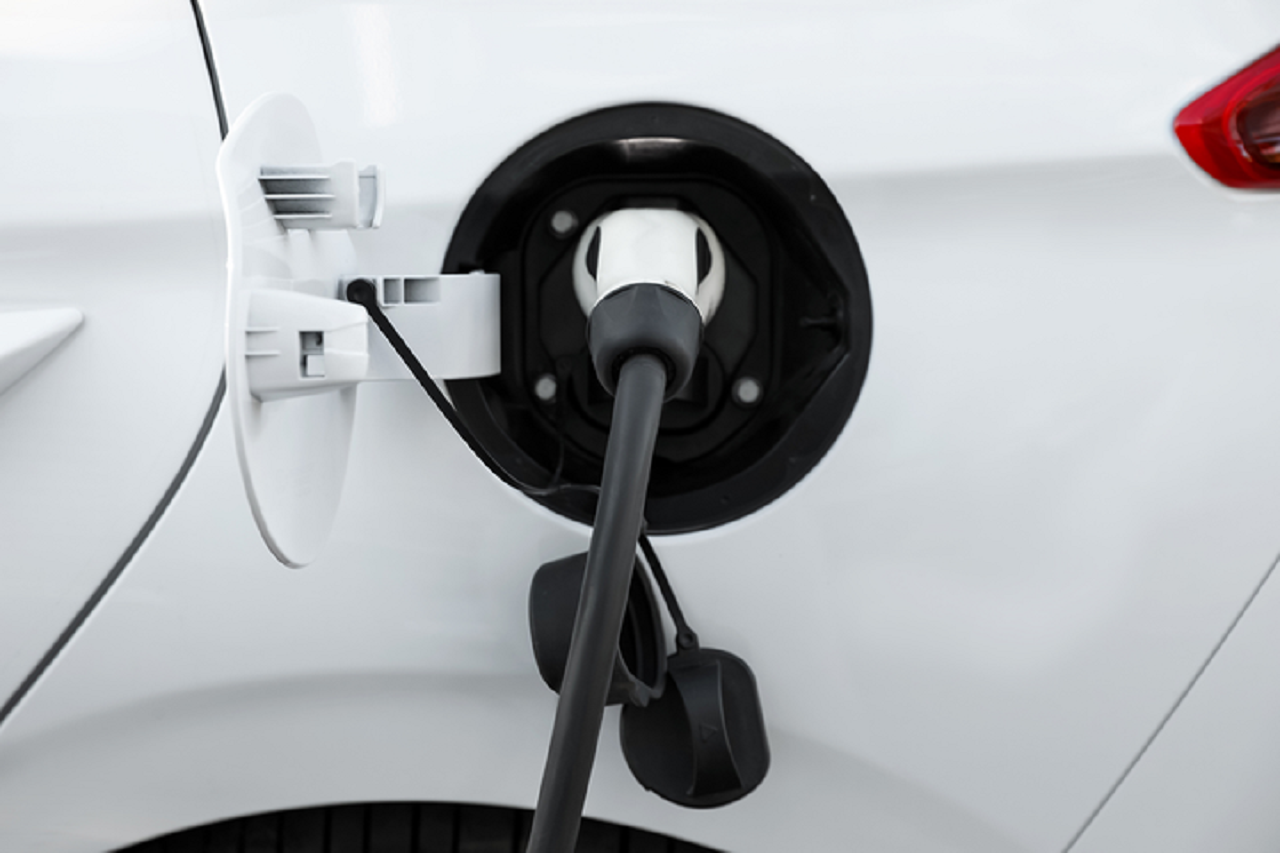
With Stricter Rules and a Deadline for Adaptation Until 2027, Large Manufacturers in the Automotive Market Need to Race to Apply at Least One Hybrid Car in Their Portfolios, Seeking to Establish an Overall Average of Pollutant Emission
Charging new pollutant emission limits since January this year, the seventh phase of the Vehicle Emission Control Program – Proconve has stirred up the national automotive market. Proconve caused about 60 cars and 15 engines to be discontinued in 2021. In the coming years, the rules will become even stricter, and brands will have to do the impossible to comply with what the eighth phase of the program will demand, expected to come into effect in mid-2025. The idea is that all combustion cars in Brazil become hybrid cars.
Also Read
Proconve Is Being Strict with Manufacturers and Vehicle Manufacturers to Curb Pollutant Emissions
The Proconve L8 will be divided into three phases, with the first planned for 2025, the second for 2027, and the last for 2029. In all phases, without exception, the government will demand new maximum limits for pollutant emissions, corporately, from all manufacturers.
The intent is to make manufacturers understand that it is necessary to carry out such an operation generally in the automotive market, not individually by manufactured model. According to the director of emissions at the Brazilian Automotive Engineering Association (AEA), Raquel Mizoe, even in the seventh phase, any type of conventional passenger car sold in the country, from a Kwid to a Commander, must comply with the same emissions ceiling established, which is 80 mg/km of Nmog + Nox for passenger cars; 140 mg/km for light commercial flex models, such as pickups, vans, and furgons; and 320 mg/km for diesel utility models. It is worth noting that the acronym Nmog, translated from English, means non-methane organic gases. The acronym Nox refers to nitrogen oxides.
-
Engineers propose a fourth traffic light for intersections – the change promises to affect crossings, queues, and waiting times.

-
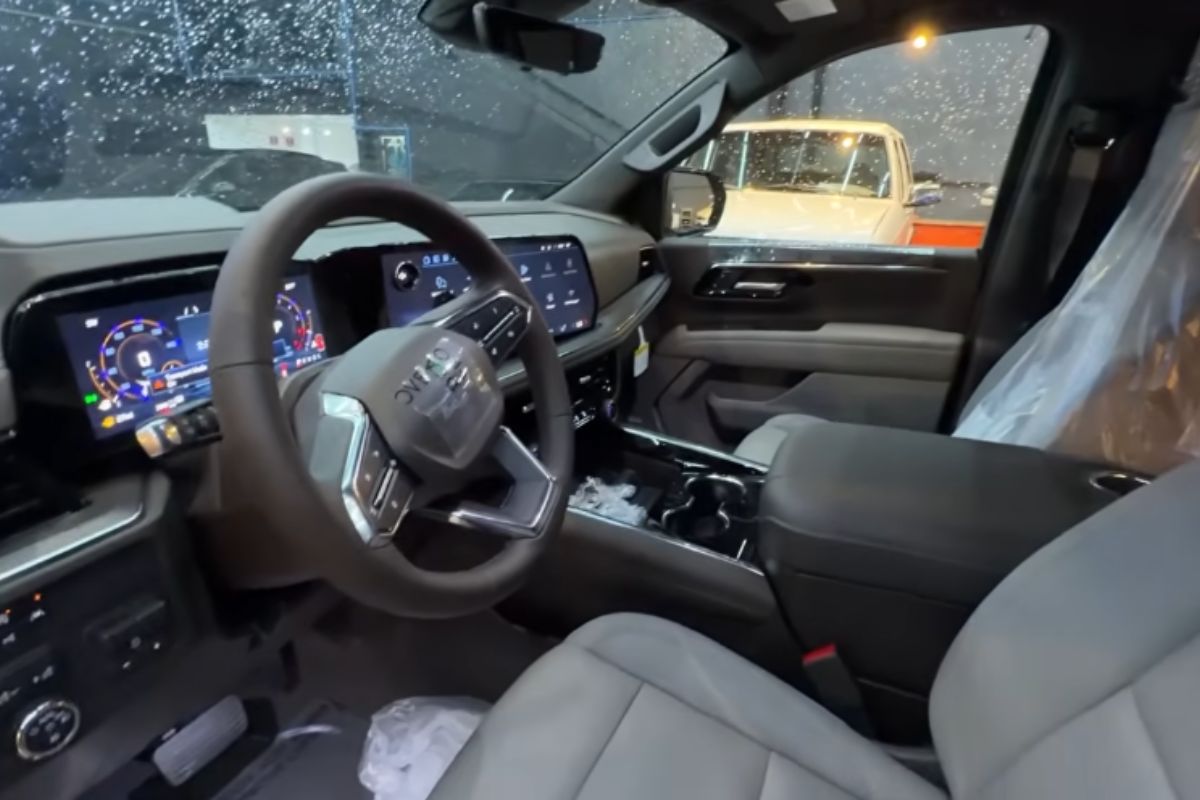
Chevrolet Suburban Z71 lands in Brazil with a V8 engine, off-road design, air suspension, seven seats, and colossal size, a rare version imported for around R$ 1.3 million with luxury and exclusivity.
-
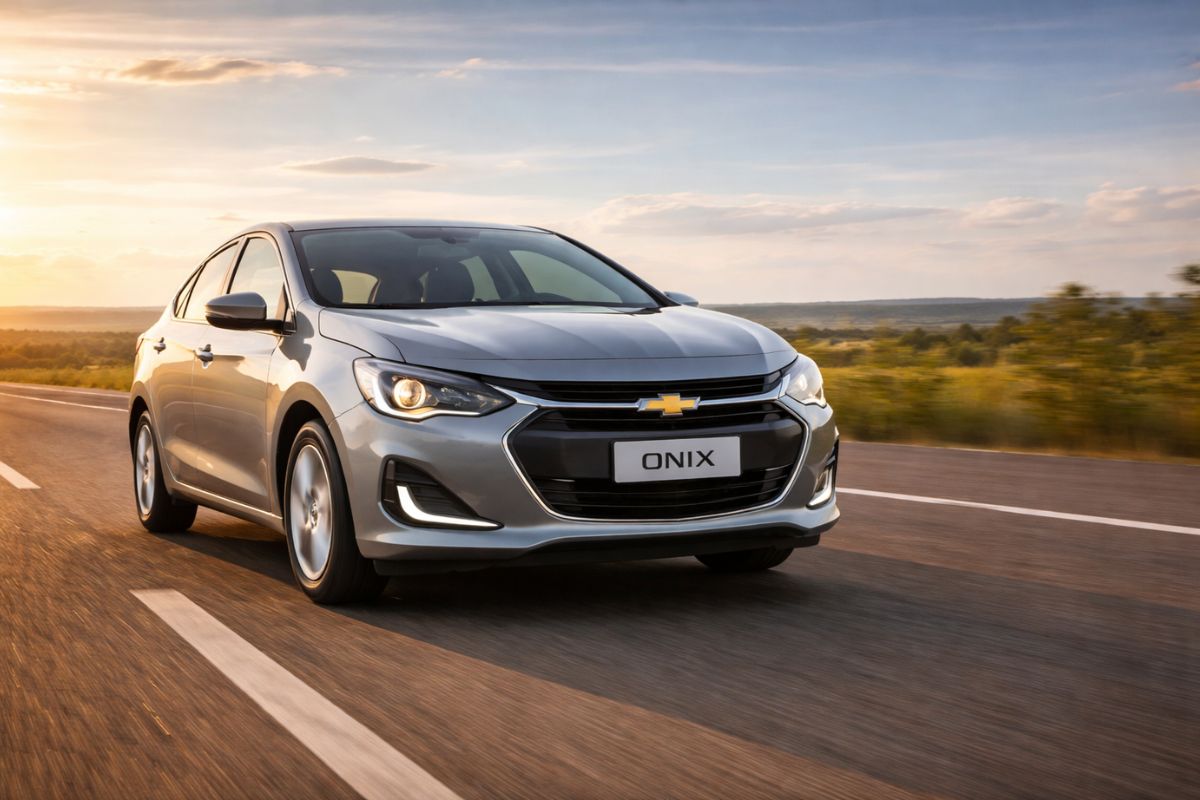
The Chevrolet Onix 1.0 turbo achieves 17.7 km per liter on the highway and ranks among the three most economical cars in Brazil in 2026, alongside two more expensive Toyota hybrids available at dealerships.
-
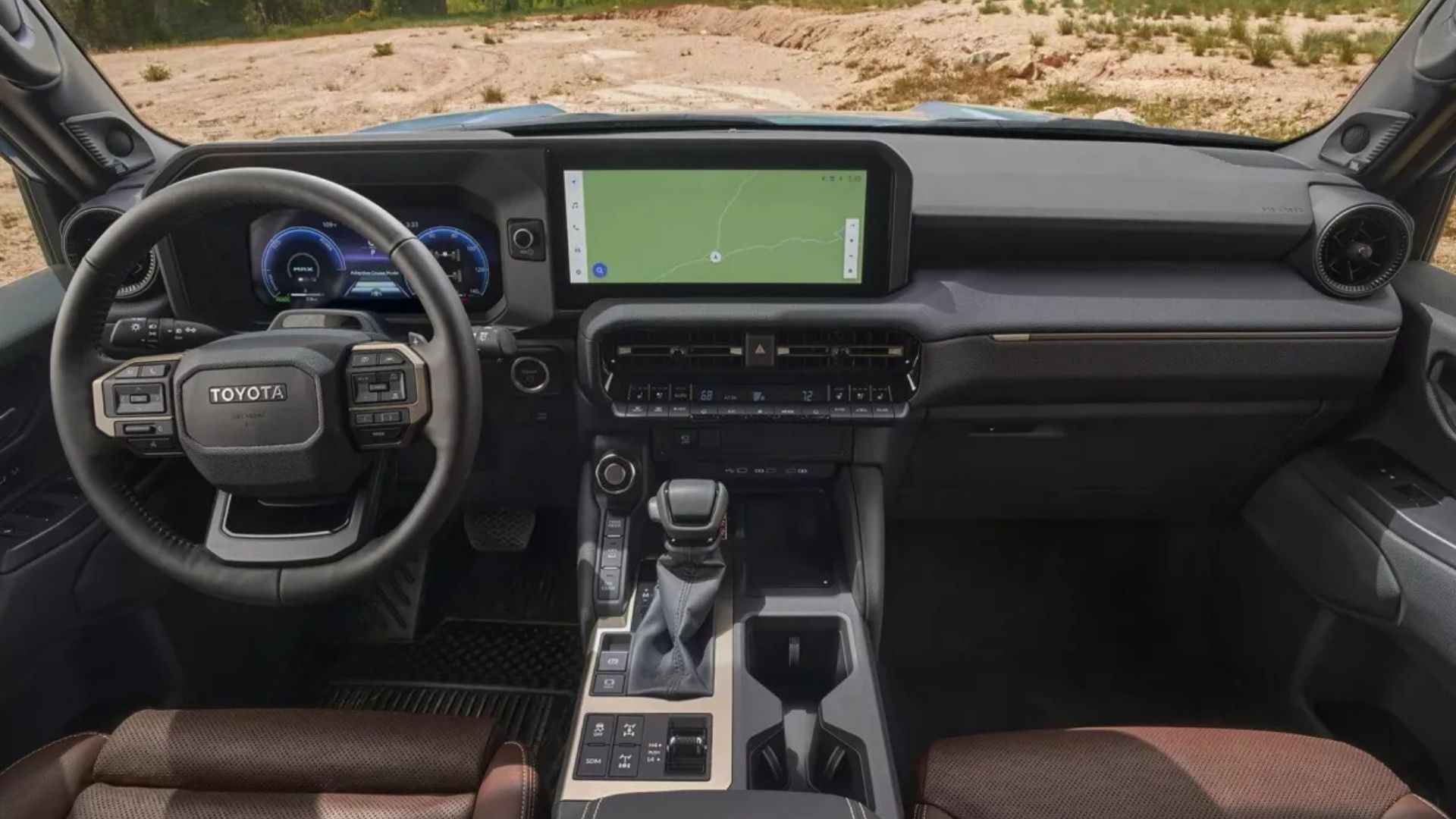
Little sister of the Hilux: Toyota launches Land Cruiser FJ with 4 radical versions, 2.7 engine with 166 hp and 4×4 traction with locking.

Automotive Manufacturers Must Adapt to New Changes by 2027, When Proconve Is Expected to Become Even Stricter
The measures imposed by Proconve will be charged based on an average of all automobiles or light commercial flex vehicles from the same manufacturer. Proconve is requiring that the portfolios of automotive brands have an equivalent average of emissions for all.
According to the AEA director, the application of technologies inherent to combustion engines, such as turbo or direct fuel injection models, will help in aligning automobiles to the parameters of the first phase in 2025.
A suggestion is to convert these combustion vehicles to hybrid versions, creating a catalog only with hybrid cars, based on the old line models as well as electric cars.
Brands Are Already Mobilizing to Meet Proconve’s Requirements
With all this pressure, Toyota is already planning to have at least one hybrid car within all lineages that will be sold in Brazil by 2025. The models in sight are the upcoming compact SUV Yaris Cross, which is a flex hybrid car, as well as the Corolla and Corolla Cross versions, the Hilux pickup, and the seven-seat SUV SW4, which will be hybrid cars powered by diesel.
Another major manufacturer has been developing its own engine for hybrid flex cars: Volkswagen. They will implement it in at least six models by 2026. Stellantis will also produce hybrid and 100% electric cars in Brazil.








Seja o primeiro a reagir!