





 Portuguese
  English
  Spanish
  2 min of reading



Marine Diesel Was Not Designed for Use in Motor Vehicles and May Cause Harm to Consumers
The change in ANP Resolution, Resolution No. 903/2022, which establishes the specifications for fuels for marine use and their marketing restrictions, was accepted today (3/2) by the ANP Board and will be included in the Agency’s Regulatory Agenda. As part of the planned change, marine diesel oil will need to be colored.
The idea aims to prevent the illegal sale of marine diesel oil, clearly distinguishing it from on-road S10 diesel oil. The ANP has heard that some companies are marketing marine fuel as if it were on-road due to the price difference, giving them an unfair advantage.
Specifications of Marine Diesel Oil
Marine diesel, which can contain up to 0.5% sulfur (5,000 mg/kg of sulfur), was not designed for use in motor vehicles and can cause engine problems and damage to the after-treatment system. As a result, it may lead to greater emissions of gases caused by the combustion of the fuel.
-
The rise in oil prices could ensure an extra revenue of R$ 100 billion for the Federal Government, indicates a recent economic study.

-
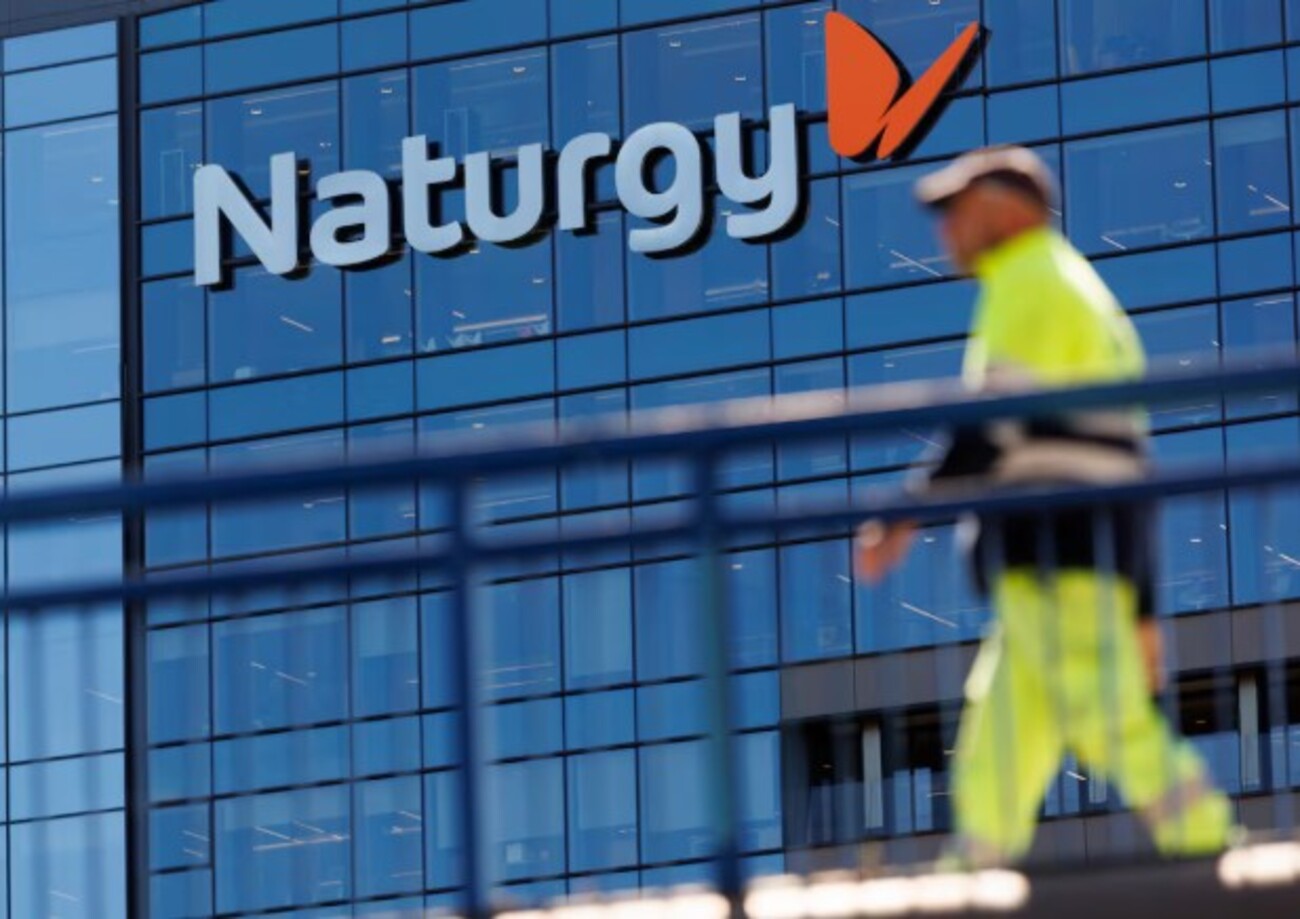
Naturgy begins an investment of R$ 1.6 million to expand the gas network in Niterói and benefit thousands of new residences and businesses.
-
A major turn in the Justice system suspends tax increases and directly impacts oil and gas companies in Brazil by affecting costs, contracts, and financial planning, leaving uncertain what could happen to the sector if these costs had increased.

-
Brava Energia begins drilling in Papa-Terra and Atlanta and could change the game by reducing costs in oil while increasing production and strengthening competitiveness in the offshore market.


To this end, the ANP has begun to study the feasibility of coloring marine diesel. The Agency’s Technical Research and Analysis Center (CPT) conducted the research, and its findings suggested the use of a violet dye.
Refer to ANP Resolution No. 903/2022 for more information on this topic. The ANP may initiate the process of this review, which will include new consultations and a public hearing, once included in the Regulatory Agenda.










Seja o primeiro a reagir!