





 Portuguese
  English
  Spanish
 3 min of reading


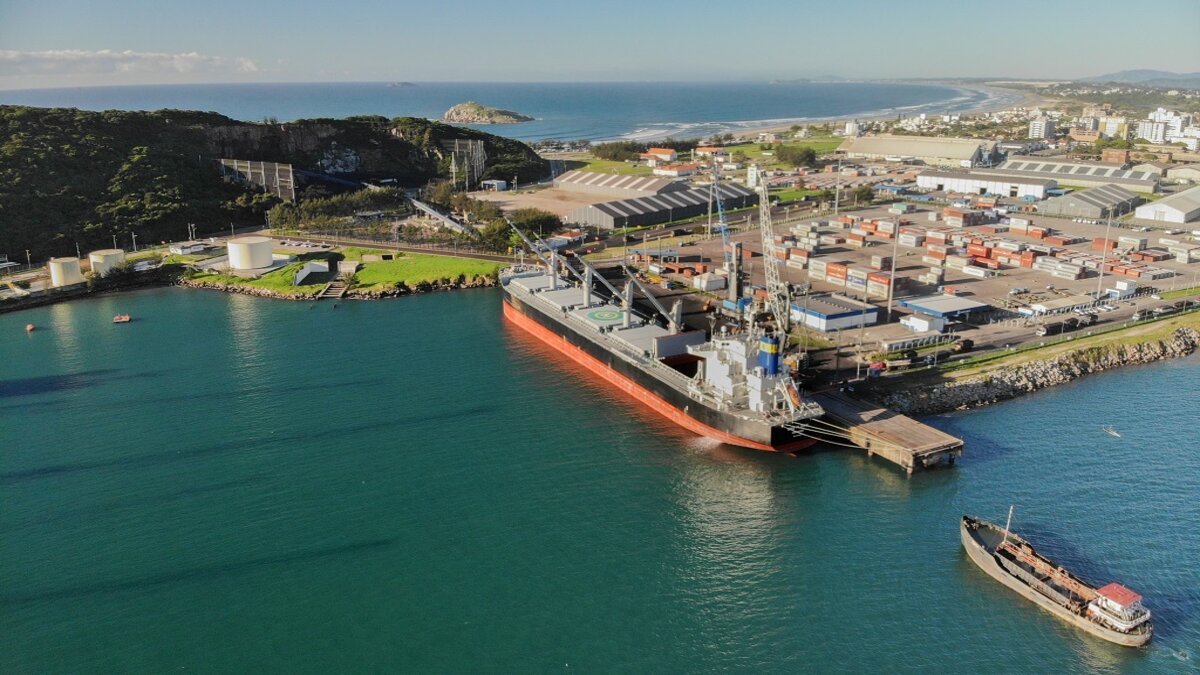
The Port of Imbituba Will Be the Newest Port to Have Potential to Receive Larger Ships. The Port Terminal Was Built More Than 40 Years Ago, and Will Now Undergo Reforms on Its Pier 3 That Will Be Divided Into Four Phases and Are Expected to Be Completed in 30 Months.
Last Monday (07/11), it was announced that Pier 3 of the Port of Imbituba will undergo reforms that will enable the terminal to have the potential to receive large vessels. The port is responsible for about 30% of the cargo movement in the Imbituba area and will maximize its operations.
For the Work to Be Carried Out, It Was Necessary for the Tender to Be Relaunched
In this sense, the CEO of SCPAR at the Port, Fábio Riera, emphasized that, since the Port of Imbituba is multifunctional, it can handle all types of cargo, despite the predominance of bulk movement at Pier 3; it is not exclusive for that purpose.
“In 2021, 51.4% of the movement handled at this berth was petroleum coke (import and export). The ranking of the largest volumes of cargo handled at the location in the past year also included discharges of salt, fertilizers, and corn, as well as the shipping of iron ore and other products,” said Fábio Riera.
-
With 74% of companies facing difficulties in hiring, technicians and engineers in renewable energy are becoming scarce in Brazil and are essential to support the expansion of solar, wind, and green hydrogen projects.

-
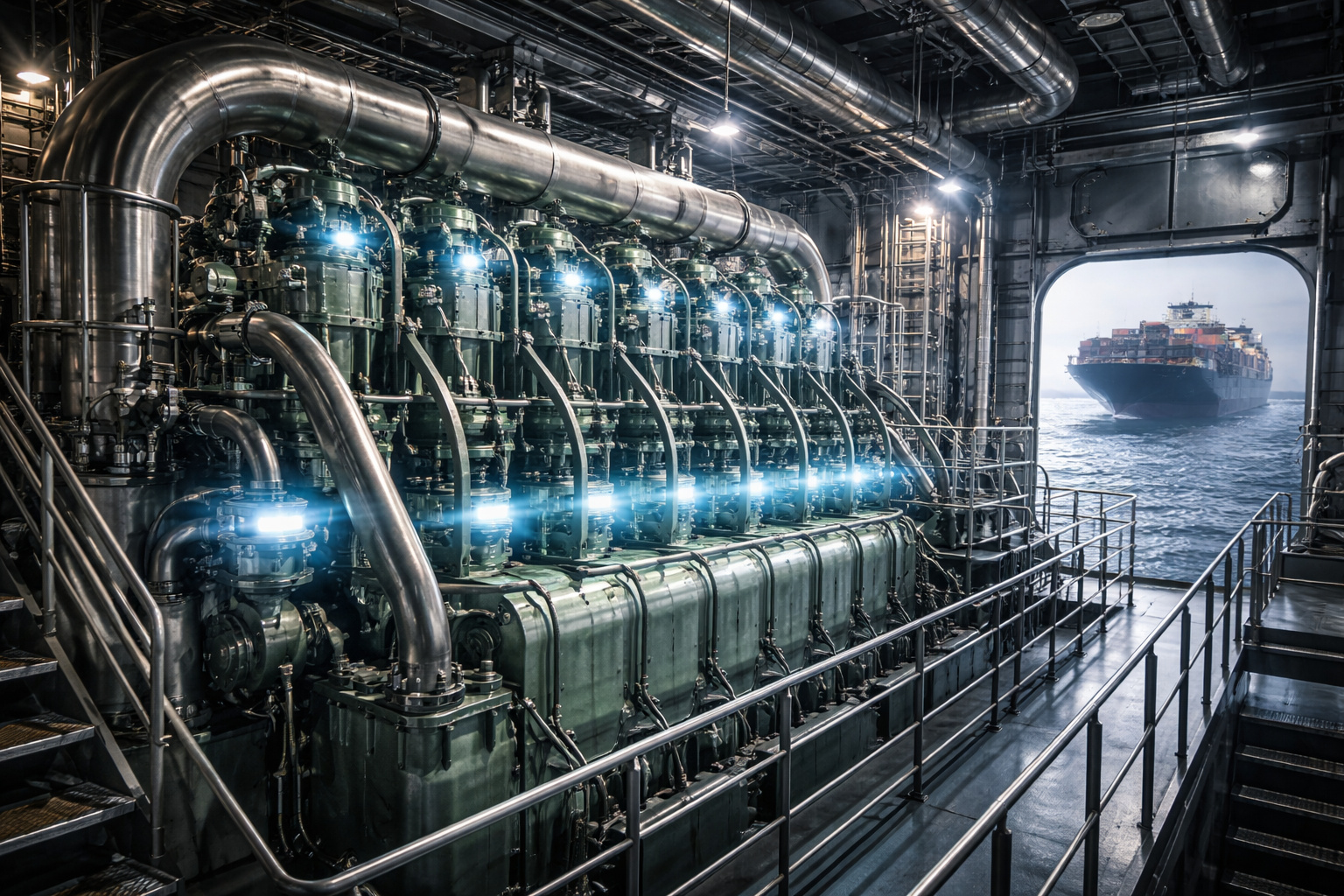
Europe is trying to create an ammonia-powered marine engine without auxiliary fuel, which could unlock the race for giant emission-free ships. The technology aims to eliminate one of the biggest obstacles to clean maritime propulsion.
-
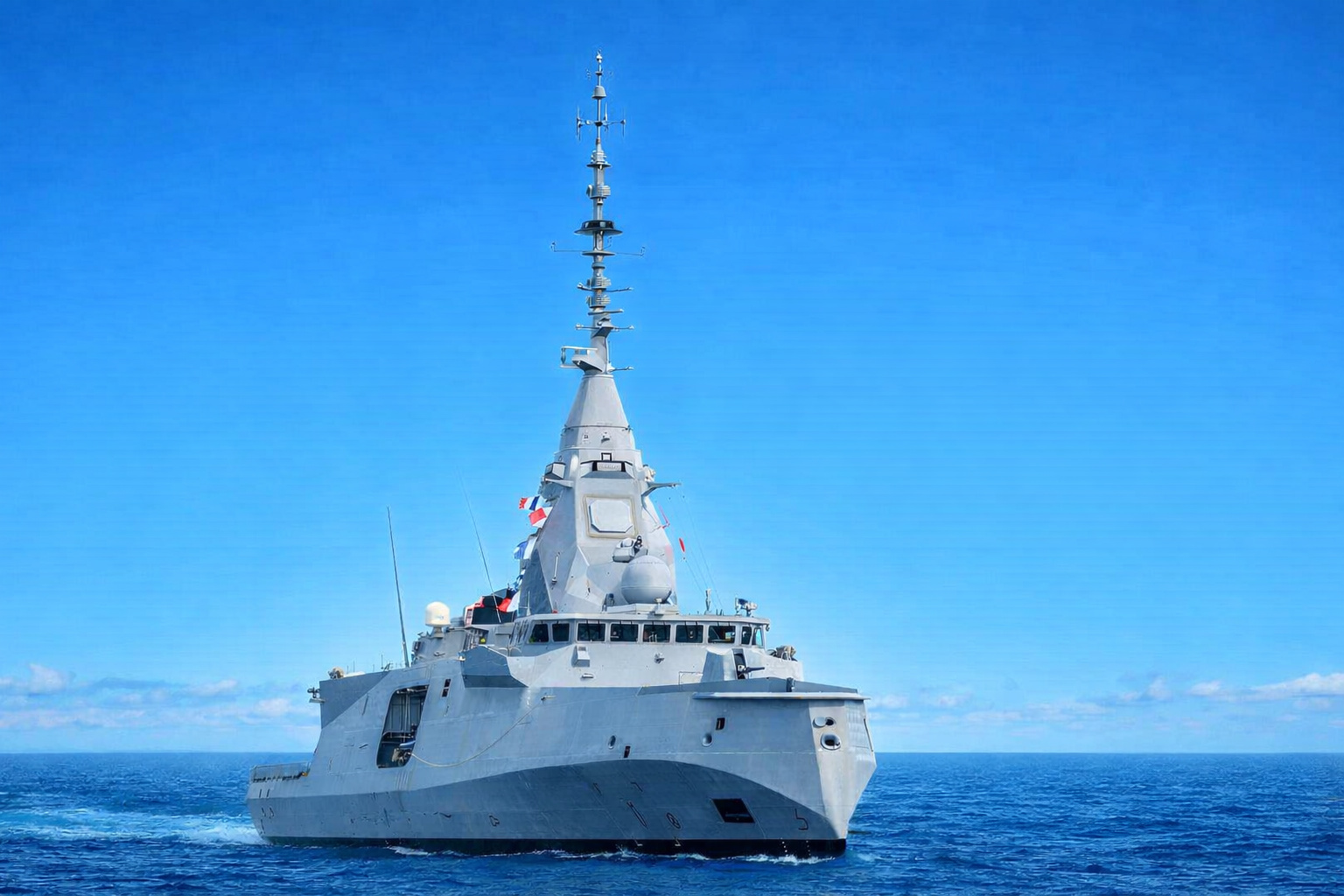
A 4,500-ton frigate with just over 100 crew members, state-of-the-art radar, and cruise missiles is being touted as the new standard of naval warfare in the 21st century.
-
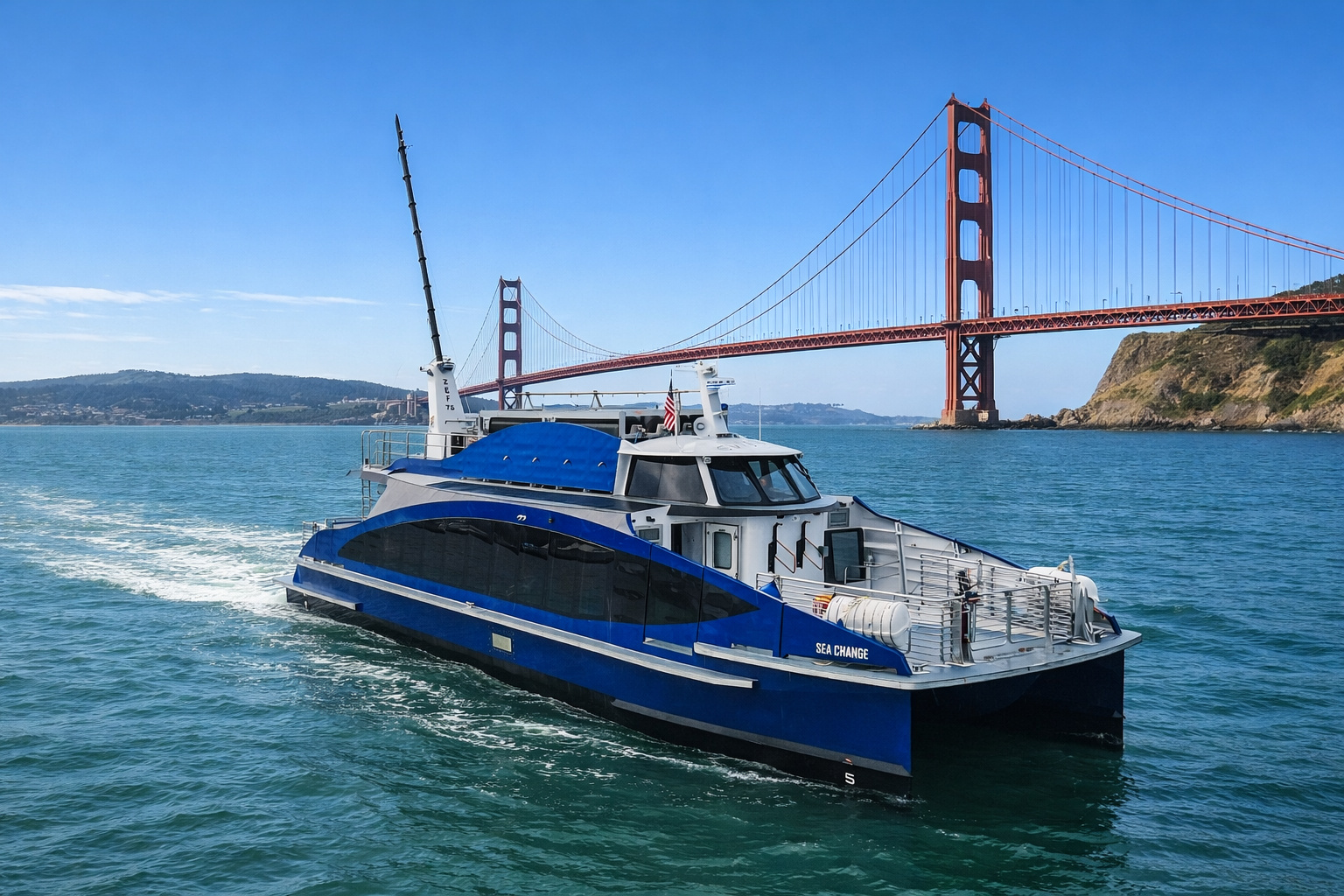
The first commercial hydrogen-powered ferry enters operation in the U.S., eliminates the use of diesel, uses fuel cells to generate clean energy on board, and transforms San Francisco Bay into a landmark of the new era of emission-free navigation.

The work is expected to be carried out in four phases. Riera reported that two berthing/mooring dolphins should be constructed to allow the continuity of vessel operations at the site during the initial phases of the work. Riera also stated that activities at Pier 3 will only be interrupted in the last stage of the reform, and the expectation is that it will take up to five months.
According to Riera, other contingency reforms are already being planned, such as the installation of a dolphin at the end of Pier 2, expanding the berthing area of Berths 1 and 2, thereby providing an option for vessels using Pier 3. The study is also advancing to convert the side of Pier 2 into a new berth.
Learn More About the Cargo Movement and What Investments Will Be Made in the Port’s Reform
In 2021, Pier 3 accounted for about 32.5% of the volume of cargo at the port terminal of Imbituba, representing approximately 2.24 million tons of all movement recorded by the port during this period, confirming the terminal’s importance to the region.
“At Pier 3, we can currently receive vessels up to 205 meters in length (LOA). The vessels served come from various origins and destinations, depending on the handled cargo. For instance, in 2021, petroleum coke mainly originated from and was sent to the United States. Meanwhile, salt is imported from Chile, and barley malt, corn, and wheat were primarily unloaded from Argentina and Uruguay,” said Riera.
As for the estimated investments, the CEO of SCPAR emphasized that the amount cannot be disclosed due to restrictions established by Article 34 of Law 13.303/2016 (State Companies Law). According to him, the winning company will need to perform superficial and deep restorations on the concrete.
Furthermore, the company will also need to lay rigid pavement in part of the back area and reinforce the supporting piles, which will widen the berth by approximately 2.5 meters, in addition to readjusting the drainage and constructing two berthing/mooring dolphins. He confirms that the work will not be cheap, but it will ensure a lot of efficiency.








Seja o primeiro a reagir!