





 Portuguese
  English
  Spanish
  4 min of reading
  0 comments


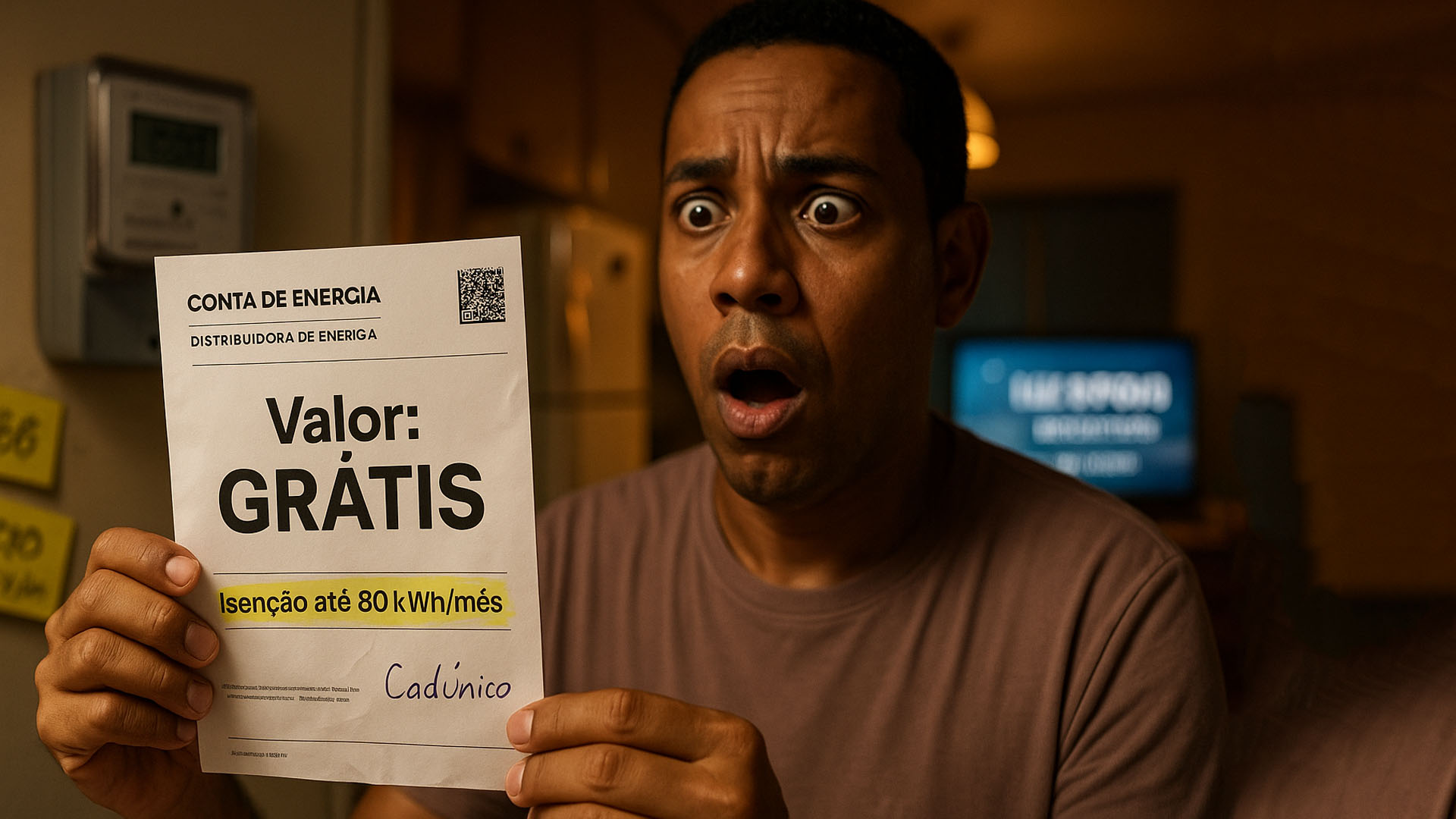
New Law Makes Total Exemption Up to 80 kWh/Month Permanent for Families in CadÚnico and Creates Social Discount for Another Tier Starting in 2026; Understand Who Is Eligible, Deadlines, and Costs.
The president Luiz Inácio Lula da Silva enacted on this Wednesday (Oct 8, 2025) the law that converts MP 1.300/2025 into the Light of the People program, making the exemption from electricity tariff permanent for low-income families consuming up to 80 kWh/month. The ceremony took place at the Palácio do Planalto.
The change has been in effect since July 5, 2025, when the MP came into force, and now has definitive legal backing. According to the government, the exemption is expected to benefit around 60 million people, while a social discount will reach another 55 million in the next phase.
With the enactment, Brazil consolidates a policy of combating energy poverty and tariff justice, serving a historically vulnerable public regarding electricity costs.
-
Even facing a shortage of professionals, the construction industry generated 31,099 formal jobs in February, once again driving the labor market in Brazil and showing that it still fuels the economy.

-
IR 2026 will affect those who have crypto: the Revenue Service receives monthly data, pre-filled forms pull even cashback from Mercado Pago, and exchanging Bitcoin for USDT becomes a taxable sale; declare correctly or fall into scrutiny.

-
In Paraná, long-life milk prices rise by 17% and powdered milk by nearly 9%, but producers still receive R$ 2.10 while the market charges R$ 7; middlemen keep the difference and are awaiting a price adjustment.

-
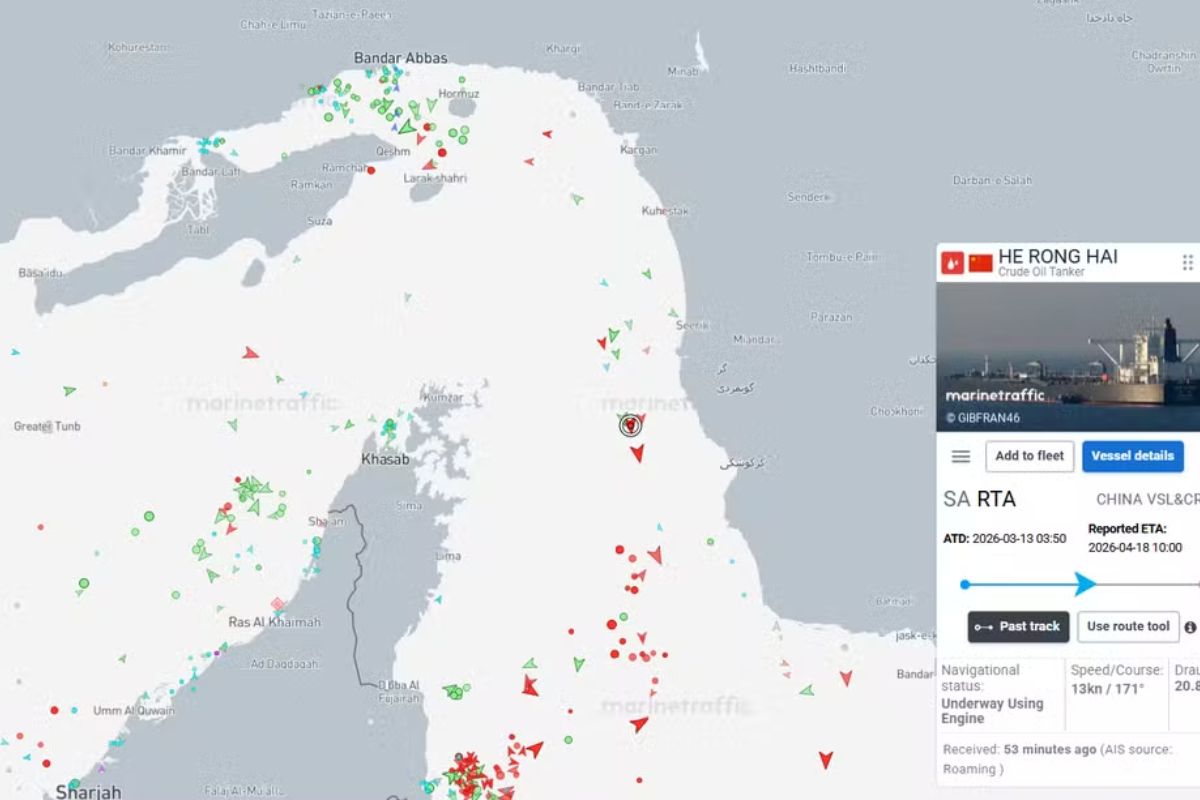
Two Chinese supertankers chartered by Asia’s largest refiner have just crossed the Strait of Hormuz and may be the first to leave the Persian Gulf since the ceasefire between the United States and Iran on a route that still has mines and uncertainties.
What Changes in the Electricity Bill
The central rule is straightforward: families registered in CadÚnico with a monthly consumption of up to 80 kWh do not pay the electricity tariff. If consumption exceeds 80 kWh, only the difference above the limit is paid. The application is automatic for those who qualify.
Starting on January 1, 2026, the second phase begins: average discount of ~12% for families in CadÚnico with per capita income between ½ and 1 minimum wage and consumption of up to 120 kWh/month, through exemption from the CDE in this bracket. Objective: to create a transition between beneficiaries of the social tariff and consumers already paying the full tariff.
Points removed from the original MP, such as differentiated tariffs by time and topics related to free market residential matters, will be discussed in another legislative conversation.
Who Is Eligible and How the Exemption Will Be Applied
Eligible for total exemption up to 80 kWh/month:
— Families in CadÚnico with per capita income ≤ ½ minimum wage.
— Elderly and people with disabilities beneficiaries of the BPC.
— Indigenous and quilombola families registered.
— Residents in isolated systems (mainly in the North region). The application is automatic by distributors, based on CadÚnico.
For the income bracket of half to one minimum wage per capita, the social discount via exemption from the CDE will apply up to 120 kWh/month starting in 2026, benefiting tens of millions of additional people.
In practice, 4.5 million families are expected to have their bill completely zeroed, within the universe of 17 million families eligible for the exemption, according to official estimates.
When It Starts and How the Processing Was
The MP 1.300/2025 came into effect on July 5, 2025. The Congress approved the text on September 17, 2025, just before it would expire, and sent it for enactment. The law was enacted on October 8, 2025.
The Senate approved the PLV 4/2025 with 49 votes to 3 (and 3 abstentions), maintaining the exemption up to 80 kWh/month and consolidating the policy focused on low income.
With the enactment, the social tariff ceases to be a provisional measure and gains legal stability, an important condition for planning by distributors and predictability for beneficiary families.
How Much It Costs and Who Pays: The Role of the CDE
The funding will come from the Energy Development Account (CDE), a charge shared among consumers and used for sector policies. The Planalto estimates a cost of up to R$ 10 billion/year for the program.
Estimates cited by the press break down the amounts: R$ 3.6 billion/year for the exemption and R$ 850 million/year for the social discount, with an average impact projected at 0.9% and 0.53% on the bills of other consumers. The government also mentions a review of subsidies for incentivized sources over the next few years to alleviate the CDE. These are projections and may vary according to regulatory decisions.
Debates in the Legislative have raised concerns about the overall burden of subsidies in the CDE, currently exceeding R$ 50 billion, and warnings regarding the sustainability of the model. This issue will continue to be discussed in ANEEL and in Congress.
Share your opinion: is the zeroed electricity bill for low income a historical correction or does it transfer too much cost to other consumers via CDE? What do you think of the discount up to 120 kWh in 2026? Comment below whether the measure improves tariff justice or creates new distortions in the system.







-

Uma pessoa reagiu a isso.