





 Portuguese
  English
  Spanish
  3 min of reading
  0 comments


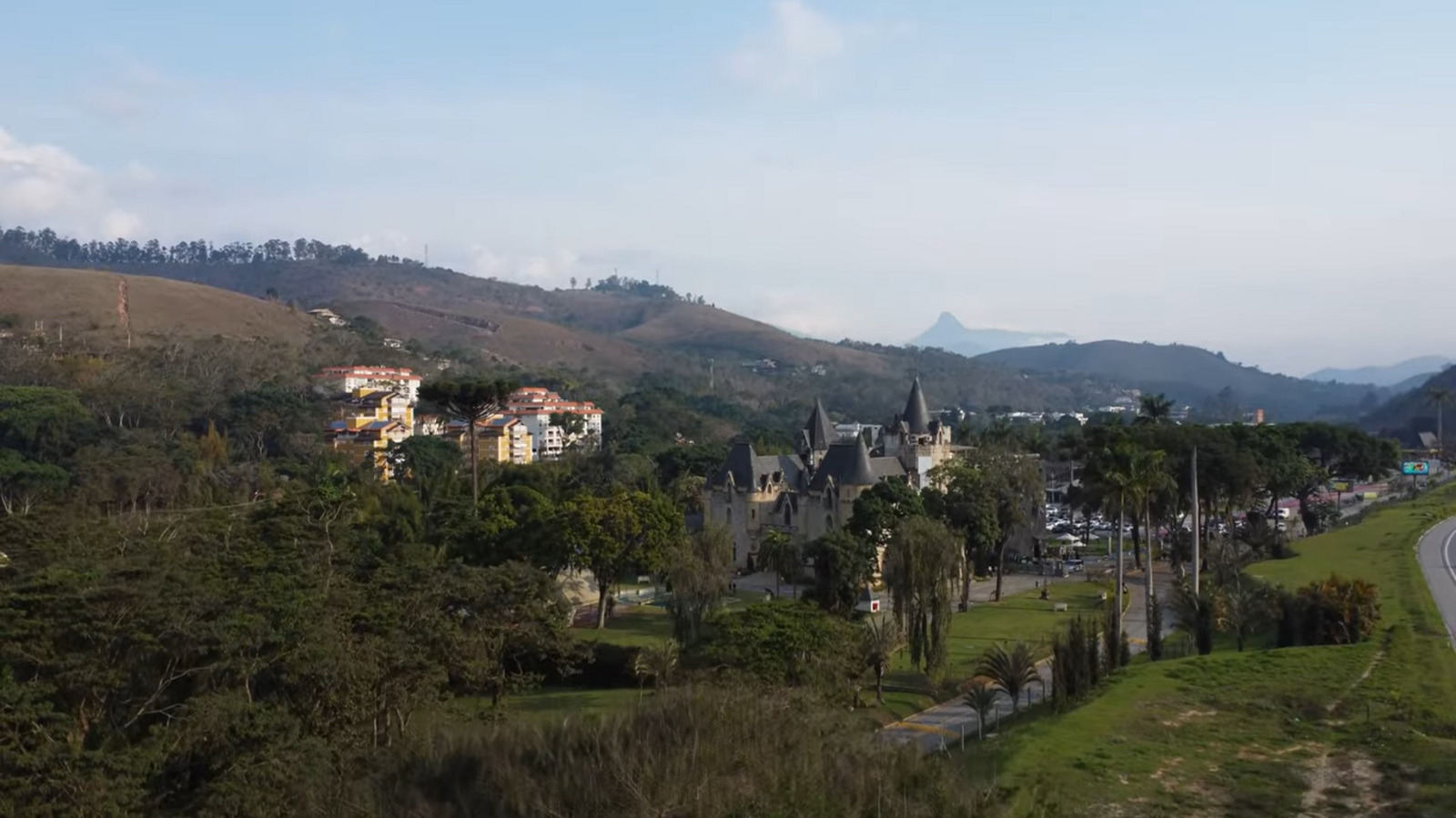
68 km from Rio, Petrópolis combines imperial legacy, historical museums, mountain climate, brewing tradition, and attractions concentrated in a walkable center
Petrópolis is located 68 km from Rio de Janeiro and, in about 1h15 through the mountains, brings together palaces, museums, mild climate, brewing tradition, and a historic center that can be explored on foot, maintaining since 1843 one of the most remarkable ensembles in the state.
Foundation and imperial layout
The origin of Petrópolis dates back to 1822, when Dom Pedro I passed through the mountainous region of Rio de Janeiro on his way to Minas Gerais and was enchanted by the climate of the Atlantic Forest.
In 1830, he purchased the Fazenda do Córrego Seco, but did not take advantage of the property. The land passed to Dom Pedro II, who signed the decree founding the city on March 16, 1843.
-
G2 level geomagnetic storm hits Earth on May 15 and may illuminate New York, Wisconsin, and Washington with a rare aurora borealis.

-
With 502 meters in length, 13,500 tons, and the capacity to move 29,000 cubic meters per hour, the giant machine impresses in German mining.

-
12,000-year-old rock art in Arabia reveals 176 engravings and signs of a lost culture in the Saudi Arabian desert

-
Lost temple in Egypt resurfaces after 2,200 years and reveals a 35-meter circular basin dedicated to the mud god Pelusium in Pelusium



The urban project was led by the German engineer Julius Friedrich Koeler, responsible for bringing European immigrants, building the palace, and designing the streets that shaped the landscape of Petrópolis.
This layout explains the symmetrical mansions, open-air canals, and the preserved European atmosphere. In 2025, the Imperial City received about 1.3 million tourists in the first half of the year.
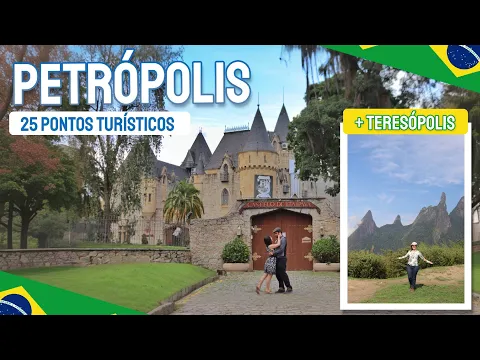

Attractions concentrated in the center
The historic center concentrates a large part of the itinerary within a walkable radius in one morning. Avenida Koeler, surrounded by mansions and canals, serves as the main axis of visitation.
The Imperial Museum occupies a neoclassical palace built between 1845 and 1862, where the imperial family spent the summer. To protect the original Carrara marble floor, visitors wear slippers.
Among the collection pieces is the crown of Dom Pedro II, adorned with 639 diamonds and 77 pearls.
The Cathedral of São Pedro de Alcântara, built in 1884 in French neo-Gothic style, houses the Imperial Mausoleum with the remains of Dom Pedro II, Dona Teresa Cristina, and Princess Isabel.
The house of Santos Dumont, nicknamed “The Enchanted,” was designed by the inventor in 1918. The external staircase only allows ascending with the right foot. The property has been listed by IPHAN since 1952.
The Quitandinha Palace, inaugurated in 1944 as a former casino, now functions as a cultural center. The Crystal Palace, imported from France in 1884, continues to host exhibitions and events.
Beer and events drive the city
Petrópolis also occupies a central place in the history of beer in Brazil. In 1853, German immigrant Henrique Leiden founded Cervejaria Bohemia, the first brewery in the country.
The former headquarters of Bohemia, located in the center, operates as an interactive museum with a beer tour and tasting. The connection between memory, production, and tourism has become a hallmark of the city.

In 2017, the Legislative Assembly of Rio de Janeiro granted Petrópolis the official title of State Capital of Beer. Currently, the region is home to more than 20 craft breweries.
Among the mentioned brands are Odin, Duas Torres, and Brewpoint. Bauernfest, considered the second largest German culture festival in Brazil, attracts over 500,000 people in three weeks.
Climate, gastronomy, and access
The altitude of 800 meters ensures milder temperatures than on the coast throughout the year. In winter, Petrópolis enters high season, with hotels nearing 80% occupancy as early as May.
The gastronomy blends German heritage with mountain ingredients. Restaurants are spread between the center and Itaipava.
To leave Rio de Janeiro, just follow 68 km along BR-040, in a journey of about 1h15. Buses from Viação Única depart from Rodoviária Novo Rio frequently throughout the day.
Those coming from São Paulo travel approximately 420 km along Via Dutra to the entrance of the mountains. In Petrópolis, imperial history, beer, mild climate, and walkable streets continue to be gathered in an entire itinerary.
With information from Correio Braziliense.


Be the first to react!