





 Portuguese
  English
  Spanish
  4 min of reading
  0 comments


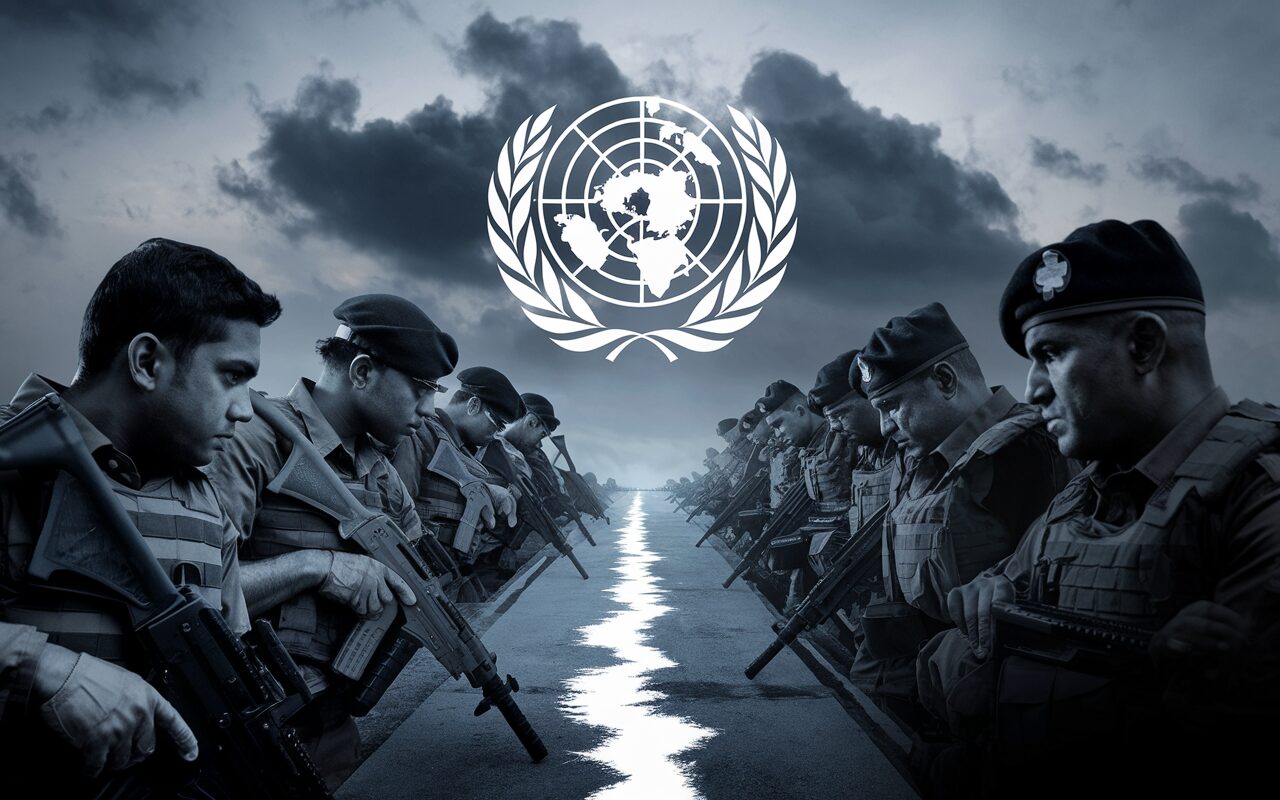
Tensions Between India and Pakistan Escalate; UN Calls for Urgent Restraint to Prevent Escalation in One of the Most Militarized and Instable Regions in the World.
Indian and Pakistani soldiers exchanged fire on Thursday, 24, in the Kashmir region, heightening tensions between the two neighbors at one of the most delicate moments in recent years. The incident comes after a “terrorist” attack that killed at least 26 tourists on the Indian side of Kashmir, reigniting instability in one of the most militarized zones in the world.
The United Nations (UN) made an appeal for India and Pakistan to exercise “maximum restraint” and resolve their differences through dialogue. “We strongly urge both governments to exercise maximum restraint and ensure that the situation and developments we have seen do not deteriorate further,” said UN spokesman Stéphane Dujarric at a press conference.
Attack on Tourists Increases Tension in Kashmir
The attack occurred on Tuesday, 22, when militants opened fire on a group of tourists returning from the Baisaran Valley in Pahalgam, on the Indian-controlled side of Kashmir. A group that calls itself “Kashmir Resistance” claimed responsibility for the action. Indian police believe the group is linked to Lashkar-e-Taiba, an organization classified as a terrorist group by New Delhi.
-
USA and China compete for Brazil over resources that could be worth trillions — rare earths put the country at the center of a global dispute

-
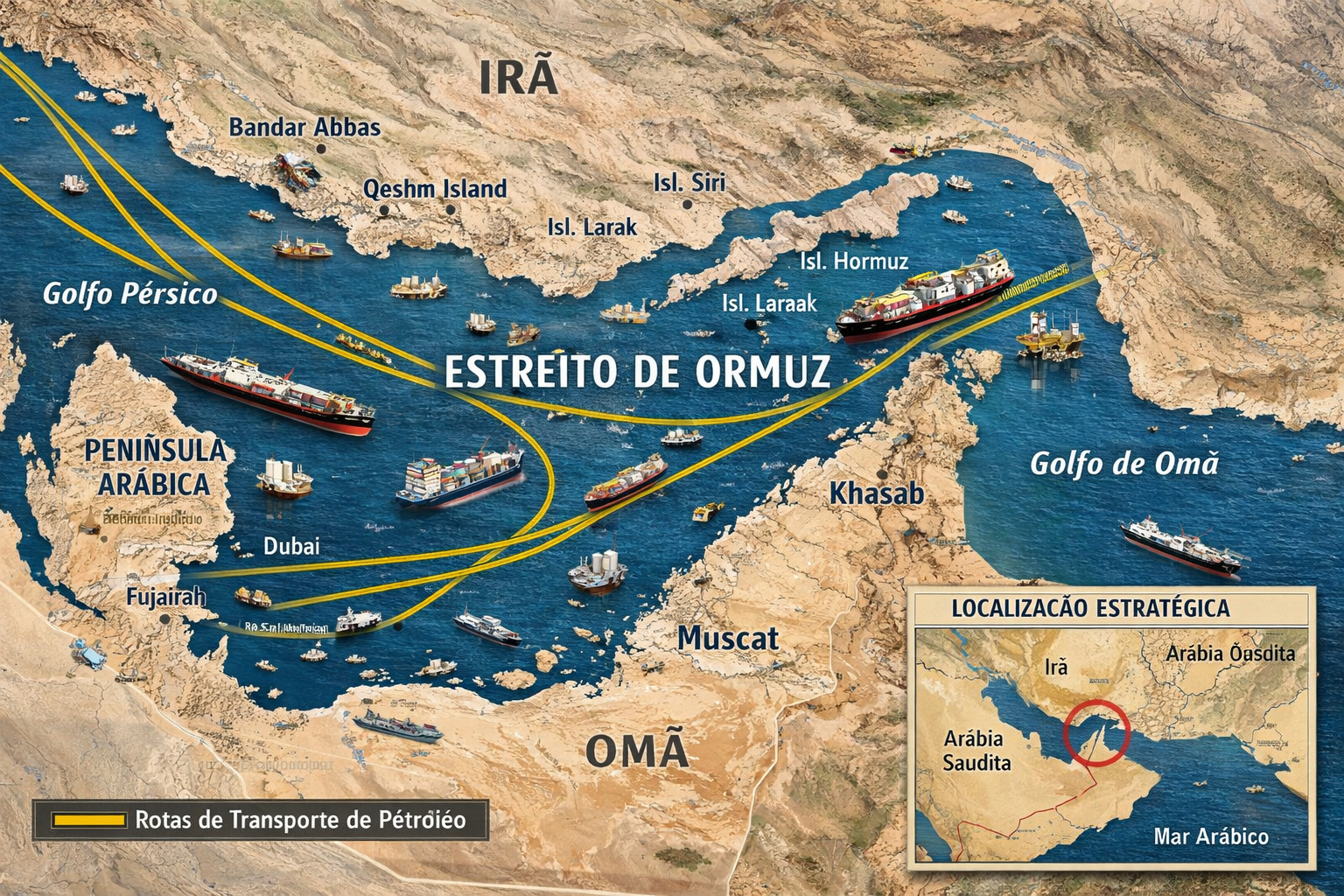
Global summit with over 40 countries pressures Iran for a blockade in the Strait of Hormuz and warns of direct impact on oil, food, and the global economy.
-
Russia has broken the U.S. maritime blockade to send oil to Cuba and is now loading a second ship while Trump says that “Cuba is next” in a possible military action against the island.
-
Spain challenges the USA and closes its airspace for operations against Iran, raising global tension and provoking the threat of a trade rupture.
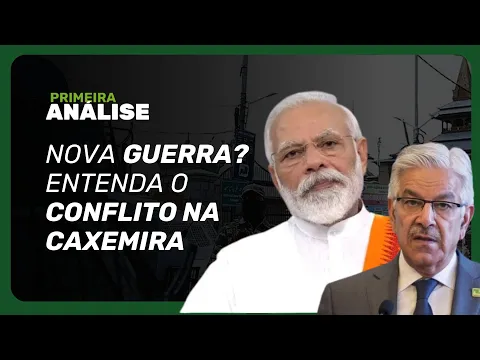

In response to the attack, the Indian government hardened its policies against Pakistan. Among the measures taken are the closure of the land border, the suspension of a water-sharing treaty that directly affects Pakistani agriculture, and the prohibition of Pakistani nationals entering Indian territory.
The Prime Minister of India, Narendra Modi, promised a firm response. “We will identify, track, and punish all terrorists and their supporters. We will pursue them to the ends of the Earth,” Modi stated.
Exchange of Fire and Search Operation
According to Indian Army officials, Pakistani soldiers fired small arms at an Indian detachment in the Leepa Valley. Authorities said Indian forces retaliated, but there were no reports of casualties. The Pakistani government confirmed the exchange of fire and stated that civilian life in the region remains normal, with schools open and activities ongoing.
Meanwhile, the Indian Army initiated a “search and destroy” operation to locate three suspects involved in the attack—one Indian citizen and two Pakistanis. The offensive includes the use of surveillance drones and reinforcement of military presence in the Baisaran Valley.
Authorities also demolished the houses of two alleged militants linked to the attack and released composite sketches of the suspects, offering a reward of 2 million rupees (about R$ 133.4 thousand) for information leading to their capture.
Historic Dispute Over Kashmir
Kashmir has been a region of intense dispute between India and Pakistan since the partition of the territory at the time of India’s independence in 1947. Both countries, endowed with nuclear weapons, control parts of the region but claim the territory in its entirety. Since 1989, the area has been the scene of an insurgency against the Indian government, resulting in tens of thousands of deaths.
Amid this history of conflicts, attacks by militants and military skirmishes are common. However, the recent attack on tourists and the strong response from the Indian government mark a new escalation, which is concerning to the international community.
The UN emphasized that “any issues between Pakistan and India can and must be resolved peacefully through meaningful mutual engagement,” highlighting the risk of exacerbation of the situation, given the history of confrontations and the presence of nuclear weapons in the region.
Regional Consequences and International Concern
India’s decision to suspend the water-sharing treaty may have lasting effects on Pakistan’s agriculture and economy, which largely depends on the rivers that originate in Kashmir. The Pakistani government criticized the measures, labeling them as “frivolous” attempts to tie Islamabad to the attack, denying any involvement.
The current scenario adds more tension to an already unstable relationship between the two countries, at a time when the world is closely monitoring the developments of regional conflicts in other parts of the globe. The UN, along with several international powers, has warned of the need for immediate dialogue to avoid a further deterioration of security in South Asia.
The expectation now is that diplomatic efforts can prevent a broader military escalation, preserving stability in a region that has historically suffered the consequences of prolonged conflicts.
Source: Veja








Seja o primeiro a reagir!