





 Portuguese
  English
  Spanish
  4 min of reading
  0 comments


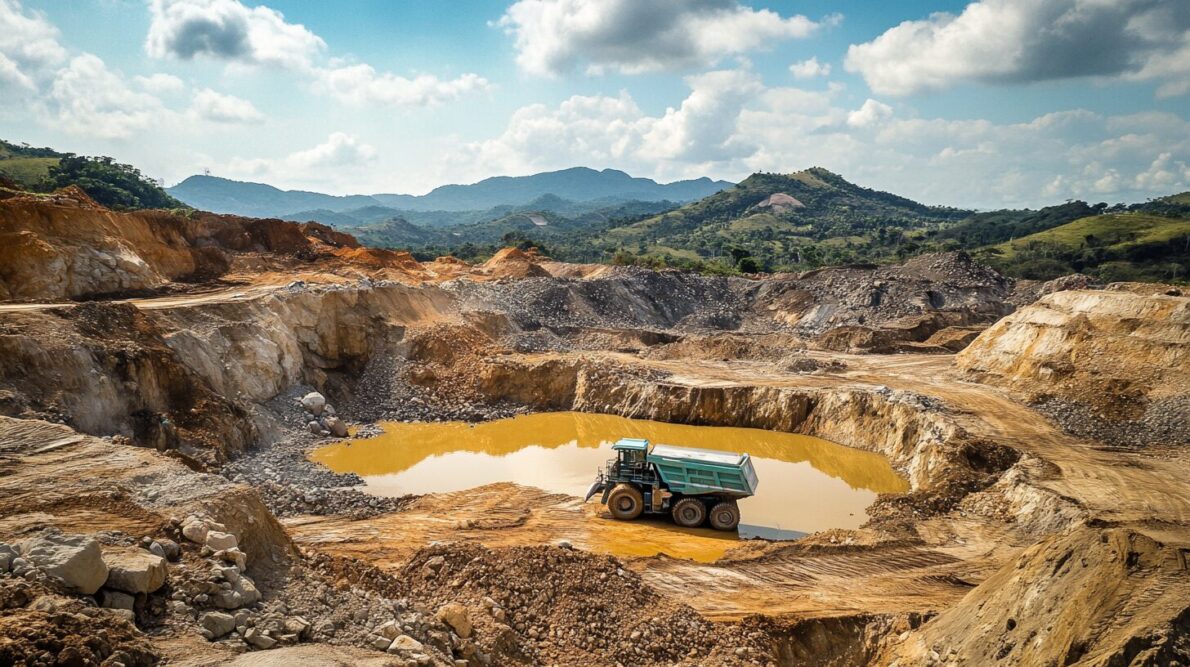
With Lithium Becoming Essential For Electric Car And Electronic Batteries, The Country Prepares To Play A Strategic Role In The Global Industry. Experts Highlight The Importance Of Language Proficiency To Expand The Mining Sector
The Brazil is about to make a significant leap in lithium production. Currently, the country accounts for 2% of global production, but this figure could rise to an impressive 25% in a few years, according to data from consulting firm A&M Infra. The mineral, considered crucial for the energy transition, is widely used in electric car batteries, hybrids, and various electronic products. And with the potential for growth, Brazil is not only positioning itself as a powerhouse in the mining sector, but it also needs to prepare its professionals to handle the international landscape, where proficiency in foreign languages will be essential, according to the site Terra.
The investment expectation in the lithium sector in Brazil is R$ 15 billion by 2030, a number that may be even higher, especially considering the reserves in the state of Minas Gerais and in the Northeast of the country. The government is already aware of the impact of this growth, but beyond the mineral, the country needs to focus on another essential resource: skilled professionals fluent in foreign languages. After all, in a sector as globalized as mining, communication is everything.
Brazil, Mining, And The Lithium Market
Brazil is in a privileged position when it comes to lithium reserves. Minas Gerais, historically known for its mineral wealth, holds the majority of Brazil’s reserves of this mineral, but new discoveries in the Northeast also promise to boost the sector. According to experts, the country has everything to consolidate itself as one of the largest global producers, competing head-on with major players like China.
-
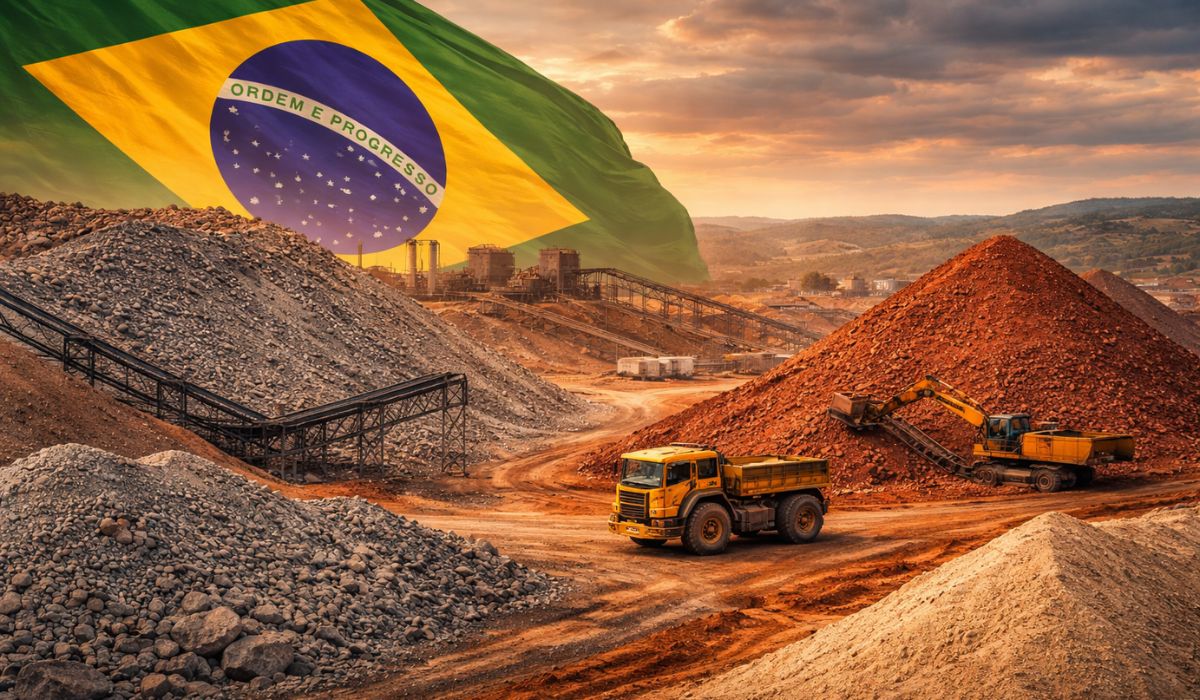
Brazil extracts 26.3 million tons of ore from what was previously treated as waste, transforming residues into wealth, producing over 3 million tons of sand, and demonstrating how national mining is relearning to generate value.
-
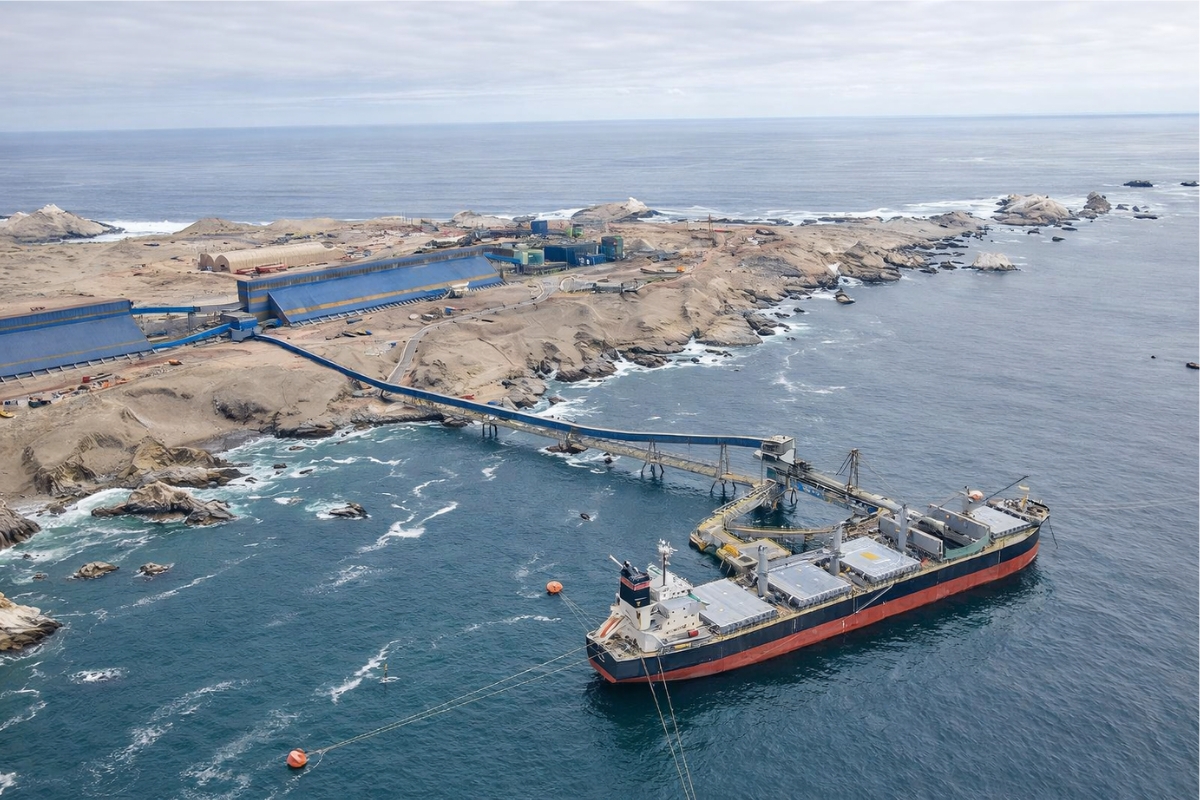
A $3.5 billion megaproject in Latin America pumps desalinated seawater at 1,050 liters per second over 194 km to keep a copper supermine in the Andes operational for another 20 years.
-
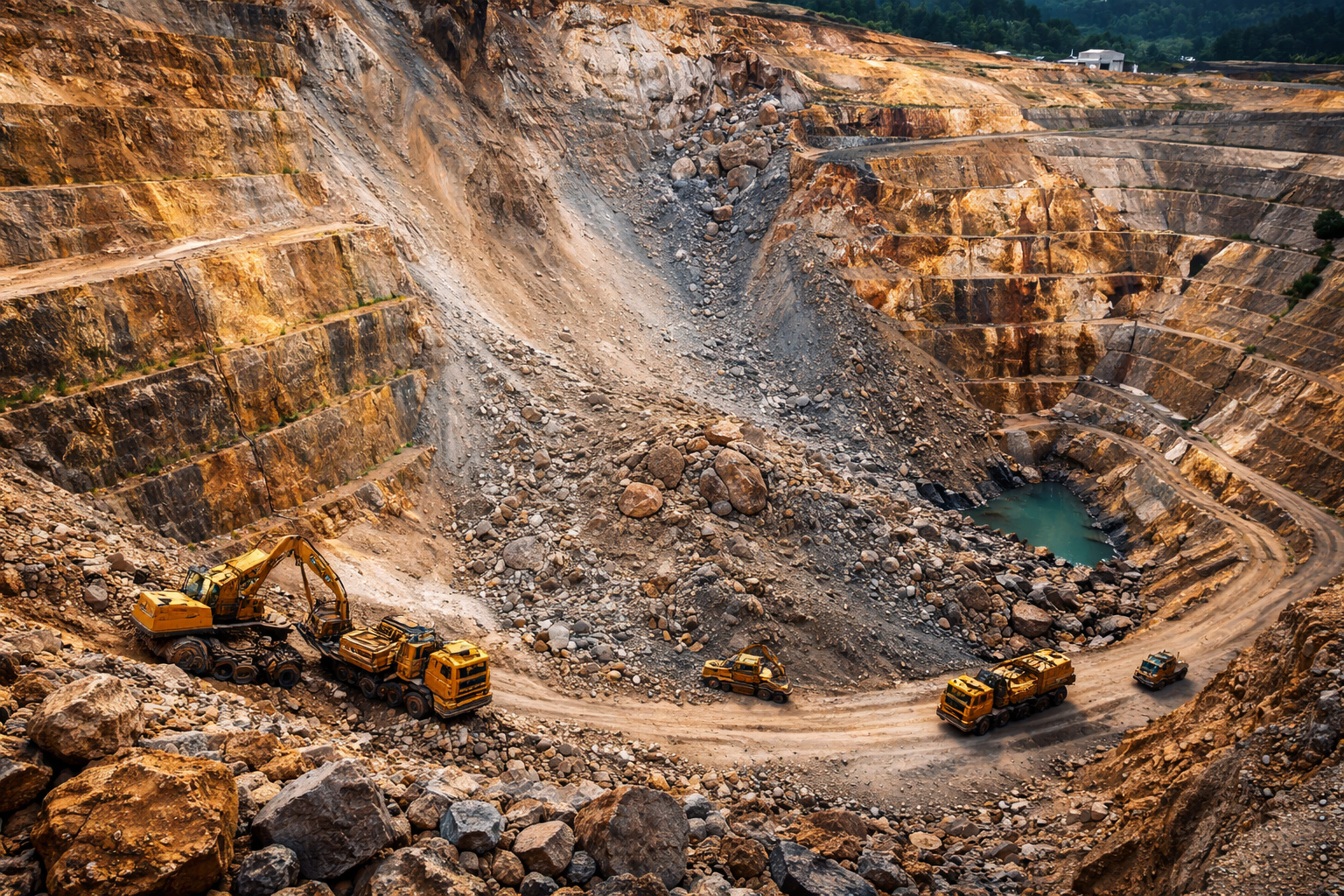
A hidden mine in the Andes valued at nearly R$ 1 trillion is starting to attract global attention, containing copper, gold, and silver, and raises an intriguing question: why do Argentina and Chile need to act together to exploit this gigantic wealth?
-
A silent discovery in the interior of Bahia could change the future of energy in Brazil: a uranium reserve in Lagoa Real has an estimated capacity to produce 400 tons per year and is already attracting the attention of energy sector specialists.
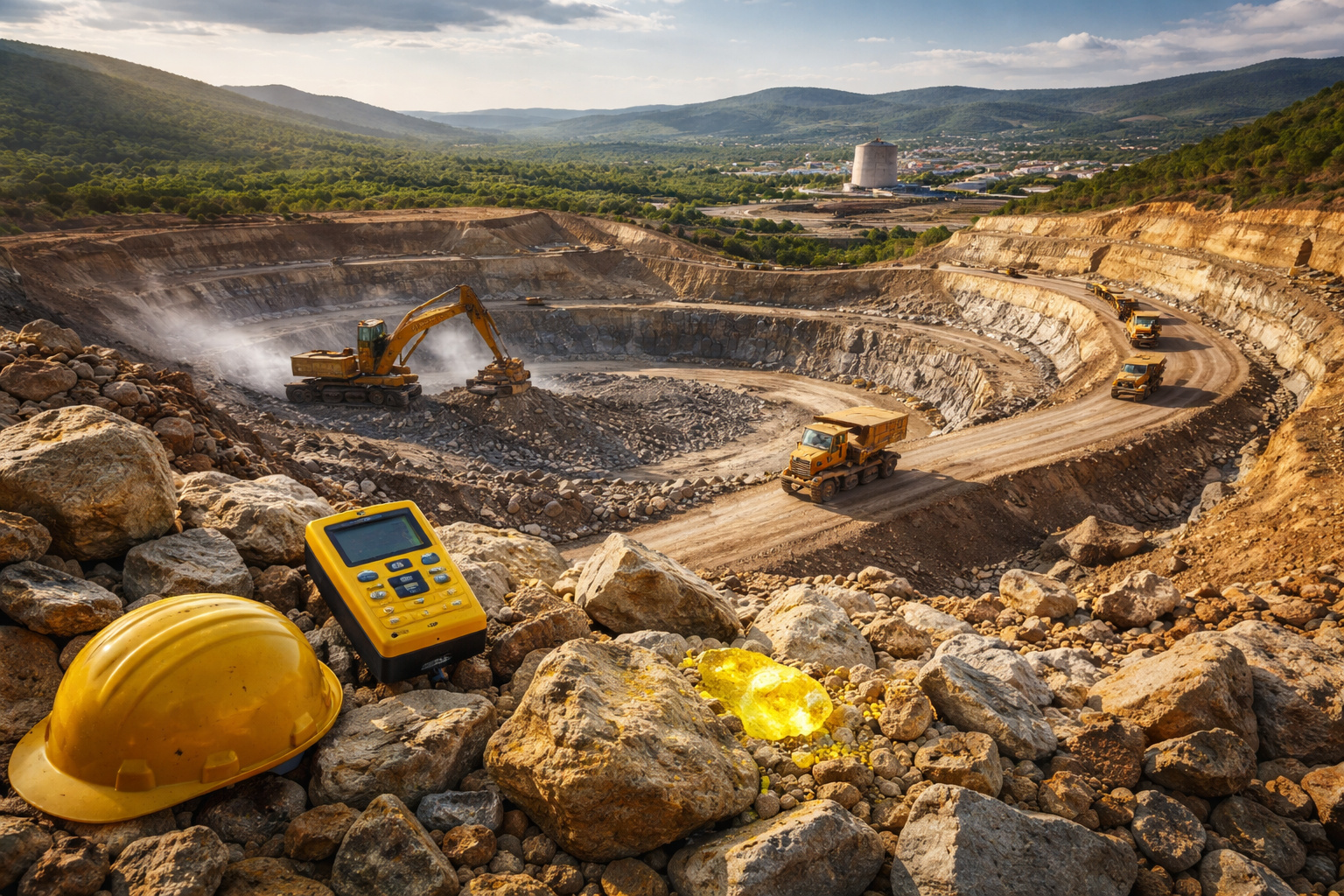
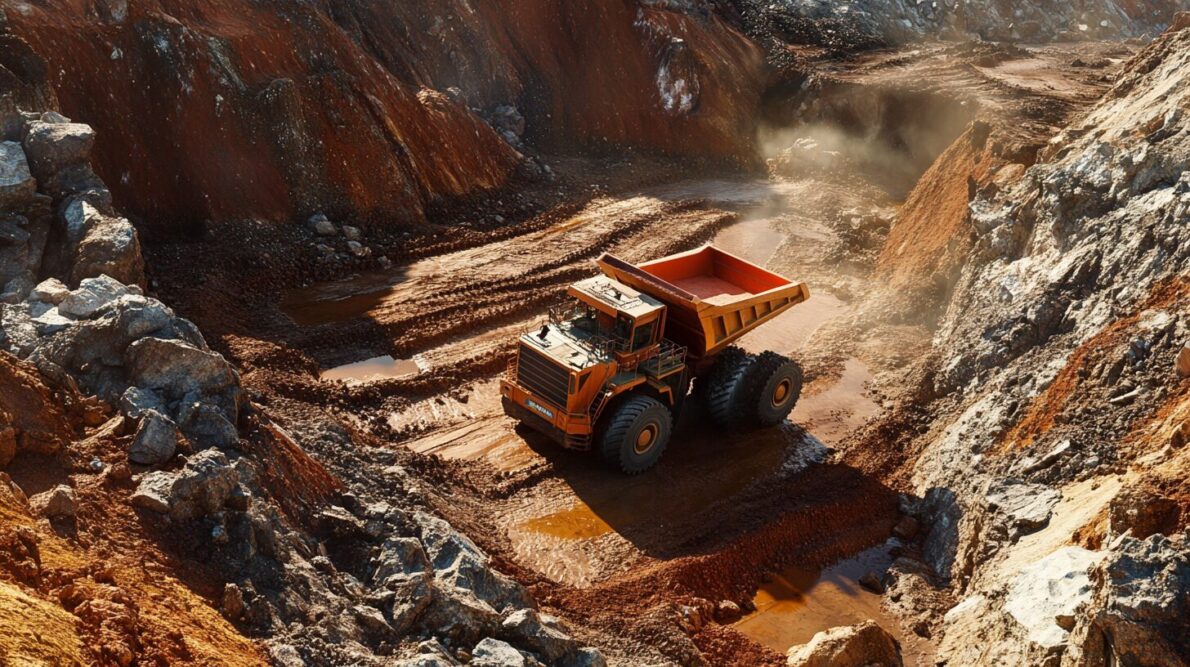
Besides being used in electric and hybrid car batteries, lithium is fundamental for the production of cell phones, laptops, rockets, and even medications. This places Brazil in a strategic position for the global energy transition, as the future increasingly depends on renewable energy sources and sustainable technologies. However, this growth will not come without challenges, and one of the main ones is ensuring that professionals in the field are prepared to meet the demands of a globalized market.
The Importance Of Language In The Mining Sector
If the mining industry was already globalized, with the expansion of lithium production, this reality becomes even more evident. According to Alexandrine Brami, CEO of Lingopass, proficiency in foreign languages is essential for mining professionals seeking international opportunities and strategic partnerships.
China, the world’s largest buyer of lithium, has been a constant partner for exporting countries, and fluency in Mandarin can open valuable doors. “An engineer fluent in English or Mandarin is much better prepared to negotiate with Chinese companies and participate in international conferences,” says Brami. Moreover, professionals fluent in other languages have an easier time interpreting crucial documents, such as the EPA Licensing Information, issued by the Environmental Protection Agency in the United States, or using technical tools like GeoScan geological maps.
It is clear that “you can’t talk about global expansion without speaking the language of the game,” and in the case of mining, this means being prepared to deal with diverse markets, such as the United States, Europe, and Asia. International negotiations, collaboration in global supply chains, and publishing research in foreign media are some scenarios where language proficiency becomes a competitive advantage.
The Promising Future Of Lithium In Brazil And Global Impact
With the increasing demand for lithium worldwide, Brazil could become one of the leading exporters of the mineral. Investments of R$ 15 billion by 2030 are just the beginning. Minas Gerais and other regions are already preparing to become true production hubs, attracting mining companies from all over the world.
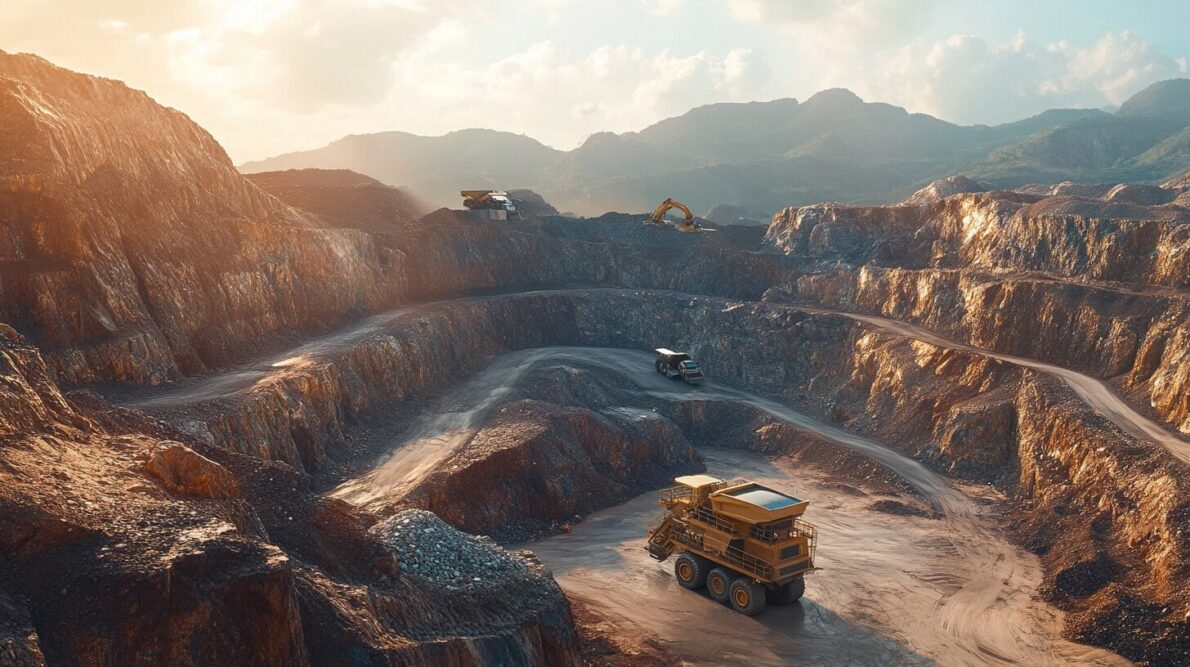
The impact of this growth extends beyond the mining sector. With the creation of new jobs and the development of new technologies, Brazil can position itself as a global player in the transition to a green economy. And with that, opportunities for partnerships with other countries and companies arise, especially with China, which is already one of the main interested parties in Brazilian lithium.
In addition to the economic potential, Brazil will have to ensure that its professionals are up to the challenge. This means not only technical training but also preparation for the international environment. After all, in a sector that depends on technical precision and global cooperation, proficiency in foreign languages can be the key to success.
Mining And The Future Of Brazil In The Lithium Market
Brazil is at a decisive crossroads. With its lithium reserves and increasing investments, the country has the opportunity to become a global leader in the production of this strategic mineral. However, for this future to materialize, it will be essential to prepare skilled professionals fluent in foreign languages, capable of negotiating and collaborating with global mining companies, especially from China. The path is set, and Brazil has everything to pave a successful trajectory in the international mining landscape.








Seja o primeiro a reagir!