





 Português
  Inglês
  Espanhol
 5 min de leitura
  1 comentário


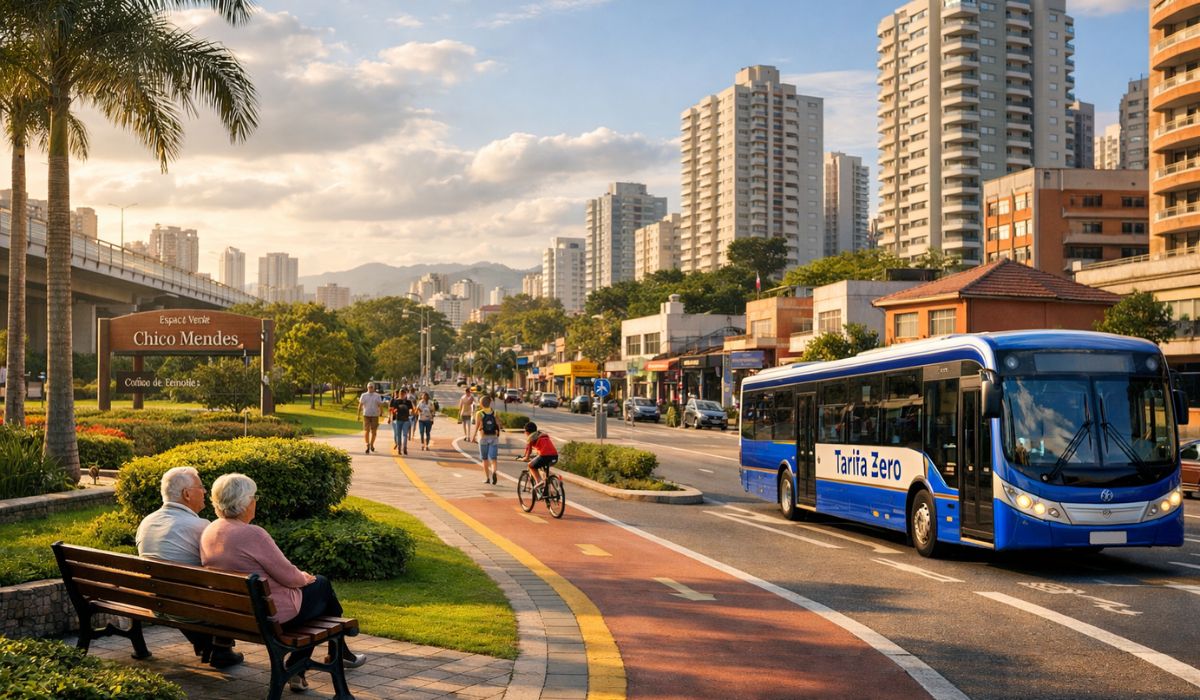


The Municipality of ABC Paulista Brings Together Longevity Indicators, Public Services Aimed at the Elderly Population, and Urban Structure That Place It Among the Leading National Examples of Aging in a Small City.
São Caetano do Sul, in ABC Paulista, has once again appeared at the top of surveys on aging in Brazil and has established itself as a reference in this debate.
The municipality leads the ranking of large cities in the Urban Development Index for Longevity, the IDL 2023, developed by the MAG Longevity Institute, and maintains a network of services aimed at the elderly population in the context of the accelerated aging of the Brazilian population.
Local information helps explain this performance.
-
The world’s first octopus farm wants to open in the Canary Islands and is already provoking an international reaction: the plan aims to produce 3,000 tons per year.

-
Drought may be creating stronger superbugs in the soil and helping antibiotic resistance reach hospitals, warns a study highlighting a problem that could grow alongside extreme weather.

-
The biggest scam in history: Napoleon’s France deceived the United States by selling them a territory that was Spanish.

-
Why is the Danakil Desert so dangerous? It has unstable terrain and how extreme temperatures and toxic gases turn the region into one of the most hostile environments on Earth.


Data from the municipal administration points to a life expectancy of 78.2 years and indicates that almost a quarter of residents are 60 years or older.
In recent documents from the mayor’s office, this percentage varies between 23.86% and 24.82%, which shows the weight of the elderly population in the city’s structure and the ongoing demand for public policies for this group.
Longevity Ranking Places São Caetano do Sul at the Top
In the most recent edition, the IDL began to evaluate all Brazilian municipalities and organized the analysis based on three axes: economy, health, and socio-environmental aspects.
In total, 23 indicators are considered based on public data.
Within the group of large cities, São Caetano do Sul was in the first position.
According to the municipal government, the city stood out for recording the third highest life expectancy at age 60, the fifth highest proportion of healthcare professionals with higher education, and the second highest number of hospital procedures performed, among other indicators.
These data help contextualize the municipality’s placement in a ranking that takes into account not only income and infrastructure but also conditions associated with the aging population.
Another indicator frequently cited in analyses about the city is the HDI.
São Caetano do Sul ranks first nationally in the Human Development Atlas.
The index considers income, education, and longevity and, although it uses data from the 2010 Census, it is still used as a parameter for comparing municipalities.
The city has also appeared in lists published by the media and business outlets.
In 2023, Forbes Brasil ranked São Caetano do Sul first among the best places to retire in the country, considering factors such as sanitation, development, health, and urban environment.
This is an editorial survey, distinct from official indicators, but it reinforces the national visibility of the municipality on this topic.
Urban Mobility and Routine Influence Aging
In everyday life, one of the factors most cited by residents and studies about the city is the urban scale.
São Caetano has a small territory, a concentration of services within short distances, and simpler commutes than those observed in other areas of the São Paulo Metropolitan Region.
This aspect tends to weigh more heavily on the elderly population, who more frequently depend on accessible routes to health units, commerce, and community spaces.
The municipal public transport operates with zero fare since November 1, 2023.
Data released by the city government show an increase in the number of passengers over the first year of the program.
The system serves municipal routes and reportedly includes accessible fleet, GPS monitoring, and wi-fi connectivity in vehicles.
In addition to transport, urban organization appears as another relevant element.
Visconde de Inhaúma Street concentrates traditional commerce and services, while President Kennedy Avenue is known for its flow of pedestrians, cyclists, and outdoor activities, especially on Sundays.
In a smaller-sized city, this urban layout facilitates access to different points in the municipality.
Sidewalks in good condition and shorter routes are often pointed out by urban planners and mobility experts as factors that favor the movement of elderly individuals.
In the case of São Caetano, such structures are associated with the city’s everyday life and help explain why the municipality is often mentioned in discussions about aging with autonomy.
Services for the Elderly Gain Weight in the City’s Structure
The municipal policy for the elderly includes a network of public facilities and ongoing programs.
Among them are the Integrated Health and Education Centers, the CISEs, aimed at elderly residents.
The five units offer physical activities, workshops, community gatherings, and health promotion initiatives.
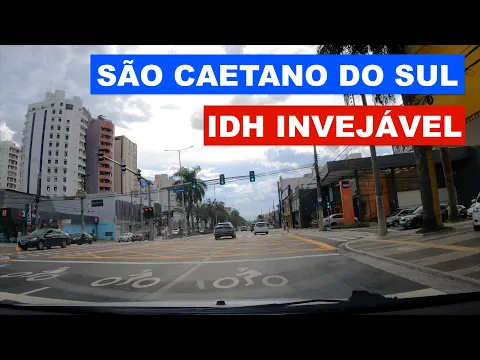

According to the municipal government, the centers are part of the city’s strategy focused on the age profile of its residents.
The proposal combines health monitoring with educational and social integration activities, in a structure specifically designed for this demographic.
Another pillar of this network is UniMais, an open university for seniors maintained in partnership with USCS.
The program offers courses and continuous training activities.
At the beginning of the 2026 school year, according to the municipal government, the initiative brought together 370 students in seven classes.
The city also maintains the Senior Citizen Agent Program, created in 2007.
Official pages and documents state that the initiative allows elderly individuals to participate in supportive activities in municipal public units, with training and tasks appropriate for their age group, without formal employment ties.
According to the municipal government, the program seeks to increase the participation of this demographic in the daily operations of municipal services and provide an alternative for occupation with supplemental income.
As it is a specific public policy, this measure is often cited among the city’s differentiators in serving the elderly population.
Park, Culture, and Community in Daily Life
The urban infrastructure also includes public spaces used by different age groups, including the population over 60 years old.
The Chico Mendes Green Space, one of the city’s main parks, spans 140,000 square meters and features pathways, courts, and community areas.
In a densely urbanized municipality, places like this are used for walking, sports, and community activities.
The Municipal Historical Museum, located in the Palacete De Nardi, preserves part of the memory of Italian immigration and the formation of the city.
The space is part of the city’s cultural circuit and serves as a reference point for activities related to local history.
The combination of social indicators, health structure, urban mobility, and specific services for the elderly helps explain why São Caetano do Sul frequently appears in rankings and reports about aging.
More than an isolated data point, the case of the municipality is observed by researchers and public managers as an example of a city that already coexists with a high proportion of elderly residents and had to organize policies to address this reality.
In a country that is aging rapidly, the challenge becomes knowing how many Brazilian cities already have a similar structure.








Pequena cidade? São Caetano faz parte da grande São Paulo, região metropolitana, é tudo emendado já há décadas. Do jeito que diz a manchete, parece estar falando de uma cidade do interior.
Ridículo.