





 Portuguese
  English
  Spanish
  5 min of reading
  0 comments


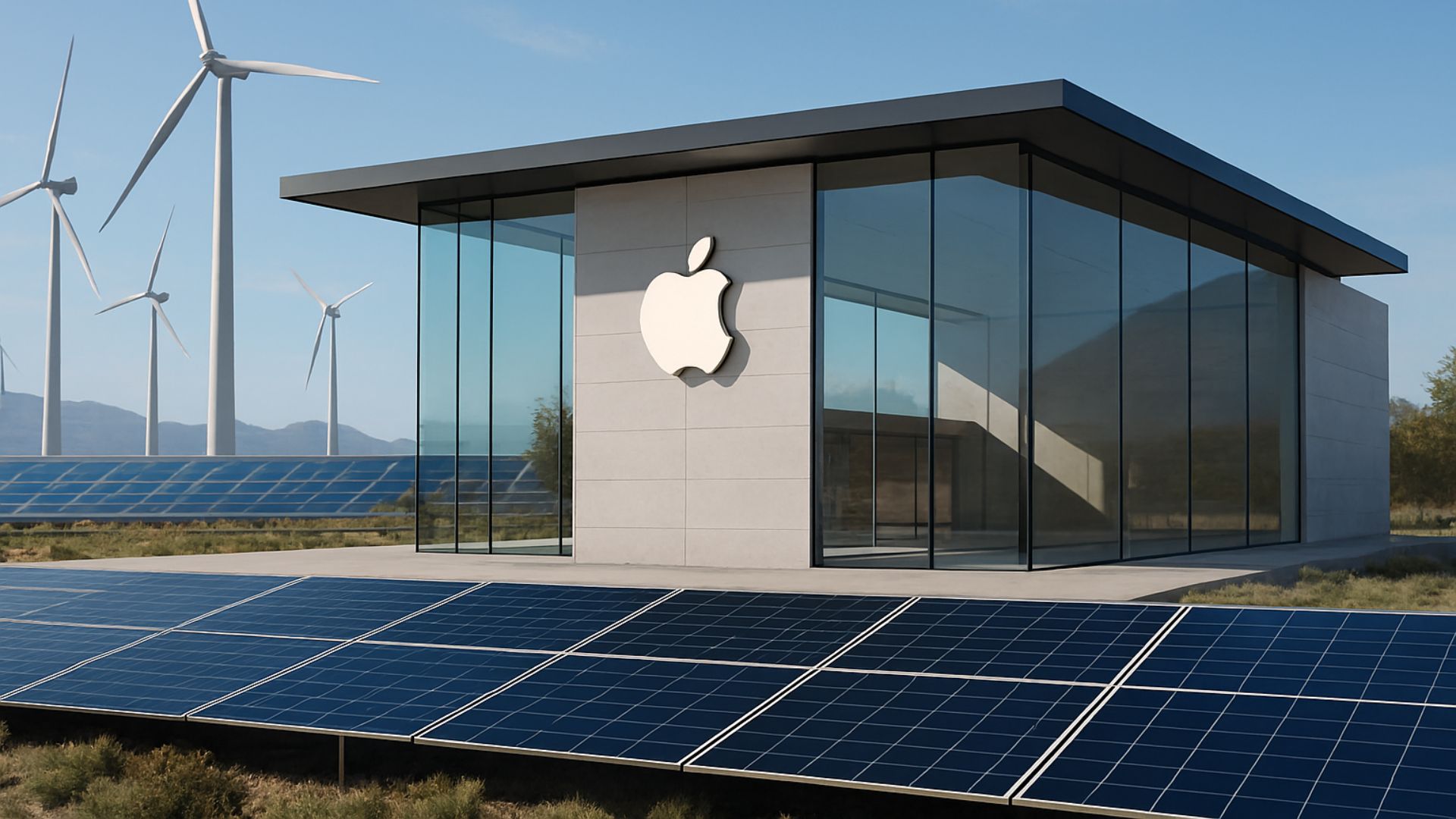
Apple Signed an Agreement with Engie to Expand Renewable Energy Projects in Italy, Securing 400 GWh Annually and Strengthening Corporate Energy Transition in the Country
One of the most relevant agreements of the year in the renewable energy sector has been announced in Europe. According to data from Engie itself this Tuesday (9), the company closed a long-term supply contract with Apple, which foresees an increase of 173 MW of clean capacity in southern Italy, with an estimated annual production of 400 GWh. The contract will last for up to 15 years and marks a significant advancement in corporate energy transition.
Renewable Energy Expansion Focusing on 400 GWh Annually
Right from the start, the agreement stands out for its scale and direct impact on the Italian energy matrix. As 80% of the new capacity will be allocated to the American company, the project not only increases the supply of clean energy but also reinforces global decarbonization goals. This is a large-scale commitment that reinforces the leadership of both companies in the climate sector.
According to official information from Engie, the project involves the construction of two agrivoltaic installations totaling 88 MW, in addition to two wind farms with 74 MW. Complementing this set, a third wind farm will be repowered, adding 11 MW to the system.
-
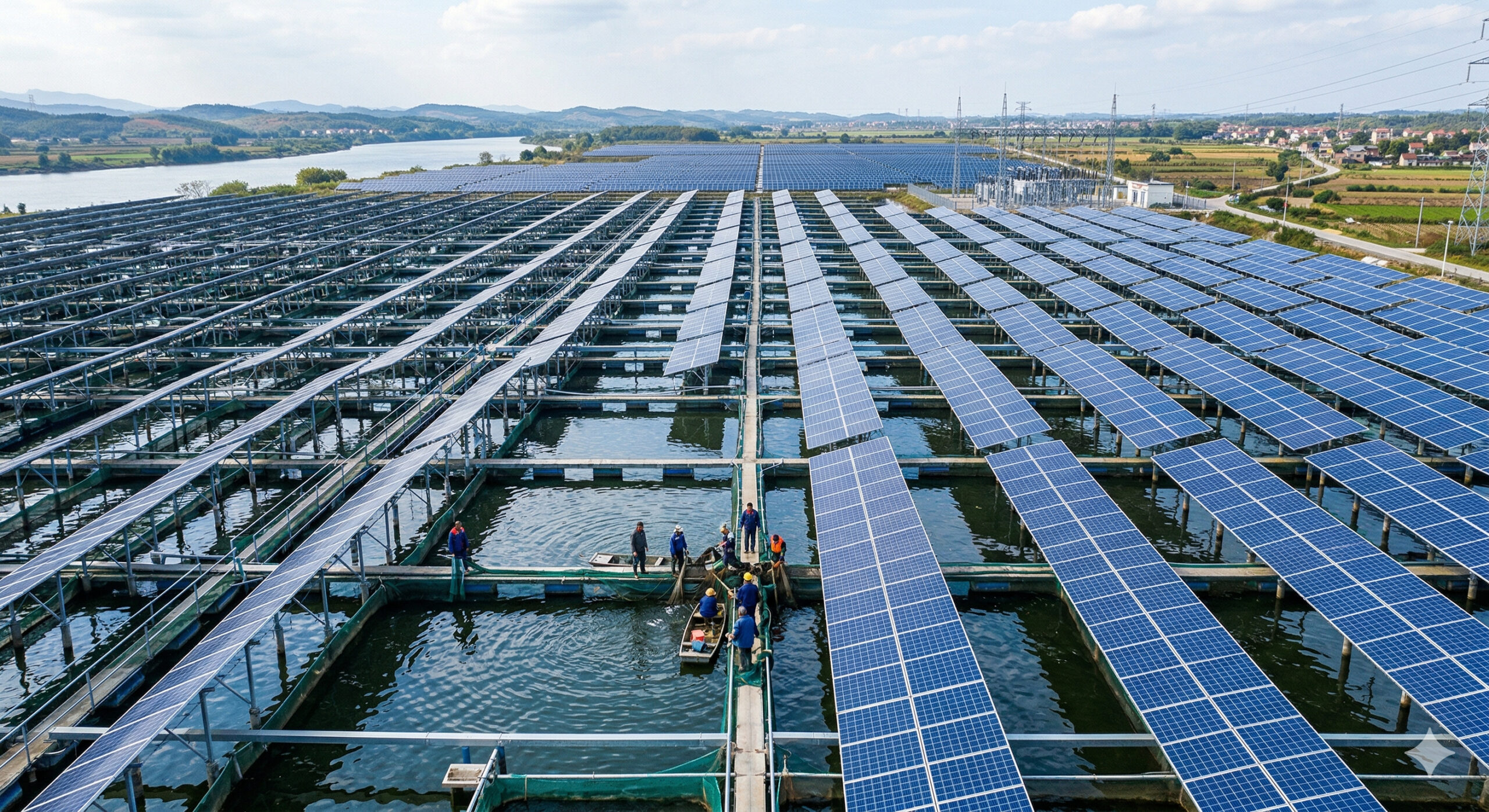
China bets on the Fishery-PV model and transforms fish farms into giant solar plants, covering ponds with panels that generate energy while utilizing the same space for large-scale aquaculture production.
-
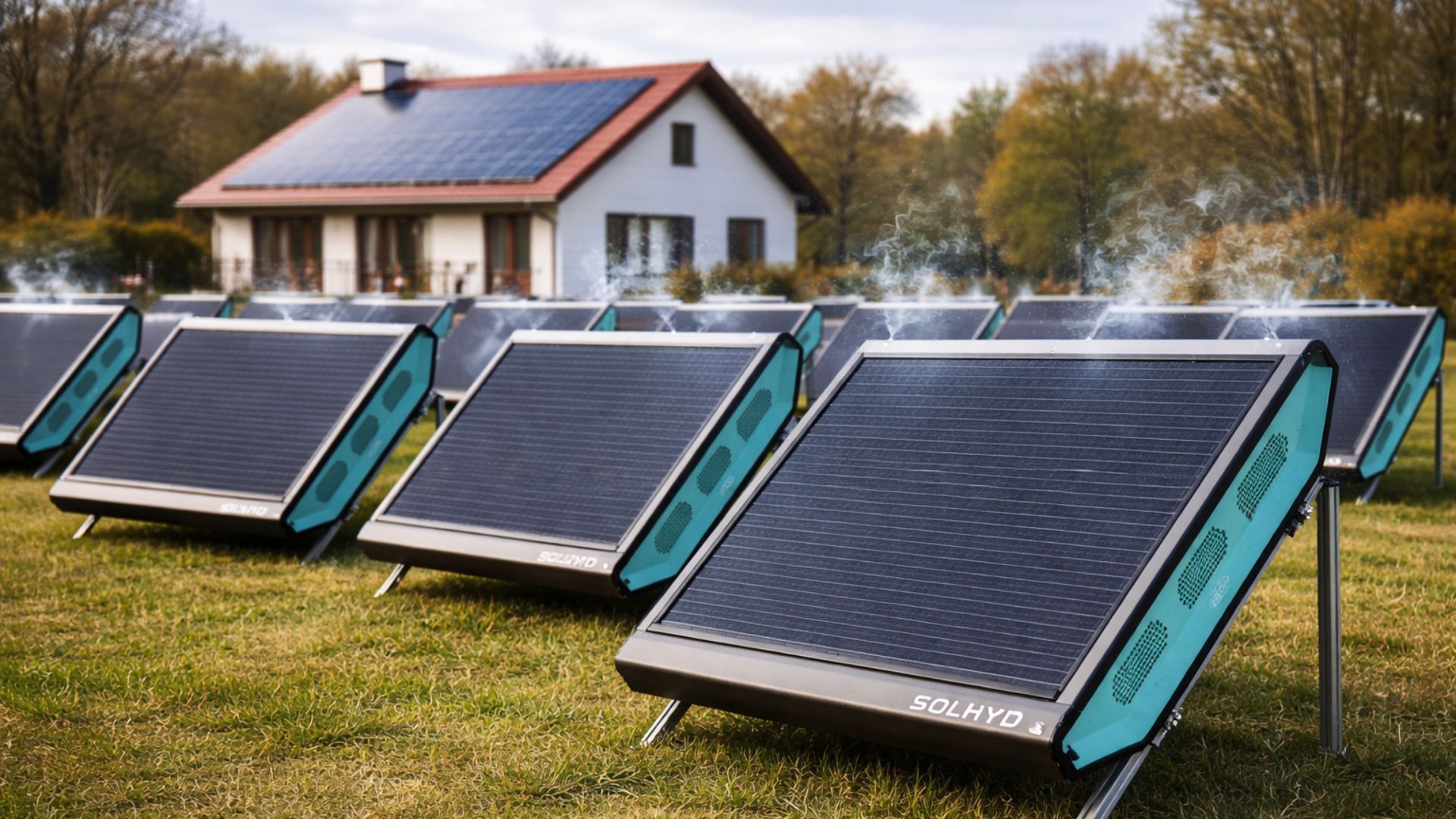
Green hydrogen at home: Belgium launches new technology that makes solar panels produce fuel from the moisture in the air, which could boost the energy transition.
-
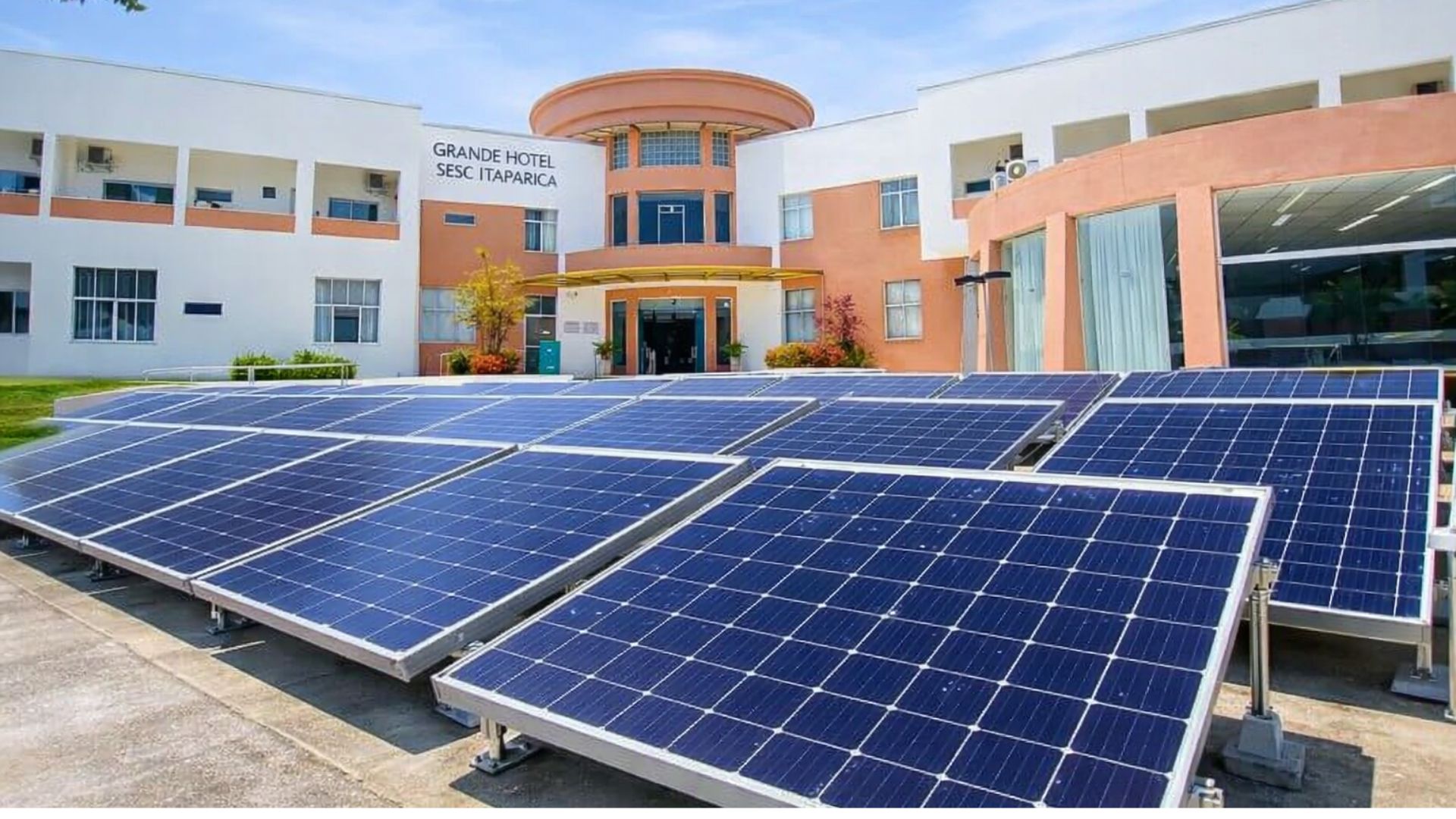
Sesc-BA bets on renewable energy with the support of EDP and drives the energy transition with a direct impact on cost reduction and the sustainability of its operations in Bahia.
-
Technology giant breaks global sustainability records: How Amazon’s leadership in renewable energy procurement transformed the global energy market in the past year.

This expansion package will allow for an annual production of 400 GWh, an essential volume to meet Apple’s needs in its European operations. In addition, the increase improves supply stability and strengthens local energy security.
Of the total generated, 20% will be allocated to the Italian grid, which represents enough energy to supply about 30,000 homes. Thus, the agreement creates a dual benefit: it serves the private sector and reinforces public infrastructure.
The expansion strengthens the local matrix with clean, stable, and diversified energy.
Apple and Engie Projects Concentrated in Southern Italy
The new projects are expected to start operations between 2026 and 2027 and will be located in southern Italy, a strategic region due to the availability of favorable natural resources. The area has high solar incidence, constant winds, and suitable environments for large-scale hybrid projects.
The south of the country has also been receiving government incentives to accelerate its participation in the national renewable matrix. Consequently, receiving investments of this magnitude helps reduce regional inequalities and boost local economies with low industrialization.
Agrivoltaics and Wind Power as a Basis for Diversification
Among the technical highlights, the installation of agrivoltaic systems deserves attention. Elevated solar panels allow agricultural production to continue, promoting dual land use. This solution has gained traction in Europe as it favors the smart use of rural areas, while also improving agricultural productivity through protection against excessive radiation.
The new wind farms complement solar generation, ensuring greater diversification. The combination reduces risks of intermittency and improves supply predictability—essential factors in long-term Power Purchase Agreements (PPAs) like the one signed by Apple with Engie.
Apple and Engie Initiative: Significant Reduction in CO₂ Emissions
With the start of operations for the projects, it will be possible to reduce approximately 160,000 tons of CO₂ per year. This reduction is equivalent to the emissions of nearly 70,000 combustion cars, reinforcing the positive environmental impact of the project.
This result complements the plans of both companies, which have robust environmental goals. In the case of Apple, the commitment to operate with 100% clean energy is part of its global carbon-neutral strategy. Engie focuses on developing sustainable solutions and clean energy contracts for large consumers.
Advancement of Engie in Italy and Goals by 2030
The company already operates or is constructing 773 MW of renewable capacity in Italy, which includes:
- 18 photovoltaic plants (250 MW)
- 20 wind farms (474 MW)
- 4 battery storage systems (49 MW)
With the new contract, the company moves closer to its goal of reaching 1.6 GW of installed capacity in the country by 2030, significantly increasing its local presence. Another point that highlights the company’s strength in the sector is the global volume of PPAs signed. In 2024, the company recorded 4.3 GW contracted under this model, consolidating its position as one of the largest players in clean energy in the world.
Relevance for Large Companies in the Energy Transition
The agreement reinforces a growing trend in the international market: the prominence of technology companies in adopting clean energy. With operations consuming large volumes of electricity, these organizations seek supply stability, cost predictability, and emission reduction.
In this context, the contract with Engie strengthens Apple’s strategy to maintain global operations aligned with the stringent environmental goals of the corporate sector. Moreover, long-term agreements provide legal security for investments and stimulate renewable infrastructure development.
Economic and Social Impacts in the Italian Territory
The installation of new projects is also expected to contribute to regional economic development. Large-scale works mobilize local labor and create temporary and permanent opportunities. In parallel, the modernization of transmission networks and the influx of new investments enhance the efficiency and reliability of the electrical system.
Another important effect is the advancement of innovation. The expansion of agrivoltaics, still recent in many countries, tends to accelerate technological development and support farmers seeking sustainable modernization of their activities.
Future Directions of Clean Energy in Italy
The signed contract also directly integrates into the European Union’s climate goals, which demand faster progress in renewable expansion. The combination of sources, such as solar and wind, combined with the use of storage systems, is expected to gain even more space in the coming years.
Experts point out that hybrid models will be essential to balance supply and demand in scenarios of increasing electrification, especially with the expansion of electric vehicles and industries more dependent on clean energy.
Furthermore, the presence of global companies like Apple can attract new investments to the country, generating a positive domino effect on the economy and the innovation sector.
Strategic Relevance of the Agreement Between Apple and Engie for the Future of the Sector
The project signed goes beyond a contractual commitment. It represents a milestone in the expansion of renewable energy, strengthens the transition to clean sources, and demonstrates the importance of partnerships between large companies to accelerate structural changes in the energy sector.
With 173 MW of new capacity, 400 GWh of annual production, and significant emission reductions, the initiative solidifies as a fundamental step towards making the European energy system safer, sustainable, and competitive. The collaboration between technology and clean energy shows the way to a more responsible future.






Seja o primeiro a reagir!