





 Portuguese
  English
  Spanish
 4 min of reading
  0 comments



Santa Catarina Approves Increase of Nearly R$ 2,000 in Regional Minimum Wage, Impacting Sectors Such as Industry, Agriculture, Health, and Commerce. The Decision Aims to Strengthen the Economy and Value Workers, With Retroactivity and Annual Adjustments Based on Inflation.
Santa Catarina has just approved an important increase in the regional minimum wage that promises to strengthen the purchasing power of thousands of workers in the state.
According to the unanimous decision of the state representatives, the regional minimum wage for 2025 will increase by 7.27%, with values reaching nearly R$ 2,000 in some categories.
The increase will be retroactive to January 1 and will cover various sectors, such as agriculture, industry, and services, directly impacting the finances of the residents of Santa Catarina.
-
Mothers and daughters come together, create an ‘express’ beauty salon and turn the idea into a network with 21 units, revenue of R$ 16.7 million and 12,000 subscribers.

-
Finland, the happiest country in the world, wants to hire 140,000 technology professionals and is eyeing Brazilians: visas are issued in just two weeks and salaries with a 37-hour workweek are surprising.

-
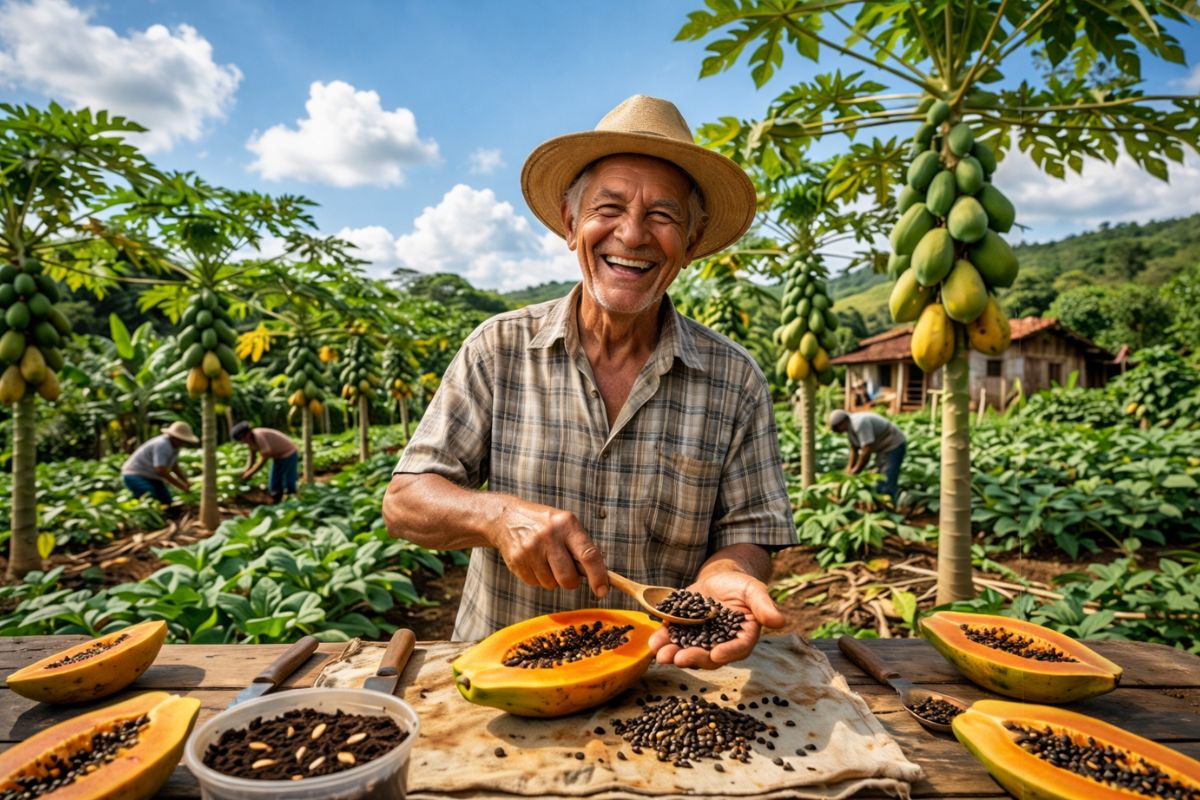
Mr. Mário reveals the technique of the caipira papaya: he cuts the fruit in half, discards the seeds from the tip, and plants the ones from the back to increase the chance of a productive female tree.
-
End of the 6×1 schedule: how the reduction of hours can affect service companies, industry, and agribusiness.


This increase is part of a 15-year tradition of negotiations and consensus between employer entities and representatives of workers, demonstrating a solid model of social dialogue in Santa Catarina.
The regional minimum wage was established by Complementary Law 459, of 2009, and is aimed at employees who do not have a wage floor defined by federal law, collective convention, or collective labor agreement.
New Values and Benefited Categories
The new regional wage floors have been established in four distinct ranges, considering different professional categories.
For workers in agriculture, construction, and deliveries, the minimum wage will be R$ 1,730.00.
Meanwhile, employees in industry and communication companies will receive R$ 1,792.00.
The chemical, film, food industries, and general commerce will have a floor of R$ 1,898.00.
The highest value, R$ 1,978.00, is allocated to sectors such as the metallurgical industry, printing, glass, rubber, as well as workers in buildings, health services, schools, culture, and credit.
This division demonstrates the care taken to address different realities and demands of the regional labor market.
Regional Minimum Wage: Which Categories Are Included?
Santa Catarina is one of the few Brazilian states that maintains a regional minimum wage, a practice shared with São Paulo, Rio de Janeiro, Paraná, and Rio Grande do Sul.
In the range of R$ 1,730.00, workers in agriculture, livestock, extractive industries, fishing, domestic employees, construction, toy and musical instrument industries, equestrian establishments, as well as delivery drivers and motorcyclists stand out.
In the range of R$ 1,792.00, there are professionals in clothing, footwear, spinning, weaving, leather goods, paper and cardboard, sellers and distributors of newspapers, as well as employees in communication and telemarketing.
For the wage floor of R$ 1,898.00, workers from the chemical, pharmaceutical, film, food industries, and general commerce are included.
The maximum value, R$ 1,978.00, encompasses employees in the metallurgical, mechanical, printing industries, glass and ceramics, insurance and credit companies, as well as workers in buildings, tourism, health, education, and security.
The Social Importance of the Regional Minimum Wage
The regional minimum wage plays a crucial role in valuing workers who do not have a floor defined by higher standards.
It ensures a minimum standard of remuneration, promoting social justice and combating historical wage inequalities.
Additionally, the annual adjustment seeks to keep pace with inflation and rising living costs, preserving the purchasing power of workers amid economic changes.
Santa Catarina stands out for maintaining this mechanism, which serves as an important instrument of labor public policy, especially for vulnerable categories.
Economic Impacts of the Adjustment in the State
The adjustment of the regional minimum wage is not just a salary measure but also a factor that directly influences the local economy.
With the increase in income, consumption rises, which can boost commerce and service provision.
This multiplier effect can result in more job opportunities and greater economic dynamism for Santa Catarina.
On the other hand, the adjustment needs to be balanced to avoid inflationary pressures that could negate the real gains of workers.
According to experts, the negotiation model in Santa Catarina helps maintain this stability, avoiding disproportionate increases that harm the productive sector.
The Future of the Regional Minimum Wage in Santa Catarina
The ongoing dialogue between representatives of workers and employer entities is the foundation for the continuity and sustainability of the regional minimum wage.
For the coming years, it is expected that the wage floor will continue to reflect economic and social conditions, ensuring adjustments that keep pace with inflation and respect the economic capacity of companies.
The valorization of work and the pursuit of better living conditions remain at the center of discussions, reinforcing the importance of this mechanism for reducing regional inequalities.
A Tool for Social and Economic Development
In addition to directly benefiting workers, the regional minimum wage can serve as a reference for collective negotiations in other sectors, helping to raise wage standards throughout the local economy.
Santa Catarina, therefore, maintains a commitment to social justice and sustainable growth through policies that value labor.
Do you think the adoption of the regional minimum wage should expand to other Brazilian states? How could this measure impact the economy and labor relations in your state?






Seja o primeiro a reagir!