





 English
  Francês
  Alemão
  Italiano
  Japonês
  Norueguês
  Portuguese
  Spanish
  3 min of reading


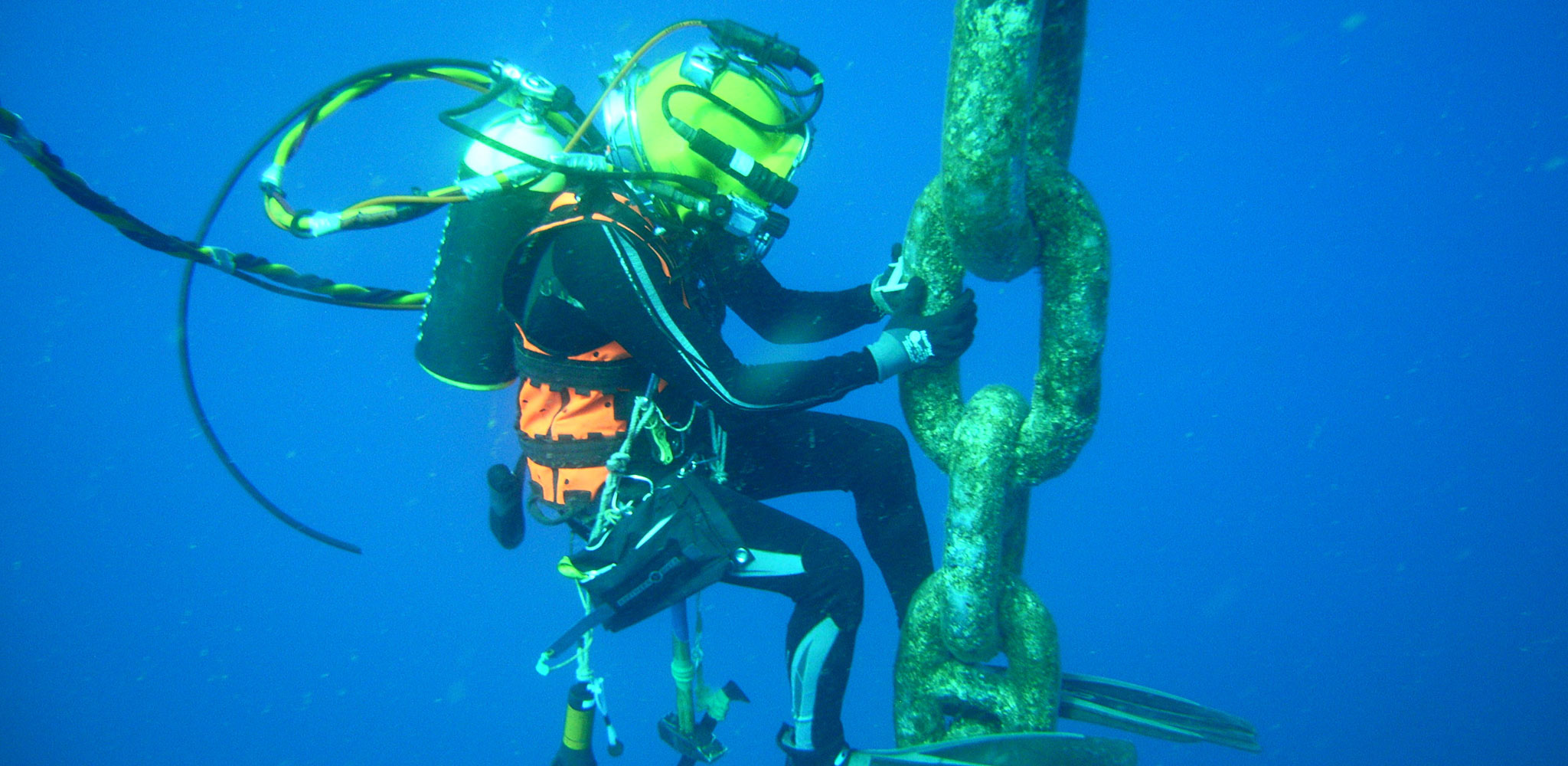
Aquamen May Be a Comic Book Hero, but Chevron Hired Real-Life “Aquamens” Called Saturation Divers for Two of Our Key Offshore Capital Projects.
Saturation diving allows divers (Saturation Aquamen Divers) to work at great depths for long periods. Divers live in a pressurized system on a specialized diving support vessel (DSV) for up to 28 days, traveling to the seabed in diving bells – separate chambers that are placed deeper in the water to the worksite. Several diving teams of three people live in this pressurized system.
“Bell runs” are made to transport divers (generally three people at a time) to the underwater worksite. The duration of each bell run lasts no more than six hours, during which two divers work on the seabed while the third diver remains in the bell to support the other two.
-
Government unlocks R$ 554 million for a highway that has been requested for decades and accelerates the duplication of BR.
-
Without bricks, without cement, and without endless construction: the cardboard house that is assembled in modules and can be moved.

-
Billions of barrels on the equatorial margin could lead Amapá to double its oil production in Brazil — the state aims to enter the route of companies in the Campos Basin, attract investments, and boost jobs and businesses in the oil and gas sector.

-
Without bricks, without cement, and without endless construction: the cardboard house that is assembled in modules and can be moved.

Divers Working Under the Wheatstone Project
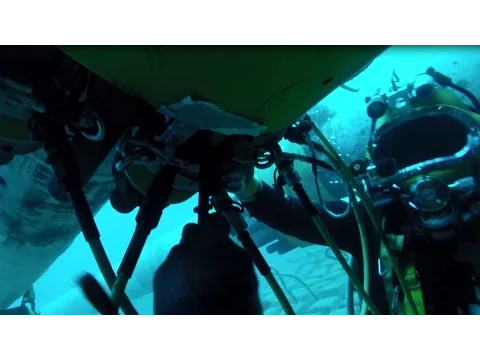

Incident-Free Diving at Wheatstone
The Wheatstone Project, offshore Northwest Australia, and the Mafumeira Sul Project, offshore Angola, achieved exceptional safety performance in these high-risk activities, allowing the projects to progress towards the delivery of first oil and gas. Time to become technical: The Wheatstone subsea system consists of six field flowlines connecting the Iago and Wheatstone northern and southern drilling hubs via risers on the platform. A 44-inch trunk line connects the platform to the onshore gas plant in Onslow, 120 nautical miles away.
Between November 2015 and February 2016, at depths of 72 to 80 meters around the Wheatstone platform and 119 meters to 243 meters at the drilling hubs, a total of 68 spools were deployed and installed to connect the subsea system to the gas plant. While the work-class remotely operated vehicles completed the spools without dives at the drilling hubs, saturation divers on the DSV Wellservicer successfully latched onto 38 flanged spools and installed four hydraulic/electric control umbilicals at the platform.
Diver Safety
The subsea installation coordinator, Douglas Hunter, said: “Diver safety was the highest priority for all parties during the planning and execution of this work. The completion of the DSV work was a great success story involving hundreds of people both onshore and offshore to support the divers.” Much of the work was done close to the platform, and it was not uncommon for the DSV and divers working below to be within 10 meters (33 feet) of the legs of the platform. Therefore, it was essential that regular and detailed platform and subsea work reviews were conducted, and work permits were strictly checked to reduce the risk of falling objects from the topsides of the platform.
“Well-defined communication protocols were established between the DSV, the platform, and the heavy construction vessel that lifted the barge spools to the water and other vessels working within the 500-meter safety zone of the platform,” Hunter added. “Combined with the platform’s Permit-To-Work system, * this provided a robust framework for undertaking detailed simultaneous operations plans to ensure the safety of all teams. The clear water also helped.”
The Health, Safety, and Environment Manager of Upstream, Andy Turner, remarked: “We recognized this would be a high-risk activity, but the outcome was a testament to the planning and execution by both Chevron and our subcontractors. It wasn’t without its challenges, but with an excellent safety record throughout the DSV crew and support team, we had no incidents or injuries recorded.”
Read Also:
- Goodbye Unemployment! Public Competitions with Over 18,000 Positions and Salaries Up to 27,500 Reais. – August 7, 2018
- Metalworking Company Hires Professionals to Work in Goiânia. – August 4, 2018
- StartServices STILL Seeks Qualified Professionals. – August 4, 2018






Seja o primeiro a reagir!