





 Portuguese
  English
  Spanish
  3 min of reading
  0 comments



Learn How to Use Air Conditioning Efficiently, Reducing Costs and Maintaining Comfort in Your Home Effectively!
With the rise in temperatures, especially after a record hot year in 2024, the use of air conditioning has become essential in many Brazilian households. However, the electricity required to operate these devices can significantly impact monthly bills. To maintain comfort without overspending, understanding the ideal temperature for operation is crucial.
The Ideal Temperature to Reduce Energy Consumption
The temperature you set on your air conditioning directly affects electricity consumption.
According to the Brazilian Association of Refrigeration, Air Conditioning, and Ventilation (Abrava), every degree below the recommended temperature can increase energy expenditure by 3.5%.
-
Scientists restore seagrass meadows in the open sea.

-
Scientists find about 1 million giant live eggs hatching in an active underwater volcano, discover a natural furnace on the ocean floor, and reveal one of the most unlikely nurseries ever seen in the ocean.
-
Scientists launched a bait camera to the bottom of the Pacific Ocean and saw something that no one expected.

-
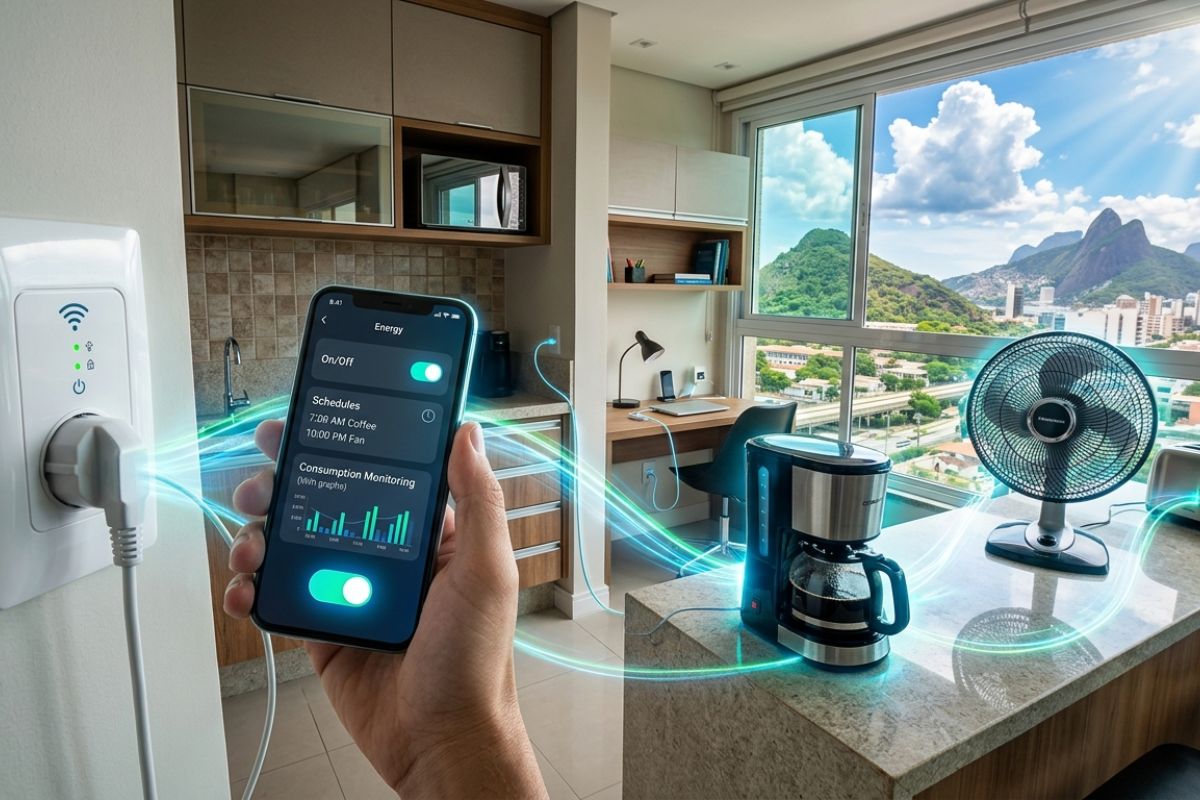
Is a smart plug worth it in a regular home? What does it offer: turns on and off via smartphone, creates routines by schedule, prevents forgotten devices, sometimes monitors consumption, and improves habits without renovation or miracles.

To save, it is recommended to keep the temperature between 23°C and 25°C.
Studies show that adjusting the temperature from 23°C to 25°C can result in up to 7% energy savings. This is due to the thermal load, which is the difference between the desired indoor temperature and the outdoor temperature.
Additional Strategies to Save Energy
For those who wish to maintain lower temperatures, there are other ways to save energy:
- Fans: Use ceiling or portable fans to distribute cool air evenly, helping to refresh the environment without increasing consumption. Fans are a complementary solution to air conditioning, as they help circulate cool air, making the space more pleasant and reducing the need to lower the air conditioning temperature significantly.
- Natural Ventilation: Open windows during cool mornings and evenings to allow fresh air to enter naturally. This not only helps reduce the use of air conditioning but also improves indoor air quality.
- Insulation: Improve the thermal insulation of your home by sealing cracks and using curtains to block solar heat. Investing in double-glazed windows and well-sealed doors can decrease heat transfer between the interior and exterior, keeping your home cooler in the summer and warmer in the winter.
- Appliance Maintenance: Perform regular maintenance on the air conditioning, including changing filters and cleaning coils, to ensure maximum efficiency. Clean filters not only improve the efficiency of the unit but also the air quality, removing dust, pollen, and other allergens.
How to Use Air Conditioning Intelligently
The decision to keep the air conditioning running continuously or to turn it off intermittently can significantly affect energy efficiency.
Keeping the unit running at minimal power during the day can avoid the overload of cooling a warm space again.
At night, use the Sleep function to automatically adjust the temperature, ensuring comfort and savings.
This function gradually adjusts the temperature throughout the night, saving energy while you sleep.
Appliance Choice and Additional Techniques
When choosing a new air conditioning, prefer models with high energy efficiency, rated as Procel A. Verify that the power of the unit is suitable for the size of the space.
An undersized unit will need to work harder to cool the area, while an oversized one will consume more energy than necessary.
Additionally, consider applying reflective paint on external walls and roofs to reduce heat absorption. Such paints reflect solar radiation, decreasing the amount of heat entering your home.
This technique is especially effective in hot and sunny climates, helping to keep indoor temperatures cooler.
Long-Term Benefits
Adopting these practices not only helps reduce immediate costs associated with electricity but also brings long-term benefits.
Energy efficiency contributes to environmental sustainability, reducing carbon footprints and demand for natural resources.
Moreover, appliances that operate efficiently have a longer lifespan, reducing the frequency of repairs or replacements.
By implementing these strategies, you not only save money but also actively participate in environmental preservation, promoting a more conscious use of energy resources.
In a global scenario where sustainability is increasingly crucial, these practices represent important steps toward a greener and more economical future.
SOURCE: CONCURSOSNOBRASIL






-

2 pessoas reagiram a isso.