





 Portuguese
  English
  Spanish
  3 min of reading
  0 comments


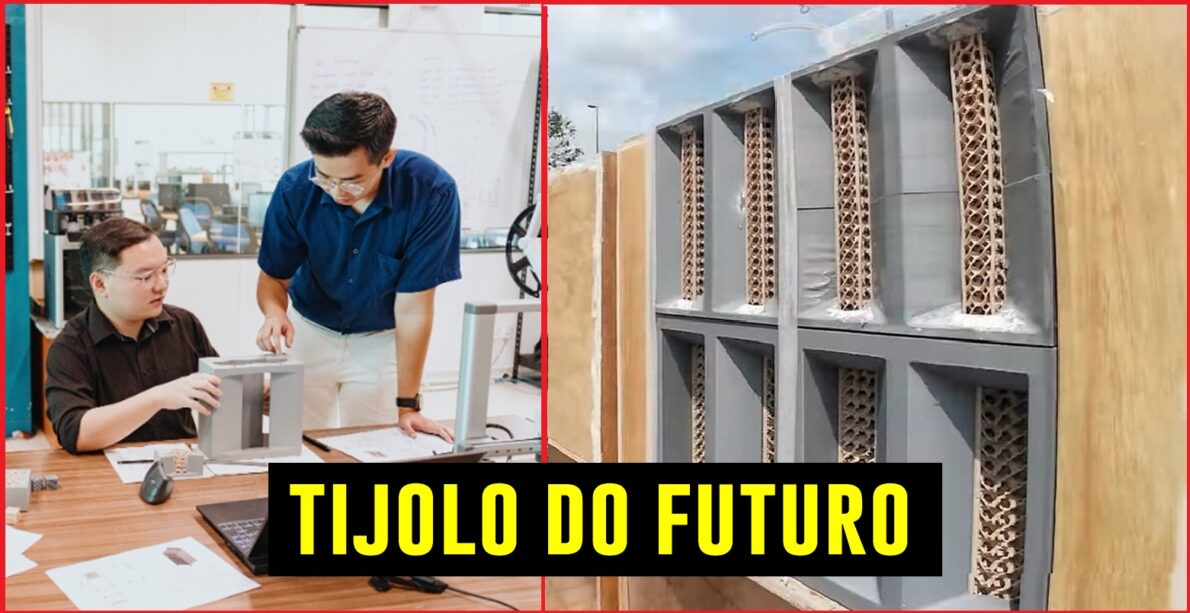
Researchers Developed An Innovative Brick That Can Reduce Temperature By Up To 6.2 Degrees, Paving The Way For Cooler And Sustainable Buildings. Will It Be The End Of Air Conditioning?
The environmental impact of modern air conditioning systems is significant: they account for about 7% of global greenhouse gas emissions with greenhouse effect. This high number results from the high energy demand of these devices, in addition to the use of harmful refrigerants. In response to these challenges, a group of researchers from the Asia-Pacific University of Technology and Innovation (APU), in Malaysia, developed a natural brick called Brikoole, which promises to transform the way we cool our environments.
The Brikoole Brick Concept
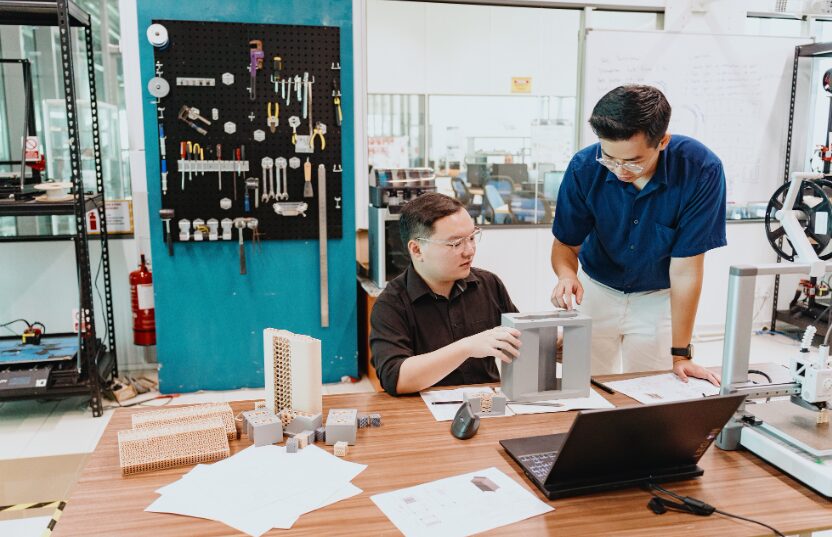
The Brikoole is a ceramic brick developed by Chee Kin Chong and Kah Zun Ng, being an intelligent fusion of natural inspiration and technological innovation.
Instead of relying on external energy sources, the Brikoole brick uses evaporative cooling to create a cooler indoor environment. The building structure directly integrates this method.
-
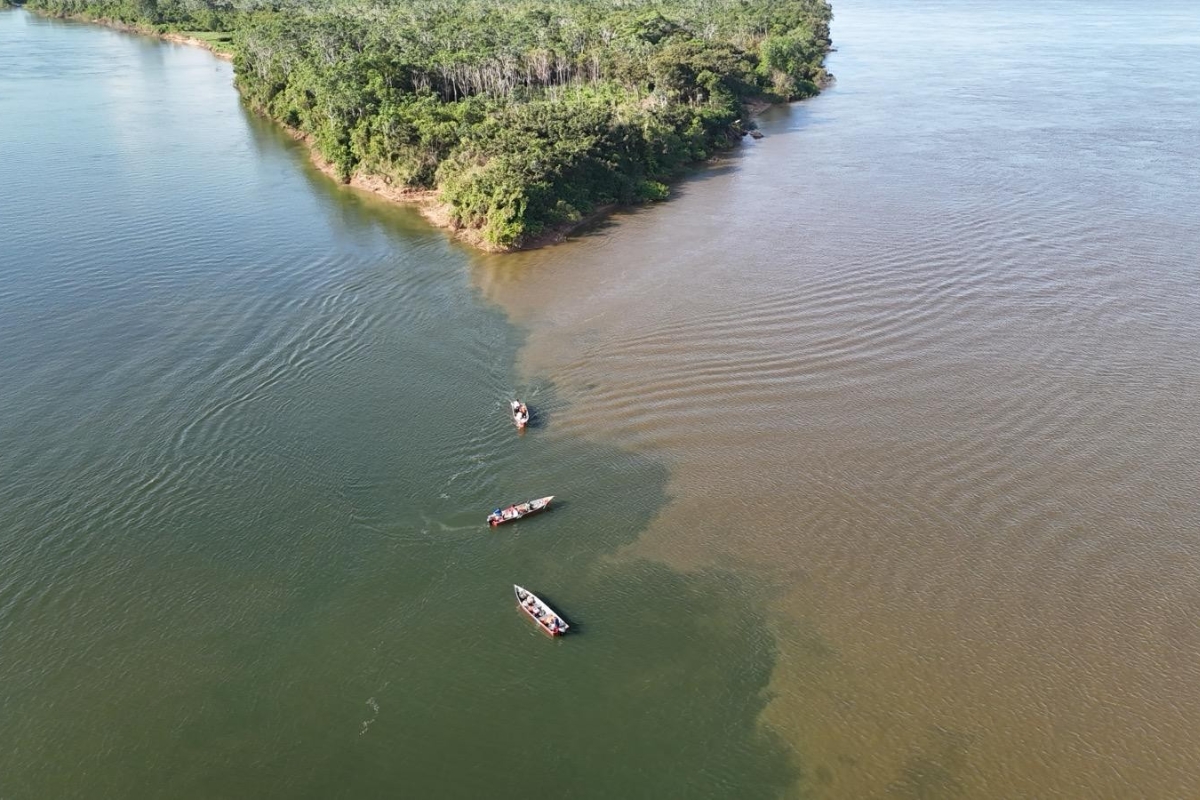
An impressive phenomenon in Northern Brazil causes rivers of different colors to flow side by side, revealing secrets about sediments, currents, and biodiversity.
-
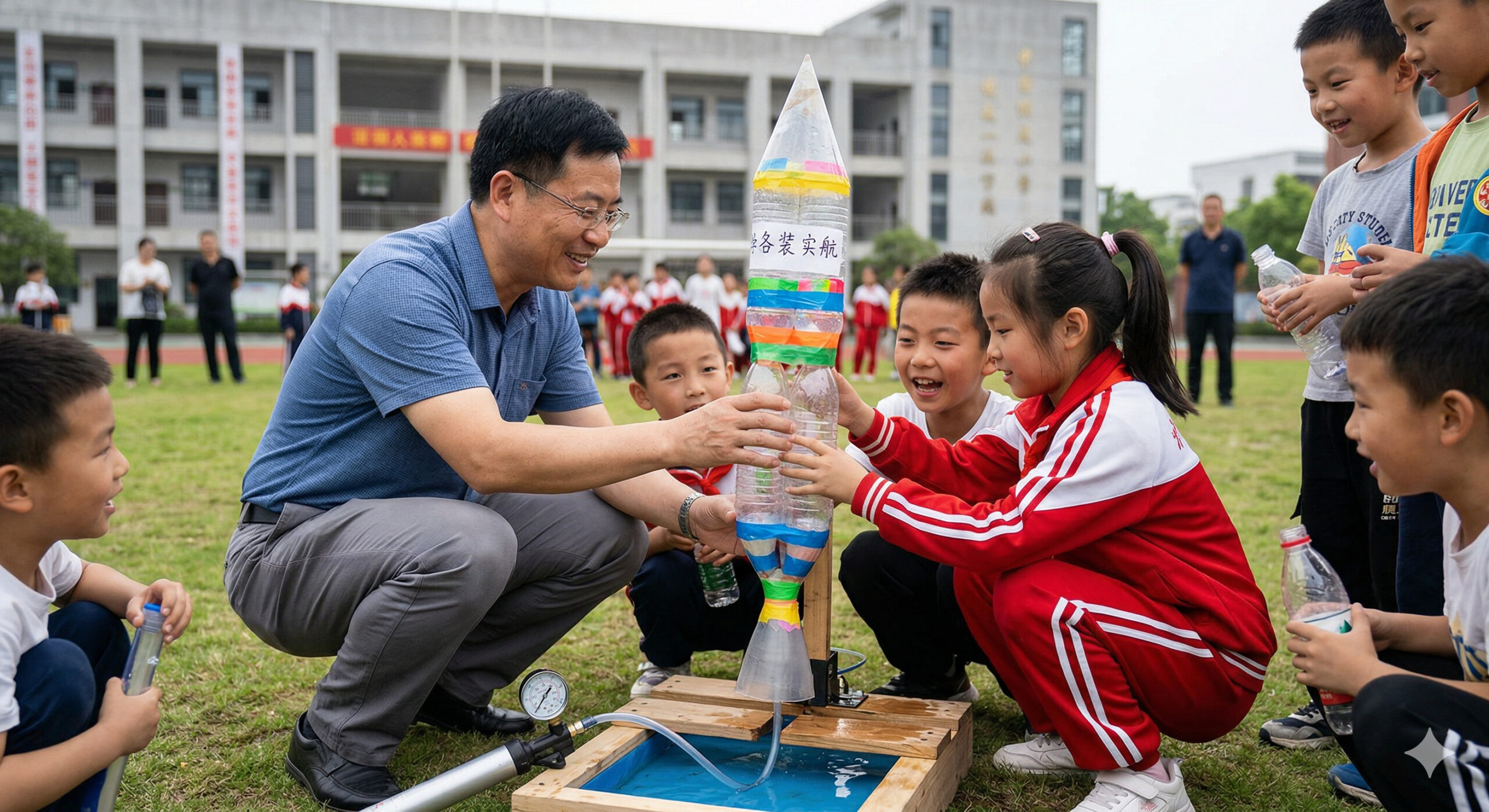
While many schools are still struggling with the basics, a teacher in China went viral for having elementary school students build a two-stage rocket using plastic bottles, water, and pressurized air in a science class that caught the attention of the entire world.
-
10 million robots per year in unprecedented industrial scale place China at the forefront of automated production and raise the question of how far machines can manufacture other machines.
-
Researchers in Malaysia buried sensors at 15 and 30 cm and can now predict soil moisture with 95.49% accuracy, helping the field to irrigate only at the right time and reduce water waste.

The research team drew inspiration from a variety of ancient and natural concepts. They observed the sophisticated ventilation systems of termite mounds, traditional Middle Eastern architecture, Salsabil springs, and the properties of porous ceramics. In short, these combined elements created a brick that not only reduces ambient temperature but also does so in an environmentally responsible manner.
How Brikoole Works
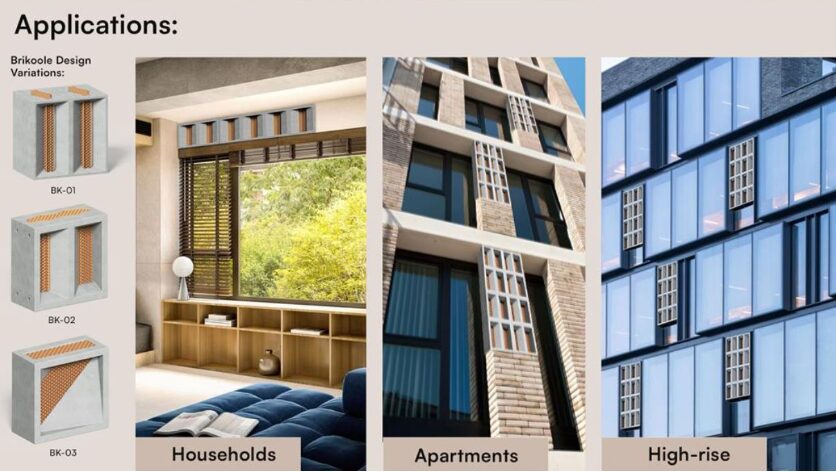
The Brikoole features strategically positioned ventilation holes and an integrated water distribution system.
This system maintains a constantly moist internal mesh, allowing smooth air to pass through the structure and undergo an evaporation process.
This natural phenomenon of evaporation reduces the air temperature, which is directed into the building, creating a comfortable indoor environment.
In tropical climates, the Brikoole brick can lower the internal temperature by up to 6.2 degrees Celsius, reaching a comfortable temperature of 31 degrees Celsius instead of the usual 37 degrees Celsius.
This temperature reduction can decrease the need for active cooling, such as air conditioning, resulting in lower electricity consumption.
Scalability
One of the great advantages of the Brikoole is its modularity and scalability. Unlike traditional passive cooling methods, which often require separate systems or extensive changes to architecture, the Brikoole is designed to be easily integrated into various building styles and designs. This makes it a practical and accessible solution for a wide range of architectural applications.
Therefore, by reducing dependence on conventional air conditioning systems, which contribute to greenhouse gas emissions, the Brikoole represents an ecological and efficient alternative.
The technology developed by APU researchers offers a promising path for creating greener and energy-efficient buildings, aligning with urgent sustainability and environmental conservation needs.
With its innovative approach and ability to transform sustainable architecture, the Brikoole stands out as a brilliant example of how research and creativity can tackle global environmental challenges and promote a greener future.





Seja o primeiro a reagir!