





 Portuguese
  English
  Spanish
  4 min of reading
  0 comments


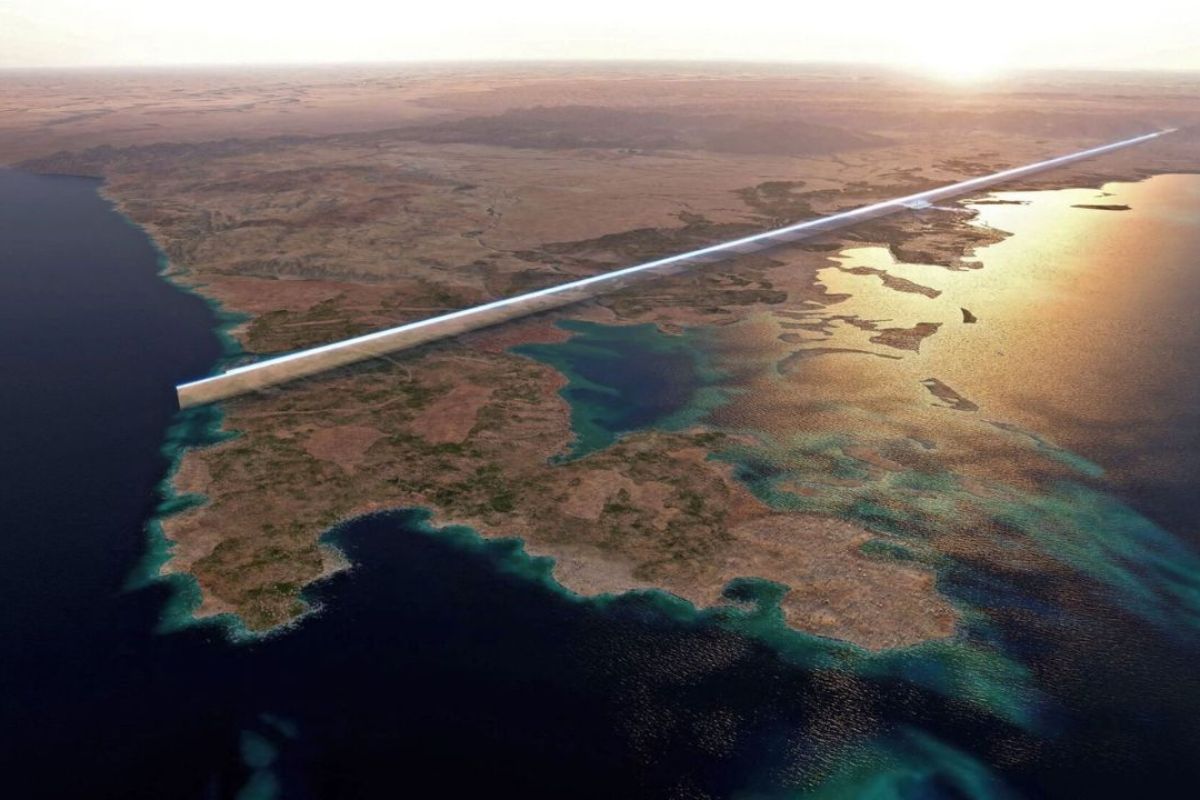
With the decline of oil and a growing deficit in public accounts, the Saudi government decided to slow down The Line, the futuristic linear city valued in trillions, and revise the Vision 2030 program, postponing or canceling luxury megaprojects to contain expenses and redefine national priorities.
The Line, the ultimate symbol of Saudi Arabia’s futuristic ambition, has had its pace reduced. Planned to accommodate nine million residents over 177 kilometers, the car-free and emissions-free linear city will now be built on a limited scale, with only a few kilometers completed and an initial capacity for 300,000 people. The retreat marks the most significant moment of adjustment in the Vision 2030 plan, conceived by Crown Prince Mohammed bin Salman as the global showcase of a new Middle East.
The decision was driven by the drop in oil prices and the fiscal impact of billion-dollar projects. The Saudi budget has gone into deficit, and authorities have acknowledged the need to be more conservative. The country still seeks to balance the narrative of modernization with economic reality, reducing excessive luxury and concentrating investments in sectors with proven returns, such as technology and clean energy.
The Line Leaves the Megacity Role to Become a Pilot Project
The Line was announced in 2021 as a self-sustaining vertical urban hub where housing, transportation, and services would coexist in a single 500-meter-high urban corridor.
-
The Federal Revenue Service now automatically cross-references everything you declare with data from banks, credit cards, brokerage firms, and insurance companies, and any discrepancy between your income and your expenses triggers an alert in seconds.

-
Amid global tensions, Brazil blocks the United States’ proposal at the WTO and paves the way for a trade crisis and possible retaliations.

-
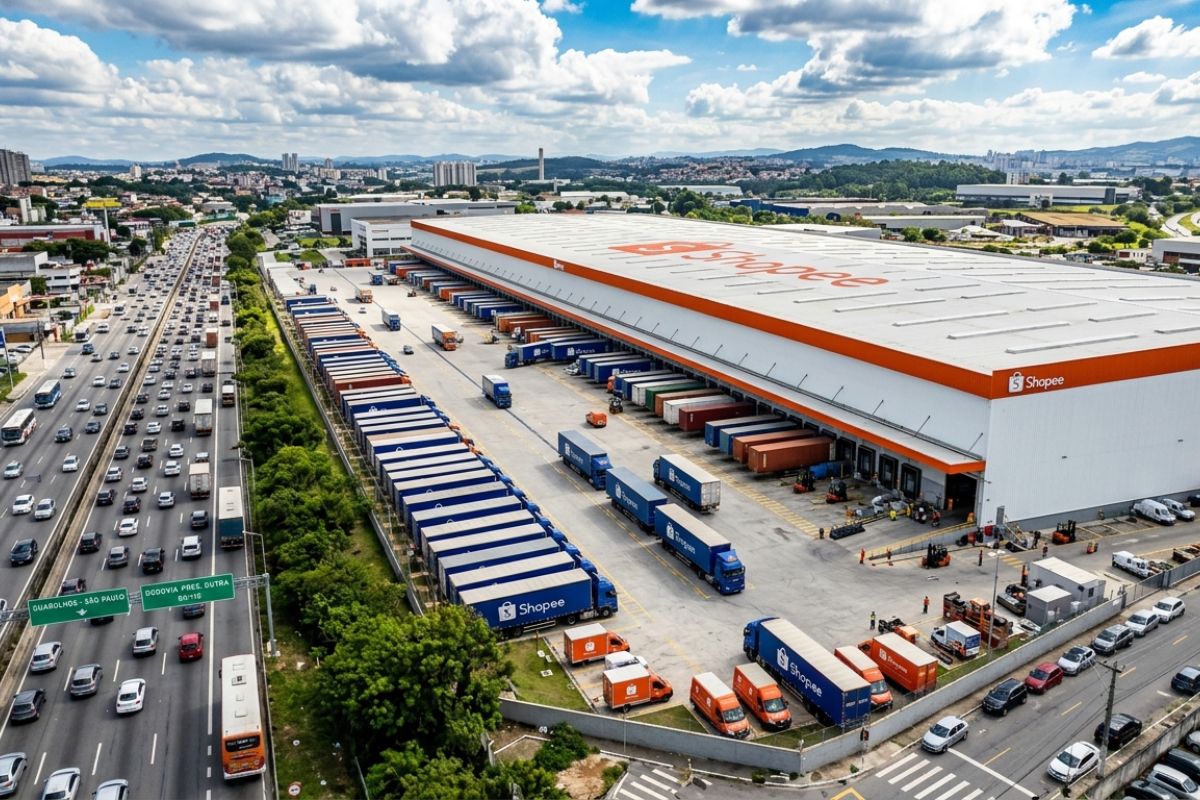
Shopee opens the largest logistics warehouse in Brazil in Guarulhos: 220,000 m² on Dutra, contract signed before construction, pays R$ 45/m² and accelerates deliveries at scale, putting pressure on Mercado Livre and Amazon.
-
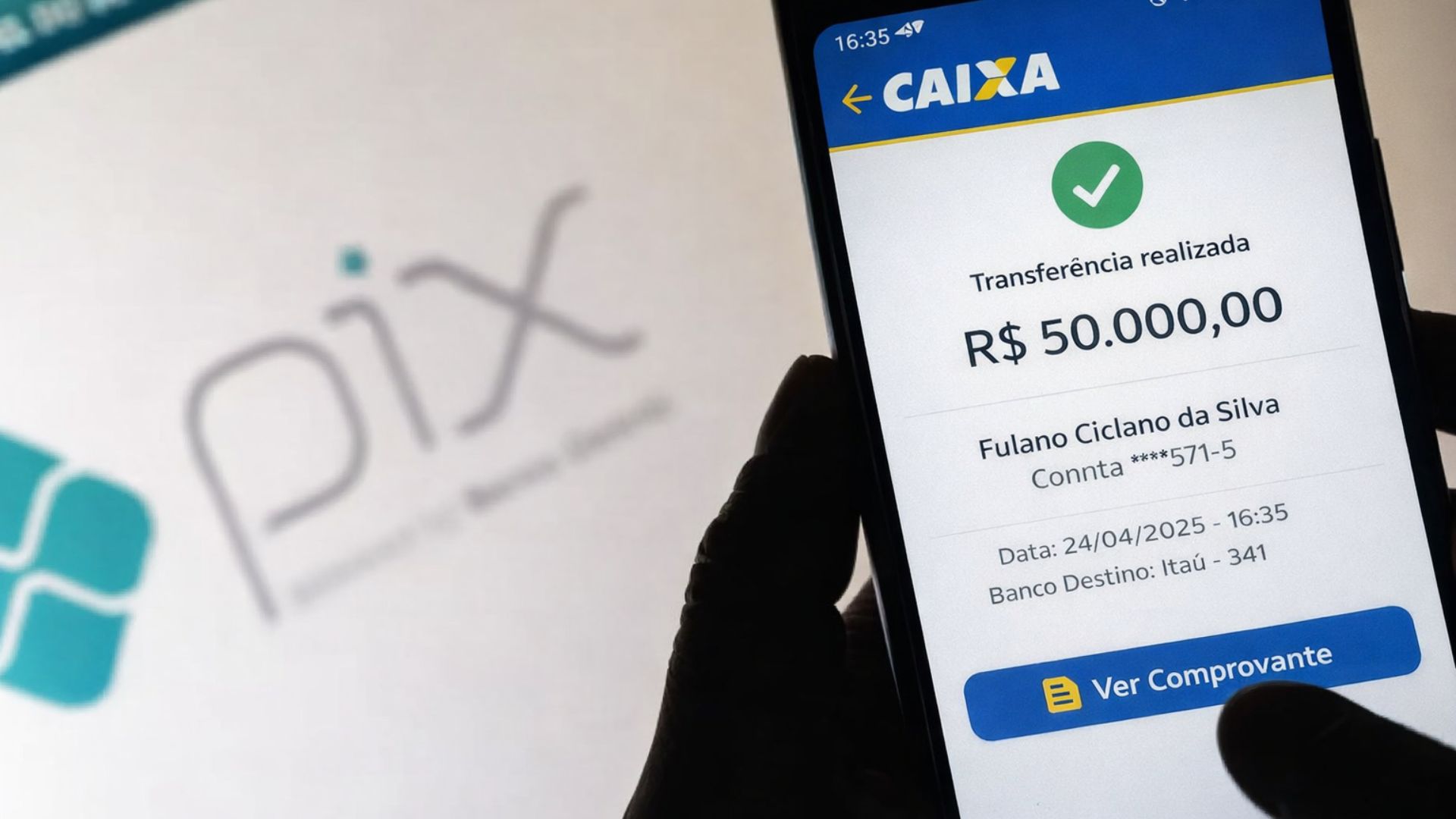
After mistakenly transferring R$ 50,000 via Pix, a man will receive the amount back along with R$ 10,000 for moral damages from the recipient.

The project, budgeted at more than US$ 2.6 trillion, was to be the centerpiece of the futuristic megazone Neom, in the northwest of the country.
However, in light of the economic slowdown and the need for spending cuts, the scope has been drastically reduced.
Saudi authorities confirmed that only a small stretch will be completed by the end of the decade, serving as an experimental model of green infrastructure and urban automation.
The goal of nine million residents has been indefinitely suspended.
Delayed Megaprojects and Cuts Due to Excessive Luxury
The reassessment of Vision 2030 has also affected other emblematic initiatives.
The mountain resort Trojena, planned to host the 2029 Asian Winter Games, has had its delivery postponed to 2032, pushing the event to 2033.
The urban district New Murabba, conceived as the new center of Riyadh, has also been slowed down to avoid budget collapse.
Some ventures have been permanently halted.
The resort Sindalah, valued at over US$ 1 billion, was closed shortly after its inauguration due to high costs and extravagant decor, including exotic furs and gold coatings.
The episode became a symbol of the excessive luxury that the government itself is trying to curb.
Redefinition of Economic Priorities
The drop in the price of oil, which since 2022 has not exceeded US$ 100, has reduced the kingdom’s fiscal margin.
Oil still accounts for more than half of national revenues, and massive investments in tourism and construction have become unsustainable without the support of energy exports.
To contain the deficit, the Saudi government has started to prioritize areas with potential for direct returns, such as technology, renewable energy, and digital entertainment.
The Public Investment Fund (PIF), the main financial arm of the state, has announced investments in artificial intelligence and video game companies, including the purchase of developer Electronic Arts for US$ 55 billion.
Image Crisis and the Challenge of Credibility
Experts point out that the slowdown of The Line exposes a contradiction between ambition and viability.
Mohammed bin Salman’s strategy, based on futuristic marketing, faces criticism for prioritizing aesthetic grandeur at the expense of concrete results.
A Saudi businessman summed up the situation by saying there was a disease of Dubai: perfect videos, but little real execution.
Despite the adjustments, the government maintains an optimistic discourse and insists that the Vision 2030 plan has not been abandoned, only recalibrated.
Authorities estimate that the full resumption of projects will depend on two to three years of stability in oil prices, which would allow for debt payments and a gradual restart of construction.
The Uncertain Future of the Linear City
Even on a reduced scale, The Line remains the most ambitious urban project ever proposed in the Middle East.
Its model of electric mobility, urban intelligence, and zero emissions remains a technical reference for urban planners and investors.
The difference is that now the focus is on testing the practical viability of the concept, not selling it as an immediate power symbol.
The pause imposed by economic reality has transformed the dream of a 177-kilometer linear city into a real laboratory of sustainability and engineering, where Saudi Arabia seeks to prove that it is possible to reconcile innovation and fiscal responsibility.
The retreat of Saudi Arabia in The Line and its luxury megaprojects signals a new phase of pragmatism for the country, which is trying to adjust ambition and reality after years of euphoria.
The course correction could redefine the future of the Vision 2030 program, transforming it from a visual spectacle into a plan for more technical and sustainable development.
Do you believe that The Line can still become the city of the future that Mohammed bin Salman promised, or has the project already entered history as an interrupted dream?





Seja o primeiro a reagir!