





 Portuguese
  English
  Spanish
  6 min of reading
  0 comments


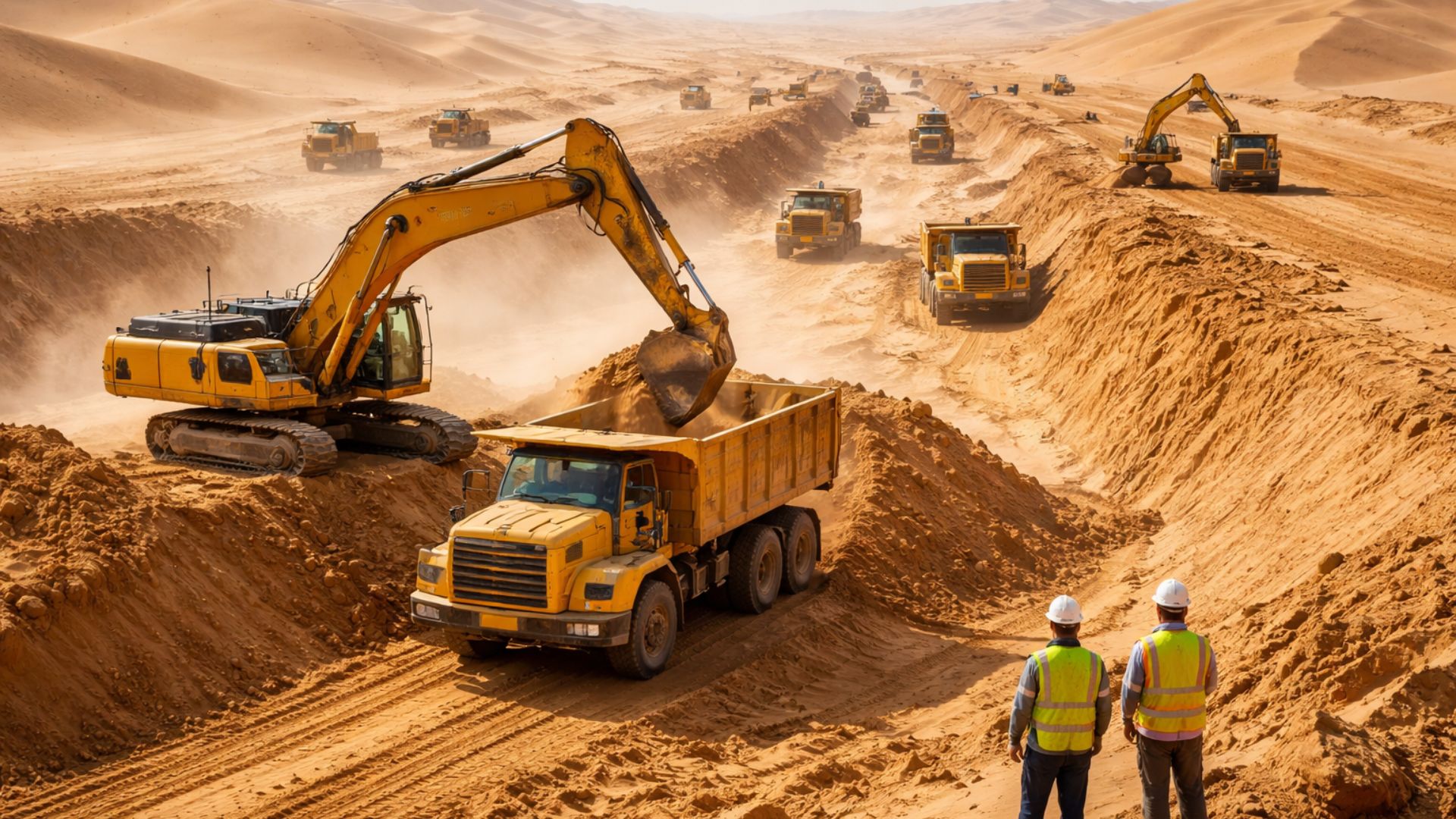
International Highway Crosses the Empty Quarter After Massive Sand Movement and Years of Engineering in One of the Most Hostile Environments on the Planet, Creating Direct Land Link Between Saudi Arabia and Oman and Shortening Trade Routes in the Heart of the Arabian Peninsula.
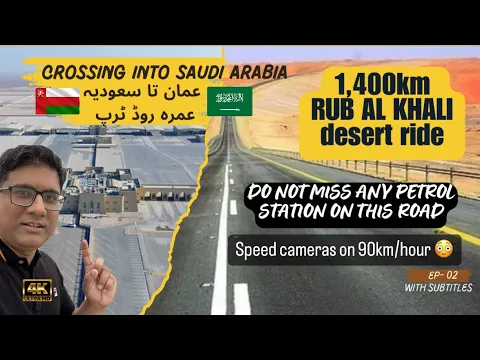
By Transforming One of the Most Arid Territories on Earth Into a Permanent Highway Corridor, Saudi Arabia Has Launched a 564-Kilometer Road That Cuts Through the Rub’ al Khali, the Empty Quarter, Solidifying a Direct Land Link With Oman in the Center of the Largest Continuous Sand Desert on the Planet.
To Make Crossing in This Extreme Environment Feasible, 150 Million Cubic Meters of Sand Were Removed Throughout the Project, While Engineering Teams Had to Constantly Adapt the Route of the Road to the Moving Dunes, Intense Winds, and the Natural Instability of the Terrain.
With the Launch of the Corridor, Saudis and Omanis Now Have a Direct Road Connection Without the Need to Cross Intermediate Countries, A Factor That Reorganizes Trade Routes, Reduces Logistical Distances, and Alters the Regional Circulation Pattern in the Arabian Peninsula.
-
These living root bridges and ladders are over 700 years old and help indigenous people survive in one of the rainiest regions in the world.

-
From sertanejo star to international investor: Ana Castela invests millions in a mansion in the USA, creates a themed accommodation in Orlando, and shows that the “boiadeira” also wants to grow away from the stage.

-
The 10 most stunning motorhomes in the world: a $3 million trailer with a rooftop nightclub and garage for a Ferrari, “palaces on wheels” with Italian marble, private cinema, and five-star hotel luxury for billionaires.

-
Trump wanted to spend $400 million on the White House, but the courts prohibited the million-dollar construction.


Along the Route, the Highway Connects the Batha-Haradh Interchange to the Empty Quarter Border Crossing, While the Total Link Between the Two Countries Reaches Approximately 725 Kilometers When Adding the Section Built in Omani Territory.
Highway Crosses the Largest Continuous Sand Desert on the Planet
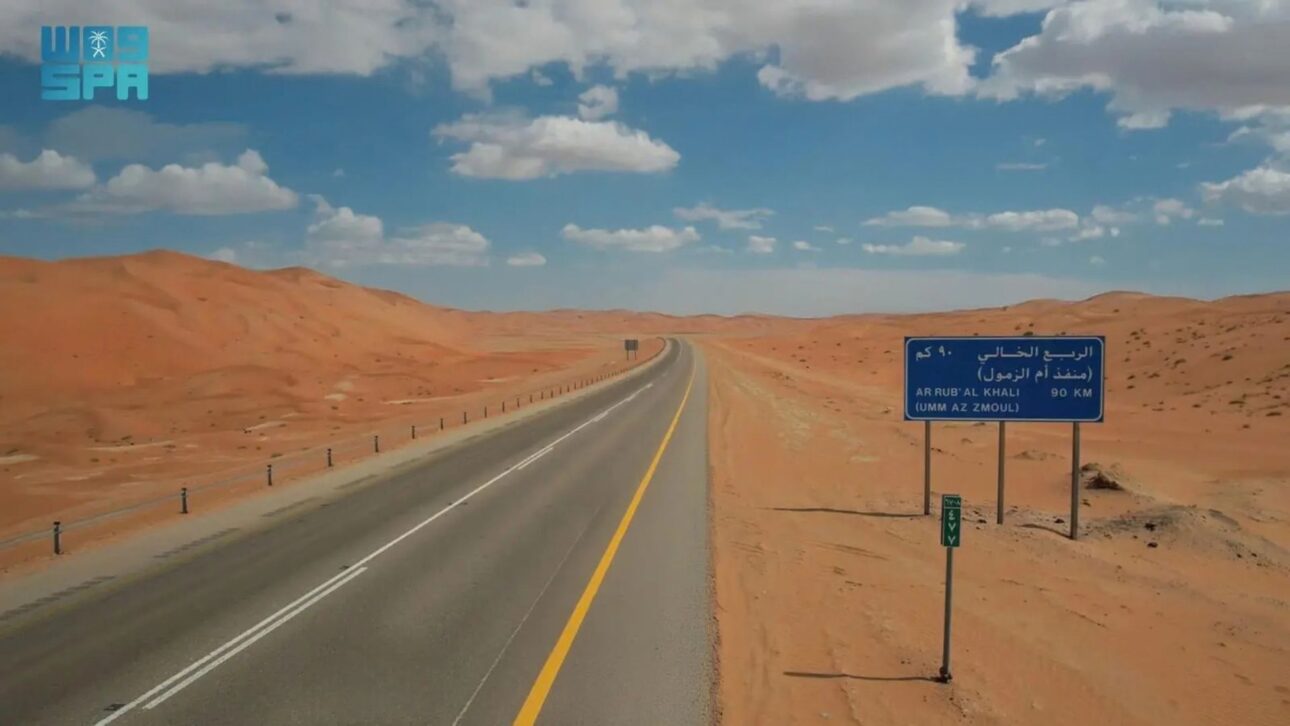
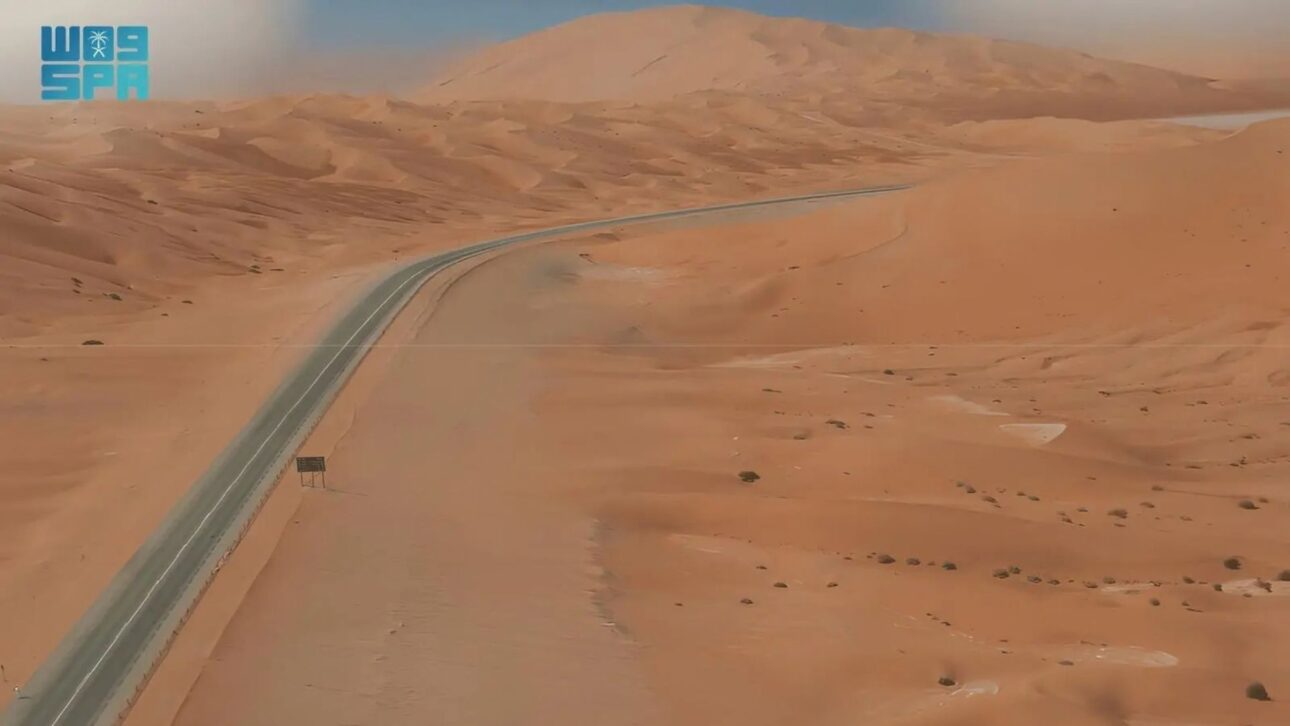
Spread Over About 650,000 Square Kilometers, the Rub’ al Khali Occupies Vast Areas of Saudi Arabia and Extends into Portions of Oman, Yemen, and the United Arab Emirates, Forming a Landscape Characterized by Extensive Dunes, Salt Flats, and Long Stretches of Virtually Uninhabited Land.
In This Scenery Dominated by Extreme Heat and Lack of Urban Infrastructure, Any Transport Project Must Deal With the Constant Movement of Sand, Rapid Changes in Topography, and the Difficulty of Maintaining Logistical Operations in Areas Far from Inhabited Centers.
For This Reason, The Construction of a Permanent Highway in the Heart of the Desert Was Treated as an Uncommon Technical Challenge, Requiring Specific Planning to Preserve the Stability of the Road and Ensure Minimum Circulation Conditions in a Territory Historically Associated With Specialized Crossings.
During Implementation, The Project Was Divided Into Two Phases to Facilitate the Advancement of Construction in an Isolated and Logistically Complex Environment, a Strategy That Allowed Gradual Expansion of the Road to the Border With Oman.
In the First Phase, 319 Kilometers of Road Were Built to the Shaybah Oil Field, an Important Exploration Area Located in the Interior of the Saudi Desert.
Subsequently, Another 246 Kilometers Were Added to the Route Until Reaching the Omani Border, Completing the Length of the Highway Within Saudi Territory.
With the Completion of These Phases, An Area Previously Mainly Associated With Energy Exploration and Desert Expeditions Has Become Part of the International Road Network of the Region.
Engineering in the Desert Required Removal of 150 Million m³ of Sand
The Scale of the Intervention Becomes Clear When Observing the Volume of Material Displaced Throughout the Work, As 150 Million Cubic Meters of Sand Had to Be Removed to Stabilize the Highway Platform.
To Face the Irregular Topography of the Desert, Heavy Machinery and Specialized Equipment Were Mobilized on a Large Scale, Allowing for Shaping the Terrain and Creating a Base Capable of Supporting Continuous Traffic in a Naturally Unstable Environment.
In Addition to Earthworks, The Project Incorporated Systems Aimed at Safety and Driver Guidance, Elements Considered Essential on a Long-Distance Route Crossing a Virtually Uninhabited Area.
Among These Structures Are 30 Kilometers of Night Lighting, Reflective Signage, and Warning Signs Designed to Remain Visible Even During Sandstorms or Low Visibility Periods.
The Highway Also Received Road Markings Spread Over About 12 Million Square Meters, A Resource Designed to Guide Traffic in Sections Where Natural Visual References Are Rare.
Along the Route, Rest Areas for Cars and Trucks Were Installed to Provide Minimum Support Points for Travelers, Considering That Extensive Stretches of the Road Are Distant From Any Urban Center.
In This Type of Environment, Signage, Lighting, and Stop Infrastructure Function Not Only as Operational Complements, But as a Central Element to Reduce Risks and Ensure That Traffic Remains Possible in Severe Weather Conditions.
New Link Reduces Travel Time and Alters Trade Routes in the Gulf
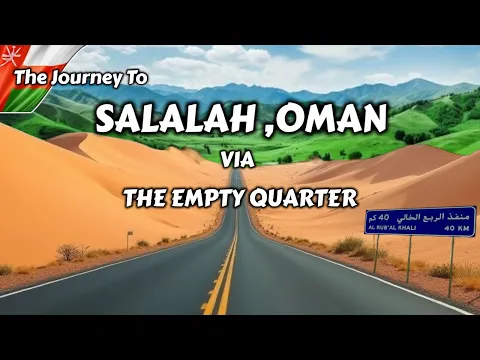

Before the Road Opened, Travelers Crossing by Land Between Oman and Saudi Arabia Normally Had to Pass Through the United Arab Emirates, A Route That Made Travel Longer and Increased Logistical Costs.
With the New Direct Link Crossing the Empty Quarter, This Geographical Layout Has Been Significantly Altered, Shortening the Path Between the Two Countries and Creating an Alternative Route for Regional Transport.
Reports Published at the Time of Inauguration Indicated That The New Highway Could Reduce Travel Time by About 16 Hours, Compared to the Previous Route That Bypassed the Desert Through Neighboring Territories.
Reductions of This Type Tend to Produce Immediate Effects in the Transportation Sector, As Shorter Travel Time Means Greater Logistical Predictability, Route Optimization, and Reduced Operational Costs.
Companies Linked to Regional Trade Also Started Observing the New Corridor Attentively, as The Road Expands Integration Possibilities Between Supply Chains Distributed Across the Gulf.
In This Context, Segments Such as Logistics, Petrochemicals, Food, Tourism, and Land Transport Appear Among the Main Beneficiaries of the New Connection.
Road Reinforces Economic Integration Between Saudi Arabia and Oman
Within Saudi Infrastructure Strategy, The Highway Was Presented as Part of a Larger Effort to Strengthen Physical and Economic Integration Among Gulf Countries.
The Total Investment Announced by Authorities and Regional Outlets Was Between 1.9 Billion and 2 Billion Saudi Riyals, Reflecting the Complexity of Implementing a Large-Scale Project in One of the Most Severe Natural Environments on the Planet.
Beyond the Bilateral Relationship With Oman, The New Link Also Reinforces Saudi Arabia’s Network of Land Connections With Members of the Gulf Cooperation Council.
With This Expansion, The Kingdom Increases Its Capacity to Act as a Regional Logistics Platform, Connecting Interior Areas of the Arabian Peninsula to Trade Routes Extending to Ports and Industrial Centers in the Region.
Omani Authorities Also Highlighted the Road’s Potential to Bring Production Hubs Closer and Facilitate Access to Neighboring Markets, Especially in Sectors Dependent on Road Transport.
By Integrating New Land Routes With Nearby Maritime Corridors, The Infrastructure Tends to Enhance Connectivity Between the Interior of the Peninsula and the Trade Flows Circulating Through the Gulf and the Arabian Sea.
From Remote Crossing to International Road Corridor
For Much of the 20th Century, The Empty Quarter Remained Associated With Scientific Expeditions, Oil Exploration, and Crossings Carried Out by Specialists in Extreme Environments.
The Presence of an International Highway Partially Alters This Scenario, As It Introduces a Permanent Flow of Traffic in a Landscape That For Decades Functioned As a Natural Barrier Between Neighboring Territories.
Still, The Desert Remains the Dominant Element of the Region, Presenting Constant Challenges for Maintenance of the Road and for Safe Operation of the Highway Over Time.
Transforming a Space Known for Its Vast Dunes into a Functional International Transport Corridor Represents a Relevant Logistical Transformation, Even If Environmental Conditions Remain Severe.
Due to This Combination of Territorial Scale, Technical Complexity, and Geographical Impact, The Highway Has Come to Be Described in Regional Press As a Landmark of Engineering in the Heart of the Rub’ al Khali.
More Than Just a Simple Road Traversing a Remote Stretch, The Project Established a Permanent Corridor of Circulation in One of the Most Arid and Challenging Landscapes on the Planet, Connecting Two Countries Through a Route Previously Considered Practically Impassable.






-

-

-

-

-

-

68 pessoas reagiram a isso.