





 Portuguese
  English
  Spanish
 5 min of reading
  0 comments


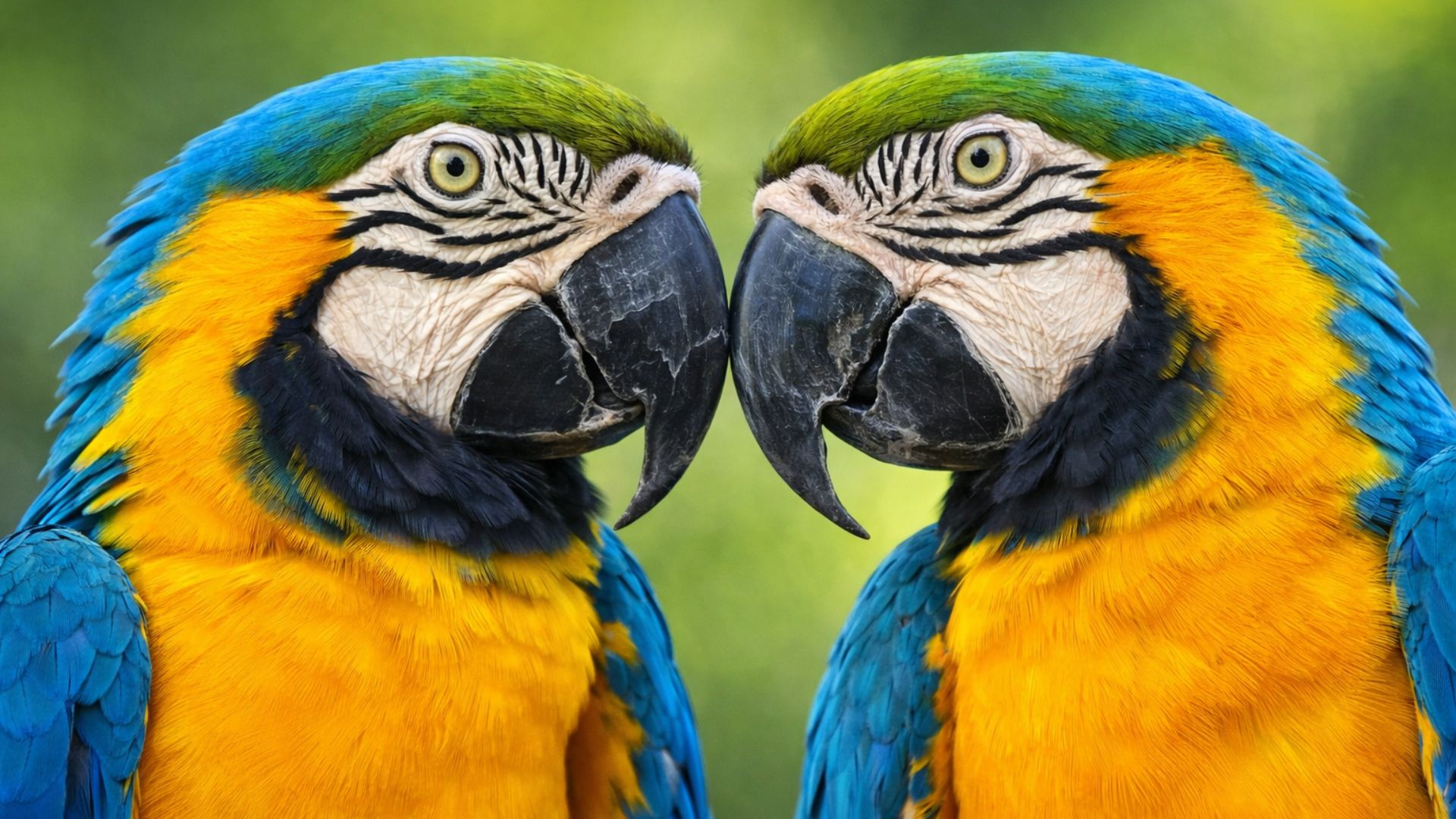
After More Than Two Centuries Without Confirmed Records, the Species Is Again Observed in the Wild in the Urban Forest of Rio, in an Action That Integrates a Reintroduction Program Conducted by Environmental Conservation Institutions.
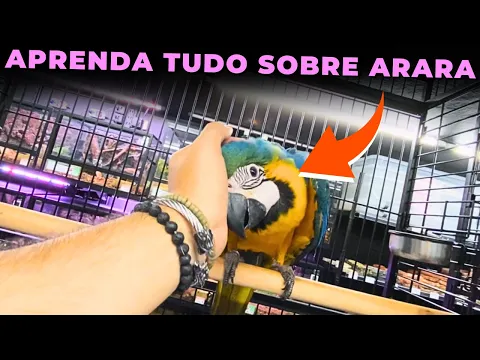
The Blue-and-yellow Macaws have been observed flying in the Tijuca National Park in Rio de Janeiro, after more than two centuries without confirmed records of the species in the wild in the area.
Three birds were recently released and have already been spotted over the forest and in areas surrounding Alto da Boa Vista, according to information from the Refauna Project and the park administration.
The release is part of a species reintroduction program conducted in the conservation unit, which aims to recover populations of animals considered locally extinct.
-
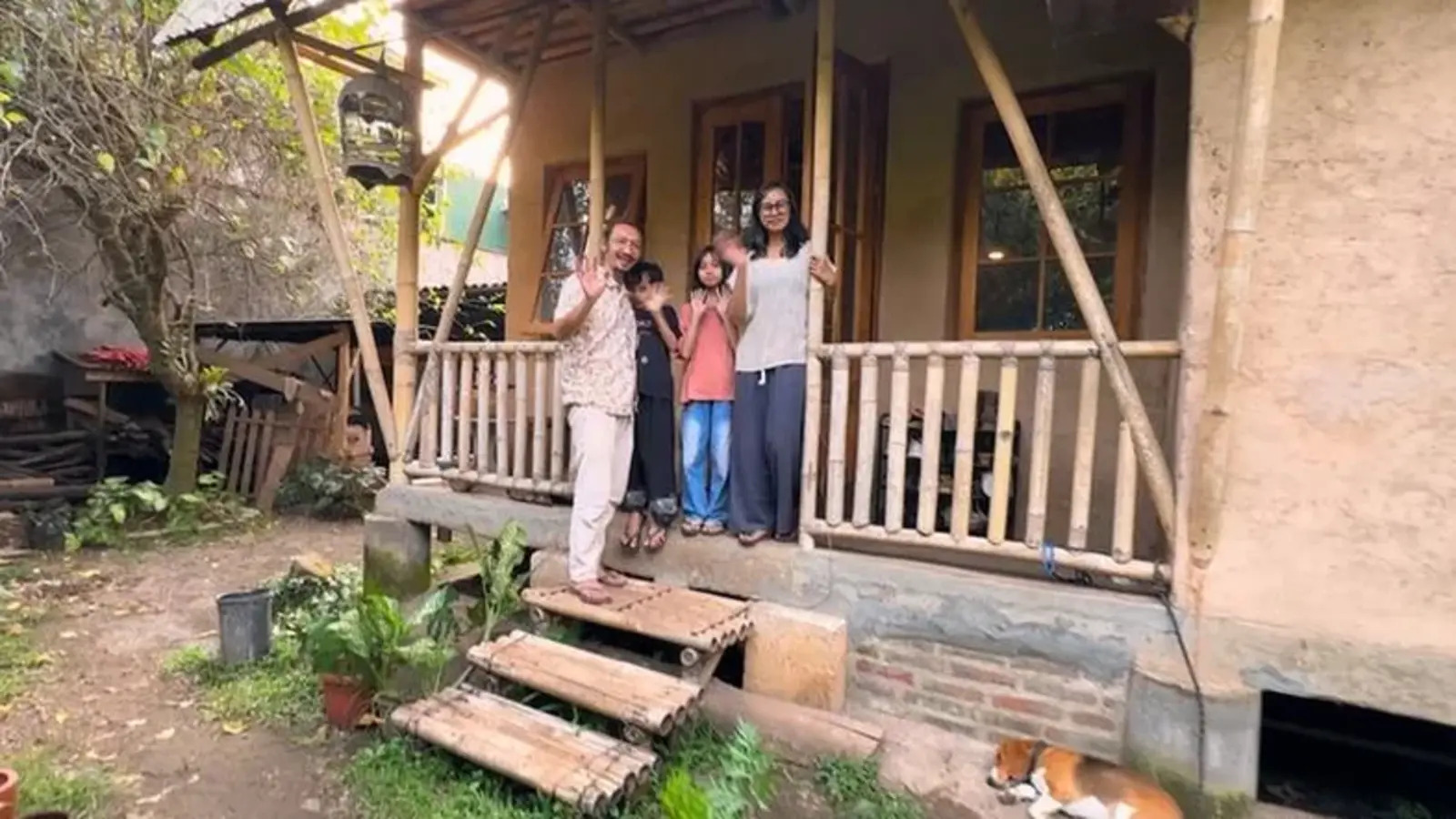
With earth, bamboo, straw, and lime mortar, a specialist builds a house for just over $460 and draws attention for its cost being much lower than traditional construction.
-
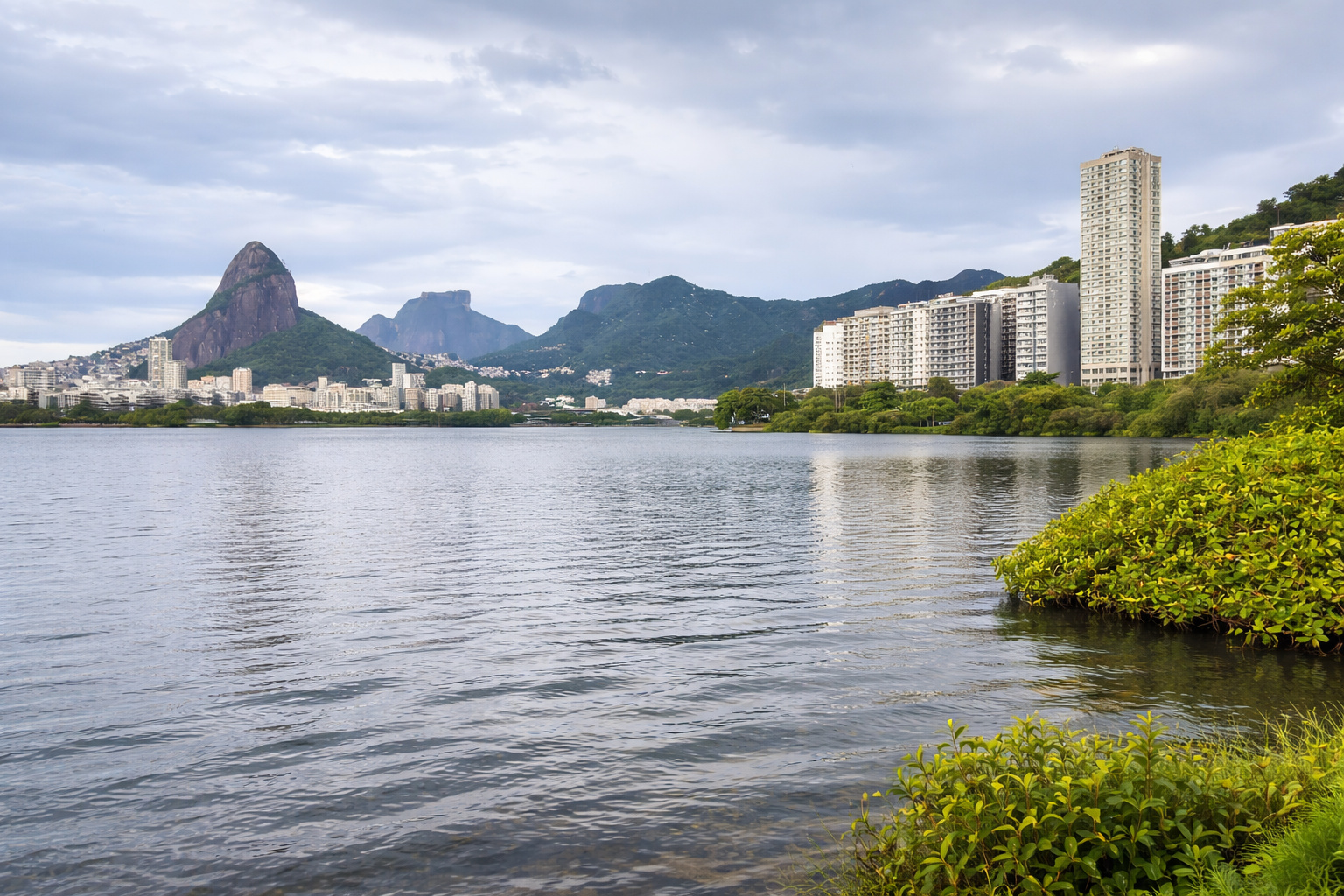
Rodrigo de Freitas Lagoon advances in environmental recovery with sanitation, elimination of irregular sewage, and the resumption of water sports in Rio de Janeiro.
-
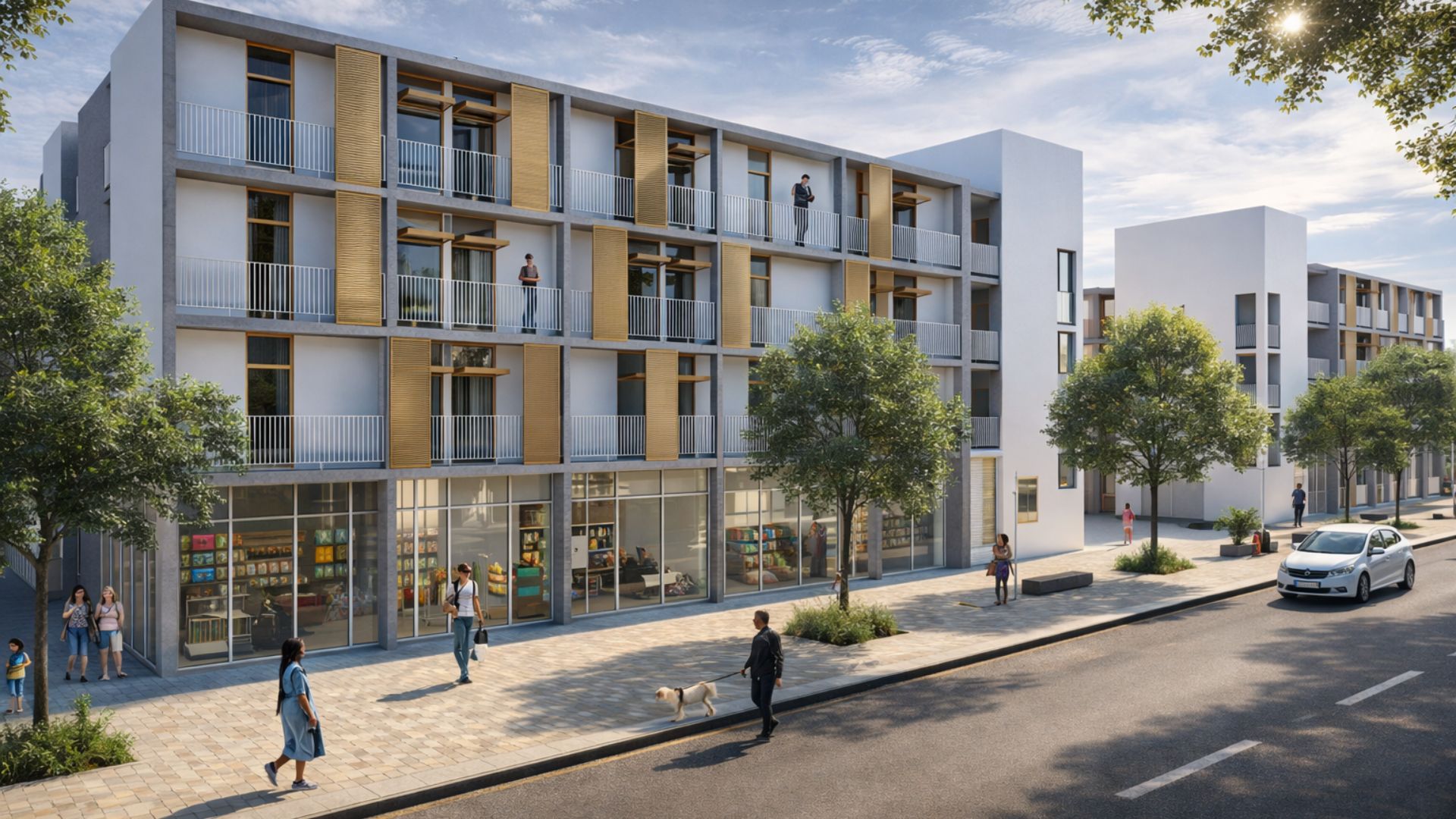
Sustainable housing gains strength with a nationally awarded project in Campo Grande, highlighting innovative solutions that combine sustainability, urban integration, and efficiency in the use of natural resources.
-
City Where Residents Live Underground to Escape 52°C May Be a Picture of the Future on an Increasingly Hot Planet


According to the responsible institutions, the presence of the macaws is associated with the attempt to restore ecological processes that have ceased to occur after the loss of these animals throughout the history of the region’s occupation.
Release of Blue-and-yellow Macaws Marks First Stage of the Project
In this initial stage, three blue-and-yellow macaws were released in the protected area.
A fourth bird remains under the care of the technical team and is expected to be released after completing the feather molting cycle, a procedure adopted to ensure adequate flight conditions and adaptation to the natural environment.
The animals arrived at Tijuca National Park in June 2025, coming from the Três Pescadores Park in Aparecida, in the interior of São Paulo.

Tijuca National Park after more than 200 years in an environmental reintroduction project. (Image: Reproduction)
Since then, they have undergone a preparation period that included health assessments, behavioral observation, and gradual adaptation to forest conditions before the final release.
During this phase, the team sought to reduce direct contact with humans and encourage behaviors compatible with life in the wild.
The diet was gradually adjusted to prioritize natural items, and acclimatization enclosures were designed to promote muscle strengthening and the autonomy of the birds.
Historical Records Indicate Absence of the Species Since 1818
According to historical surveys cited by the project, the last confirmed record of a blue-and-yellow macaw in the wild in the municipality of Rio de Janeiro dates back to 1818.
This data is associated with a documented capture by Austrian naturalist Johann Natterer, who traveled through different regions of Brazil in the 19th century.
After this period, there are no reliable records of the species living freely in the capital of Rio de Janeiro.
The institutions involved in the project attribute the disappearance mainly to hunting and habitat loss, factors that have adversely affected various species of the fauna in the Atlantic Forest over the centuries.
Reintroduction of Species Aims to Recompose Ecological Processes
The Refauna Project works on the reintroduction of species considered locally extinct in Tijuca National Park.

Before the blue-and-yellow macaws, actions involving animals such as agoutis, red-footed tortoises, and howler monkeys had already been carried out, all with a history of disappearance in the area.
According to those responsible, these animals play important roles in the dynamics of the forest, such as seed dispersal and vegetation maintenance.
The evaluation of the project is that the prolonged absence of these species has altered natural processes, even in areas where forest cover has been preserved or restored.
In a statement, the Chico Mendes Institute for Biodiversity Conservation reported that the reintroduction of the macaws was preceded by a period of acclimatization in enclosures installed within the park.
The strategy included providing food compatible with the natural environment and using structures that simulate resting and nesting sites.
“The Atlantic Forest has lost many species of flora and fauna over the last few centuries.
Even where there is forest, it is often silent and empty.
By bringing back animals like the macaws, we are restoring ecological functions and sounds, and helping nature to regenerate,” stated UFRJ biologist Marcelo Rheingantz, executive director of Refauna.
According to ICMBio, the park currently presents environmental conditions considered suitable for the species to remain.
Despite this, the location of the unit, surrounded by urbanized areas, requires constant monitoring and additional care during the initial adaptation phase.
Guidelines for the Public and Monitoring of the Birds
The institutions involved emphasize that the behavior of the population living, circulating, or visiting the surroundings of the park is considered a relevant factor for the success of the reintroduction.

The recommendation is that any sightings be reported to the Refauna Project, with information on location, date, and time, as well as images, when possible.
In situations where the animal is injured or in danger, the recommendation is to contact the Environmental Police or the Fire Department.
It is also suggested to use the Green Line, a channel that receives environmental complaints anonymously.
Another point emphasized by technical teams is the need to avoid any type of direct interaction.
Feeding, touching, or trying to attract the macaws may interfere with the adaptation process and increase the risk of accidents, especially in areas close to roads and residences.
In addition to direct contact with the project, the public can contribute through the SISS-Geo app, developed by Fiocruz.
The tool allows for the recording of georeferenced wildlife observations, even in areas without internet access, and the data can assist in monitoring the movements of the birds.
Expansion of the Project Plans for New Releases in Tijuca
According to the disclosed schedule, new releases are planned for the coming months.
The project’s expectation is to reintroduce another six macaws throughout the first half of 2026, gradually expanding the group in the wild in Tijuca.
The informed goal is to reach about 50 individuals within a period of five years, a number considered sufficient to increase the chances of reproduction and the species’ permanence in the region.
The progress of the plan depends on continuous monitoring, prevention against illegal capture, and reduction of risks associated with the urban environment.






-

-

11 pessoas reagiram a isso.