





 Portuguese
  English
  Spanish
  6 min of reading
  0 comments


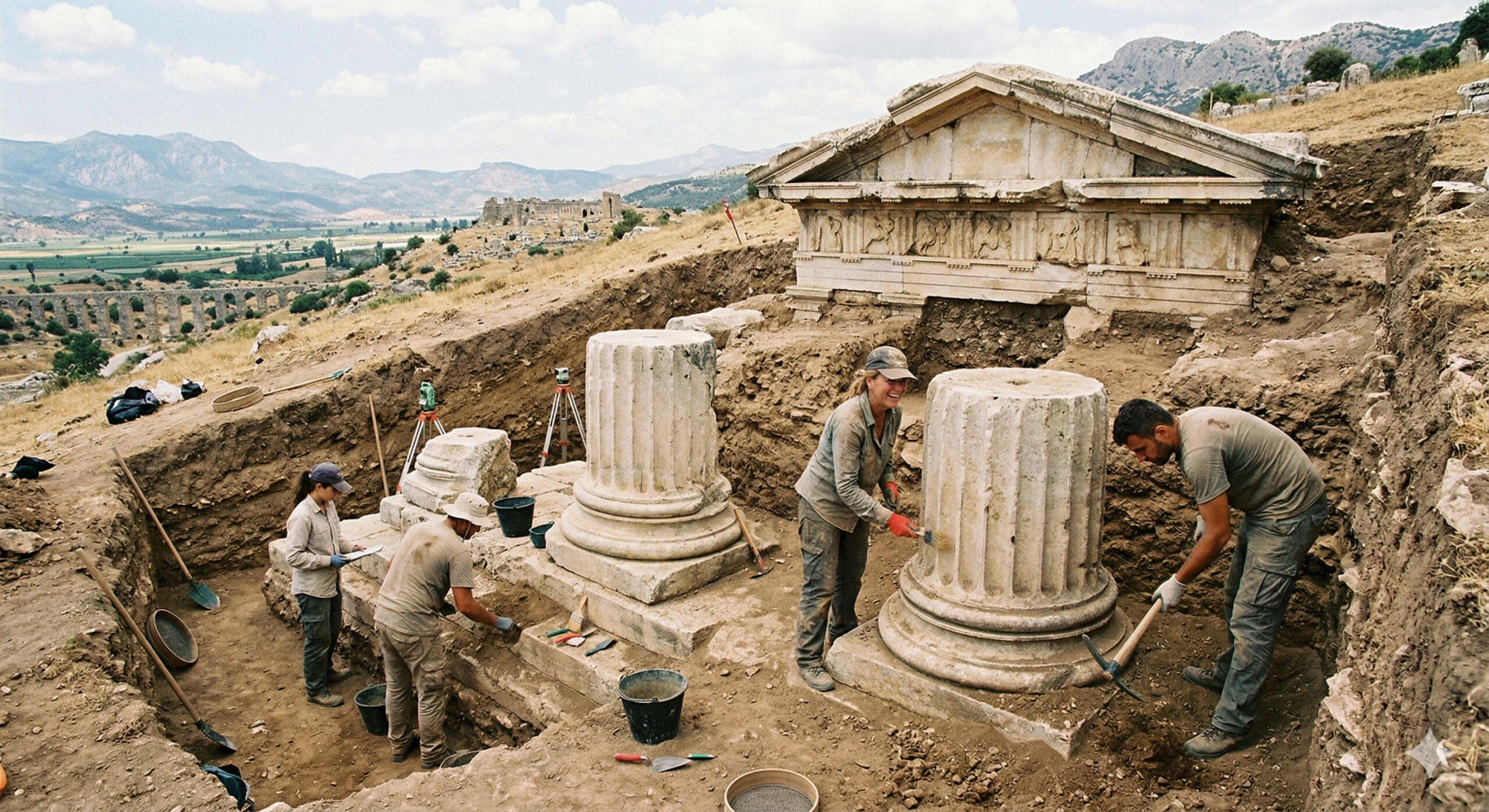
A possible temple of Zeus found in Turkey reignites debate about ancient cults and reveals a millennial structure hidden beneath a historic city.
In 2025, teams of archaeologists working in southern Turkey announced the identification of a structure interpreted as the lost temple of Zeus in the ancient city of Limyra, located in the historic region of Lycia. The discovery was reported by Daily Sabah and received additional institutional backing in material from the Austrian Archaeological Institute, which informed that, during the 2025 campaign, an extra-urban cult district from the classical period was identified in Limyra, with a fragmentary altar inscription mentioning Zeus as the recipient of the dedication and Pericles as the donor.
Limyra, now located near present-day Finike, was already known for its monumental set. According to the official page of the archaeological site of Limyra, the city contains more than 400 rock-cut tombs and a Hellenistic theater, elements that help to gauge its historical relevance within ancient Lycia. In this context, the possible location of a temple dedicated to Zeus, the main god of the Greek pantheon, remained for decades one of the most debated points of the sacred topography of the site.
The new evidence comes after decades of excavations and fragmented analyses. According to the report echoed by Daily Sabah, the temple was known from epigraphic sources since 1982, but its exact location remained unknown for over 40 years. Recent excavations have uncovered part of the structure, including the main entrance, the eastern façade, and the antae of the portico, reinforcing the hypothesis that the site functioned as an important regional religious center that remained hidden beneath successive layers of human occupation.
-
BYD presents an absurd charging speed of 1,500 kW that adds 500 km of range in just five minutes, but BMW warns that this extreme speed could be costly for the battery of your electric car.

-
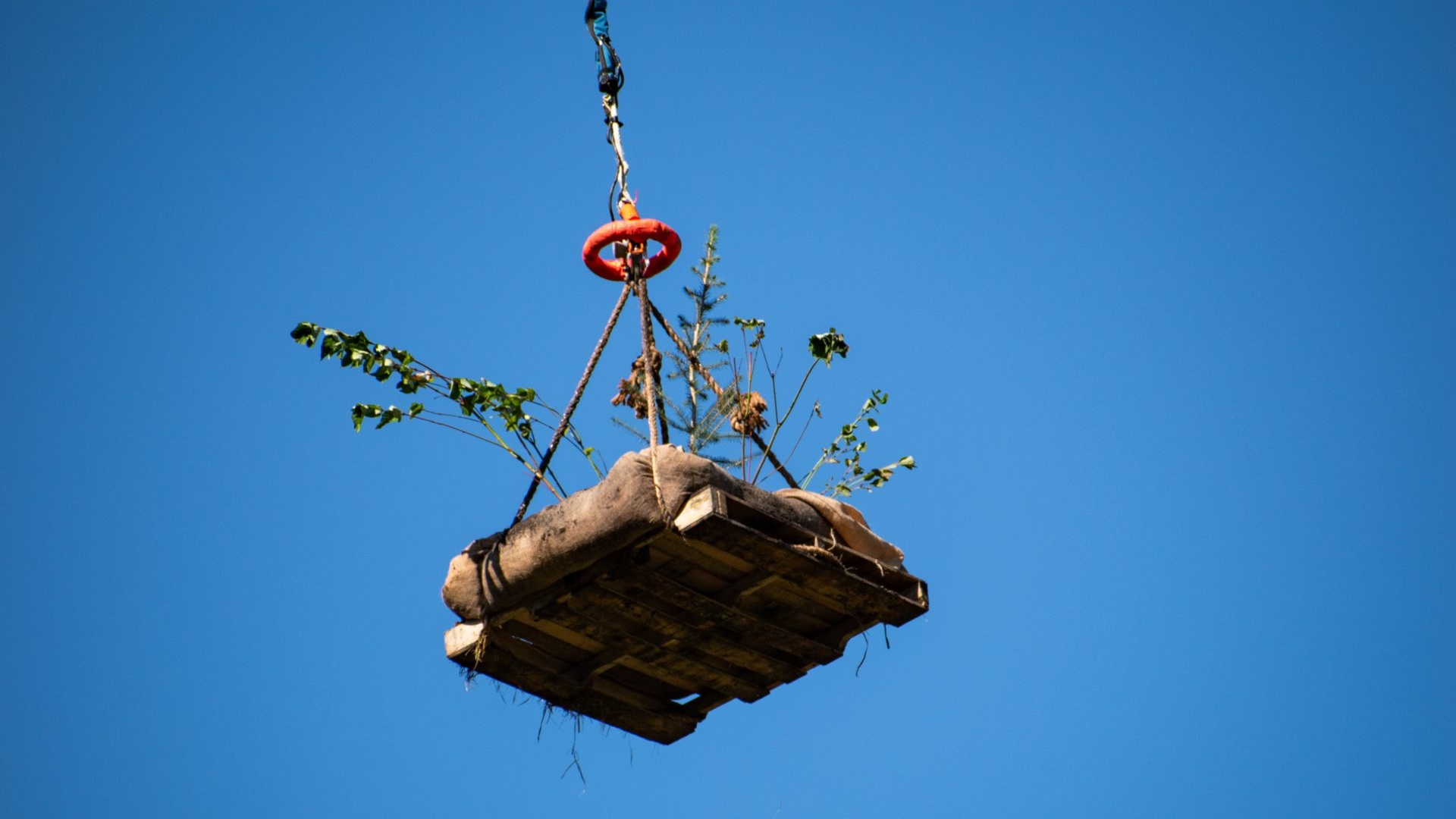
Helicopters transport “artificial islands” with soil, trees, and shrubs into a waterlogged and nearly inaccessible swamp in the USA.
-
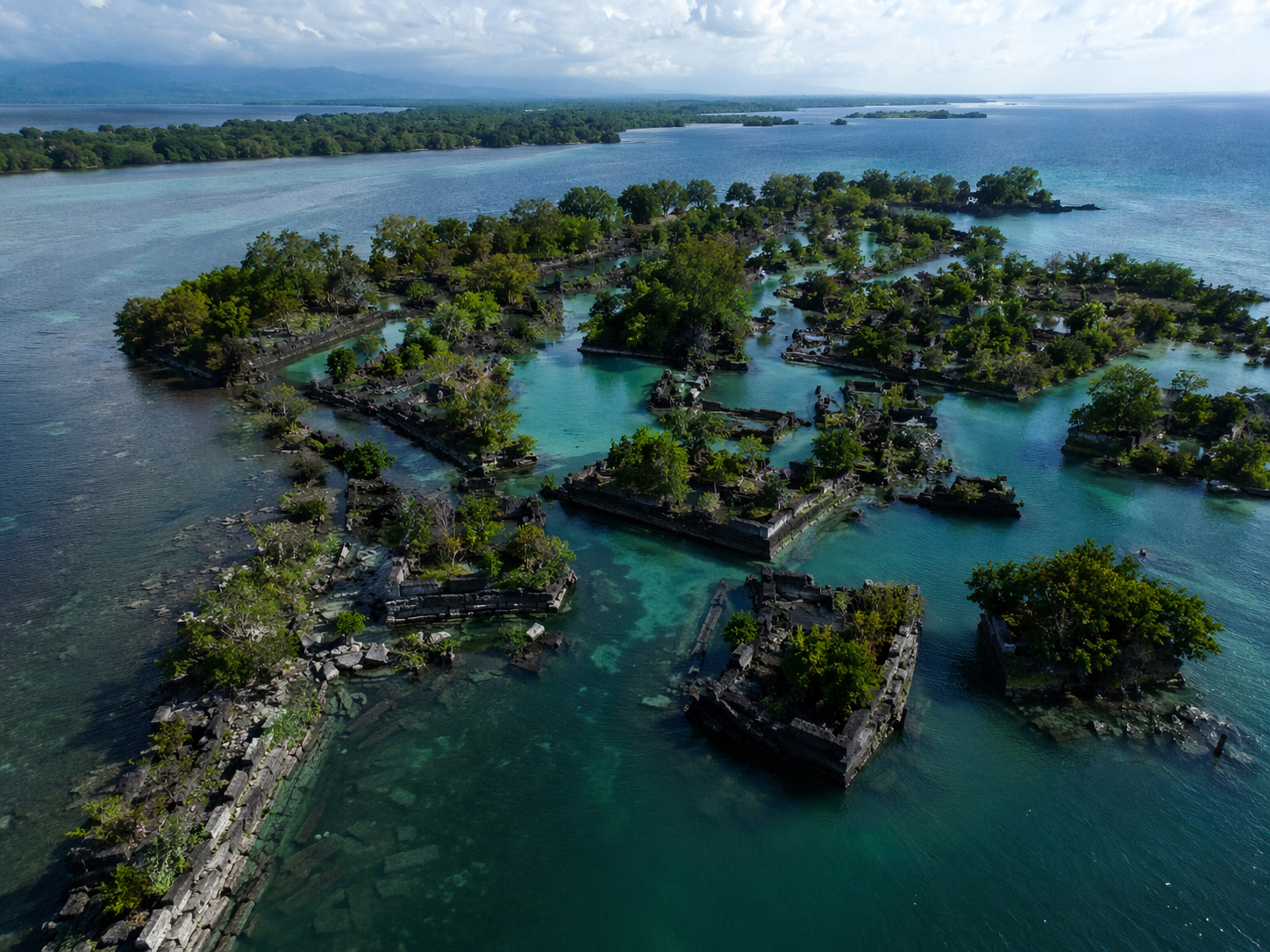
The lost city of Nan Madol challenges logic by emerging in the middle of the Pacific with canals, geometric islands, and tons of stone that were moved without known technology.
-
Few know, but China has a ghost fleet of up to 2,000 boats near Japan and turns fishing into silent strategic pressure in the East China Sea.

Limyra and its strategic role in ancient Lycia
The city of Limyra was one of the most important in ancient Lycia, a region that, despite being under strong Greek influence, maintained its own cultural characteristics over the centuries. Situated between trade routes and fertile areas, the city played a central role both politically and religiously.
Throughout the classical and Hellenistic periods, the region underwent Persian, Greek, and later Roman influences. This multicultural context makes the identification of temples and cults even more complex, as structures were often reused, adapted, or reconstructed.
The possible discovery of a temple dedicated to Zeus in Limyra reinforces the presence of the Greek cult in the region, but also raises questions about how this cult was locally reinterpreted, possibly blended with earlier Lycian traditions.
Evidence pointing to a temple of Zeus
The identification of the site as a possible temple of Zeus did not occur immediately. Archaeologists worked with a combination of structural evidence, architectural fragments, and indirect inscriptions.

Among the elements analyzed are column bases, stone blocks with typical characteristics of Greek religious architecture, and the spatial arrangement compatible with classical temples. Additionally, decorative fragments suggest the presence of a building of great symbolic importance.
The positioning of the structure in relation to the rest of the city is also a relevant factor, as temples dedicated to Zeus often occupied elevated or central areas, symbolizing his position as the supreme deity.
Although there is still no direct inscription confirming the dedication to Zeus, the body of evidence has been considered strong enough to support this hypothesis.
Historical layers have hidden the structure for centuries
One of the main challenges faced by the teams was the complexity of the archaeological layers in Limyra. Over the centuries, the city has been occupied, abandoned, rebuilt, and partially buried.
This overlap of historical periods has completely obscured ancient structures, making it difficult to identify specific buildings such as temples.


In many cases, materials from ancient constructions were reused in later buildings, a common practice in the ancient world. This means that parts of the possible temple may have been incorporated into other structures over time.
Excavation therefore requires meticulous work of separating layers, analyzing materials, and reconstructing the original context.
Zeus outside Greece: how the cult expanded
The presence of a temple of Zeus in Limyra is not just a local detail. It is part of a larger phenomenon: the expansion of Greek culture and religion beyond the original territory of Greece.
During the classical and Hellenistic periods, the cult of Zeus spread across various regions of the Mediterranean, taking on different forms depending on the local context.
In Anatolia, for example, Zeus was often associated with pre-existing local deities, creating hybrid versions of the god. This process, known as religious syncretism, is fundamental to understanding how temples like the one in Limyra functioned.
This means that the Zeus worshiped there may not be exactly the same Zeus described in traditional Greek myths, but an adaptation that incorporated regional cultural elements.
Architecture and symbolic importance of the temples of Zeus
Temples dedicated to Zeus generally featured monumental characteristics, reflecting the importance of the deity. Imposing columns, external altars, and spaces for offerings were common elements.
In addition to their religious function, these temples also played a political and social role. They were places of gathering, celebration, and affirmation of collective identity.
The possible existence of such a temple in Limyra indicates that the city was not only a relevant urban center but also a major religious hub.
This discovery helps to reposition Limyra within the map of the most influential ancient cities in the region.
What is still needed to confirm the discovery
Despite the progress, archaeologists are still working to definitively confirm the nature of the structure. The absence of a direct inscription with the name of Zeus is one of the main open points.
Future investigations include additional excavations, analysis of artifacts, and comparison with other known temples from the same period.
Confirmation depends on a set of converging evidence, something common in archaeology, where rarely a single piece of evidence is sufficient.
Still, the growing consensus among experts indicates that the hypothesis of the temple of Zeus is highly plausible.
The impact of the discovery on archaeology
The identification of a possible lost temple of Zeus in Limyra has important implications for the study of antiquity.
It broadens the understanding of the geographical distribution of Greek cults and how these cults were adapted in different cultural contexts.
Moreover, it reinforces the idea that significant structures are still hidden beneath cities that have already been extensively studied. This demonstrates that archaeology continues to reveal new layers of history even in places considered well-known.
A city that still holds secrets beneath the earth
Limyra is a clear example of how the past can remain hidden for centuries, even in regions already explored by archaeologists.
The possible discovery of the temple of Zeus suggests that there is still much to be revealed, not only in Turkey but in various areas of the ancient world.
With new technologies, such as geophysical scanning and digital terrain analysis, the trend is that more hidden structures will come to light in the coming years.
What do you think of this discovery that could change the religious map of antiquity?
The identification of a possible temple of Zeus in Limyra shows how the line between myth and history continues to be investigated to this day.
Do you believe that there are still many temples and entire cities hidden beneath already known locations, waiting to be discovered?







Seja o primeiro a reagir!