





 Portuguese
  English
  Spanish
  4 min of reading
  0 comments


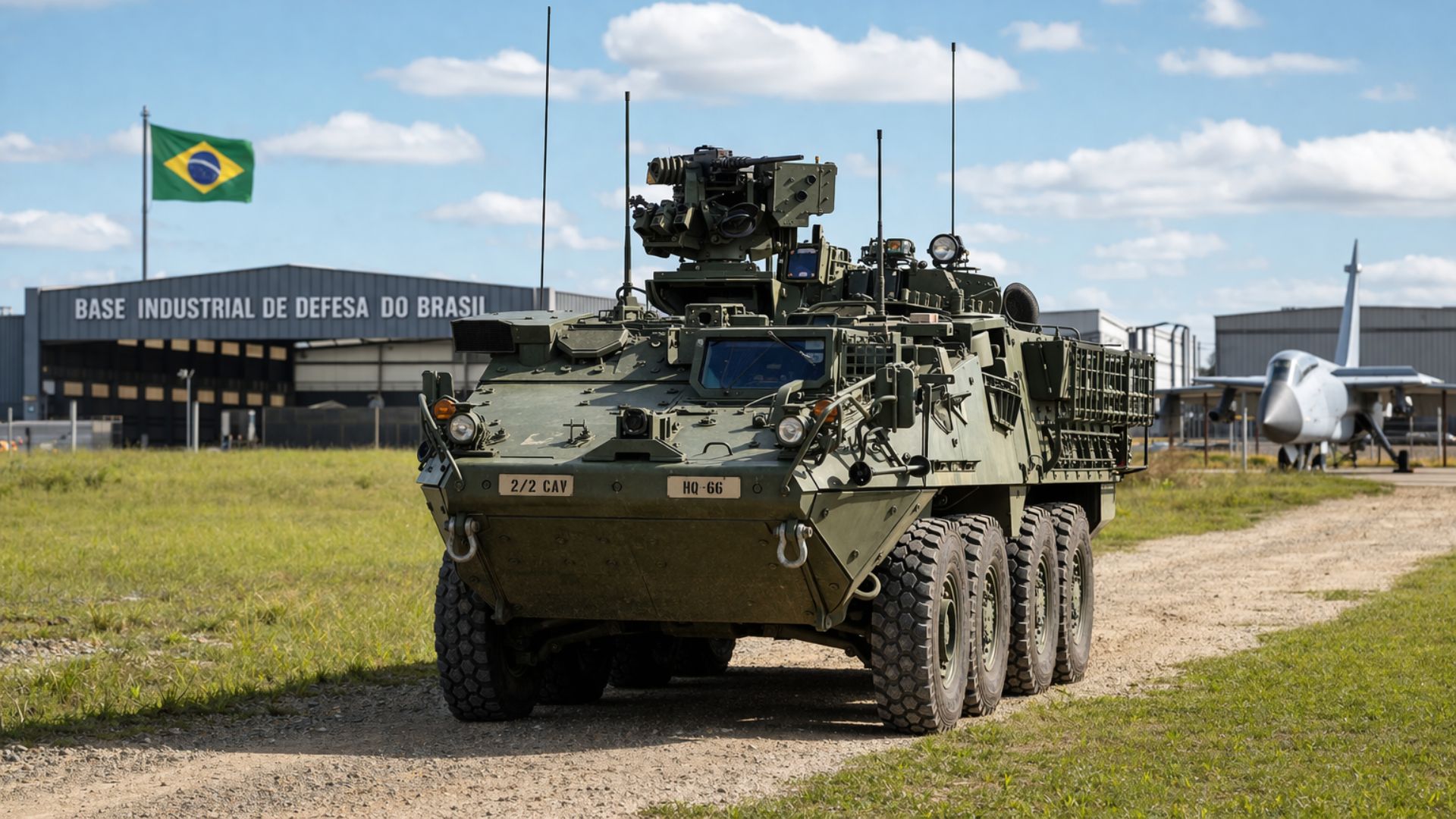
Simultaneous movements in South American defense reveal distinct strategies between military modernization and industrial expansion, with direct impacts on the operational capacity and international insertion of Argentina and Brazil.
The entry of the first Stryker 8×8 armored vehicles into an operational unit of the Argentine Army and the record of US$ 3.1 billion in export authorizations from the Brazilian defense industry highlight different strategies to enhance military capabilities in South America.
On one hand, Argentina accelerates the modernization of its ground force with vehicles received from the United States; on the other hand, Brazil expands the international presence of its Defense Industrial Base, already active in about 140 countries.
Incorporation of the Stryker 8×8 marks a new phase in the Argentine Army
In the Argentine case, the most recent formalization took place in Toay, in the province of La Pampa, with the incorporation of the vehicles into the Mechanized Infantry Regiment 6, part of the X Mechanized Brigade.
-
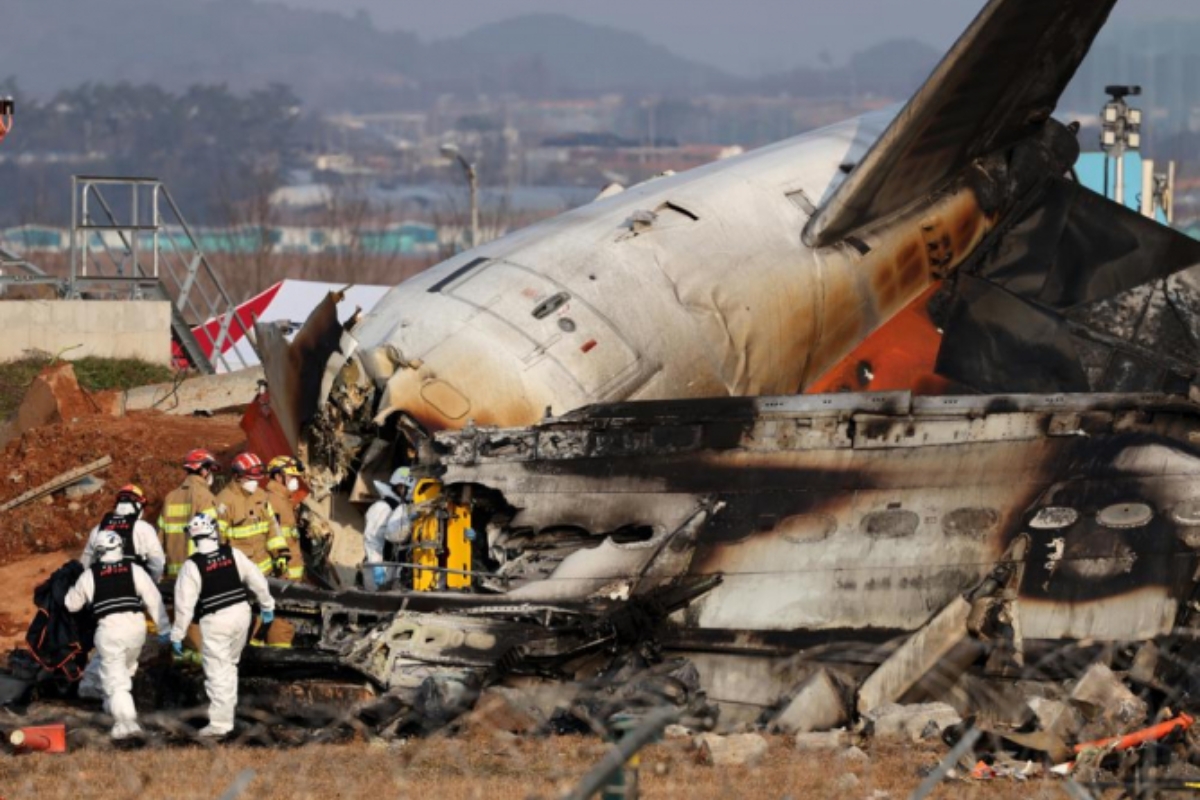
A flight attendant fell from 10,160 meters without a parachute after an airplane explosion, survived against all logic, and still holds the record for the highest fall ever survived by a human being.
-
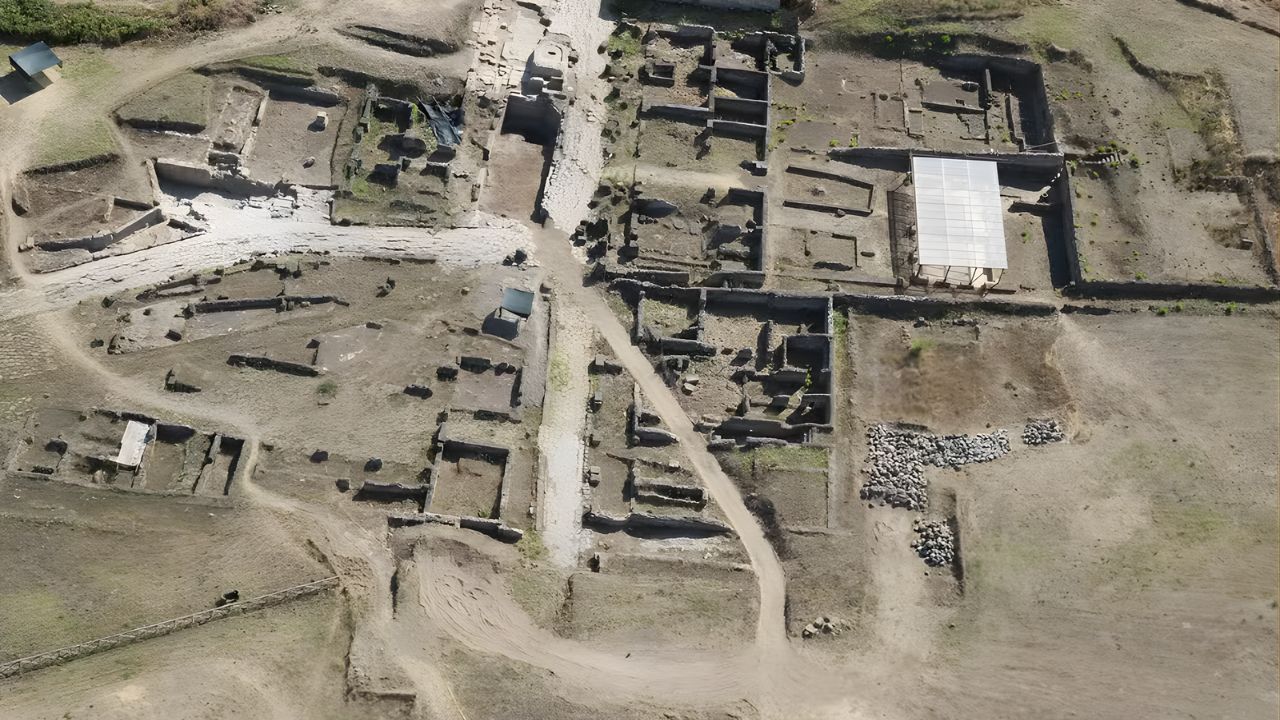
With a monumental stone structure dating back over 2,000 years, excavated 6 meters deep and with dimensions that surprise archaeologists, the newly discovered tank in Gabii may be one of the first major public works of Ancient Rome outside of temples and walls.
-
Goodbye fitness bracelet: users around the world are replacing the old item with this more discreet, comfortable smart ring that can monitor health for several days without recharging.

-
Millions of people have been eating garlic for centuries without knowing that this simple bulb contains a compound called allicin, which studies link to the reduction of blood pressure and cholesterol.


According to the Argentine Army, the ceremony marked the conclusion of the first cycle of the VCBR 8×8 Program and opened a new stage in the modernization process of the force, now with the armored vehicles already linked to the operational structure of the brigade.
The incorporation, however, did not begin at this formal event.
Before arriving in Toay, Argentine military personnel underwent training at U.S. Army bases, with technical support focused on driving, maintenance, and operation of the system, while the first four vehicles landed at the port of Zárate and proceeded for technical reception at the 601 Arsenal Battalion in Boulogne.
Training and logistics sustain operational integration of the armored vehicles
Throughout March 2026, the Argentine Army reported that the crews completed the initial operational capability phase, with certification in combat shooting at the Guarnición Ejército Magdalena and parallel advancement in technical training in electronic diagnostics and field maintenance.
In parallel, a mission from the General Directorate of Material was sent to Fort Hood, Texas, and the Anniston Army Depot, to monitor logistical support, readiness status, and future shipments of the program.
The Argentine force views the Stryker as a significant gain in tactical mobility, armored protection, and deployment capability in different operational scenarios.
According to official communication, the program plans to incorporate up to 209 units in variants such as personnel transport, infantry combat, tank hunting, mortar carriers, and command posts.
Brazilian military exports reach historic record in 2025
In Brazil, the most recent highlight came from the industry, not from the immediate incorporation of a foreign system into the troops.
In a report released by the Ministry of Defense, the country achieved in 2025 the highest level ever recorded in authorizations for exports of defense products and services, with US$ 3.1 billion, a result 74% higher than in 2024.
The volume more than doubled compared to 2023, indicating continuous growth in the sector.
This advancement was recorded in a segment that includes companies involved in aircraft, vessels, armored vehicles, ammunition, radars, cyber solutions, and secure communications.
Defense Industrial Base expands global presence and economic impact
According to the Ministry of Defense, the five largest importers of Brazilian defense products were Germany, Bulgaria, United Arab Emirates, United States, and Portugal.
This breakdown indicates a diversified commercial insertion and less dependence on isolated sales.
Official data presented at the launch of the Defense Industrial Base Catalog indicate that the sector comprises about 80 exporting companies, operating in more than 140 countries.
The base accounts for approximately 3.49% of GDP and generates nearly 3 million direct and indirect jobs.
In the Brazilian government’s discourse, these numbers support the view that the Defense Industrial Base has begun to occupy a broader space in industrial policy and the country’s external insertion.
Distinct strategies reposition the debate on defense in the region
While Argentina focuses efforts on the operational absorption of a foreign armored system, with training, personnel certification, and logistical preparation, Brazil projects its capacity through an industry that expands exports and diversifies markets.
The regional effect of this contrast repositions defense in a debate that goes beyond specialized news and reaches themes such as employment, technology, sovereignty, and international insertion.
When one country showcases the entry of new armored vehicles into an operational unit and the other records a historic high in export authorizations, what becomes clearer is not a single model of modernization, but the choice of different paths to enhance capacity and influence in the sector.






Seja o primeiro a reagir!