





 Portuguese
  English
  Spanish
  3 min of reading
  0 comments



Measure Aims to Facilitate Tourism and Business While Strengthening Ideological Ties Between Milei and the U.S. Government
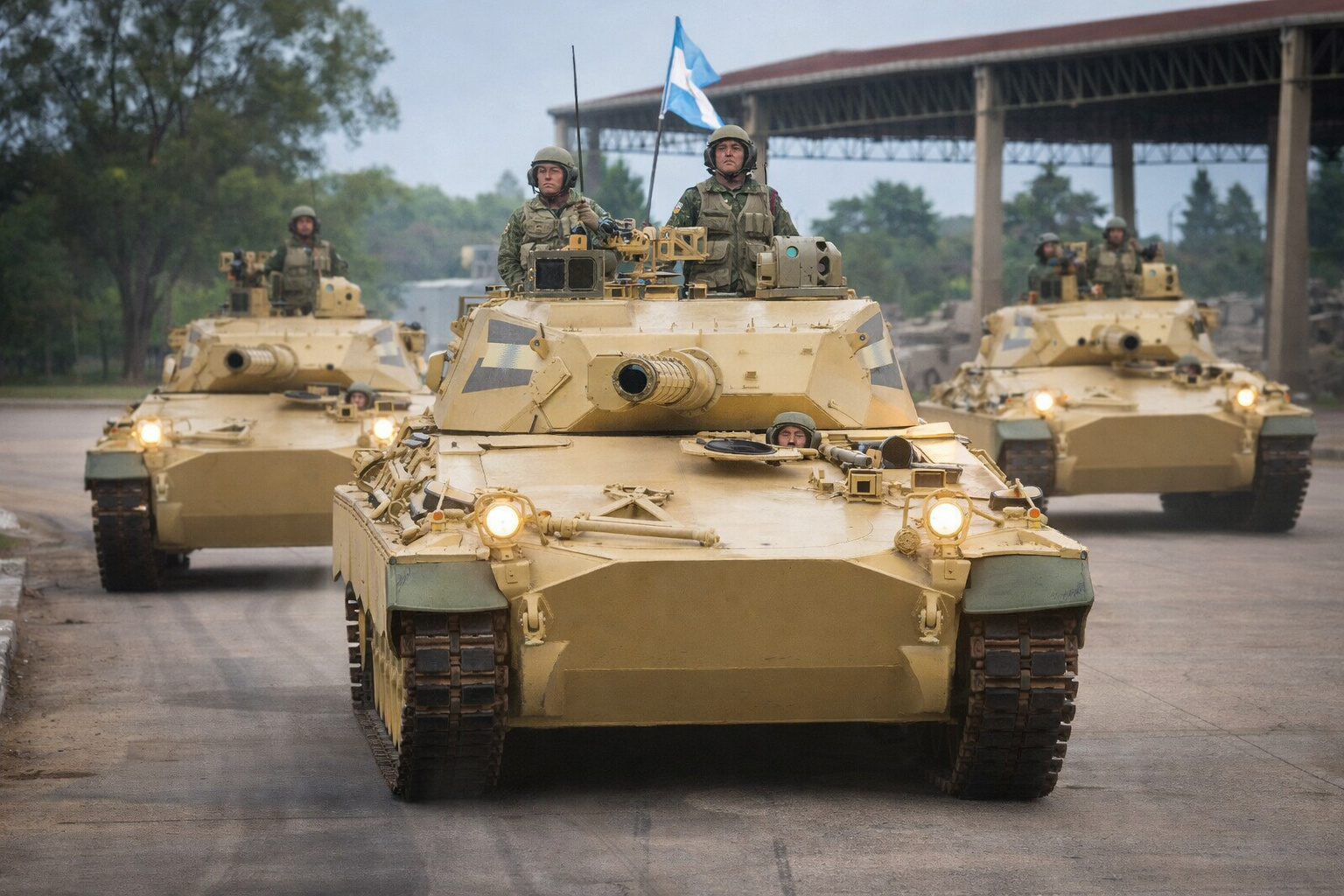
The government of Javier Milei announced, on July 28, 2025, the official request to join the U.S. Visa Waiver Program.
The measure aims to allow Argentines to enter the U.S. without a visa, for both tourism and business.
The decision came shortly after the visit of U.S. Secretary of Homeland Security, Kristi Noem, to the Casa Rosada.
With this, Argentina intends to join a group of 42 countries with eased access to U.S. territory.
According to the official statement, entry into the program requires compliance with strict immigration standards.
Closer Ties with the U.S. Distance Argentina from the South American Bloc
The Argentine president has strengthened ties with the Trump administration since his return to the White House.
Meanwhile, countries like Brazil face trade tensions with the United States.
On July 9, 2025, the Trump administration announced a 50% tariff on Brazilian products.
This new taxation will take effect from August 1.
On the other hand, Argentina is trying to benefit from this scenario by deepening its relationship with the current American government.
This bond is established both through ideological affinity and economic interests.


How the Visa Waiver Program Works
The Visa Waiver Program allows citizens of participating countries to travel to the U.S. for up to 90 days without a visa.
All that is needed is to fill out the ESTA form at least 90 days in advance.
The current fee is US$ 21, about R$ 114.
This amount is much lower than the over R$ 1,000 charged for a conventional visa.
Currently, only Chile has this benefit among Latin American countries.
To join, Argentina will need to adopt security measures compatible with international requirements.
-
USA and China compete for Brazil over resources that could be worth trillions — rare earths put the country at the center of a global dispute

-
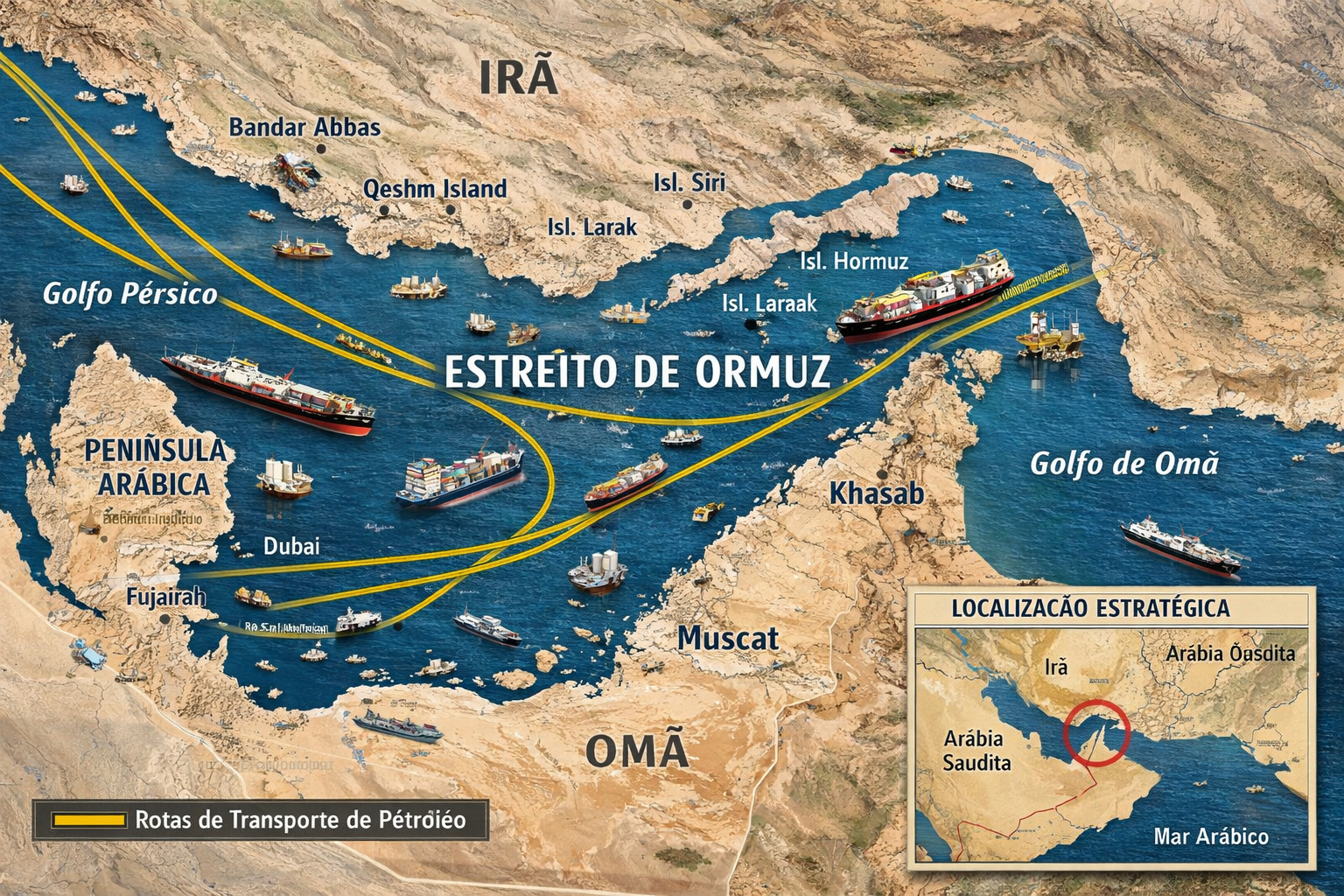
Global summit with over 40 countries pressures Iran for a blockade in the Strait of Hormuz and warns of direct impact on oil, food, and the global economy.
-
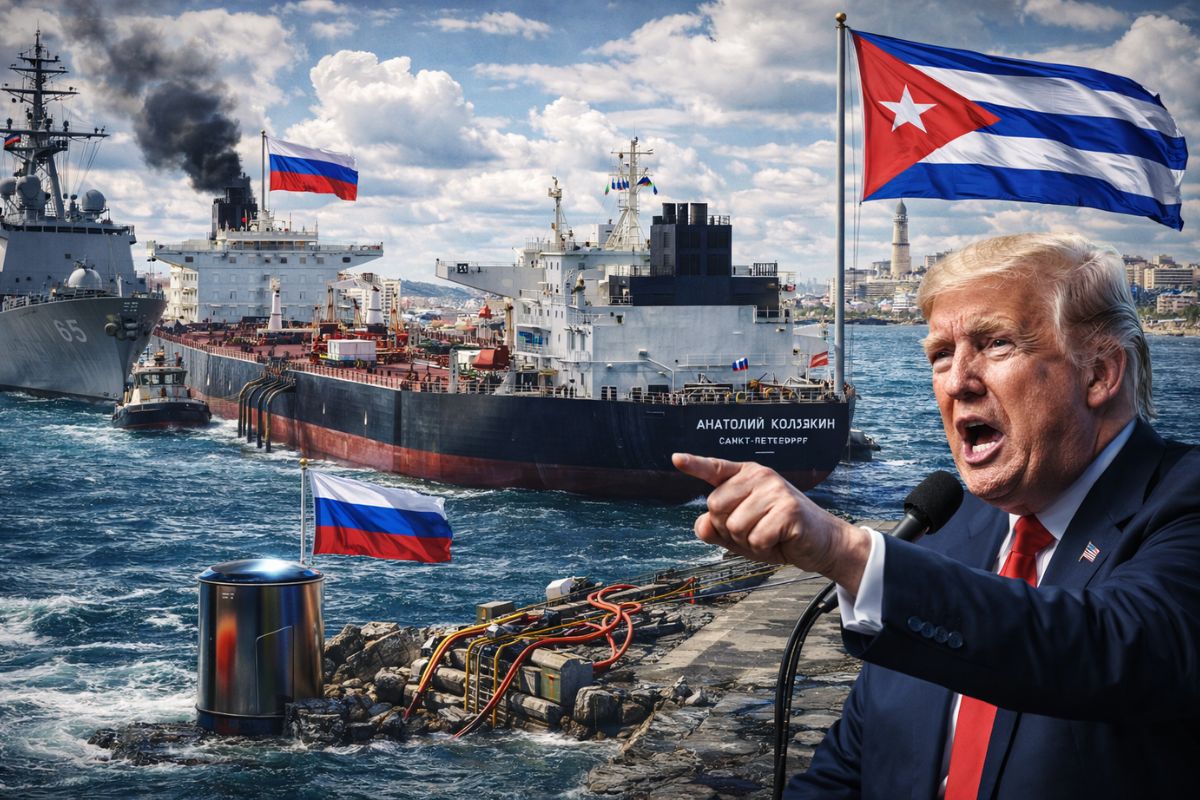
Russia has broken the U.S. maritime blockade to send oil to Cuba and is now loading a second ship while Trump says that “Cuba is next” in a possible military action against the island.
-
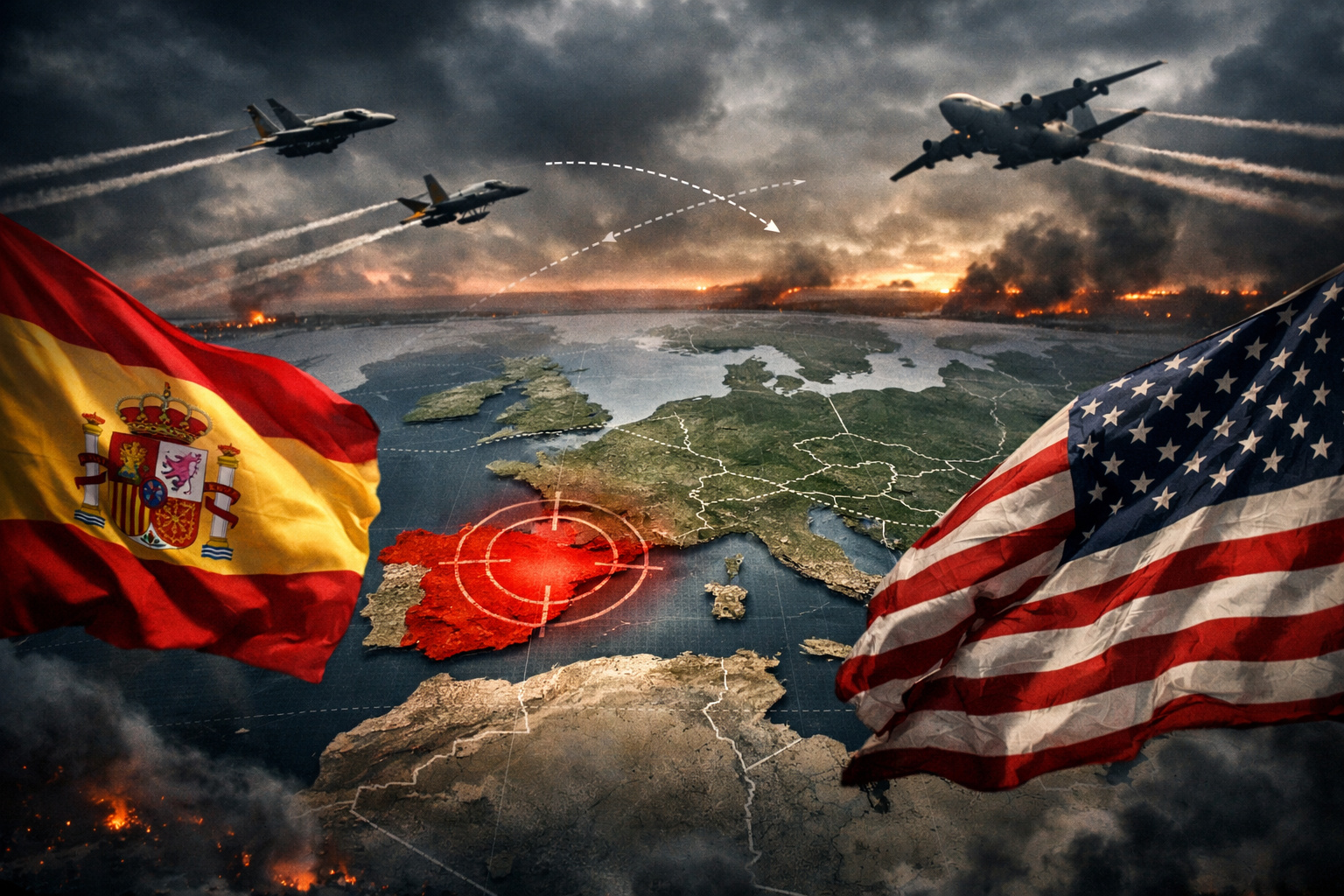
Spain challenges the USA and closes its airspace for operations against Iran, raising global tension and provoking the threat of a trade rupture.

Brazil Faces Barriers and Diplomatic Impasse
Despite attempts that began in 2011 by Dilma Rousseff and Barack Obama, Brazil has not advanced in the exemption process.
Now, with Trump back in the presidency, the country finds itself at a disadvantage.
The Ministry of Development, Industry, and Foreign Trade stated, on July 27, that it is negotiating a diplomatic solution.
However, experts like Alberto Pfeifer from USP point to failures in dialogue channels.
According to him, tariff decisions are concentrated at the highest levels of the White House.
This factor makes any technical or neutral progress difficult.
Argentine Strategy Targets Tourism, Business, and Geopolitics
Argentina’s membership in the VWP does not just represent an advancement in tourism.
It also consolidates closer ties with the United States and strengthens the country’s position in South America.
Reducing entry costs in the U.S. market could boost the Argentine economy.
Moreover, the gesture signifies a departure from previous regional policies and a new strategic alignment.
By seeking closer relations with the U.S., Milei is trying to turn his foreign diplomacy into a competitive advantage.
This movement has both political and economic impacts.








Seja o primeiro a reagir!