





 Portuguese
  English
  Spanish
  4 min of reading
  0 comments


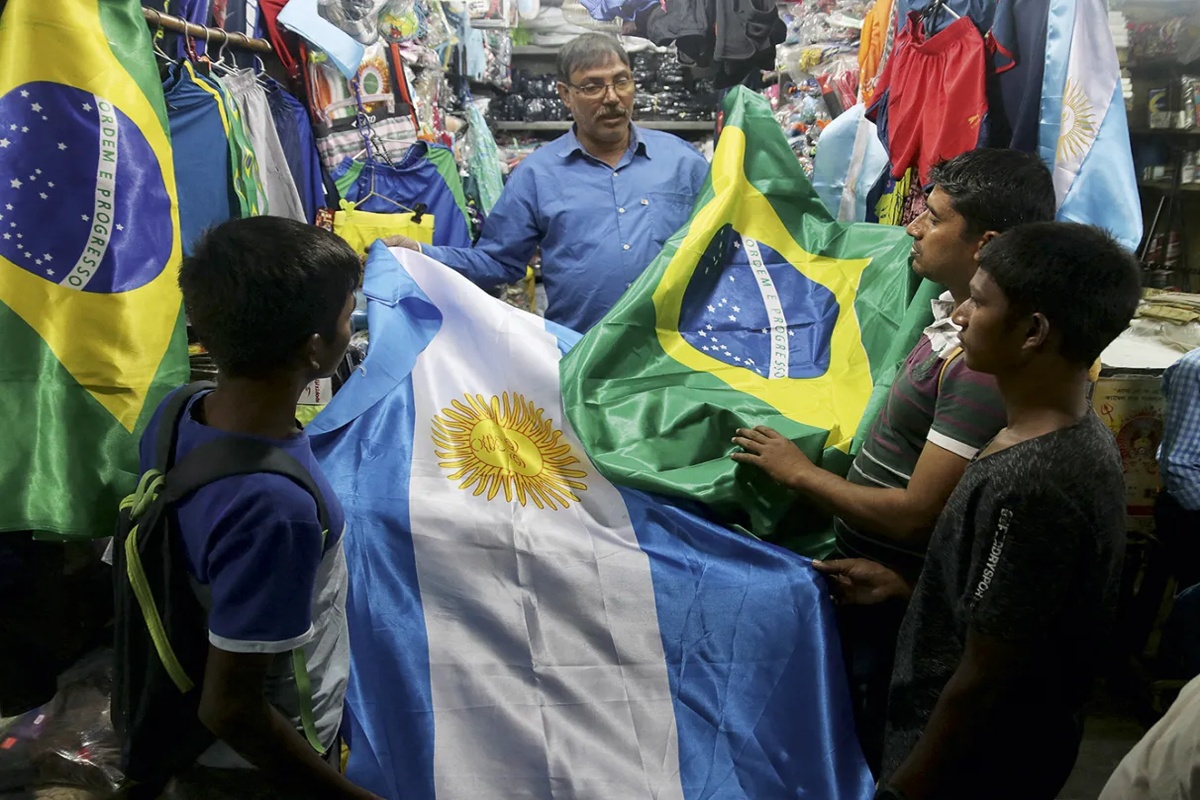
Intense Flow of Argentinian Tourists Moves Accommodations and Stores in the South of the Country
In recent months, Brazil has experienced a significant increase in the arrival of tourists from Argentina.
Since April 2025, this movement has been driven mainly by the appreciation of the Argentinian peso against the real.
As a direct consequence, border regions, especially in the south of the country, have recorded accelerated growth in retail sales and hotel occupancy.
-
Middle East War Hits Fertilizers and Transportation and May Strain Brazilian Wallets

-
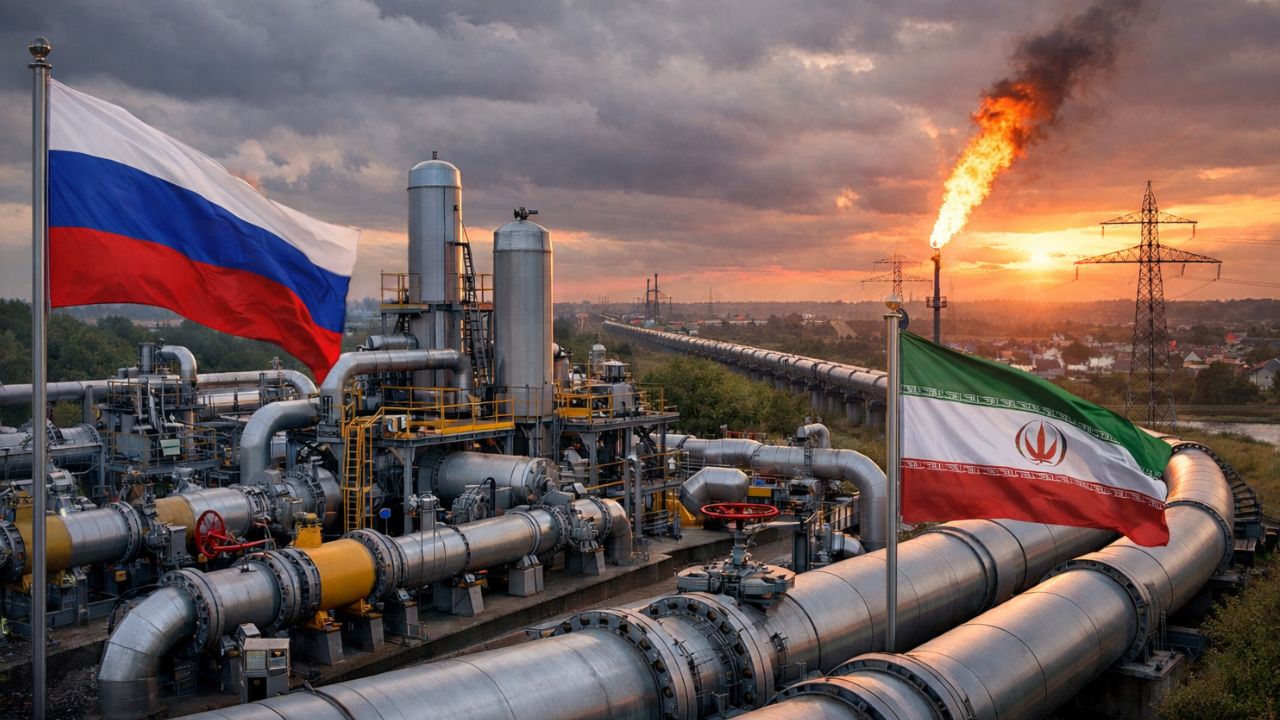
Russia Considers Suspending Gas to Europe After Surge in Energy Prices
-
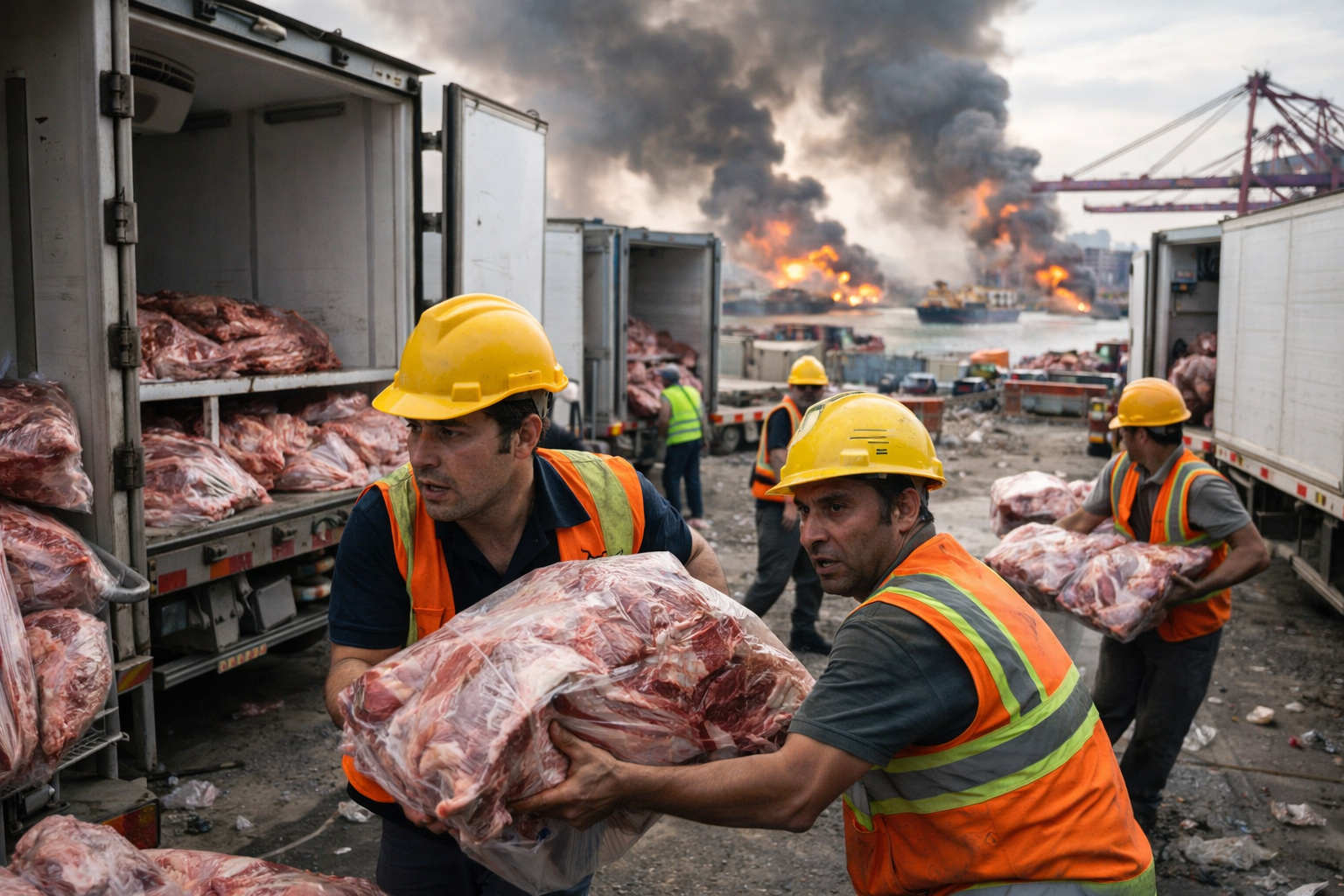
How A War Thousands of Miles From Brazil Started Disrupting Global Shipping Routes, Raising Container Costs, and Putting Up to 40% of Brazilian Beef Exports at Risk
-
Iran-U.S. War Drives Up Oil Prices and Pressures Global Financial Markets


According to data released by Fecomércio-RS in June, spending by Argentinians in cities like Uruguaiana, Santana do Livramento, and Porto Xavier rose by more than 40%.
This figure refers to the comparison with the same period in 2024.
As a result, clothing stores, supermarkets, gas stations, and pharmacies began to serve a demand far greater than usual.
Additionally, many merchants hired temporary workers to cope with the movement.
Also in June, IBGE reinforced that this influx of resources has generated a positive impact on the regional GDP.
Municipalities highlight that tourism has revived the events sector and strengthened the finances of small entrepreneurs.
As pointed out in an interview by the president of Fecomércio-RS, Luiz Carlos Bohn, the exchange rate appreciation has encouraged Argentinians to cross the border.
This movement occurs more frequently and with greater purchasing power.


Strong Currency Leads Argentinians to Queue at the Borders
The exchange rate of the Argentinian peso against the real has strengthened unusually since the end of March.
As a result, many tourists began to see Brazil as a more advantageous option for shopping and leisure.
Still in May, the Central Bank of Brazil warned of the difference in the parallel exchange rate, which favors foreigners even outside the official exchange.
Thus, not only the hospitality and retail sectors were affected, but also services such as transportation, food, and vacation rentals.
In cities like Santa Rosa, in the northwestern region of Rio Grande do Sul, residents reported lines at gas stations and supermarkets.
These situations intensify during weekends, especially on long holidays.
As explained by representatives of the Brazilian Association of Hotel Industry (ABIH-RS), the hotel occupancy rate rose by nearly 50% in certain locations.
At the same time, the movement forced many hotels and inns to extend shifts, adjust prices, and reinforce sanitary security.
The sector claims that this trend is expected to continue throughout the second half of the year.
Local Commerce Expands Revenue with Foreign Flow
In addition to tourism, the retail of consumer goods has been strongly benefited.
As indicated by data from the National Confederation of Commerce (CNC), the presence of Argentinians has helped recover the revenue of small and medium enterprises.
The effect was felt more in border municipalities.
The CNC estimates that, in May 2025, sales increased by up to 60% compared to the same month of the previous year.
The main products purchased by tourists are processed foods, beverages, clothing, cosmetics, electronics, and medicines.
Even with the increase in flow, merchants kept prices competitive.
According to the Commercial Association of Uruguaiana, this strategic behavior aims to retain foreign consumers even after the normalization of the exchange rate.
Additionally, many Argentinians began to make purchases in larger volumes.
These products are often taken for informal resale in their home cities.
Despite this, Brazilian municipalities reinforced that they have been monitoring this behavior and adjusting customs enforcement.

Cities Adapt to Maintain Tourist Growth
In light of the new reality, border municipalities have adopted measures to improve infrastructure and maintain tourist flow.
In April 2025, the city hall of Barra do Quaraí announced the renovation of access roads and the expansion of bilingual signage.
Other cities followed suit and formed partnerships with the state government.
Additionally, the hospitality and gastronomy sectors started offering menus in Spanish, promotions in foreign currency, and payment facilities.
This adaptation has been seen as essential to maintain the pace of growth and ensure a good experience for visitors.
According to ABIH-RS, these adjustments have raised the evaluation ratings of establishments in travel apps.
Although domestic tourism has declined in certain locations, experts say the overall balance is still positive.
According to an analysis by the Institute of Applied Economic Research (Ipea), the influx of foreign capital generates a multiplier effect in services and infrastructure.
The Sector’s Expectation is to Maintain Flow Until the End of the Year
With the appreciation of the Argentinian peso and local incentives, the expectation of the tourism sector is that the movement remains high until December.
According to an analysis by the Tourism Chamber of Fecomércio-RS, dates such as national holidays in Argentina and the Christmas season are expected to boost the arrival of visitors even more.
In June, businessmen in the region requested logistical support and reinforcement in customs infrastructure from the federal government.
According to merchants, long lines and slow customs processes may discourage future trips.
Even so, the atmosphere is one of optimism, especially for entrepreneurs in the service sector.
According to a survey by Embratur, shopping tourism represents more than 60% of the interest of Argentinian visitors in Brazil.
Therefore, the trend is to maintain demand as long as economic conditions remain favorable.
Thus, Brazil strengthens its position as a strategic destination for its Mercosur neighbors.










Seja o primeiro a reagir!