





 Portuguese
  English
  Spanish
  4 min of reading
  0 comments



United Kingdom Develops Weapon That Uses Radiofrequency Waves to Disable Drones En Masse
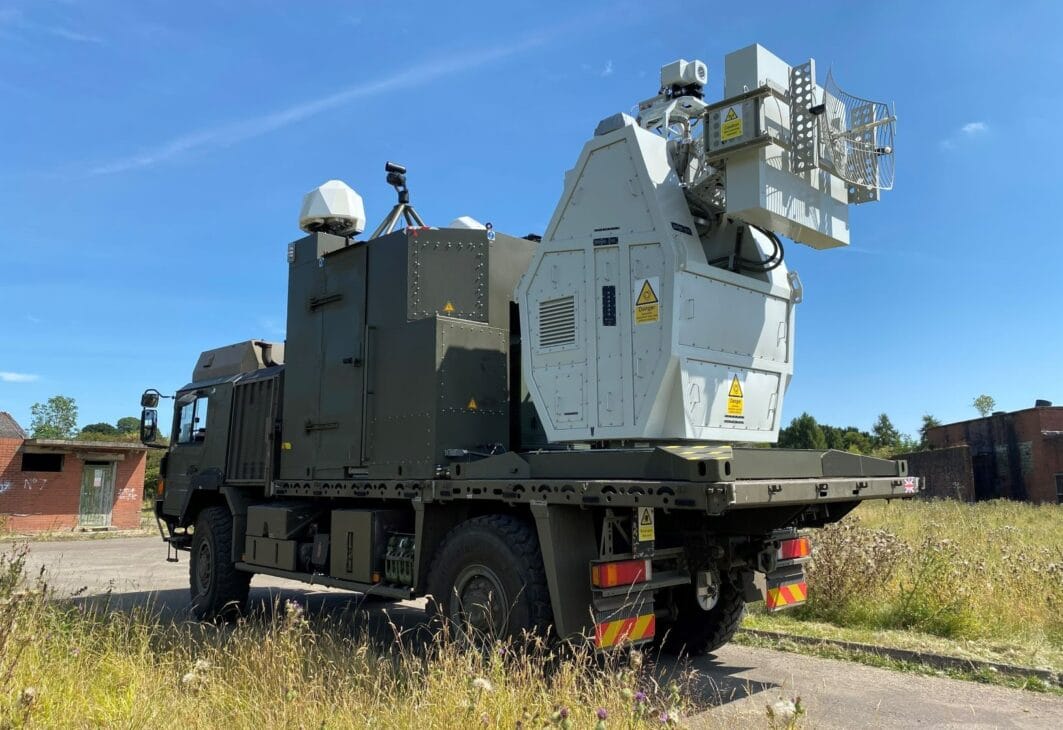
The advancement of military technology has gained another important chapter with the announcement from the United Kingdom: a new weapon, named RF DEW (Radiofrequency Directed Energy Weapon), has been introduced as a promising solution against kamikaze drone attacks, which are becoming increasingly common in modern conflicts like the war in Ukraine. This innovation utilizes directed radiofrequency waves to disable embedded electronic systems in combat drones, including those that operate autonomously.
During tests conducted in Wales, the system was able to neutralize up to 100 drones with a single shot, demonstrating potential to transform air defense strategies in military and civilian scenarios.
How The RF DEW Weapon Works


The British drone weapon technology is based on well-known principles of electromagnetic engineering, but applied with unprecedented precision in the military field. The radiofrequency waves, which pose no risk to humans, can simultaneously target multiple electronic targets within a radius of 1 km, damaging their internal circuits and causing complete failure of the drones’ control systems.
-
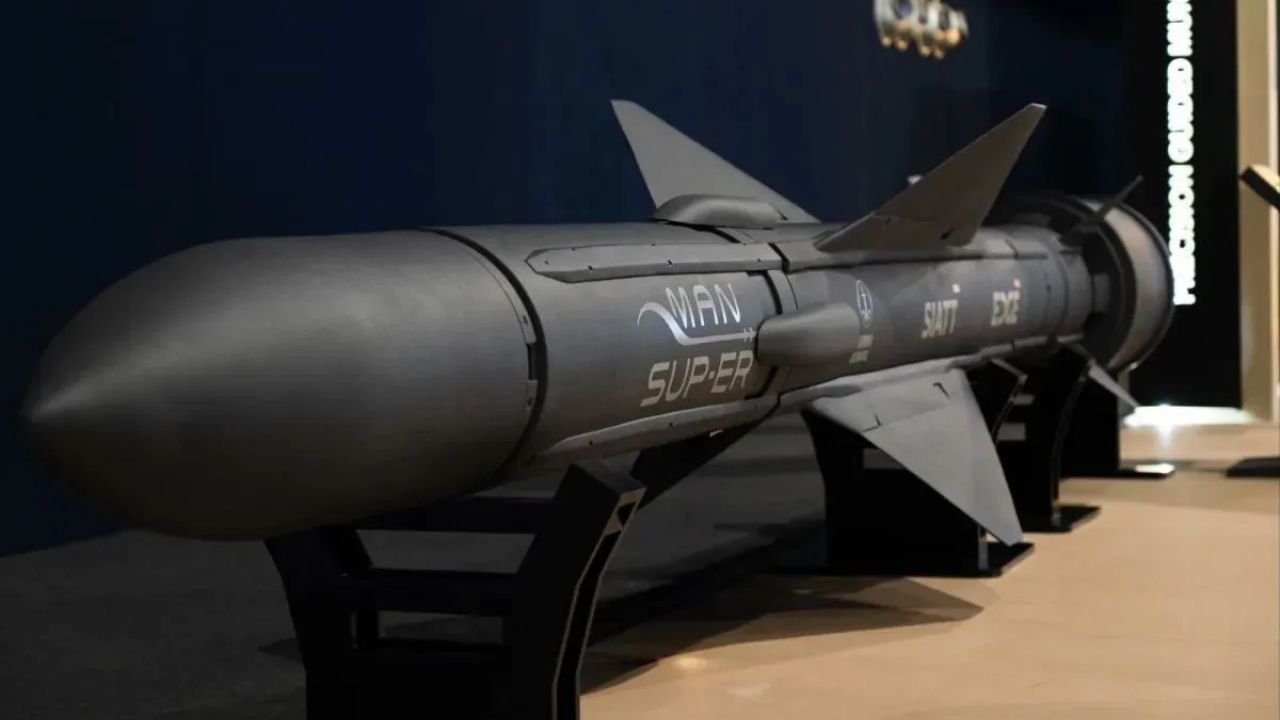
Brazil accelerates the evolution of the MANSUP missile, designing an air-surface version with a range exceeding 200 km, advanced guidance, and precision strike capability against land and naval targets, paving the way for a new generation of national armaments with global potential.
-
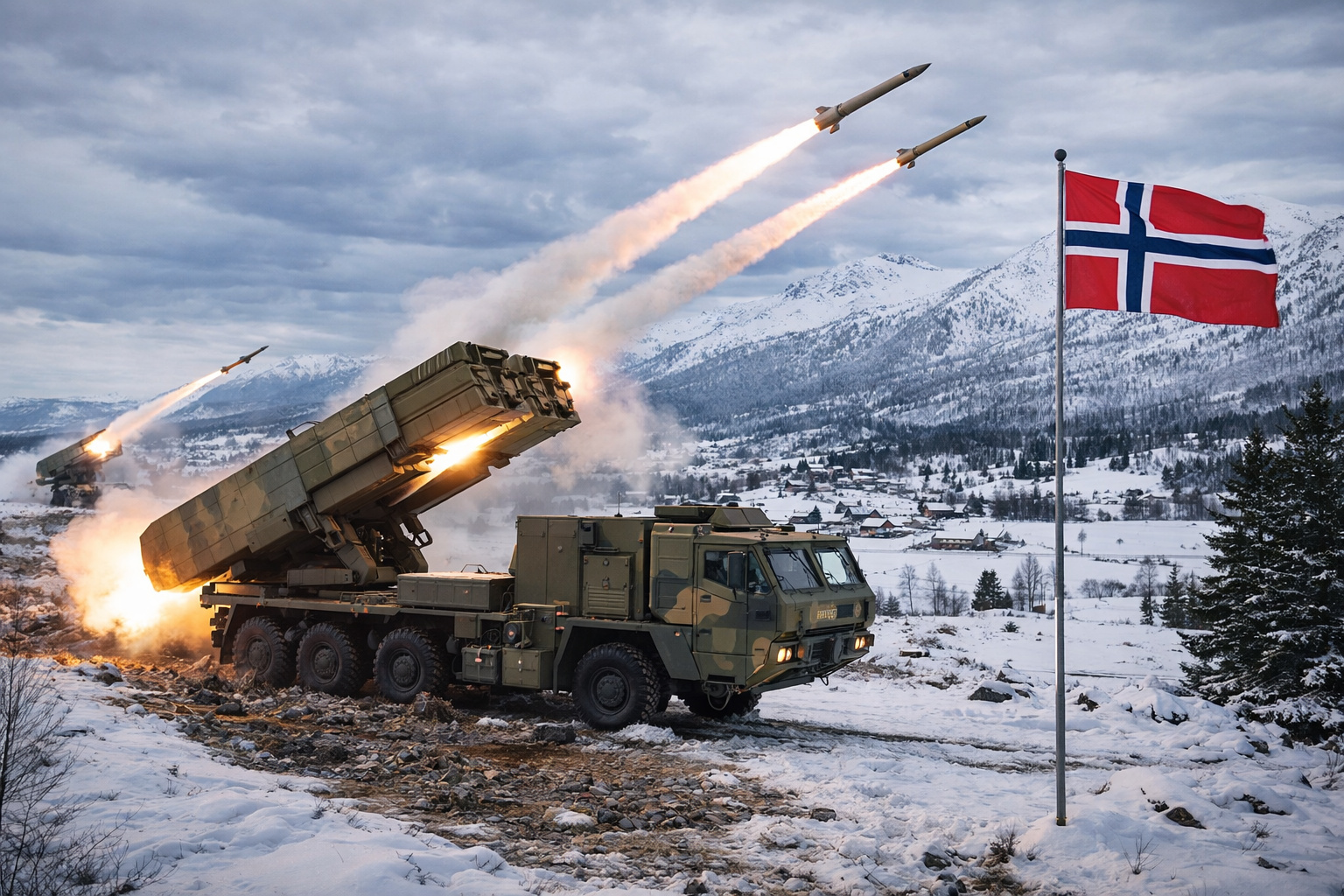
South Korea signs a $922 million deal with Norway, bringing Chunmoo launchers capable of firing guided missiles up to 290 km with an accuracy of 15 meters to Europe and turning the system into a key component of the new global race for precision artillery.
-
Brazil advances with decisive tests until June, the 6×6 Guarani armored vehicle with engineering equipment enters the most important phase and can enhance the operational capability of the Army.

-
Furnas Airport is handed over to the Navy and becomes a strategic base with complete military operations, attack drones, and international mobilization at Furnas Lake.

The system is silent, invisible, and effective against models that are immune to traditional signal interferences, such as the Russian Lancet drone, known for being programmed to hit the target even without a connection to the remote operator.
Low Cost Per Shot and High Impact in Combat Are Highlights of The New UK Weapon
Although the project cost around 40 million euros (approximately R$ 250 million), the cost per shot of the RF DEW is only 10 cents per euro. This represents a revolution in cost-benefit calculations in combat, considering that attack drones are generally much cheaper than missiles or manned aircraft but can cause severe damage to facilities, vehicles, and troops.
This economic relationship makes the RF DEW a particularly strategic tool to counter mass attacks with cheap drones, an increasingly common practice in asymmetric warfare and sabotage operations.
The Role of Drones in Modern War
The use of drones in the Ukrainian War has highlighted the impact of these devices on the battlefield. According to recent reports, over 20,000 drones have already been used by Russian and Ukrainian forces since the conflict began.
The devices are employed for both tactical reconnaissance and direct attacks, functioning as precision weapons with explosives ranging from 1 to 2 kilograms, many of them adapted from commercial models.
The so-called kamikaze drones crash into fixed and moving targets, causing destruction with explosives and shrapnel. Some are simple and homemade, while others are equipped with high-definition cameras and live transmission, allowing the remote operator to view the impact in real-time. According to the BBC, the last moments recorded by these drones reveal soldiers in despair before being hit, showing the emotional and strategic dimension of the threat.
RF DEW: An Answer from The UK to Digital War
While traditional air defense systems are expensive and limited, the RF DEW emerges as a viable alternative, especially against autonomous drones that do not depend on GPS or remote control. These unmanned aircraft cannot be neutralized solely with signal jammers, requiring solutions that directly impact the internal circuits of the equipment.
By using high-power radiofrequency, the British weapon disrupts the control, navigation, and transmission electronic systems of the drones, rendering them inoperable in seconds, without firing projectiles, noiselessly, and with minimal risk of collateral damage.
Although designed for military purposes, the technology of RF DEW also has potential for use in civilian areas, such as airports and critical facilities, where the presence of unauthorized drones poses a real threat to security. Recent cases of flight suspensions due to flying objects in landing and takeoff areas demonstrate the urgent demand for safe and rapid neutralization of these devices.
A Milestone in The Use of Directed Energy in Defense
The development of the RF DEW is part of a broader movement among NATO countries and emerging powers, betting on directed energy weapons as a way to reduce costs and enhance the effectiveness of defenses in the 21st century. In addition to the United Kingdom, the United States, China, and Israel have also been testing similar weapons, using different energy sources — such as high-power lasers and microwaves.
In the British case, the differentiating factor lies in the application of radiofrequency in open field with millimeter precision, without relying on fixed targets or favorable weather, as occurs with laser-based systems.










-

Uma pessoa reagiu a isso.