





 English
  Francês
  Alemão
  Italiano
  Japonês
  Norueguês
  Portuguese
  Spanish
  3 min of reading
  0 comments


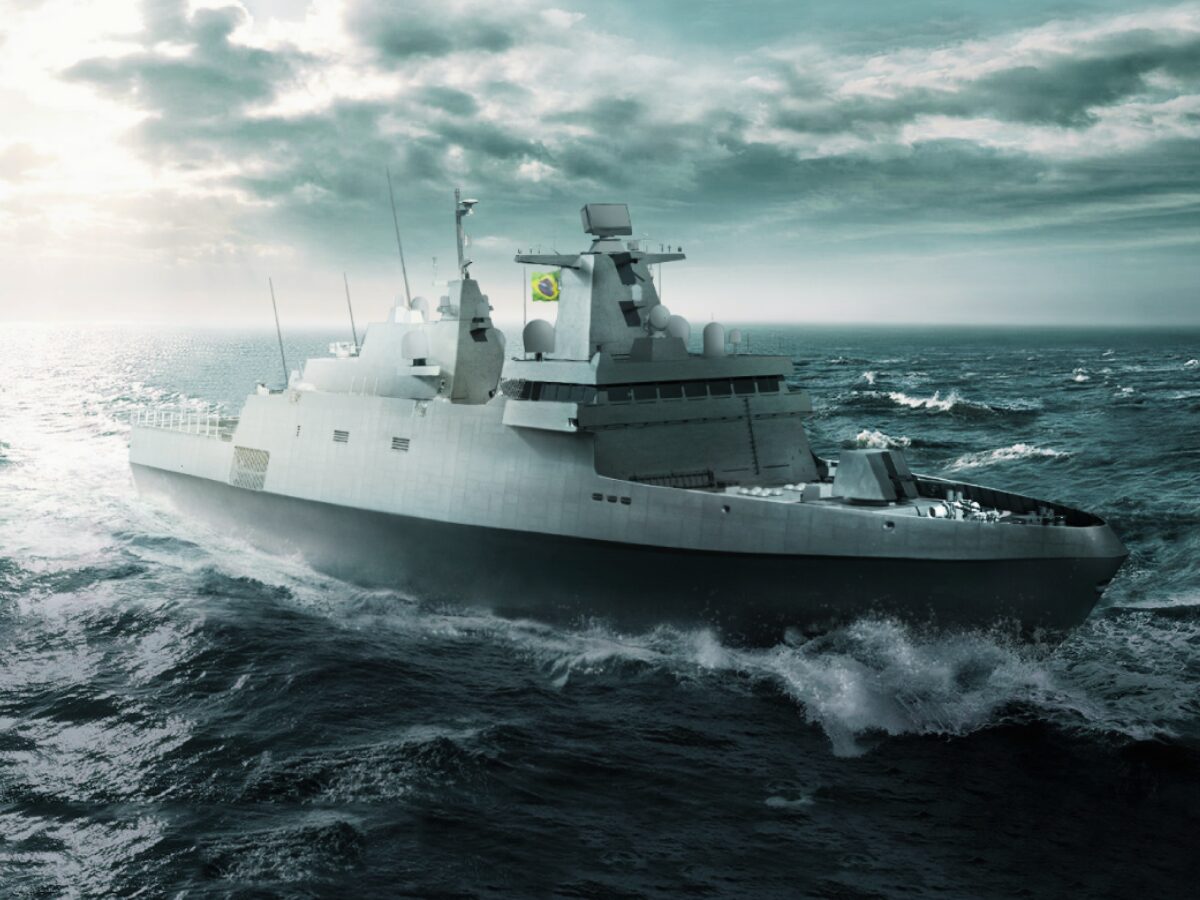
Visit To The Shipyard In SC Highlights Chilean Navy Interest In Tamandaré Frigates And Strengthens Regional Cooperation In Defense And High-Tech Shipbuilding.
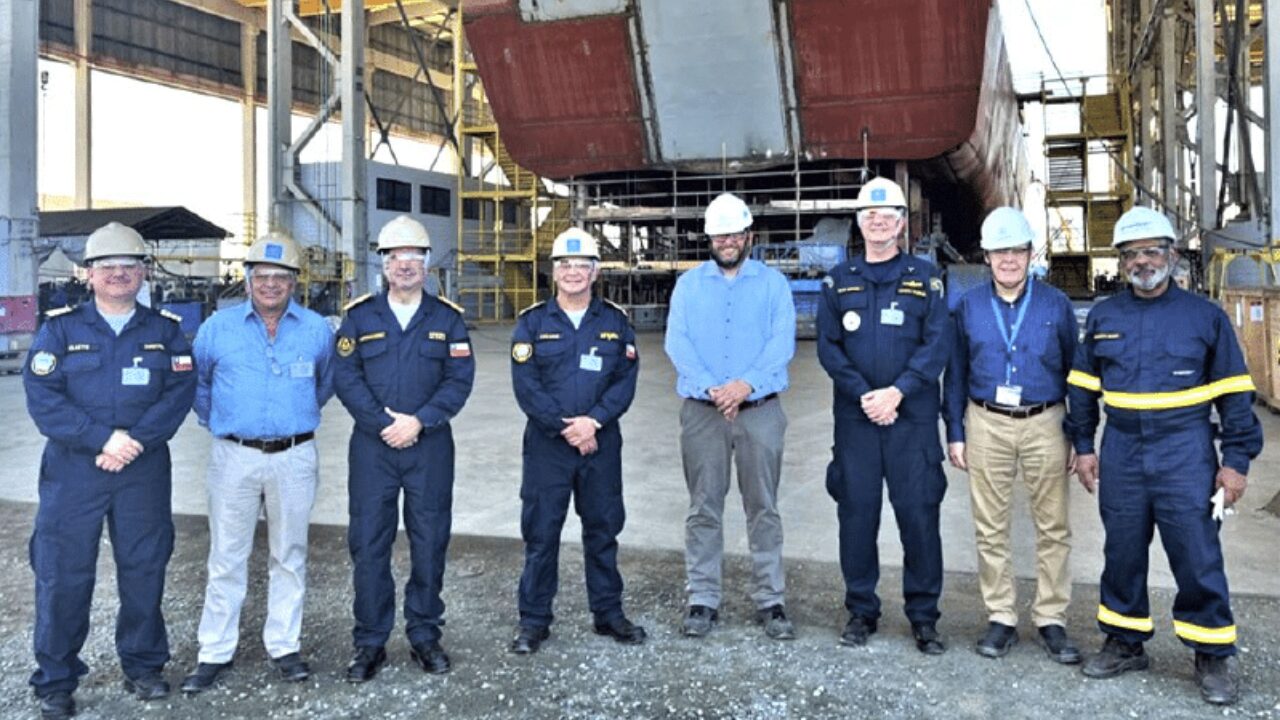
The thyssenkrupp Estaleiro Brasil Sul (tkEBS), located in Itajaí (SC), received a visit this week from a delegation of the Chilean Navy, strengthening the ties between the two countries in the naval Defense sector. The group, made up of high-ranking officers from the Chilean Navy, was welcomed by the Brazilian Navy and EMGEPRON, in a meeting that reinforces the international prestige of the Tamandaré Class Frigate Program.
The presence of the Chileans at the shipyard reflects the growing interest of neighboring countries in the Brazilian model of naval fleet modernization, which has stood out for its technological approach and efficiency in the construction schedule.
Tamandaré Frigates Under Construction Draw Attention For Technology And Management
During the visit, representatives of the Chilean Navy were able to follow the progress of the works on the frigates “Jerônimo de Albuquerque” and “Cunha Moreira.”
-
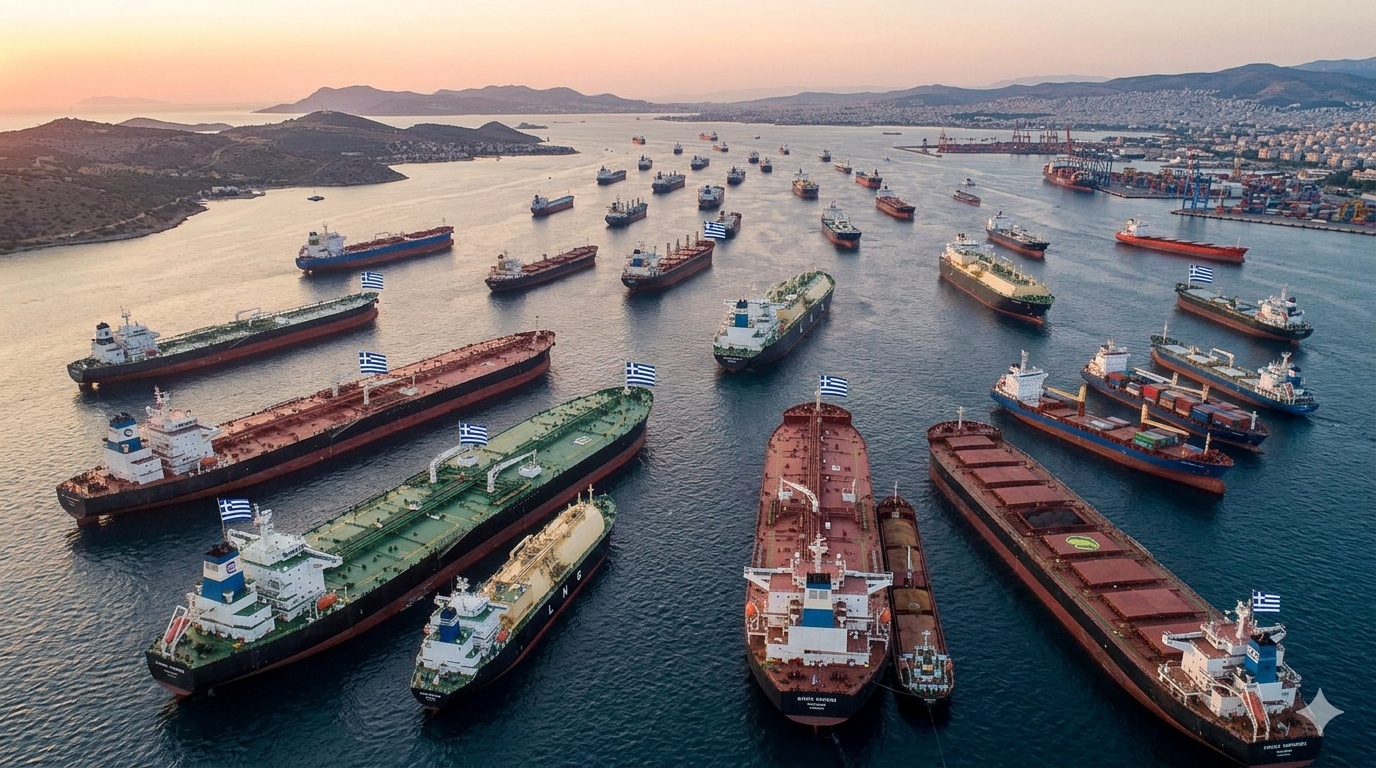
Neither the USA nor China: a small European nation has become one of the largest maritime powers on the planet, controlling one of the largest merchant fleets in the world with thousands of ships and dominating the global transportation of oil and strategic cargo.
-
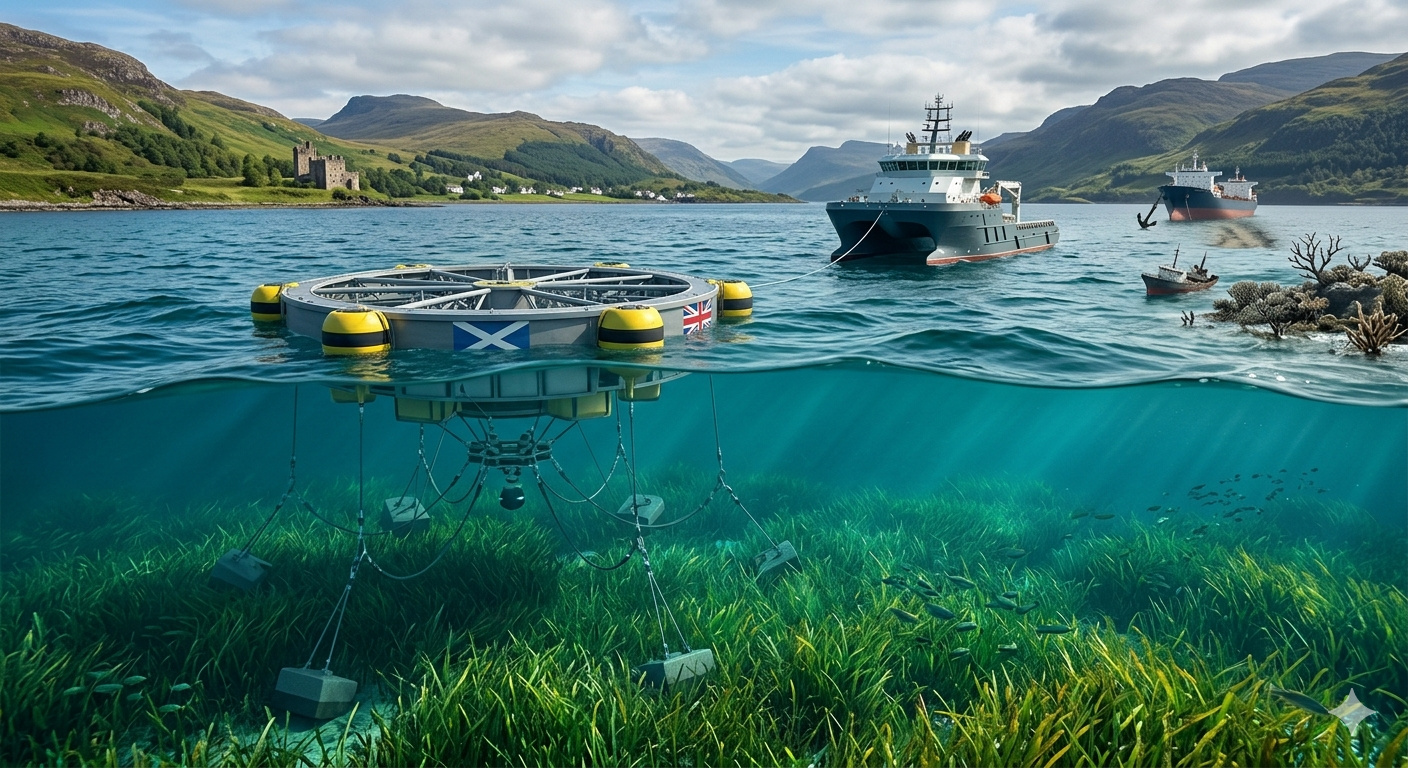
Scotland and the United Kingdom have created a new anchoring system that floats in the water without touching the seabed, after discovering that the current from a conventional anchor destroys up to 50 m² of seagrass meadow per event and that ship-damaged reefs showed no signs of recovery even ten years later.
-
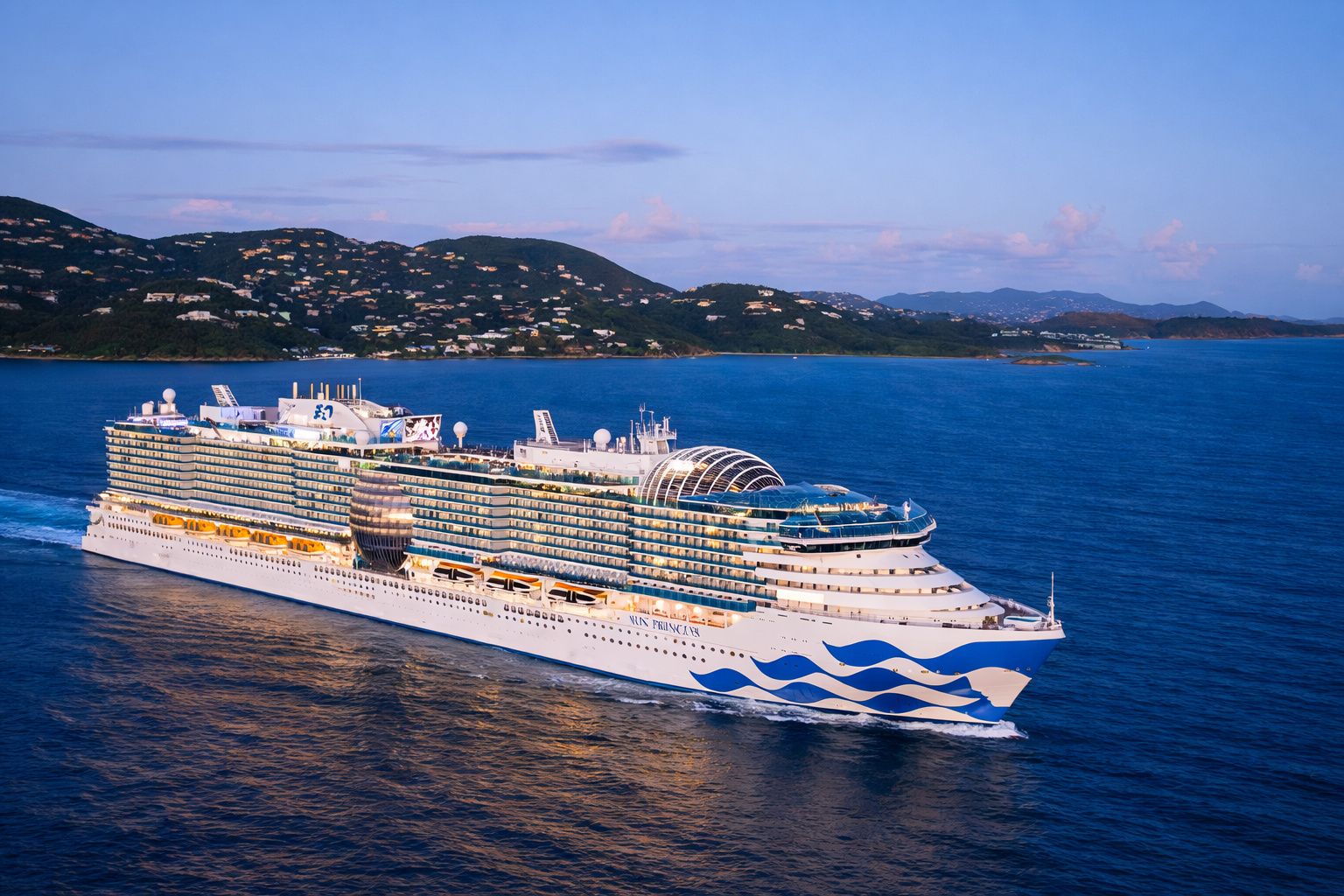
Weighing 175,500 Tons, Measuring 345 Meters Long, and With Capacity for Over 4,300 Passengers, the Sun Princess Becomes the Largest Ship Ever Built by Princess Cruises and Attracts Global Attention for Its Huge Glass Dome Inspired by Santorini’s Architecture Installed on Top of the Vessel
-
TX-10, The Colossus of The Sea: Largest Lifter Ship in The U.S., With Two Giant Barges, 73-Meter Tall Structure, and Strength to Raise 7,500 Tons of Sunken Oil Rigs

The first one is scheduled for launch in August 2025, while the second will undergo its keel laying in July of the same year.
Both are part of the ambitious Tamandaré Frigate Program, considered a milestone in the Brazilian military naval industry.
The technical tour revealed the behind-the-scenes of the advanced engineering used at the shipyard, highlighting the use of modular methods and high-tech solutions in the construction of the ships.
The precision in the processes and respect for the established deadlines impressed the Chilean officers, who witnessed firsthand Brazil’s productive and strategic potential in the naval sector.
Dialogue Between Navies Strengthens South American Cooperation
In addition to the technical visit, the Chilean Navy delegation participated in meetings with Brazilian authorities to discuss possible cooperation paths.
The meetings addressed topics such as technical knowledge exchange, defense project management, and opportunities for industrial partnerships between the two countries.
Vice Admiral Leonardo Chavez and Rear Admiral José Miguel Hernandez, leaders of the Chilean delegation, were accompanied by representatives of the Brazilian Navy and EMGEPRON.
According to sources in the sector, there is mutual interest in expanding dialogue and exploring joint models of industrial training and technological development.
Tamandaré Program Positions Brazil As A Reference In South America
Far beyond the renewal of the national fleet, the Tamandaré Class Frigate Program is consolidating Brazil as a regional reference in naval warfare construction.
With coordinated management among the Brazilian Navy, EMGEPRON, and tkEBS, the project promotes technological sovereignty, job creation, and the transfer of strategic knowledge.
The adopted model has attracted international attention for its efficiency and ability to add value to the Brazilian industrial base.
The visit of the Chilean Navy highlights this relevance and signals possible future collaborations that can range from technology exchange to the export of naval solutions developed in the country.
The rapprochement between Brazil and Chile around the Tamandaré Frigates program shows that there is room for a broader integration of South American Armed Forces in areas of innovation, maritime security, and strategic presence in the South Atlantic.









Seja o primeiro a reagir!