





 Portuguese
  English
  Spanish
  3 min of reading
  0 comments


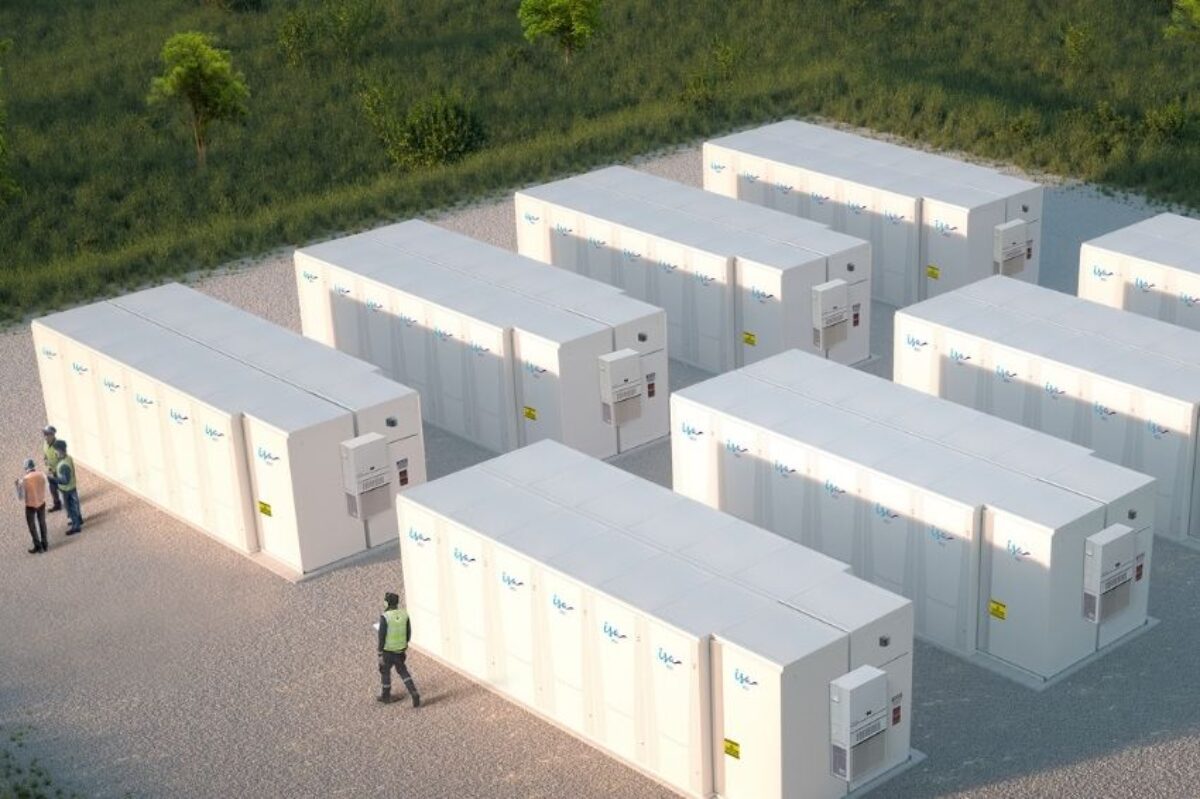
Know The New BESS Energy Storage Technology That Promises To End Off-Grid Systems, Bringing More Safety And Reliability.
The recent blackouts in São Paulo left the city in the dark for days and the impact was so devastating that it caused a loss of an incredible US$ 1.65 billion for the retail and services sectors, highlighting the fragility of our electrical infrastructure. However, this situation could have been different if businesses and industries had access to more robust clean energy storage systems in their operations. Thus, this article will present the BESS energy storage system, which surpasses off-grid systems.
Main Differential Of This Type Of Clean Energy Storage
First, we need to understand the meaning of BESS, an acronym that comes from English and loosely translates to battery energy storage system.
This energy storage differs from traditional off-grid systems by its capacity to meet large loads such as businesses and industries, overcoming significant technical challenges.
-
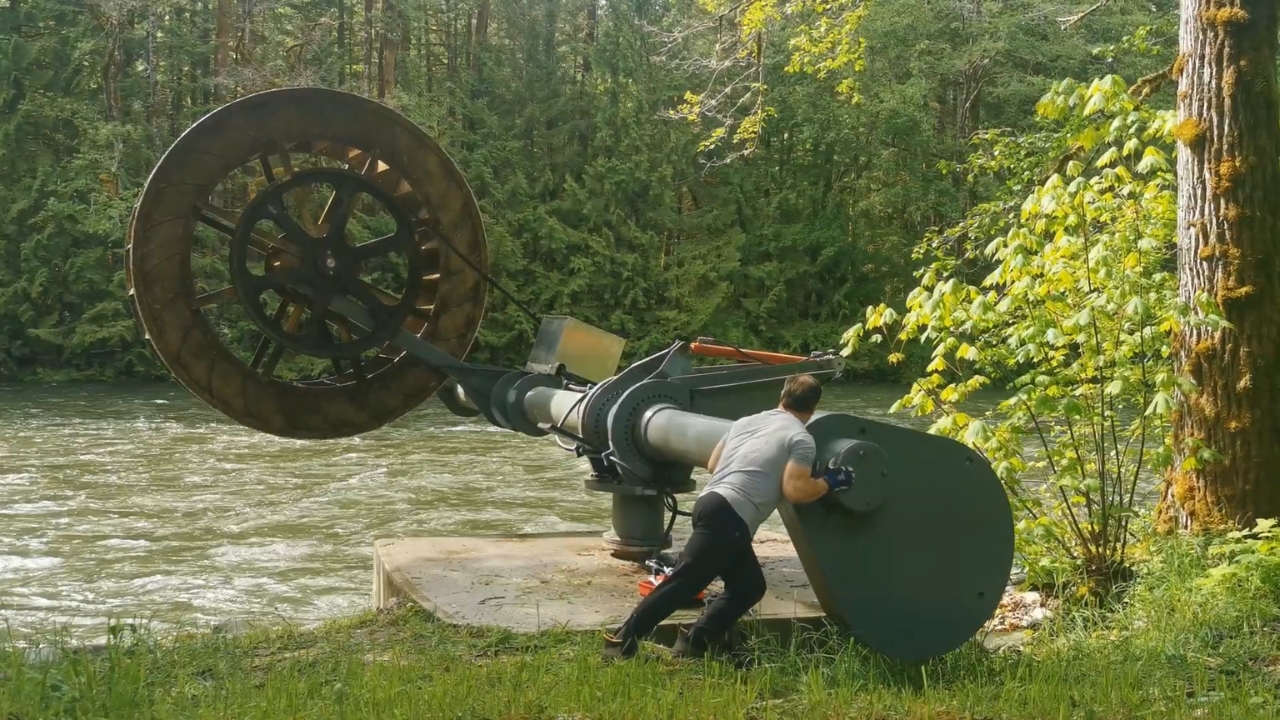
A Canadian retiree creates a hydroelectric system on a real river, generating energy continuously throughout the day and demonstrating how the power of water can supply a house with stability even in a simple structure.
-
Petrobras reaffirms its commitment to the market and ensures that it will carry out the energy transition safely to maintain national sovereignty.

-
Researchers discover a possible hydrogen deposit of up to 46 million tons beneath an ancient coal basin, and the volume could exceed half of the entire global production.

-
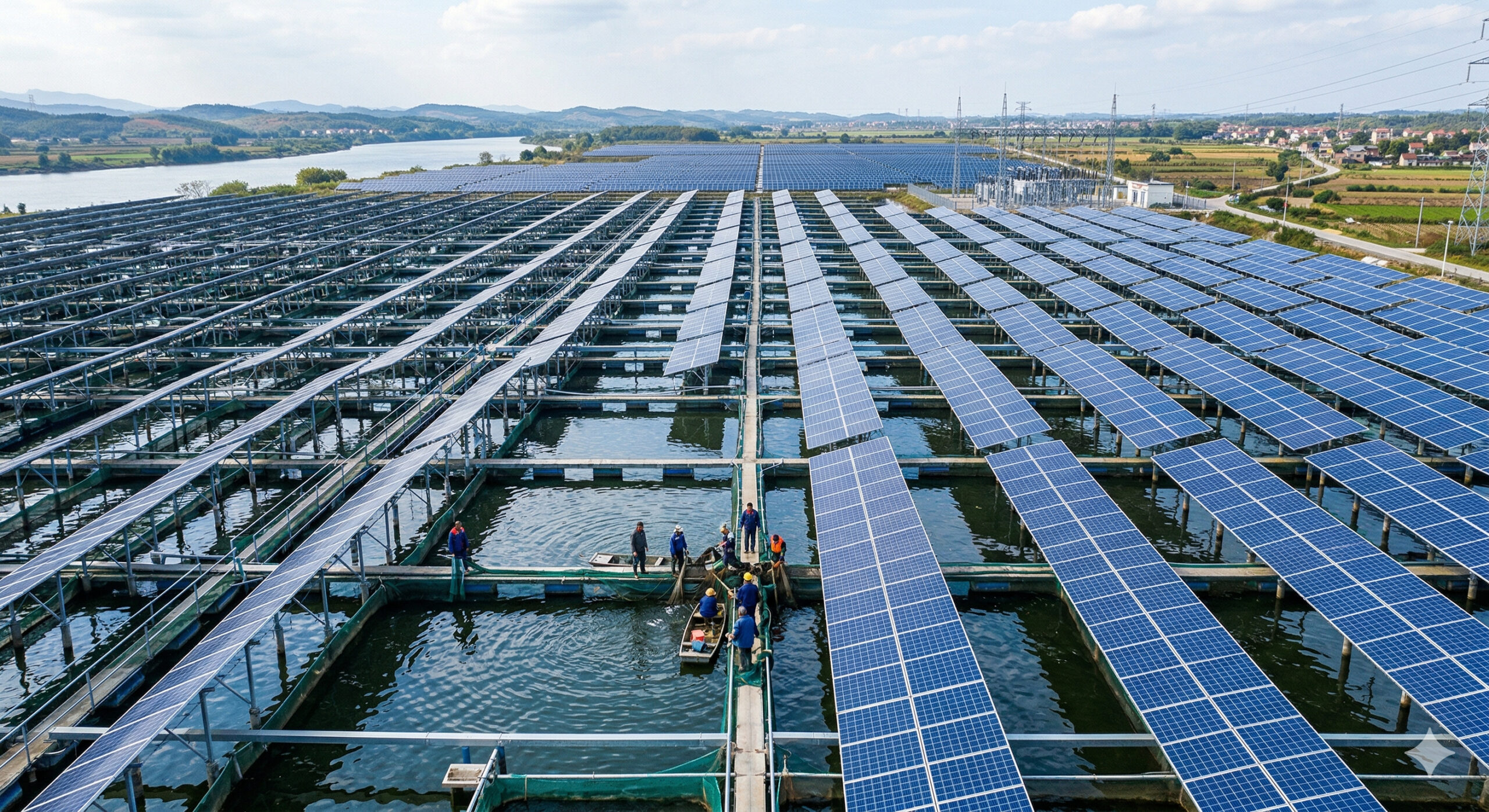
China bets on the Fishery-PV model and transforms fish farms into giant solar plants, covering ponds with panels that generate energy while utilizing the same space for large-scale aquaculture production.



In off-grid systems, problems such as battery imbalance and overheating can compromise efficiency and even safety, making maintenance more expensive and much more complex. With BESS, these limitations are overcome, and the batteries are central components of the systems where energy is stored.
This type of system generally uses lithium-ion batteries. To maintain the component’s operation, there is also the BMS, the battery management system that monitors, manages, and protects battery performance, ensuring safety and efficiency in its operation.
This way, the BMS ensures that the battery cells are charged and discharged evenly, in addition to monitoring temperature, voltage, current, and the overall health of the system to avoid overload or damage. All of this will maximize the lifespan of the batteries.
Other BESS Equipment That Surpass Off-Grid Systems
Another standout component of the clean energy storage system is the PCS, which stands for energy conversion system and is like an inverter for storage that surpasses off-grid systems. It converts energy from direct current to alternating current or from alternating current to direct current, depending on the application.
Finally, we have the EMS, which is the energy management system. It is the brain of the entire system, capable of controlling the use of stored clean energy, determining when to charge or discharge the batteries based on demand, energy source availability, and electrical grid conditions.
This equipment coordinates the work among the different BMS, PCS, and other auxiliary components of the energy storage system. Looking at the overall composition of BESS, we will still have other equipment such as transformers, protection panels, monitoring systems, and others.
Main Applications Of The Clean Energy Storage System
What draws a lot of attention is the number of applications that BESS provides. The first is energy backup, which could solve the problems faced by consumers in the city of São Paulo in critical installations such as hospitals, data centers, industries, and even supermarkets.

BESS can act as a backup power source, ensuring supply in case of electrical grid failure. The interesting thing is that, unlike a traditional generator, BESS kicks in quickly, providing instant power to keep essential equipment running without interruptions, which is a significant difference.
Another application would be the integration with clean energy sources such as solar and wind. BESS can act as a solution to store excess energy generated during periods of high production and resolve the problem of intermittency, as the sun does not shine all the time and the winds do not blow 24 hours a day.









Seja o primeiro a reagir!