





 Portuguese
  English
  Spanish
  5 min of reading
  0 comments


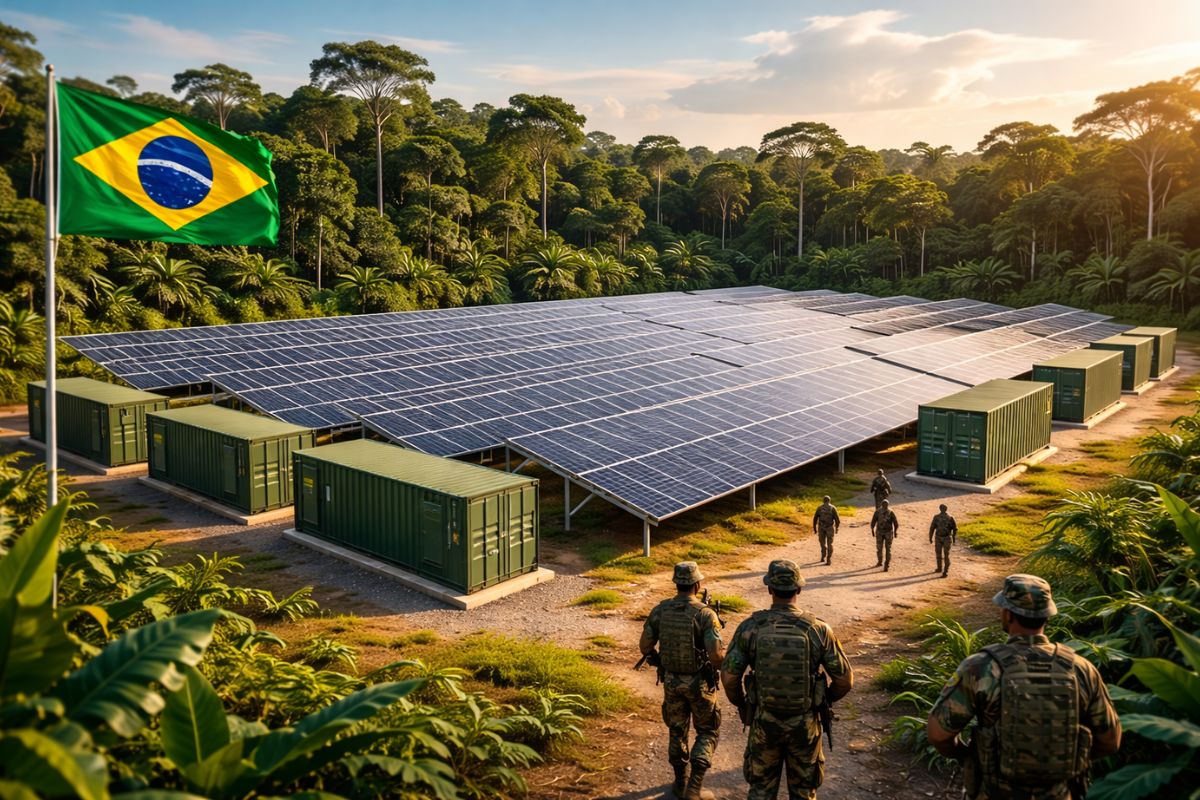
The Army will receive two photovoltaic systems with battery storage in military units in Tefé and São Gabriel da Cachoeira in Amazonas in a partnership between Axia Energy and Baterias Moura which, besides reducing emissions, should save R$ 23 million in fuel and bring clean energy to the Amazon.
The Army’s role in the Amazon is gaining a dimension that goes beyond border defense. According to the portal Economia IG, two military units in the municipalities of Tefé and São Gabriel da Cachoeira, in Amazonas, will receive solar photovoltaic plants with battery storage systems, in an investment of around R$ 9.5 million financed by the Legal Amazon Development Account. The project is a partnership between Axia Energy (formerly Eletrobras) and Baterias Moura, and promises to eliminate nearly 11 thousand tons of CO2 over 15 years.
What stands out is the dual function that these Army bases will fulfill. In addition to protecting national sovereignty in one of the planet’s most sensitive regions, the military units will become points of generation of clean energy in areas where electricity relies almost entirely on diesel generators. The jungle that the Army protects will now also help power the energy system that keeps these bases running, with an estimated financial benefit of R$ 23 million in fuel savings.
Where the Army’s solar plants will be installed in the Amazon
The first plant will operate at the 16th Jungle Infantry Brigade of the Army, in Tefé, with a capacity of 503.25 kWp, a measure indicating the maximum power that the solar system can generate.
-
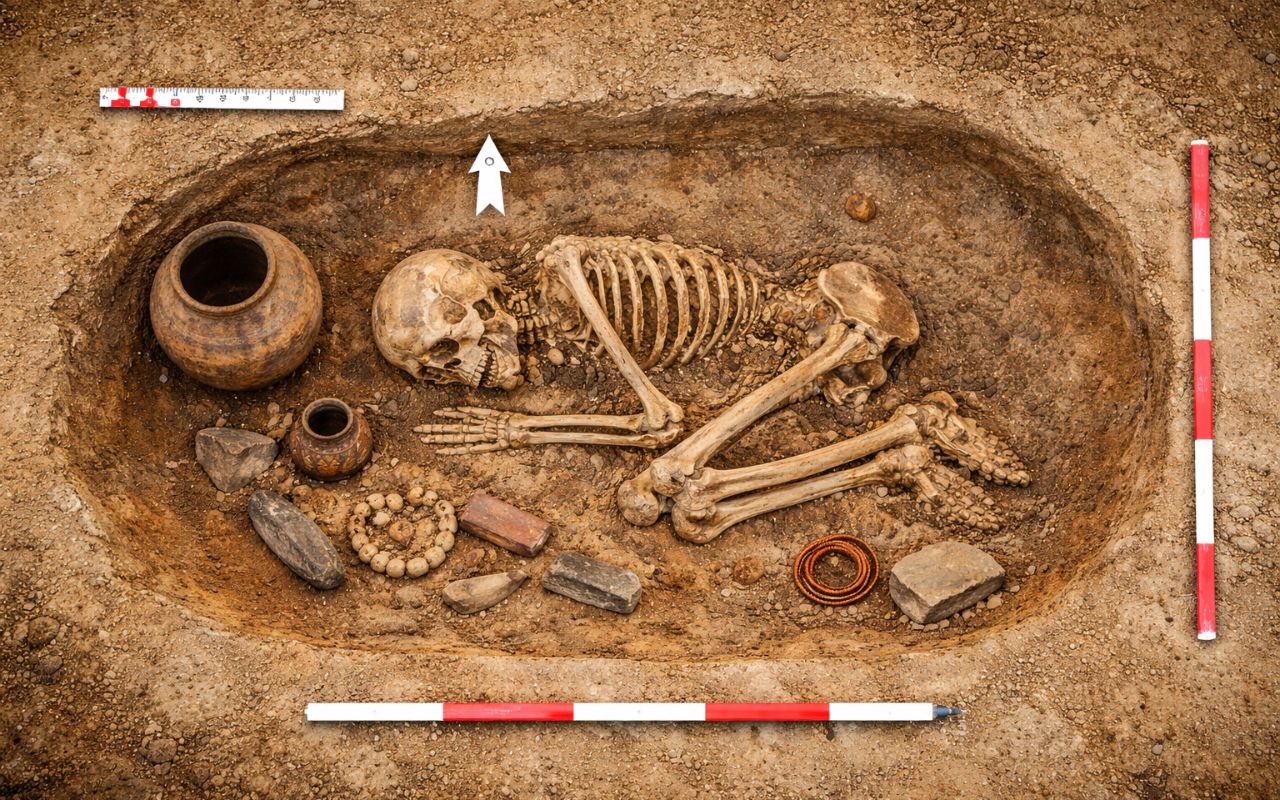
Archaeologists accidentally discover an intact 4,500-year-old tomb during highway construction in Romania, with a body in a fetal position and artifacts from the Yamnaya culture.
-
Couple transforms abandoned boat worth $5,000 into luxury yacht, with a lot of improvisation, savings, manual labor, faces a hurricane, and creates a new life on board.

-
On the Greek island of Ithaca, archaeologists have found what may be a sanctuary dedicated to the legendary Odysseus, with inscriptions bearing his name and votive offerings that span from the Mycenaean to the Hellenistic era.

-
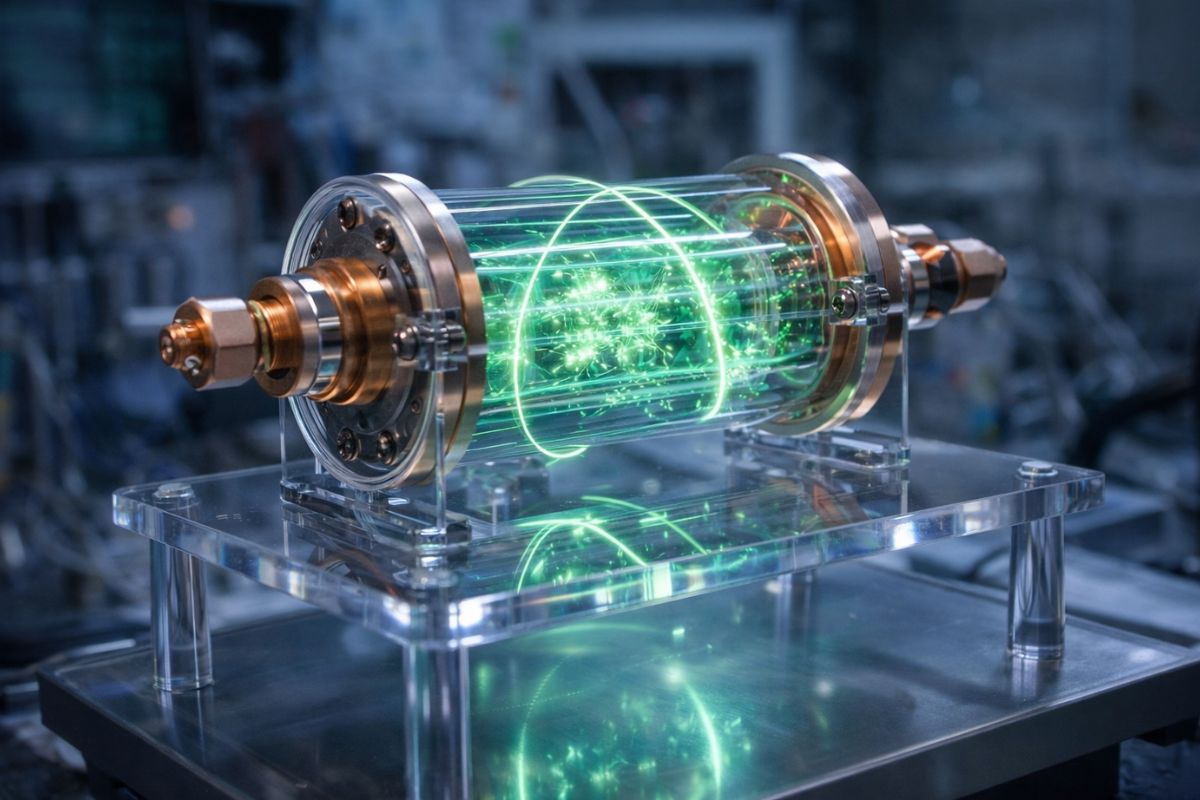
Researchers at the University of Surrey have discovered that simply NOT removing water from a battery material can double its capacity, and as a bonus, the same system can desalinate seawater while storing energy.

This unit accounts for most of the estimated reduction in emissions: nearly 11 thousand tons of CO2 over 15 years of operation. Tefé is located in the heart of the Amazon, accessible practically only by river or plane, which makes local energy generation even more strategic.
The second plant will be installed at the Rio Negro Border Command 5th Jungle Infantry Battalion of the Army, in São Gabriel da Cachoeira, with a capacity of 382 kWp.
São Gabriel da Cachoeira is the northernmost municipality in Brazil, on the border with Colombia and Venezuela, and houses one of the most remote military presences in the country. Bringing solar energy to an Army base in this location is a logistical challenge that reflects the ambition of the project: if it works there, it can work in any isolated point in the Amazon.
How the solar plants will work in isolated Army bases
The great technical differential of these systems is that they are not just solar panels; they include battery storage (BESS).
In isolated regions of the Amazon, where there is no connection to the national power grid, the energy generated during the day needs to be stored to supply the Army bases at night and on cloudy days. The Moura batteries fulfill exactly this role, ensuring continuous supply without relying on diesel generators.
Today, the vast majority of isolated systems in the Amazon operate by burning diesel fossil fuel that needs to be transported by rivers for days, at extremely high costs, to keep generators running 24 hours.
By replacing part of this consumption with solar energy with storage, the plants at the Army bases are expected to generate savings of around R$ 23 million in the Fuel Consumption Account over 15 years. This is money that no longer turns into diesel smoke in the middle of the jungle.
The environmental impact of solar plants at Army bases
The estimated reduction of nearly 11 thousand tons of CO2 over 15 years may seem modest when compared to global emissions, but it gains weight when considering the context.
Each liter of diesel burned in a generator at a remote Army base in the Amazon has a multiplied environmental cost: in addition to the direct emission, there is the impact of the river transport of this fuel for hundreds of kilometers within the forest.
The energy transition at these bases represents something symbolic and practical at the same time. The Army, which is the main institutional presence of the State in vast areas of the Amazon, now demonstrates that it is possible to operate in remote regions with clean energy without compromising operational capacity.
If the model works in Tefé and São Gabriel da Cachoeira, it can be replicated in dozens of other military units scattered throughout the Legal Amazon, amplifying the environmental impact and fuel savings.
What the project reveals about the future of energy in the Amazon and the role of the Army
The Director of Engineering and Implementation of Regional Funds at Axia Energy, Domingos Andreatta, summarized the vision behind the project: “Collaborating to bring clean energy to isolated systems in the Amazon is a fundamental step towards a greener and fairer future.”
The development and implementation timeline is 6 to 18 months for the two systems, which means that the solar plants at the Army bases could be operational before the end of 2027.
The project also opens up a broader discussion. If Army military bases in remote points of the Amazon can operate with solar energy and batteries, riverside communities, health posts, schools, and other isolated facilities can follow the same path as long as there is investment and political will.
In this case, the Army is not just the beneficiary of the technology; it serves as a laboratory and showcase for a model that can transform the Amazon’s relationship with energy.
What do you think of this solar energy initiative in military bases in the Amazon? Should it be expanded to riverside communities as well? Leave your opinion in the comments.





Seja o primeiro a reagir!