





 Portuguese
  English
  Spanish
  4 min of reading
  1 comment


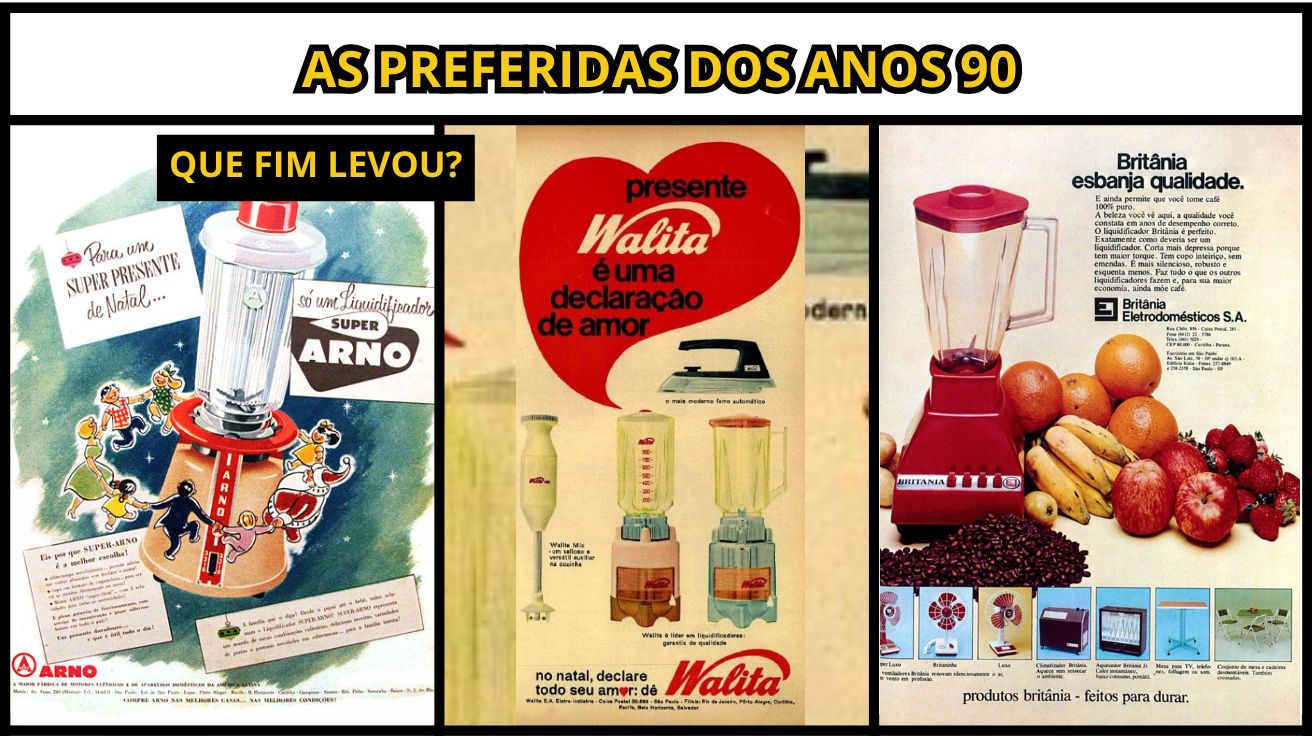


What Happened to Arno, Walita, and Britânia? The Surprising History of the Brands That Dominated Brazilian Kitchens in the 90s.
For decades, brands like Arno, Walita, and Britânia were synonymous with presence in Brazilian kitchens.
Virtually every home had at least one blender, mixer, or fan with these labels stamped on them.
But over time, many of these brands disappeared from the radar or lost market space. After all, what happened to them?
-
These living root bridges and ladders are over 700 years old and help indigenous people survive in one of the rainiest regions in the world.

-
From sertanejo star to international investor: Ana Castela invests millions in a mansion in the USA, creates a themed accommodation in Orlando, and shows that the “boiadeira” also wants to grow away from the stage.

-
The 10 most stunning motorhomes in the world: a $3 million trailer with a rooftop nightclub and garage for a Ferrari, “palaces on wheels” with Italian marble, private cinema, and five-star hotel luxury for billionaires.
-
Trump wanted to spend $400 million on the White House, but the courts prohibited the million-dollar construction.


These companies marked generations with durable products, affordable prices, and memorable advertisements.
While some were bought by international groups and maintain a discreet presence, others have managed to reinvent themselves and still compete for significant shares of the small appliance sector in Brazil.
Let’s revisit the past — and the present — of these brands that were once undisputed leaders in consumer preference.
The History of Arno: From Family Factory to French Arm
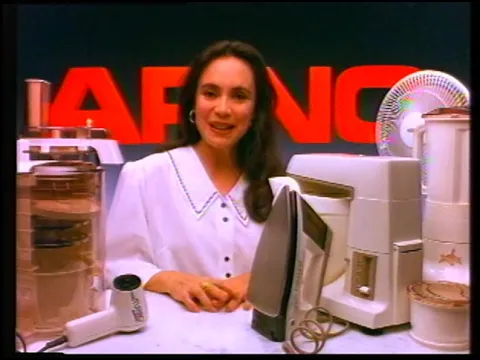
Founded in 1940 by descendants of German immigrants in Brazil, Arno began manufacturing fans, blenders, and irons.
During the 70s and 80s, it established itself as one of the most trusted brands in the country, with strong popular appeal and striking advertising campaigns.
The peak came in the 90s when virtually every Brazilian kitchen had some Arno product.
However, in 1997, the company was purchased by the French group SEB, owner of brands like Moulinex and Tefal. Since then, Arno has undergone a restructuring process.
Today, the brand remains active in Brazil, but with a more discreet presence focused mainly on blenders, fans, and electric pots.
It has lost prominence, but still holds market value due to its association with durability and tradition.

Walita: The Dutch Brand That Became a National Symbol
The story of Walita in Brazil began back in the 1930s, and it was a pioneer in introducing electric blenders to the country.
The name became almost synonymous with the product, as happened with other brands that dominated their segments (like Bombril for steel wool).
In the 50s and 60s, the company established itself as a leader in innovation, launching products like coffee makers, food processors, and mixers with cutting-edge technology for the time.
But the significant turning point came in 1971 when the multinational Philips acquired Walita.
Since then, products began carrying the name “Philips Walita,” creating a brand duo that lasted until recently. In 2020, however, Philips officially decided to retire the Walita name on most of its products, adopting only “Philips” for the new line.
Still, many Brazilians continue to refer to the brand’s appliances as “Walita,” even though the name has practically disappeared from packaging. It reflects how rooted the brand is in popular memory.

Britânia: The Brand That Resurged and Became a Retail Powerhouse
Unlike Arno and Walita, which lost prominence over time, Britânia has managed to reinvent itself and grow even more in recent decades.
The company was founded in 1956 in Curitiba, Paraná, initially manufacturing radios and fans.
During the 80s and 90s, Britânia faced difficulties and almost disappeared from the market, but made a comeback with an aggressive strategy: affordable prices, portfolio expansion, and strong presence in major retail chains.
This combination led Britânia to become one of the best-selling brands in categories like sandwich makers, fans, and microwaves.
In the 2000s, the company also invested in products with modern visuals and designs similar to more expensive brands, attracting middle-class consumers.
The turnaround was so successful that, in 2020, Britânia acquired Philco in Brazil, consolidating itself as one of the largest groups in the small appliance sector in the country.
Today, Britânia is synonymous with good cost-benefit, and its presence on both physical and digital shelves is stronger than ever.
It not only survived over time but also expanded its influence in an increasingly competitive market.
What Explains the Decline (or Rise) of These Brands?
The small appliance market has changed radically over the past few decades, with the arrival of Chinese brands, changes in consumption habits, and increased competition.
In addition, the advancement of e-commerce and department stores has lowered the entry barrier for new players in the sector.
While Arno and Walita suffered from mergers and restructurings, losing identity in the process, Britânia was able to adapt quickly and position itself effectively for the new Brazilian consumer.
Another decisive factor is the emotional memory: many people still fondly remember their grandmother’s Arno blender or Walita mixer from childhood, even if they no longer use those products.
Conclusion: From Prominence to Reinvention
The brands Arno, Walita, and Britânia are part of Brazilian domestic memory and continue to spark curiosity, even though they have taken different paths.
If one lost its shine, another was absorbed by a multinational, and the third surprised by being reborn with even more strength.
In the end, they all show how the market changes, but those brands that manage to adapt — and maintain an emotional connection with the public — remain alive.
Even if only in the nostalgic hearts of those who experienced the golden years of Brazilian kitchens.
Which of these brands was part of your childhood or your family’s home? Do you still have any old Arno, Walita, or Britânia products still working today? Share your story in the comments!







Temos uma batedeira Arno planetária, acredito ter 35 Anos ou mais e ainda está em uso.