





 Portuguese
  English
  Spanish
  4 min of reading
  0 comments


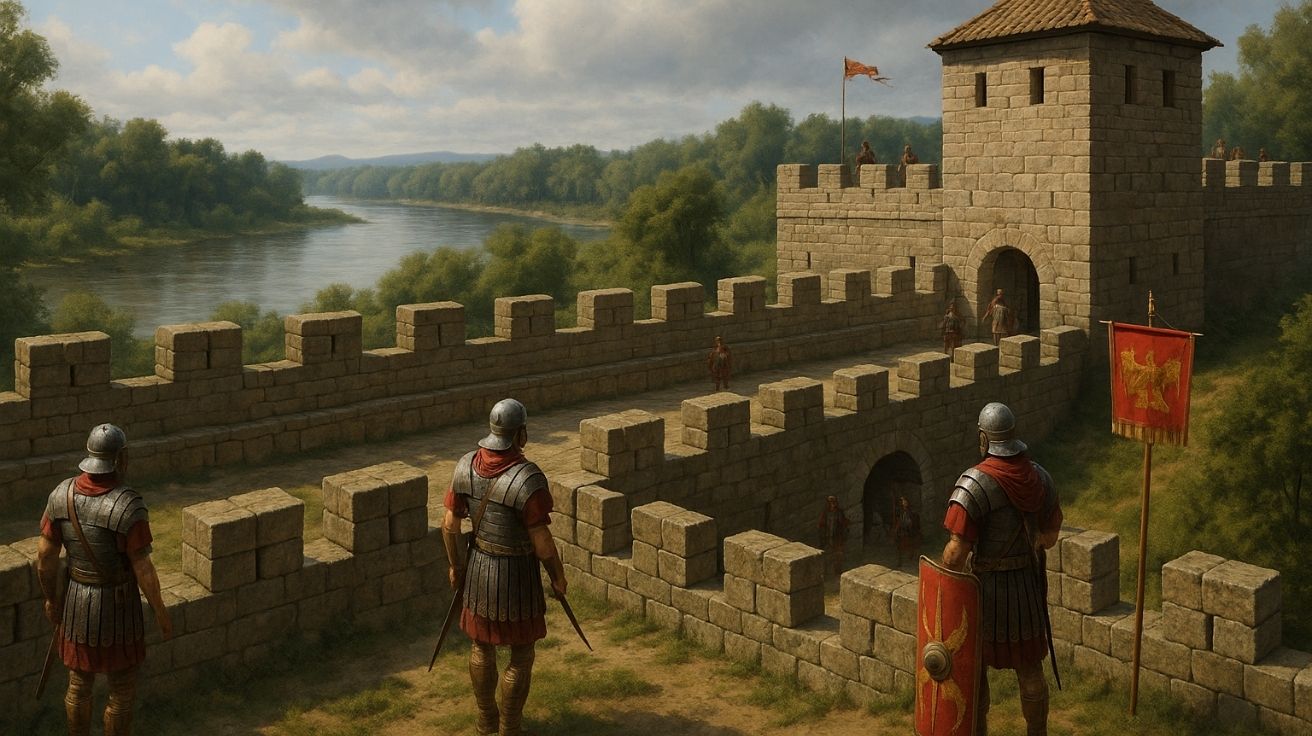
Researchers Uncover Mystery of the “Abandoned Castle” and Confirm Construction of a Bridge Fort on the Danube Plain, Operating Since the Marcomannic Wars Under Marcus Aurelius
For more than a century, ruins known as “Ödes Schloss”, or “Abandoned Castle”, have intrigued historians and archaeologists in the Stopfenreuth area, Lower Austria. Assumptions varied between medieval castle and Ottoman fortification. But recent excavations revealed something even more dramatic: it was a Roman bridge fort, a military structure used to control crossings and strategic trade routes.
The discovery, conducted by the Austrian Academy of Sciences (ÖAW) in partnership with the Carnuntum Archaeological Park, confirms that the Roman Empire extended its presence beyond the Danube, completely altering the understanding of the border line known as Danube Limes. The information was released by the magazine Archaeology Mag and other cultural outlets in Europe.
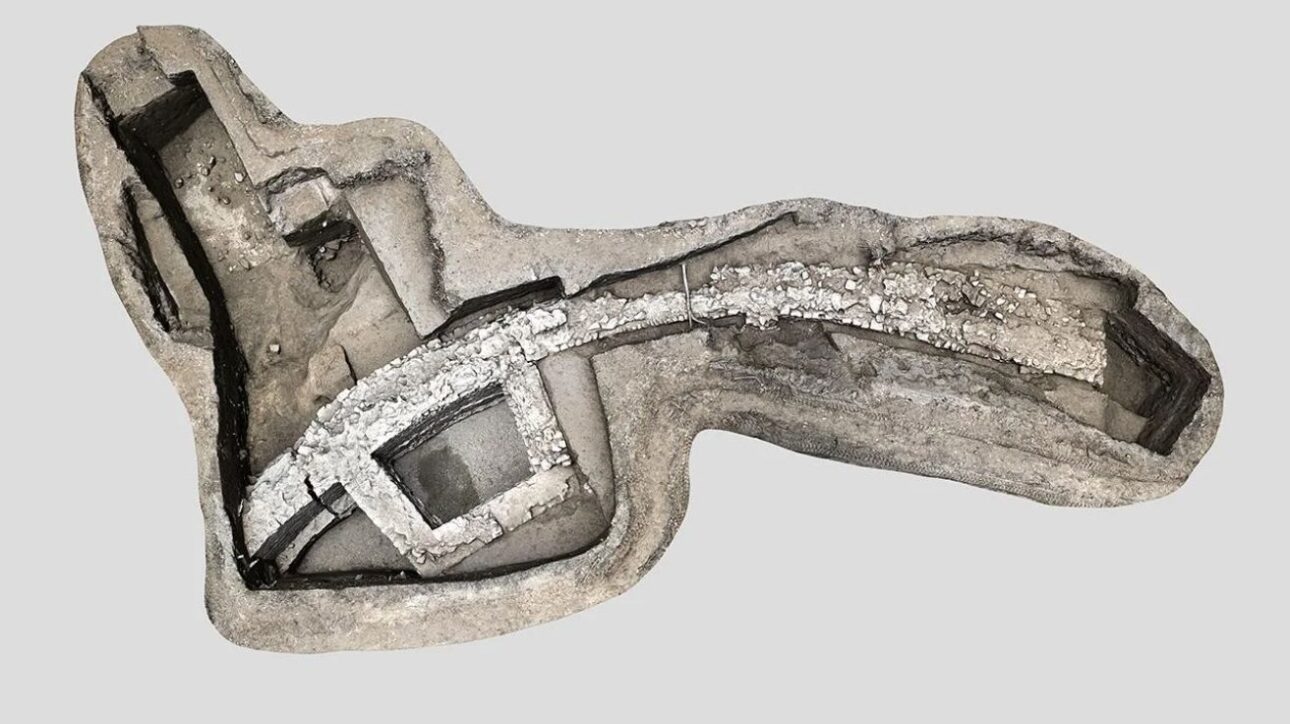
The Forgotten Roman Fort on the Danube
The structure was located in the floodplain of Hainburger Au, an environmentally protected area near the Donauauen National Park. Its original purpose was to protect the river crossing and monitor traffic on the Amber Route, vital for Roman trade with northern Europe.
-
With a cost per shot close to zero, the DragonFire laser could change naval warfare in 2027 and provide British ships with nearly unlimited defense against drones.

-
A British startup creates tires that generate electricity in electric vehicles when passing over potholes, speed bumps, and cracks.

-
Scientists have created robots made with living cells that have their own nervous system, swim on their own, explore the environment, and self-organize without any genetic engineering, and now they want to do the same with human cells.

-
Students create a solar-powered ambulance that operates without a plug, without fuel, and still keeps medical equipment running in remote areas.


The Stopfenreuth fort was built in two main phases. The first, around 170 to 180 A.D., occurred during the Marcomannic Wars when Emperor Marcus Aurelius reinforced the northern border against Germanic invasions.
In the second phase, dated to approximately 260 A.D., the fort was reconstructed under the rule of Gallienus. During this stage, it is believed to have been its last military use, before the strategic importance of Carnuntum declined.
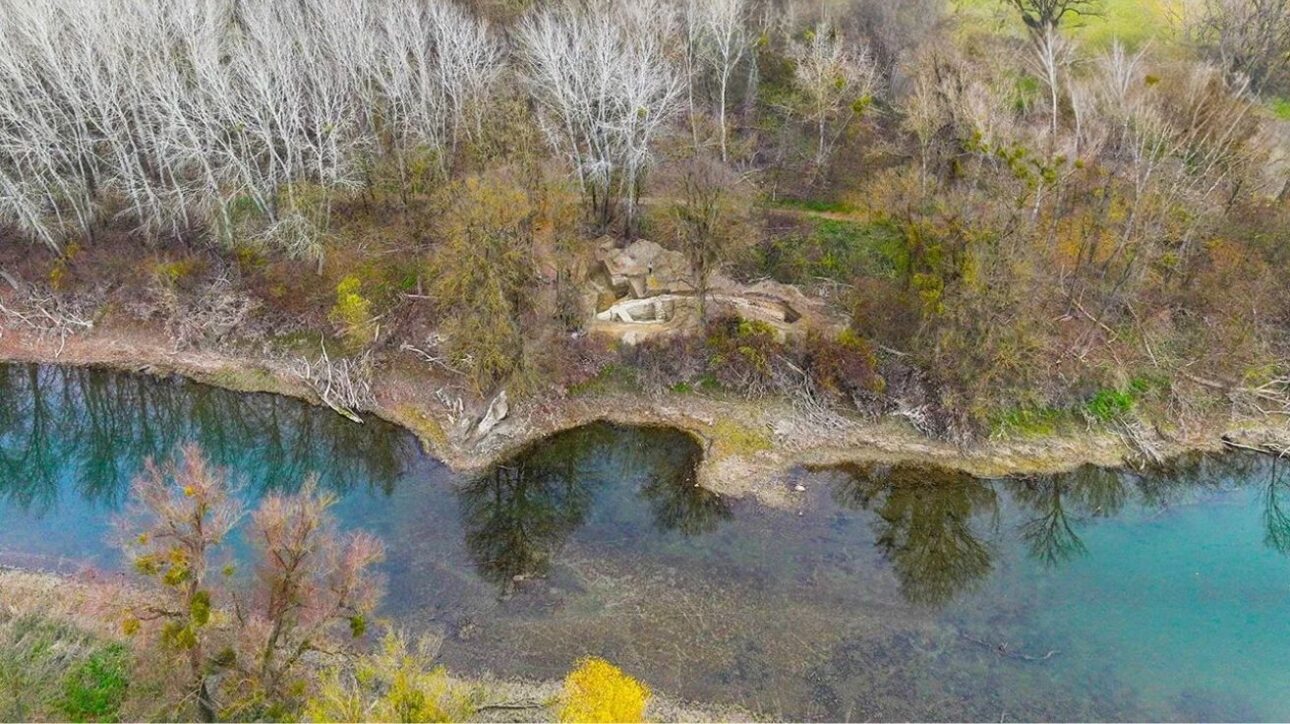
Part of the excavated walls still stands at an impressive height of 2.65 meters. Archaeologists also discovered bricks stamped with the seals of the XIV and XV Apollinaris legions, which operated in the ancient province of Pannonia.
These legions were stationed in Carnuntum, just four kilometers away, indicating a cohesive and articulated military system among the region’s fortifications.
In addition to bricks, coins, ceramics, and bronze objects were recovered, reinforcing the site’s significance as a military outpost and trade control point of the Empire.
The find also confirms that there were stable Roman occupations north of the Danube, in areas previously underestimated by classical historiography.
Historical and Environmental Implications
The confirmation of the fort in Stopfenreuth changes what was previously known about the extent of Roman presence in that region of the Empire. Before this discovery, there were doubts about the existence of any solid stone structure on the northern side of the Danube.
According to Christian Gugl, project director at ÖAW, this fortress reinforces the thesis that the Romans maintained advanced surveillance even beyond the Empire’s official borders, acting as precursors to what today would be called strategic influence zones.
The fort at Stopfenreuth adds to a series of archaeological evidence showing a more robust military presence in the region, previously seen only as the opposite margin.
The site is also contributing to environmental research. Scientists from the University of Vienna and BOKU are analyzing sediment samples to understand how the Danube River changed course over the centuries.
These studies reveal hydrological and ecological patterns predating the 16th century, helping to understand how the Romans selected locations for building forts and cities.
Carnuntum, the neighboring Roman city, now hosts an archaeological park with faithful reconstructions of houses and public buildings, becoming an attraction that connects the public to the living history of Ancient Rome.
The set of discoveries enhances the importance of the Carnuntum region and solidifies it as a vital center of the Roman frontier, not only in defense but also in administration, trade, and logistics of northern Europe.
Scientific research is still ongoing, with new analyses expected in the coming years, potentially revealing more secrets buried in the ancient beds of the Danube.







Seja o primeiro a reagir!