





 Portuguese
  English
  Spanish
  6 min of reading
  0 comments


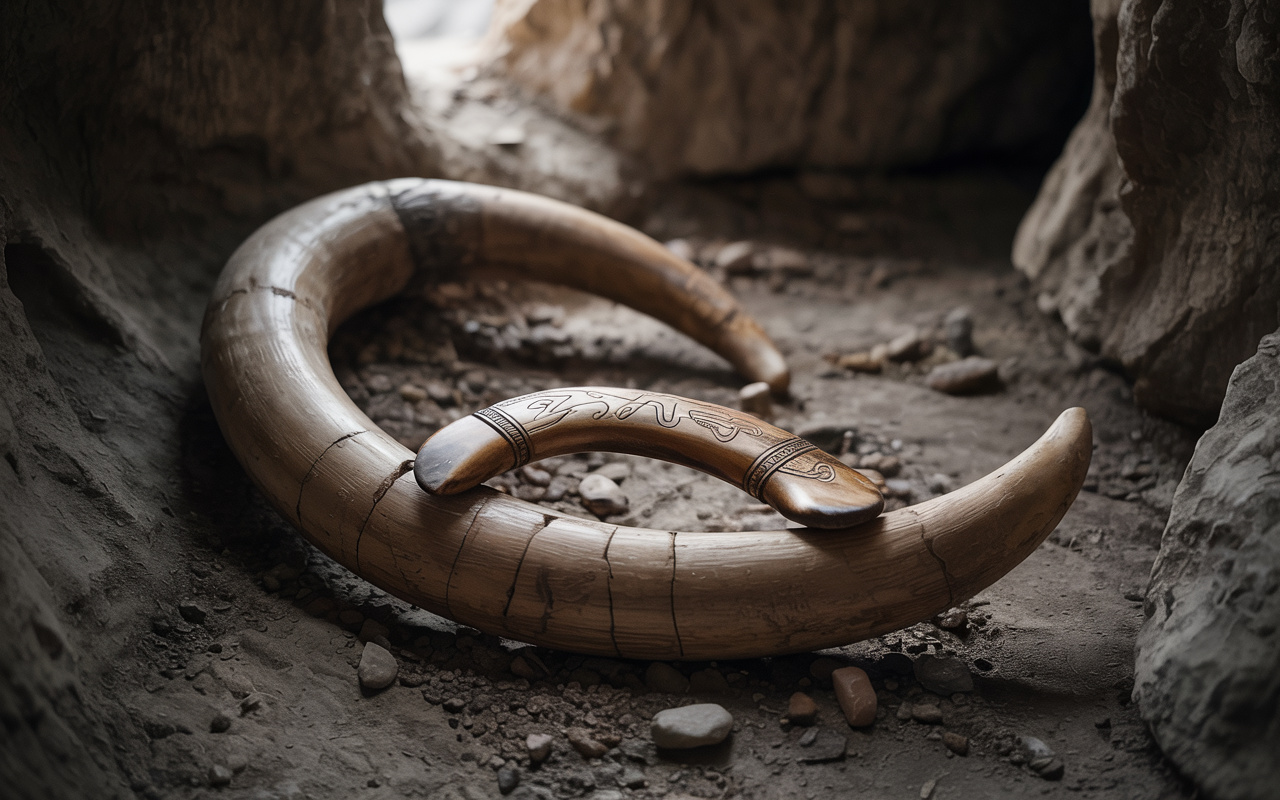
Discovered in Europe, a Boomerang Made from Mammoth Tusk Dated 40,000 Years Ago Reveals Technological Advancements of Ice Age Hunters. This Prehistoric Archaeological Artifact is Considered the Oldest Boomerang in the World, Expanding Our Knowledge of Ancient Paleolithic Tools.
Archaeological researchers have announced a revolutionary discovery: a boomerang carved from a mammoth tusk, approximately 40,000 years old, which may be the oldest boomerang in the world ever found. This prehistoric archaeological artifact not only broadens our understanding of Paleolithic tools but also reveals unprecedented details about Ice Age hunters and their survival techniques. In this article, we will detail the characteristics of this find, its historical significance, and the impact it has on global archaeology.
The Oldest Boomerang in the World: A Unique Discovery
The boomerang carved from mammoth tusk was found in an archaeological excavation in the Siberian region, an area known for the exceptional preservation of Ice Age artifacts.
Dated to approximately 40,000 years through radiocarbon dating, the object represents the oldest evidence of the manufacture and use of this type of weapon in the world.
-
A rare storm transformed part of the Gulf into an unlikely scene of hail, extreme rain, and tornado risk in the middle of the desert, with volumes that exceeded the annual average in a single day.

-
Brazil catches the world’s attention with ships powered by ethanol and biodiesel that have lower emissions, an unprecedented certification with advantages in chartering, and a revolution in cabotage.

-
A couple who only has Sundays free has built a hand-dug pool, a hamburger joint, a dance hall, and a playground in their own home without hiring a mason, and even with breaks due to accidents and the pandemic, the work has never truly stopped.

-
Furniture made with aluminum and glass does not warp and has become an alternative to replace MDF in Brazil.


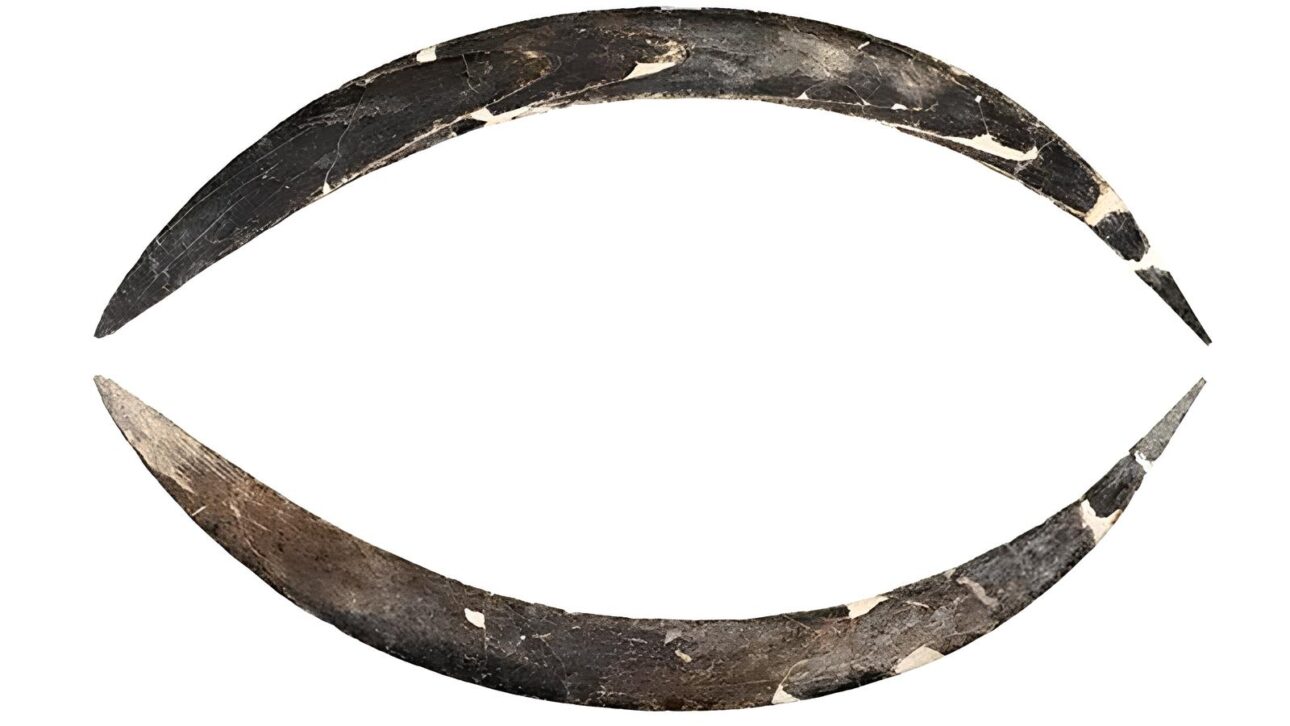
The discovery challenges the traditional narrative that attributed the origin of boomerangs to Australian Indigenous peoples, with records of use around 10,000 years ago. By doubling this estimate, the artifact suggests that the development of throwing tools was much older and possibly independent in different regions of the planet.
This boomerang is a key piece for understanding the technological innovation of Ice Age hunters, demonstrating that they mastered advanced manufacturing techniques with natural materials such as mammoth tusk.
Prehistoric Archaeological Artifact: Materials and Manufacturing Techniques
The use of mammoth tusk to carve the boomerang is a remarkable aspect of this piece. The tusk, made of durable and lightweight ivory, allowed for the creation of long-lasting and efficient weapons, more suitable for the extreme environments of the glacial era. Archaeologists identified marks made by stone tools, indicating a meticulous process of cutting, polishing, and finishing.
Additionally, microscopic analyses revealed clear signs of use, proving that the boomerang was not produced solely for ceremonial or symbolic purposes but played a practical role in hunting activities. This evidence reinforces the idea that Paleolithic peoples had a close relationship with the materials surrounding them and were capable of manipulating complex resources to enhance their hunting efficiency.
Ice Age Hunters and Paleolithic Tools
During the Ice Age, hunters faced challenges such as harsh weather, resource scarcity, and a fauna that included giant animals like mammoths and woolly rhinoceroses. To survive, they developed a series of specialized tools.
Paleolithic tools were made from bones, flint, ivory, and animal tusks. The boomerang was one of those multifunctional weapons, used to hunt small to medium-sized animals accurately, as well as possibly serving for entertainment or rituals. Its aerodynamic shape allowed for efficient throwing, with controlled return, facilitating retrieval and repeated use.
The manufacture of the boomerang from mammoth tusk demonstrates the ability of these ancient hunters to use noble and durable materials, reflecting not only manual skill but also advanced knowledge of the physics applied to launching objects.
The Role of the Boomerang Made from Mammoth Tusk in Hunting and Paleolithic Society
Besides its practical function in hunting, the boomerang made from mammoth tusk may have had social and symbolic significance among Ice Age groups. The choice of mammoth ivory as raw material, a valuable and difficult resource to work with, suggests that the artifact might represent status, skill, or even belong to individuals with specific roles within the group.
Elaborate tools often symbolized power, knowledge, or spiritual connection with animals and nature. Therefore, the boomerang may have been more than just a simple weapon; it could also function as an object of cultural identity.
Furthermore, the knowledge required to carve and use this type of tool would need to be passed down through generations, pointing to rudimentary forms of teaching and social cooperation long before agriculture or complex societies.
Importance of the Oldest Boomerang in the World for Modern Archaeology
This discovery has a significant impact on archaeology and the study of prehistoric archaeological artifacts. It expands the scope of understanding regarding the spread of Paleolithic technologies and indicates that different human cultures in distant locations developed similar technological solutions to face environmental challenges.
The boomerang made from mammoth tusk shows that throwing tools existed much earlier than previously thought and that the use of durable materials was a common practice among prehistoric human groups.
As a result, researchers can compare techniques, designs, and materials between archaeological sites in Eurasia and Australia, enhancing knowledge about cultural exchanges and technological independence in the distant past.
How the Find Contributes to Understanding Paleolithic Tools
Paleolithic tools, especially those made from organic materials such as bone and ivory, are rare due to their fragility and difficulty of preservation over millennia. Therefore, the find of the boomerang made from mammoth tusk is even more relevant, as it offers a preserved example of how these objects were manufactured and used.
The piece allows for detailed analyses, such as:
- Study of the handcrafted manufacturing process.
- Evaluation of the physical properties of ivory applied in weapons.
- Observation of wear and usage patterns to understand hunting practices.
This knowledge contributes to reconstructing the way of life of Ice Age hunters, their survival strategies, and their technical skills, revealing a complexity that is often underestimated in prehistoric periods.
New Perspectives for Future Research
The discovery of the oldest boomerang in the world paves the way for new investigations at similar archaeological sites. The possibility of finding other artifacts carved from mammoth tusks or bones of large animals may expand knowledge about human technological development.
Moreover, interdisciplinary studies involving archaeology, paleontology, and materials science can enhance understanding of the relationship between humans and their environment and how these peoples adapted their natural resources to ensure their survival.
The analysis of DNA and other modern study methods may also help contextualize the culture of Ice Age hunters, their migrations, and interactions with other populations.
Reflections on the Relevance of the Boomerang Made from Mammoth Tusk to Today’s Audience
This boomerang made from mammoth tusk is not just an ancient relic; it is a testament to human ingenuity and adaptability throughout history. For the general public, understanding this historical process helps to appreciate the importance of archaeology and the study of the past to understand the origins of technology and culture.
Furthermore, knowing the history of Paleolithic tools reinforces the human connection to the environment and the challenges faced by our ancestors, encouraging a more conscious perspective on cultural heritage preservation.
For students, researchers, and enthusiasts, the piece inspires new questions and investigations about the evolution of tools and ancient societies.
What Does This Oldest Boomerang in the World Teach Us?
The discovery of the boomerang carved from mammoth tusk shines a powerful light on humanity’s distant past. It shows that even under the adverse conditions of the Ice Age, ancient hunters developed sophisticated techniques and innovative materials to manufacture efficient weapons.
This prehistoric archaeological artifact reinforces the notion that creativity and adaptation are hallmarks of being human since our early steps on Earth.
Therefore, the ongoing study of this and other similar finds is essential for better understanding our roots, technological development, and the history of human survival.








-

Uma pessoa reagiu a isso.