





 Portuguese
  English
  Spanish
  5 min of reading
  0 comments


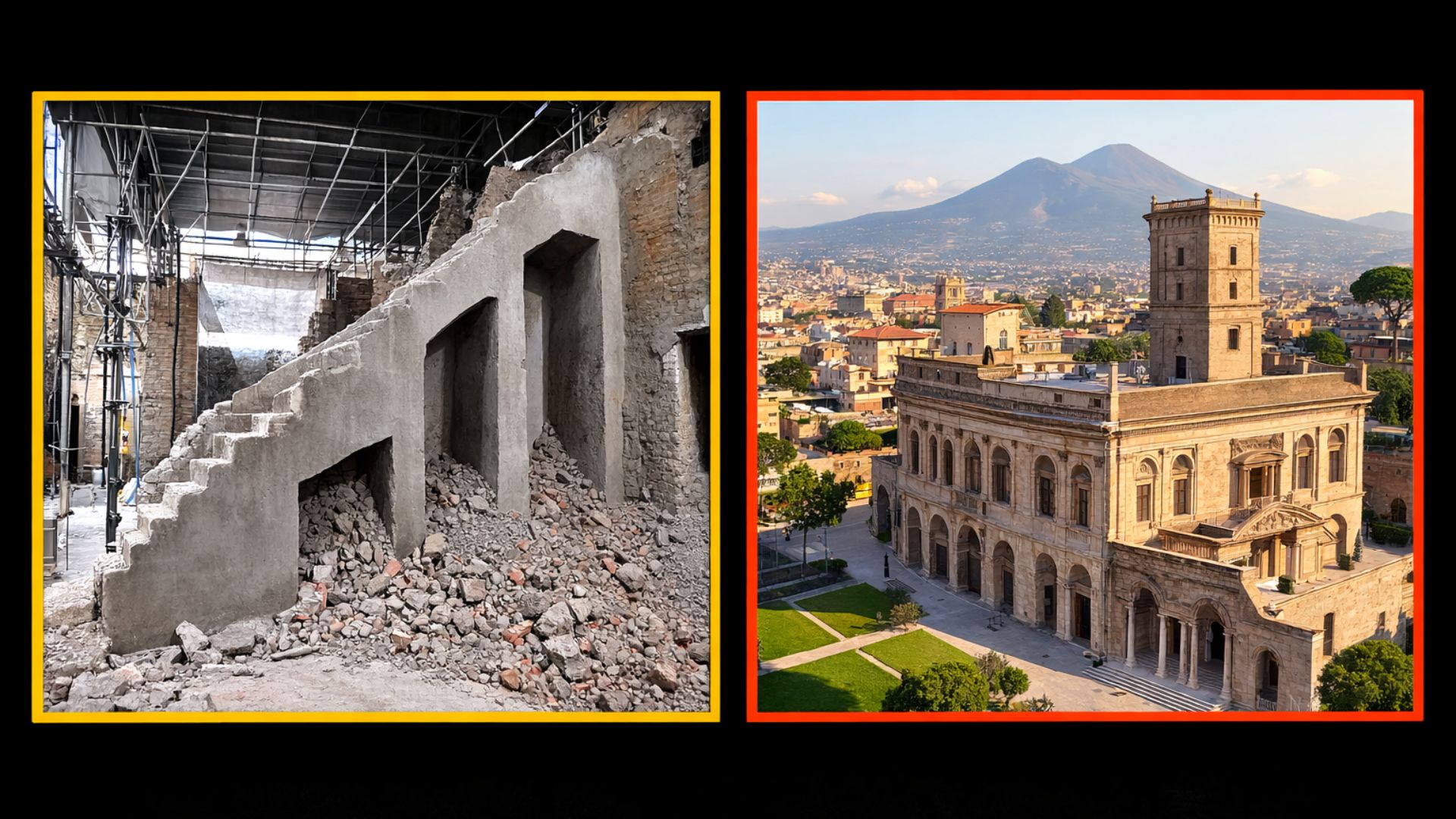
Reconstruction Of Lost Sectors Of Pompeii Uses 3D Scanning, Digital Twins, And Archaeological Data To Reveal How Upper Areas Of Roman Houses May Have Been Organized Before The Eruption Of Vesuvius In 79 A.D., Including A Monumental Staircase Linked To The Called House Of Tiaso.
Almost two millennia after the eruption of Vesuvius, a research front began to reconstruct in the digital environment sectors of Pompeii that disappeared from the material landscape, especially the upper floors of houses, now absent from what visitors can see in the preserved ruins.
The initiative brings together high-precision scans, three-dimensional modeling, digital twins, and virtual simulations to reconstruct collapsed or lost spaces over the centuries.
The work is conducted in the POMPEII RESET project, a partnership between the Archaeological Park of Pompeii and Humboldt University of Berlin.
-
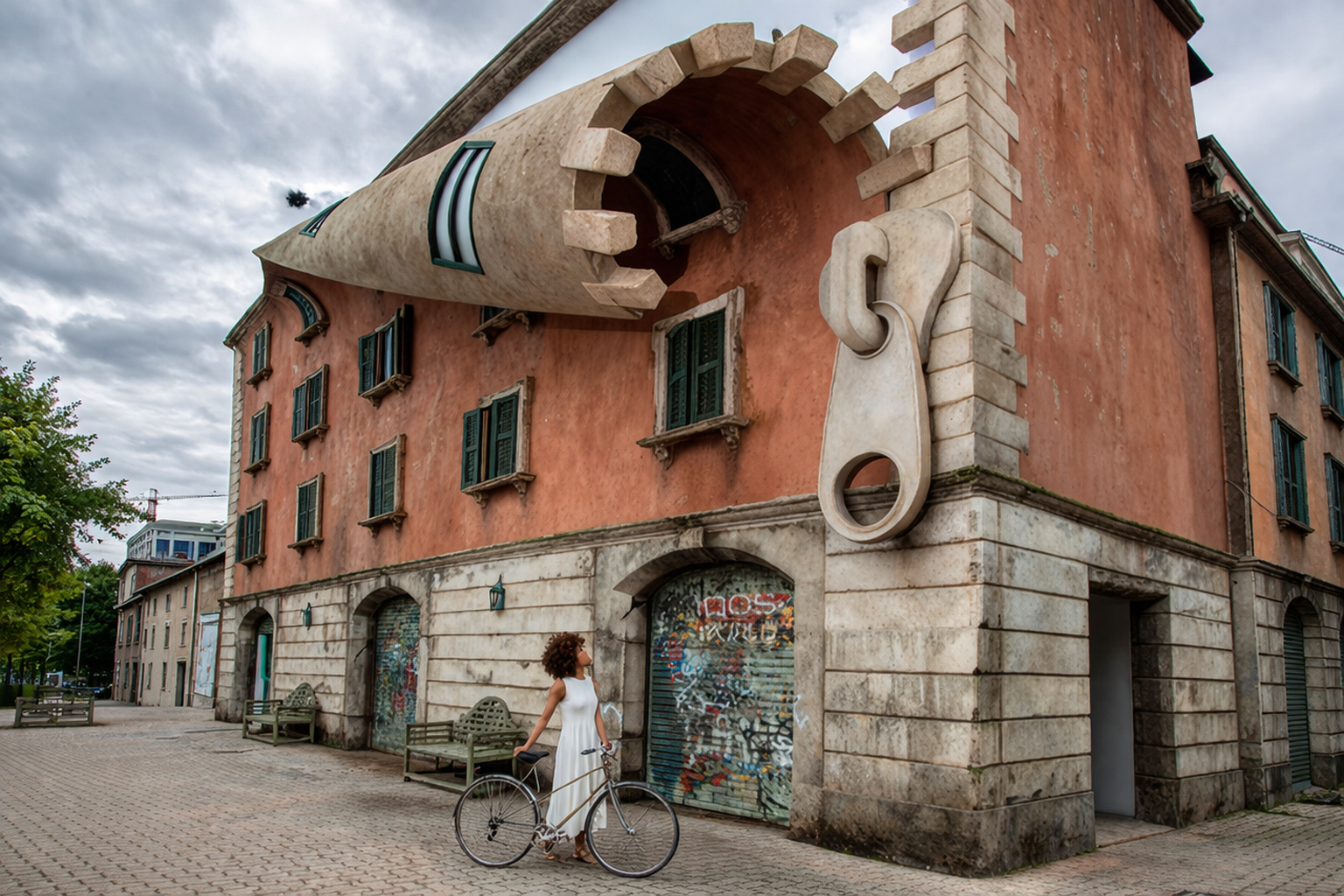
With a façade that resembles a giant zipper, the building in Milan creates a sense of strangeness, featuring lighting that transforms engineering and attracts the attention of residents and tourists.
-
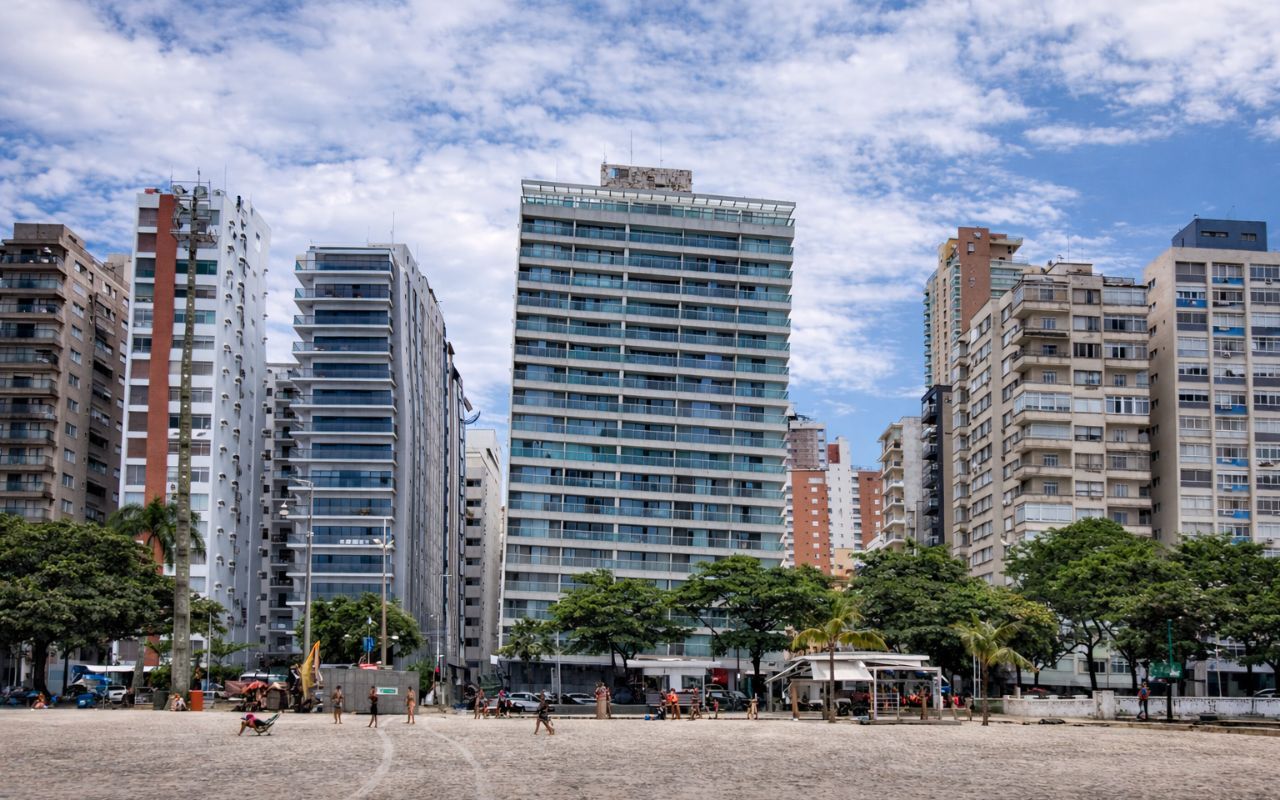
The Brazilian city has 319 crooked buildings built on sandy soil without proper deep foundations, houses the largest beach garden in the world, with over 5 km, and is still considered the birthplace of surfing — meet Santos, in São Paulo.
-
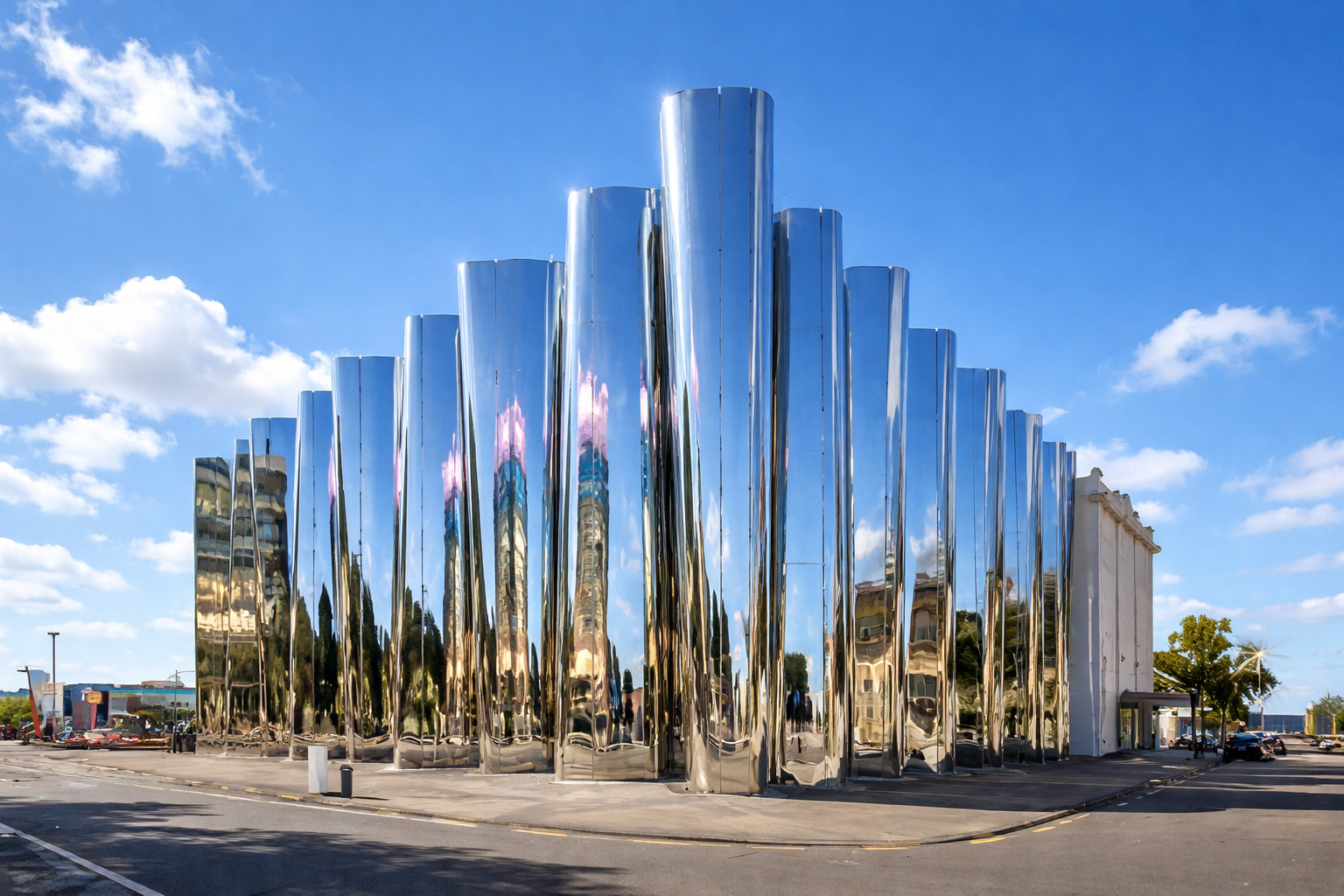
New Zealand builds a shimmering building that vibrates, featuring a 62-seat cinema, moving sculptures, and an environment where sound, light, and energy are felt in the body.
-
Two colored cubes of 2.5 m transform a public bathroom into a selfie spot in Western Australia, costing up to 75% less than traditional construction and helping to reduce vandalism in public spaces.

According to the institutions, the proposal is not limited to recording what remains standing but tries to restore volume, height, and function to essential sectors of the ancient city that left few visible traces.
Mysterious Staircase In The House Of Tiaso Draws The Attention Of Archaeologists
The case that caught the attention of archaeologists is the House Of Tiaso, In Insula 10 Of Regio IX, an area that has been providing a significant amount of data since recent excavations.
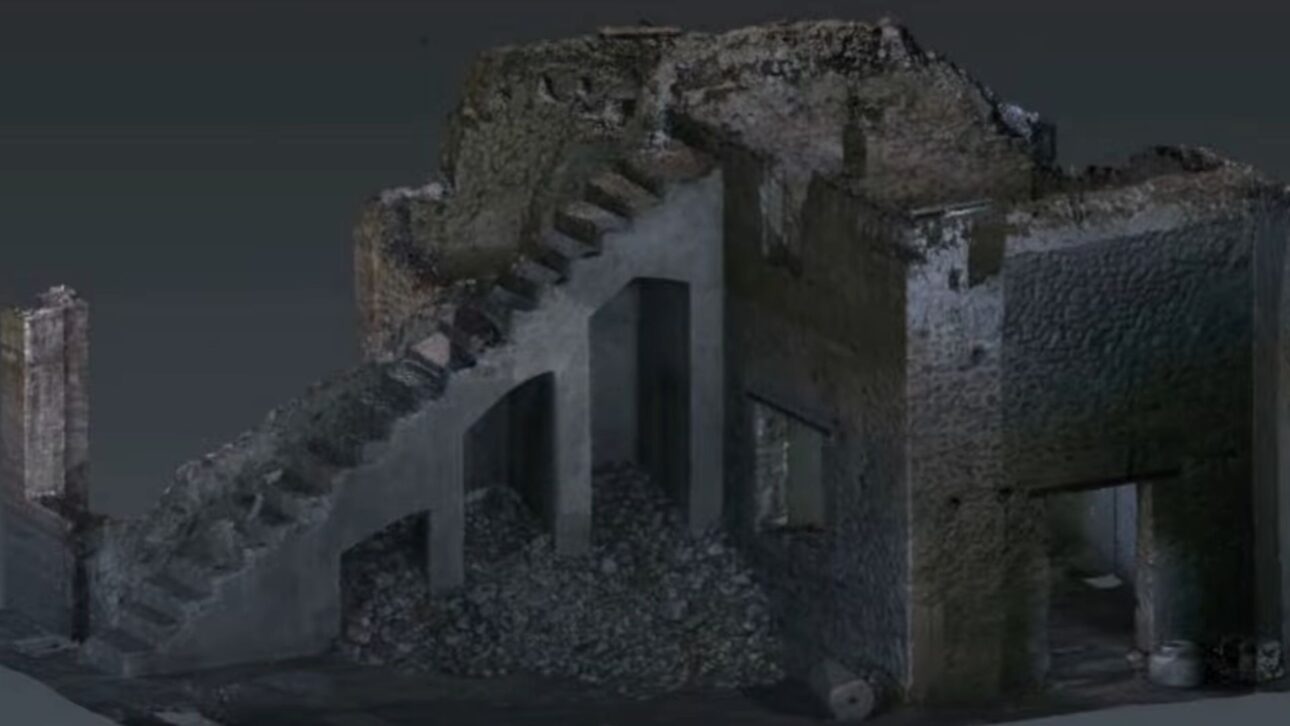
There, a monumental staircase preserved in an incomplete form drew attention for appearing interrupted, as if it led to a space that no longer exists in the current physical record.
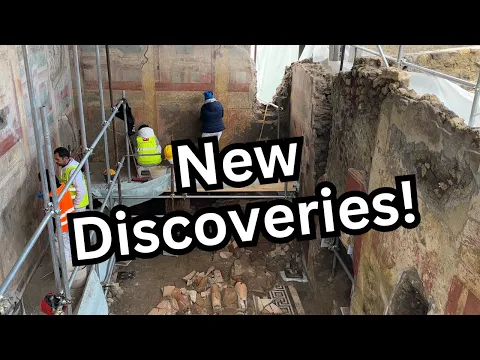

From this element, the team started testing the hypothesis that the structure provided access to an elevated volume linked to the most representative environments of the residence.
The Archaeological Park of Pompeii describes this reading as a reconstruction based on archaeological data and digital documentation, not as a definitive reproduction of the original architecture.
This shift in focus is relevant because the best-known image of Pompeii was built, largely, from what survived at ground level: streets, paintings, ground-floor rooms, courtyards, and objects.
By redirecting attention to the city in height, the research aims to recover a daily dimension of Roman life that has been almost completely lost in the destruction process and the subsequent course of excavations.
Pompeii RESET Project Uses 3D Visualization Technology And Digital Twin
According to Humboldt University, the project employs documentation and digital reconstruction methods developed and refined in virtual visualization areas, including techniques associated with the logic used in electronic gaming environments, but adapted for scientific purposes.
The goal is to transform the preserved evidence into three-dimensional models capable of supporting more detailed historical, archaeological, and spatial analysis.
In practice, researchers start from meticulous scans of the existing structures to create models that allow testing circulation, relationships between environments, and possible uses of the upper spaces.
This type of approach also reduces the need for additional physical interventions on the site, reinforcing the non-invasive nature of the research line adopted in Pompeii.
The involved institutions state that the digital twins produced in the project fulfill at least three central functions: documenting cultural heritage, opening new possibilities for scientific interpretation, and expanding the transmission of knowledge to specialists and the public.
The final model, according to the university, should serve both for academic investigation and for more complete forms of visualization of the ancient city.
Discovery Of Dionysian Frieze Helped Identify The House Of Tiaso
The interest in the residence grew even more in February 2025, when the Archaeological Park of Pompeii announced the discovery of a large frieze with almost life-sized figures linked to the procession of Dionysus in a banquet hall excavated in the same area.
It was from this find that the property came to be called House Of Tiaso.
The official statement informs that the painting belongs to the so-called Second Pompeian Style and can be dated between the 40s and 30s B.C.
When Vesuvius erupted in 79 A.D., therefore, the pictorial ensemble was already about a century old, which enhances its value for understanding the decoration and symbolic repertoire of the house.
Although public attention initially turned to the frieze, the digital front does not restrict itself to mural decoration.
The volume of data obtained from recent excavations began to support a broader reading of the property, including vanished upper sectors and architectural elements that help rethink how certain houses in Pompeii were organized and lived in.
Hypothesis Of Tower Linked To The Prestige Of The Roman Elite
In the reading presented by the park and researchers, some residences of wealthy or socially ascending families may have incorporated elevated structures as a visible sign of status.
This possibility gains strength because Pompeian paintings already show villas with towers, a visual repertoire that serves as a comparative reference to discuss the symbolic role of these constructions in the Roman world.
Even so, the formulation is treated as archaeological hypothesis supported by material evidence, not as a closed fact.
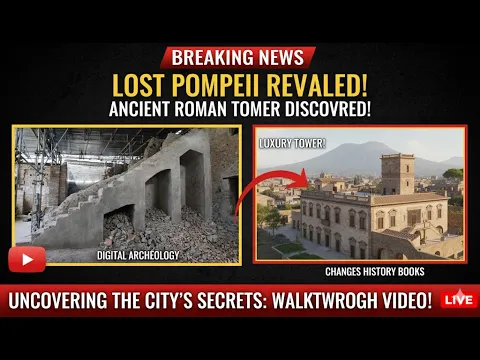
The official presentation itself highlights that the staircase of the House Of Tiaso, now apparently without destination, is one of the central elements of this reconstruction.
It adds to the digital documentation of the preserved walls and the architectural analysis of the ensemble to support the tower hypothesis.
This shift in perspective alters the way Pompeii is usually observed.
Instead of a city known only as a horizontal portrait of destruction, the site is also examined as an urban organism with heights, internal transitions, and upper areas of representation.
Digital Archaeology Tries To Reveal The Called “Lost Pompeii”
Humboldt University states that there are still significant gaps in the record of ancient Pompeii, especially in the upper floors of residential blocks.
It is precisely this void that the project seeks to confront by reconstructing, in 3D, parts of the buried city that did not survive materially but continue to be suggested by architectural traces, spatial relationships, and archaeological documentation.
More than producing impactful images, the initiative seeks to recover the spatial experience of the city’s inhabitants before the eruption.
By restoring form to interrupted staircases, disappeared volumes, and internal connections erased by time, digital archaeology expands the field of observation on how housing, prestige, circulation, and social life articulated in one of the world’s most studied archaeological sites.






-

-

-

-

-

18 pessoas reagiram a isso.