





 Portuguese
  English
  Spanish
  5 min of reading
  1 comment


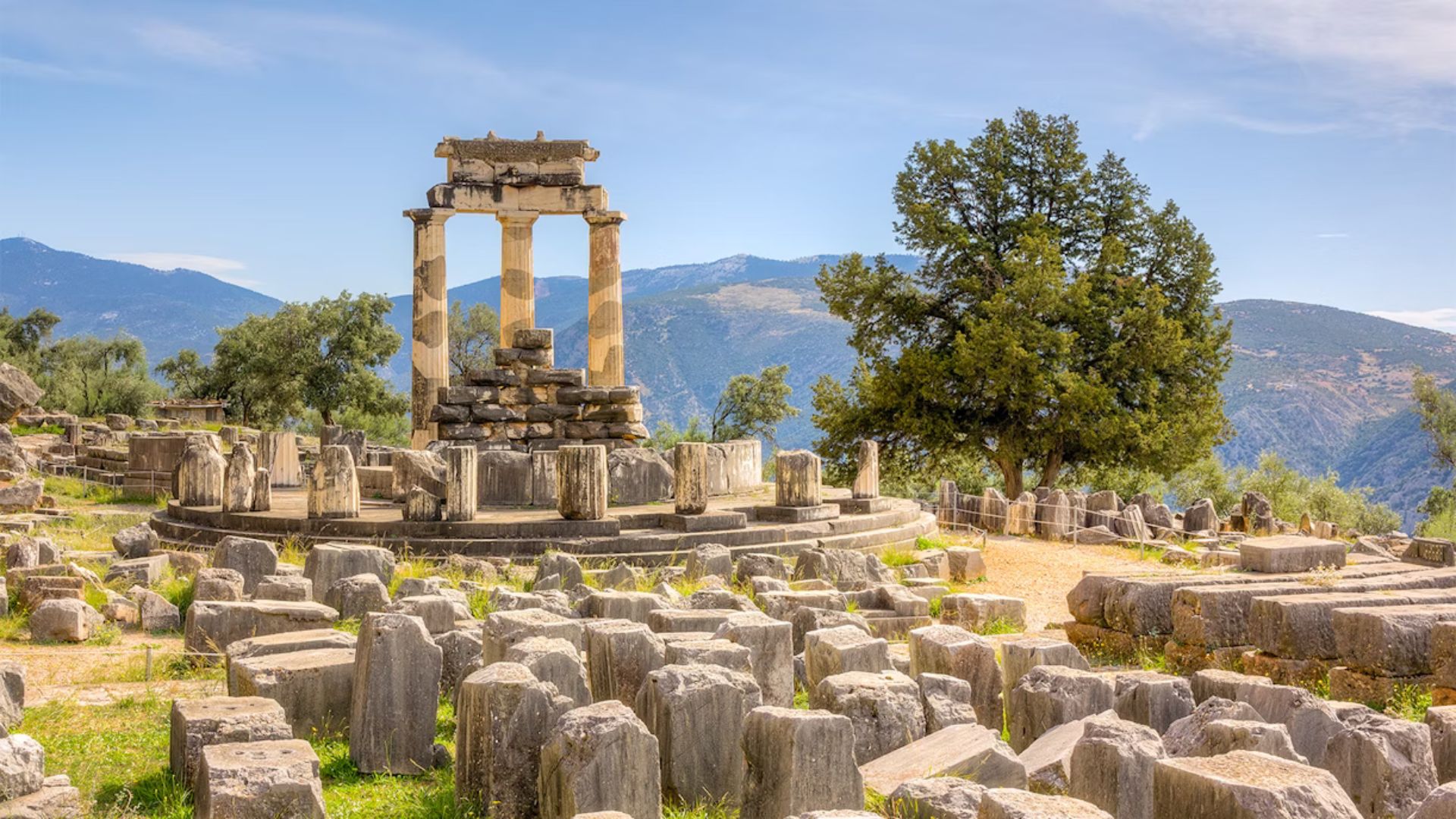


Rediscovery Of A Sanctuary Buried For Decades Puts Cyprus Back At The Center Of Mediterranean Archaeology, With Monumental Remains, Ancient Inscriptions, And Votive Objects That Help Reconstruct How A Cult Space Functioned, Disappeared From The Scientific Field Since The End Of The 19th Century.
A sanctuary of Apollo that had disappeared from the archaeological map for nearly 140 years has returned to the center of research in Cyprus after new excavations revealed more than 100 statue bases, hundreds of sculptural fragments, and evidence of colossal pieces.
The site is located in Frangissa, in the Pera Orinis region, near the ancient city-state of Tamassos, and has been resumed by teams from the universities of Frankfurt and Kiel, with support from Cypriot authorities.
Frangissa Sanctuary Returns To The Archaeological Map
The rediscovery draws attention because the site had already been regarded at the end of the 19th century as one of the most notable discoveries in Cypriot archaeology.
-
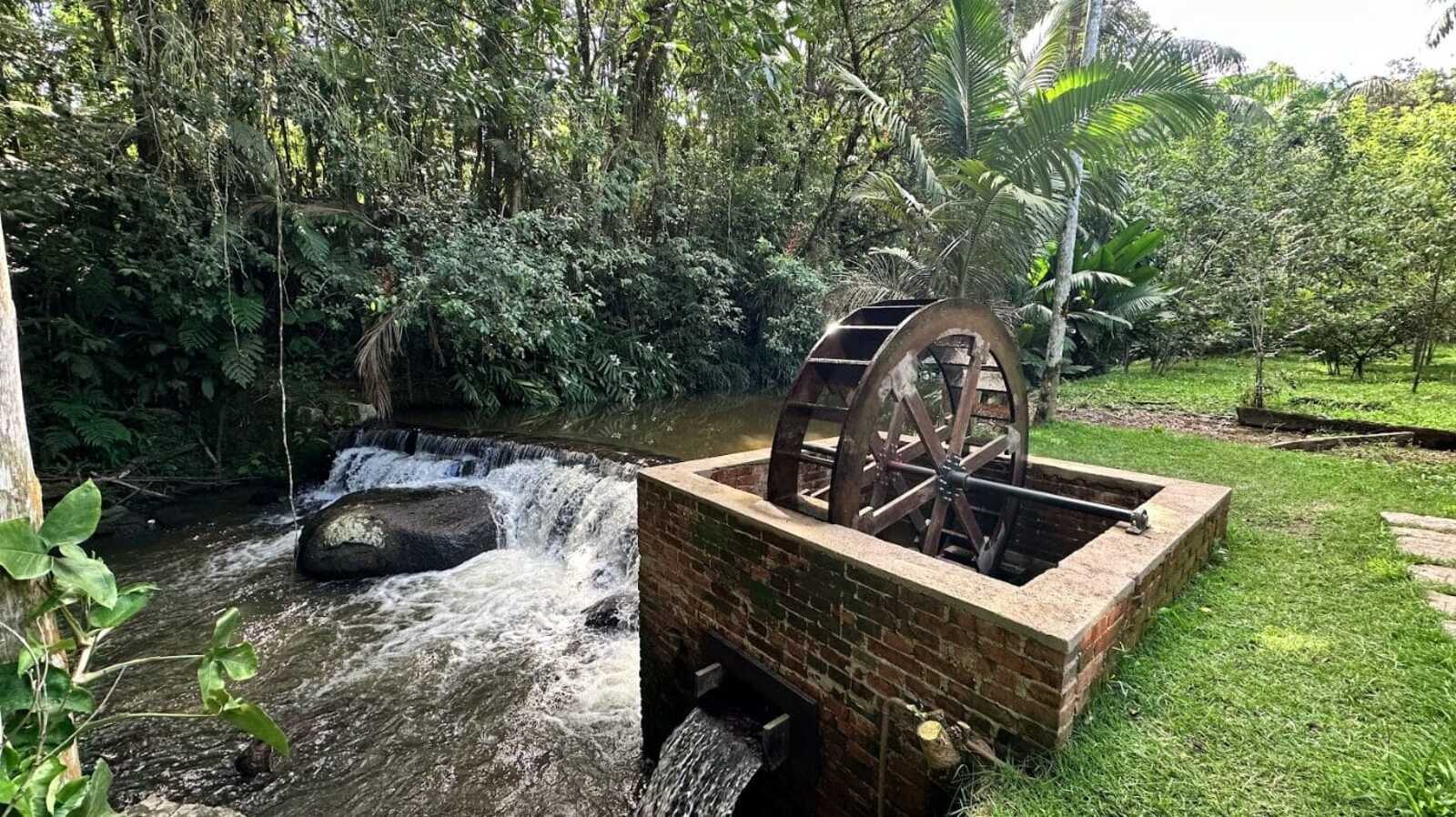
While restoring a historic mansion from 1910, a brick structure with an old turbine that generated energy from the Rio do Testo emerged, along with a hidden door and a rare floor concealed under layers of wax.
-
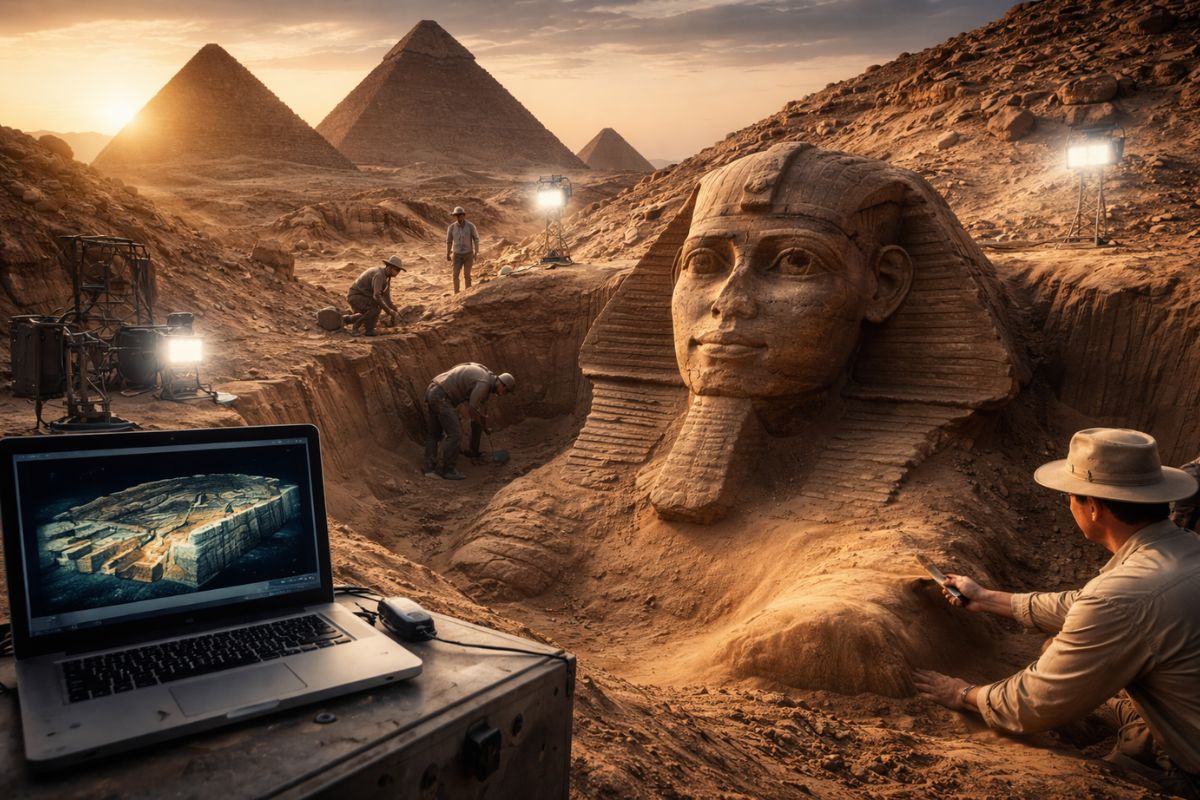
Italian researchers have detected what appears to be a second Sphinx buried under the sands of Egypt, and satellite scans reveal a gigantic underground megastructure hidden beneath the Giza Plateau for over 3,000 years.
-
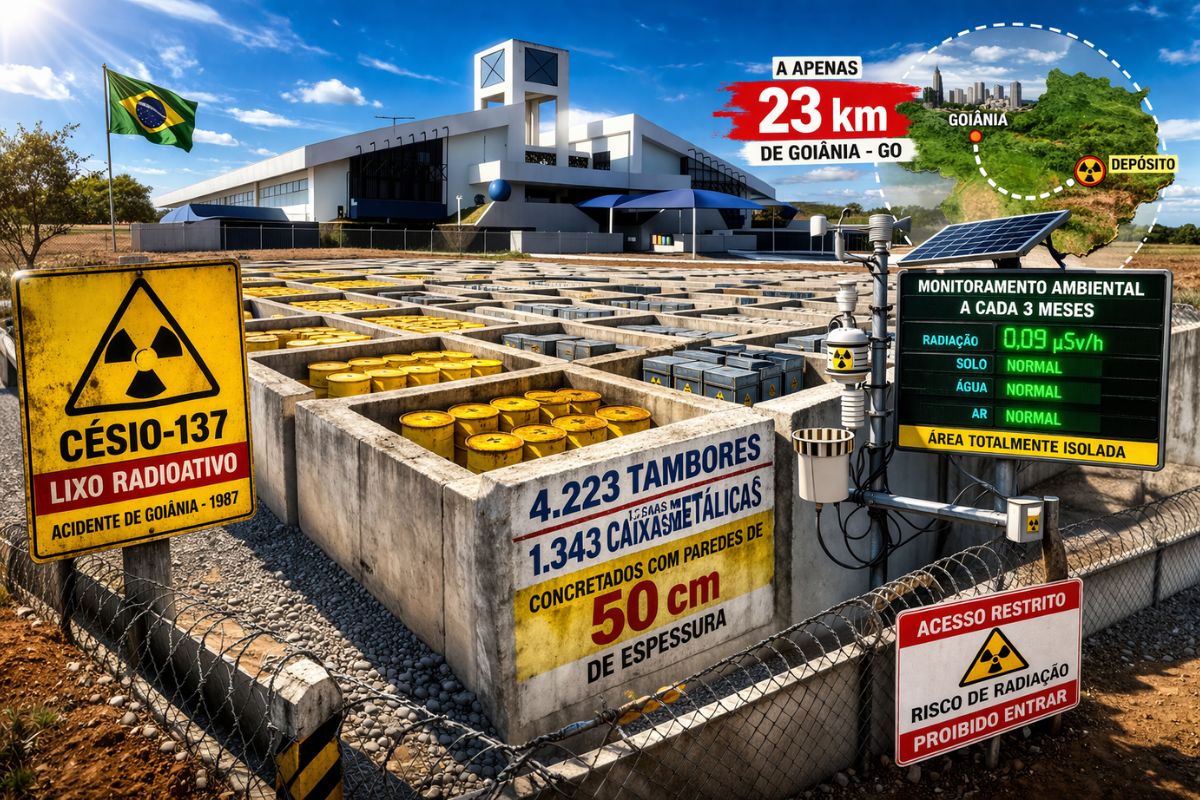
There are 4,223 drums and 1,343 metal boxes concreted with 50-centimeter walls that store the radioactive waste from Cesium-137 in the worst radiological accident in Brazil, just 23 kilometers from Goiânia, with environmental monitoring every three months.
-
Giant Roman treasure found at the bottom of Lake Neuchâtel in Switzerland reveals an advanced trade system, circulation of goods, and armed escort in the Roman Empire about two thousand years ago.

After the initial campaign, however, the area was covered and leveled, causing its exact position to be lost over the decades, despite the fame gained by the sculptures taken from there.
The sanctuary is in a remote valley near Tamassos, an important political and religious center of ancient Cyprus.
According to the academic project funded by the AMRICHA institute, the location was recovered after cross-referencing historical records in Germany, the United Kingdom, and Canada with archaeological surveys and field prospecting conducted since 2020.
This work allowed the search to be narrowed down to a narrow band southwest of the current village of Pera Orinis.
From there, researchers confirmed the point excavated in 1885 by Max Ohnefalsch-Richter, a German archaeologist who had identified the sanctuary, conducted a short campaign, and left partial documentation that, for decades, was insufficient to relocate the site on the ground.
Excavations In Cyprus Reveal Bases And Fragments Of Statues
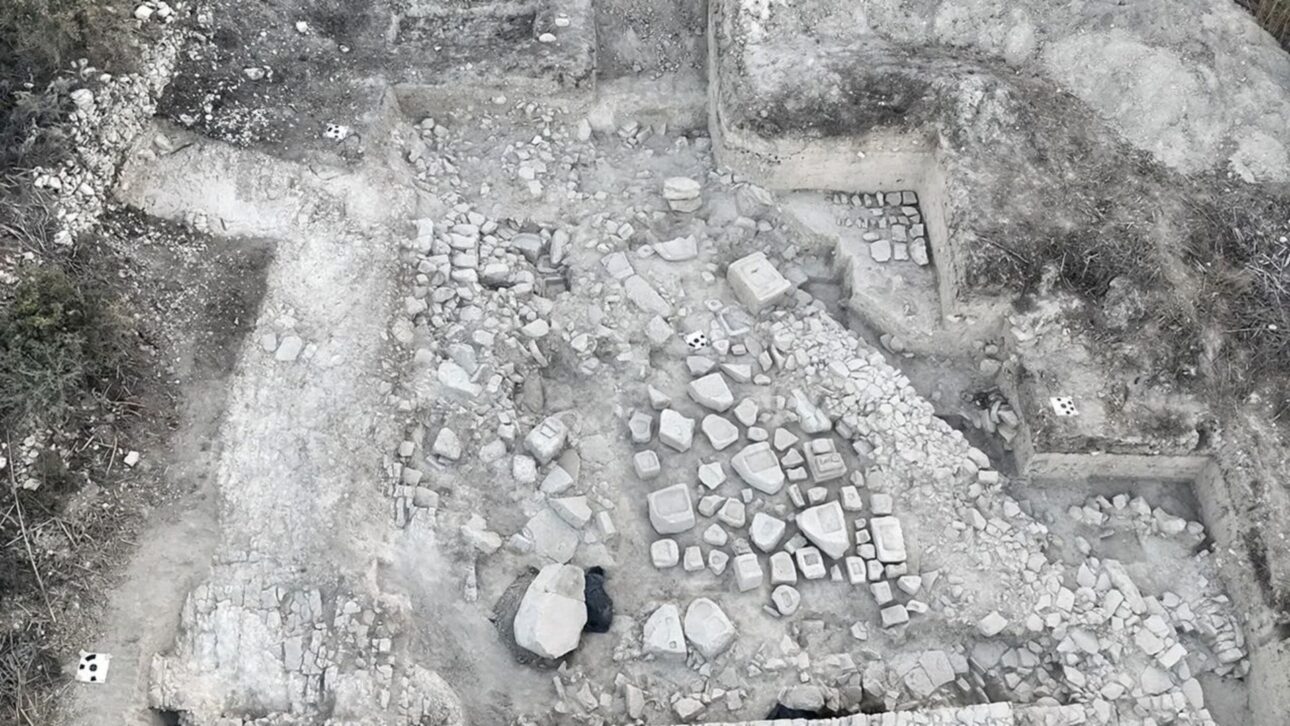
The new phase of excavations, completed after the 2024 season, revealed a large quantity of fragments of statues inside and around the sanctuary.
Among the materials found are parts that may complete sculptures known since the 19th century, as well as votive objects that had not been recognized in Frangissa before.
The finds include marbled glass beads, Egyptian faience amulets, and previously unknown types of statues for this site.
The presence of these materials broadens the picture of the offerings deposited in the sacred space and reinforces the idea that the local cult maintained broader cultural connections within the Eastern Mediterranean.
Among the most relevant elements are the statue bases recovered in the fill left by the 19th-century excavation.
Some of them are described as colossal, suggesting the installation of votive monuments of large proportions and helping to place the sculptures back within their spatial context, something rare in Cypriot sanctuaries studied since past campaigns.
Researchers highlight that the association between bases, supports, and fragments may allow for a more precise reconstruction of the arrangement of the images in the courtyard and other areas of the complex.
This type of reading is especially valuable because many sanctuaries excavated in the past lost the connection between object and installation site.
19th Century Discovery Remained Without Context For Decades
When Ohnefalsch-Richter arrived in Frangissa in 1885, he found an exceptional set of sculptures made of limestone and terracotta.
According to the description of the current project, in just 17 days of work he identified more than 500 statues, some over three meters tall, a volume that transformed the sanctuary into an immediate point of reference for studies on ancient religion in Cyprus.
Despite this, the results of the campaign were not published widely and systematically.
Objects from the site ended up dispersed across museums in different countries, while part of the collection that remained in Cyprus lost its more precise archaeological association, making it difficult for a long time to understand the internal organization of the sanctuary and its chronology.
The very architectural configuration of the space helps explain why Frangissa was seen as a singular find.
The ancient plans and documentation of the project indicate an open courtyard surrounded by walls, with a central building featuring a semicircular apse, interpreted as the main covered cult area within the complex.
Ancient Inscriptions Broaden The Historical Importance Of The Site
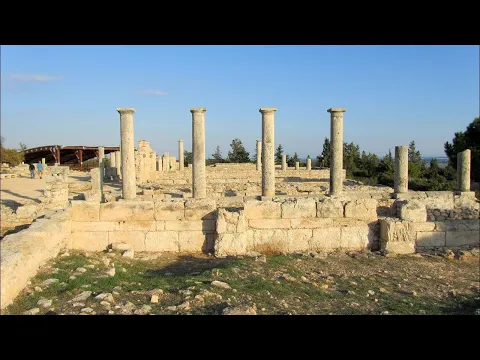

The recent excavations also provided data that help track the use of the sanctuary in different periods.
Two inscribed bases stood out: one with characters from the Cypriot syllabary and another with a reference, in Greek, to the Ptolemies, the Hellenistic dynasty that controlled Egypt and also Cyprus after the end of the island’s kingdoms.
These inscriptions indicate that the importance of the site was not limited to the archaic period, generally associated with the 7th and 6th centuries BC.
By pointing to continuity of use in later phases, they broaden Frangissa’s historical scope and connect the sanctuary to broader political and cultural transformations in the Eastern Mediterranean.
Another relevant aspect is that the rediscovery is not limited to the physical reappearance of a lost site.
By collecting historical records, modern prospecting, controlled excavation, and digital documentation, the project opens the possibility of re-linking sculptures now scattered across museums to their original context, restoring archaeological density to a collection that survived for decades more in incomplete records than in field evidence.
As a result, Frangissa is treated not only as a recovered discovery but as an active front of research on votive practices, ritual organization, and the circulation of objects in a rural sanctuary in Cyprus.
As parts of the complex remain unexplored, the trend is that future campaigns will add new data on the scale of the offerings, the use of sacred space, and the role of Tamassos in this ancient religious landscape.







Why are the photos illustrating the article from Delphi in Greece?