





 Portuguese
  English
  Spanish
  4 min of reading
  24 comments


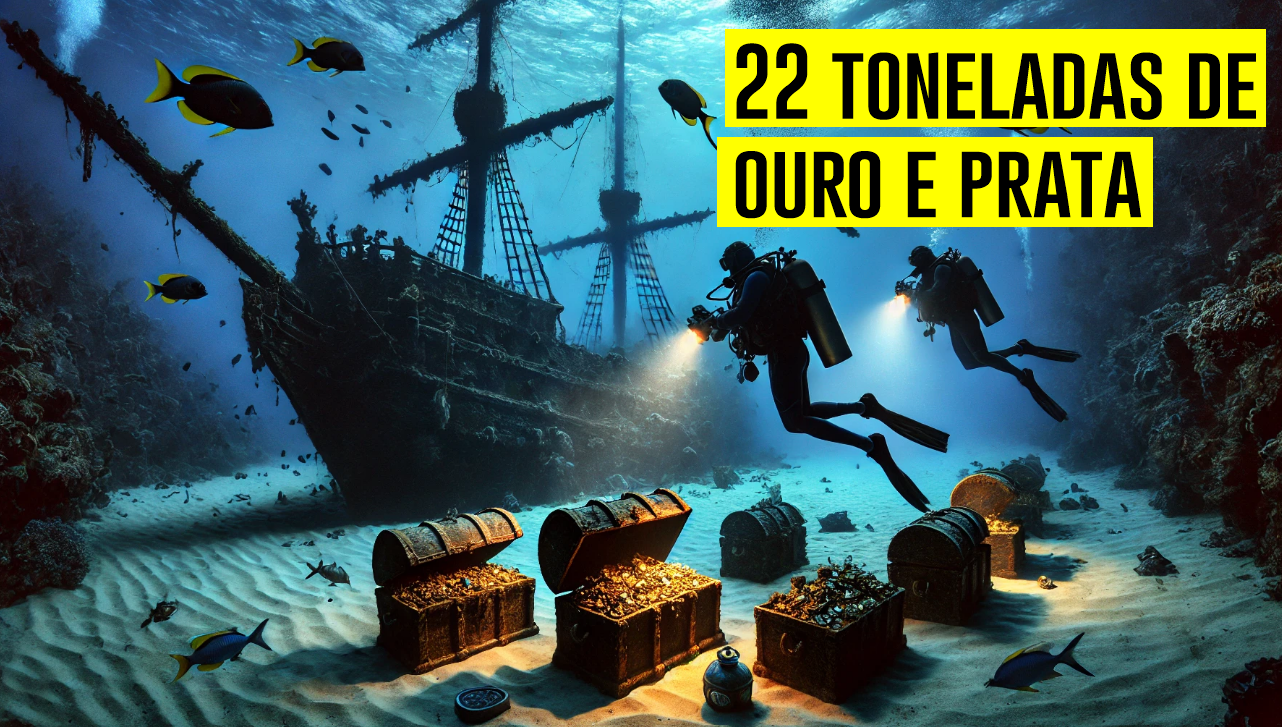


Shipwreck Discovered Off the Coast of Portugal with 22 Tons of Gold and Silver
A submerged treasure, filled with mystery and history, lies in the waters of the islands and the mainland coast of Portugal. According to Alexandre Monteiro, an underwater archaeologist, about 250 ships laden with treasure are wrecked in these maritime territories, sparking the interest of treasure hunters and worrying specialists. “There is no contingency plan to protect such a find,” warns the investigator. These shipwrecks represent a window to the past, but also a challenge for preservation.
A Sea of Stories
Monteiro, a researcher from the Institute of History, Territories and Communities, Nova University of Lisbon, has spent the last 25 years diving and studying underwater finds.
He has created a database that identifies 8,620 shipwrecks in Portuguese maritime territory. Among them, 7,500 are on the mainland coast, about 1,000 in the Azores, and 120 in Madeira.
-
The Argentine government celebrates the lowest poverty rate in 7 years, but experts warn that the methodology has changed, real wages have fallen, unemployment has risen, and the number of people on the streets of Buenos Aires has increased by 57% since Milei took office.

-
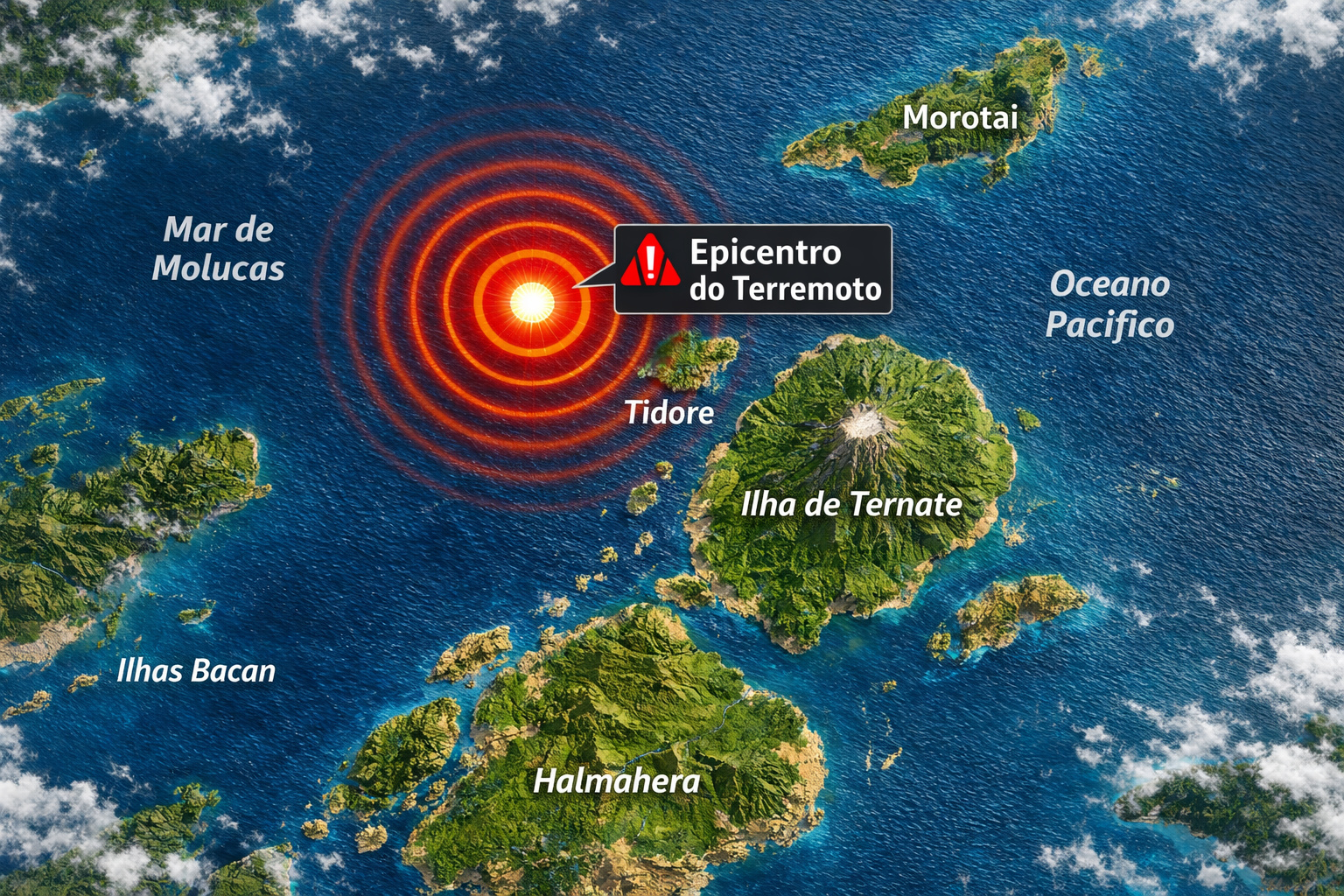
7.8 magnitude earthquake in Indonesia frightens the population, triggers tsunami alert, and hits an island with over 200,000 inhabitants this Thursday.
-
Google will finally let you change that embarrassing Gmail address you created in your teenage years without losing any accounts, logins, or old emails: the feature is already available in the United States.

-
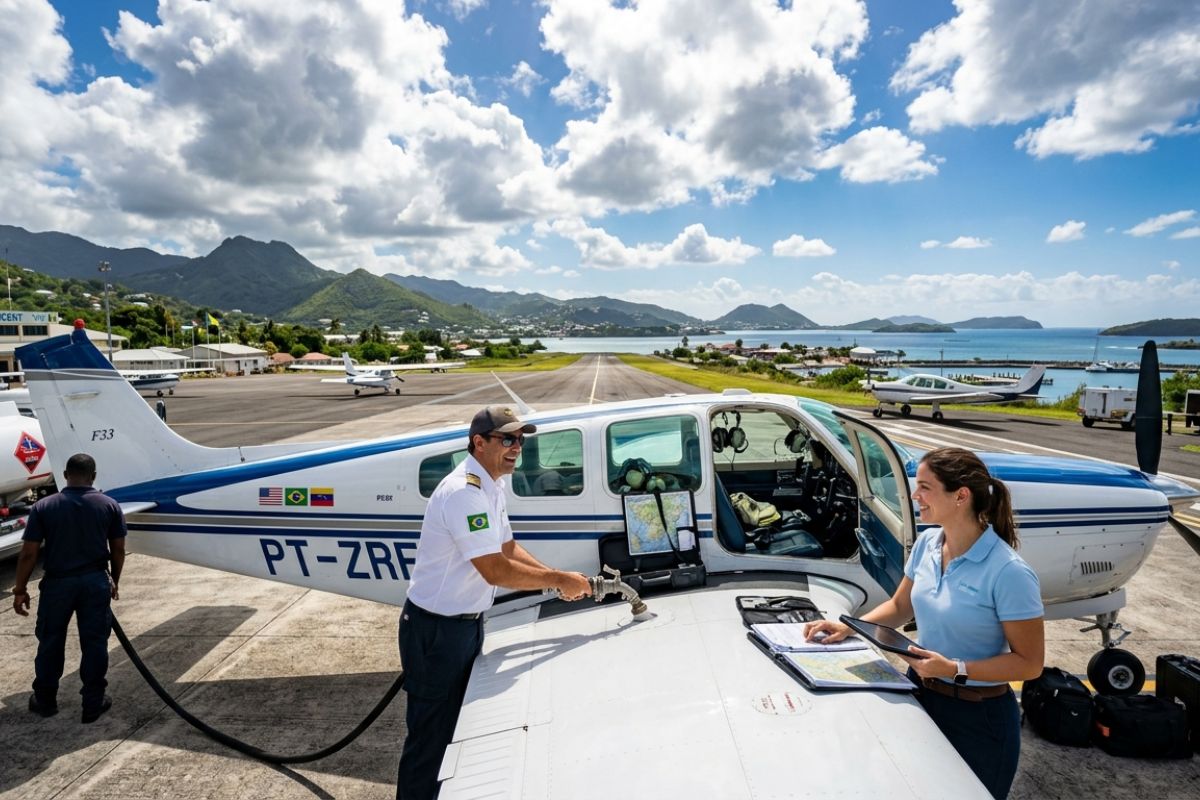
Heading to Brazil in a Bonanza F33 single-engine aircraft: a couple departs from Florida on a visual flight, makes technical stops in the Caribbean to refuel and organize paperwork, and begins the staged crossing until they reach the country.

These are ships dating after 1500, a period when historical documentation began to record vessels and their journeys in more detail.
The archaeologist recounts a striking case. During research in the Azores, he found a lost reference, in a footnote, about the ship Nossa Senhora da Luz, which sank in 1615 off Faial. “I spent four years researching in various archives. When I finally dove, on the first dive I found the wreck point,” he recounts.
Monteiro highlights that, in the past, treasure hunting companies would knock on the door of the regional government of the Azores. “The drama is that we did not know how many ships there were and where they were located. Very little was known, almost nothing,” he reveals. Today, the situation has changed, and the database helps to identify points of interest.

A Submerged Fortune
Among the identified treasures, one impressive example is the ship Nossa Senhora do Rosário, sunk in 1589 off Troia.
According to Monteiro, the Spanish galleon carries 22 tons of gold and silver. “I investigated even the name of the captain’s mother. This data is published, but no one has done anything,” he laments.
The treasures are protected by sand and time, but that does not mean they are safe. Monteiro warns that port works or infrastructure projects could expose or destroy these finds before they can be studied or preserved.
He emphasizes: “We know that there are 250 ships with treasure. Sooner or later, some work will encounter one of them.”
The stories of these shipwrecks are filled with details that impress anyone.
The Nossa Senhora do Rosário, for example, was on a crucial trade route for the time, transporting wealth that financed kingdoms and wars.
These ships are not just submerged vaults; they are witnesses to maritime expansion and the great events that shaped history.

The Enigma of the Galleon São Jorge
Another case that sparks interest is the galleon São Jorge, which sank 500 years ago during Vasco da Gama’s last expedition to India.
Possible remnants were found in 2007, off Malindi, Kenya. Monteiro and archaeologist Filipe Castro were contacted by Caesar Bita, a Ukrainian specialist, who showed images of artifacts indicating that it was a Portuguese ship.
“We can affirm that it is a ship from the first half of the 16th century, lost on the way to India. Given the documentary evidence, it is most likely São Jorge,” explains Monteiro.
The confirmation would be historic, as it would represent the oldest Portuguese ship archaeologically excavated. Such a discovery offers an unprecedented view of the conditions of navigation at the time and the challenges faced by Portuguese navigators.
The galleon São Jorge, like many other shipwrecks, has the potential to reveal important information about Portuguese naval construction, materials used, and even the logistical organization of the expeditions.
Each find is a piece of the puzzle that helps to tell the maritime history of Portugal.
A Heritage at Risk
Despite the cultural and economic potential of shipwrecks, Portugal has yet to implement robust measures to protect these finds. Monteiro has shared his discoveries with authorities, but laments the lack of action.
He warns that modern projects, such as oil pipelines and offshore infrastructure expansions, could destroy these sites before they are studied.
The scientific community also pressures the Portuguese government to prioritize the preservation of underwater heritage.
Proposals include creating marine sanctuaries and investing in archaeological expeditions, measures that could protect these sites and reveal valuable historical secrets. International institutions have also shown interest in collaborating for the conservation of this heritage.
Monteiro believes that, with a month of work on specific projects, he could locate more of these treasures.
He points out that using modern technologies, such as high-resolution sonars and unmanned underwater vehicles, can significantly accelerate the discovery and documentation of shipwrecks. However, without adequate support, these initiatives remain limited.
Meanwhile, these riches remain submerged, guarding stories and enigmas waiting to be unveiled.
These submerged treasures are a powerful reminder of Portugal’s maritime history and the need to protect them for future generations.








Na verdade, o ouro é dos ingleses, Portugal só fazia o serviço pesado. E **** que **** de **** tem cem anos de perdão
Falam muito mas se não fosse Portugal nem sequer existia o brasil
O Brasil não existia era terra indígena e mesmo assim muitos povos diferentes em áreas diferentes e nem se consideravam um povo único um país! Portugal chegou aqui tomou posse daqui era Portugal até D. Pedro O filho de D. João rei português, declarar a independência do Brasil! Aí o Brasil ficou fora de Portugal, antes o Brasil com esse nome que inclusive, fora dado pelos portugueses, era terra de Portugal, a sua terra que eles tomaram conta, era parte do reino português! E portanto o ouro era deles e não do Brasil atual, que nem existia como pais!!!