





 Portuguese
  English
  Spanish
  4 min of reading
  0 comments



Modern Architecture in China and the United Arab Emirates Seeks to Impress with Grand Projects. Explore the Liebian Building, with its waterfall, the Futuristic Anhui Hefei TV, and the Multifunctional Raffles City Chongqing. These Architectural Landmarks Combine Innovation, Functionality, and Aesthetics, Becoming Symbols of Progress and Tourist Attraction.
Modern architecture has become a true spectacle, especially in countries like China and the United Arab Emirates. In these regions, skyscrapers and architectural complexes are not just functional buildings, but true works of art designed to impress and inspire.
Imposing buildings with bold designs have become symbols of power and innovation, reflecting the rapid economic development and the ambition of these nations to leave an indelible mark on the global stage.
The reasons behind this massive investment in innovative architecture are diverse. According to experts, first and foremost, these buildings serve as postcards, attracting tourists and putting cities on the world map.
-
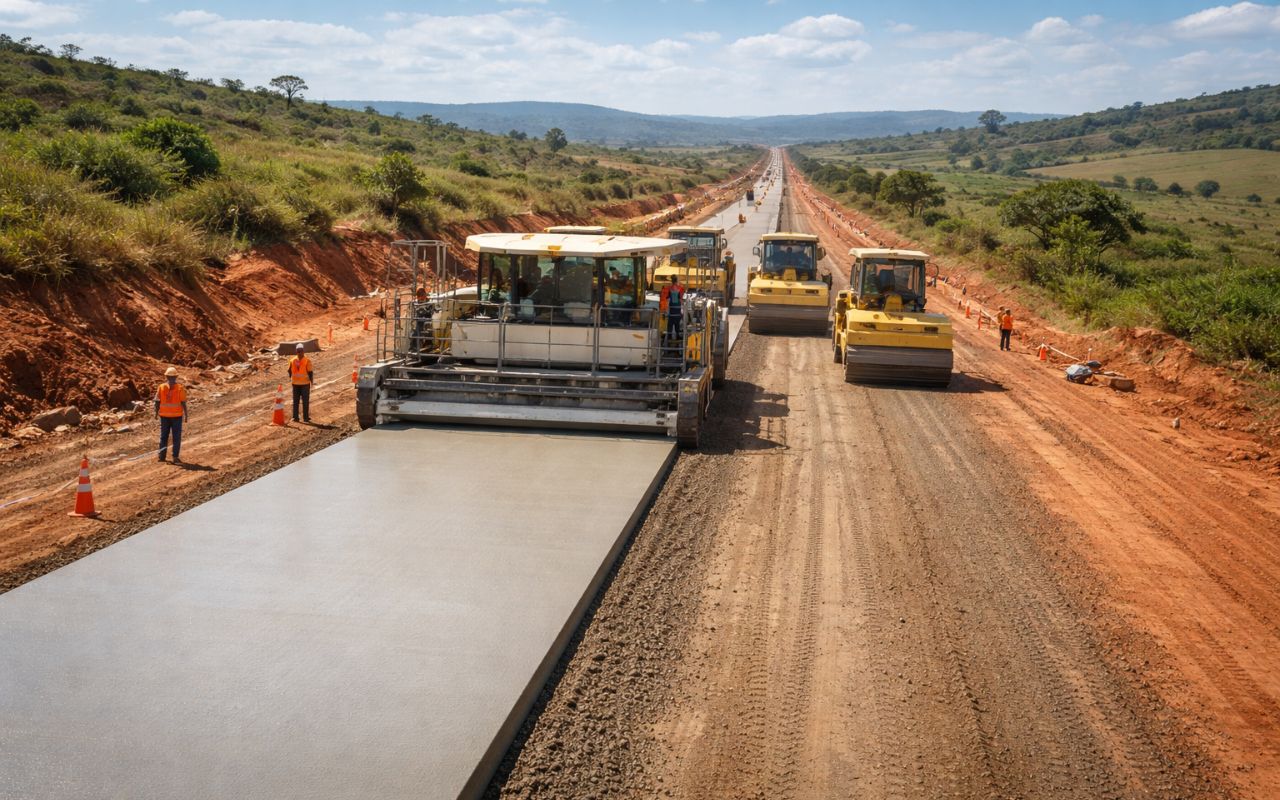
New CCR concrete paving technology promises roads up to 3x more durable, less maintenance, and cost reduction in Brazil.
-
Made from recycled plastic, plastic wood is gaining space in the construction industry because it does not rot, resists moisture, and reduces maintenance costs over the years.

-
A new Brazilian shopping center worth R$ 400 million will be built in an area equivalent to more than 4 football fields, featuring 90 stores, 5 cinemas, a supermarket, a college, and parking for 1,700 cars, potentially generating 3,000 jobs.

-
Florianópolis will receive a million-dollar BRT that will begin construction in 2026 with nearly 400 million in funding from the federal government and the Inter-American Development Bank, and the map already shows the routes for the exclusive bus corridors.


Furthermore, they represent the identity and progress of nations, demonstrating to the world their ability to undertake ambitious and technologically advanced projects. Currently, the competition for global prestige drives these countries to create architectural landmarks that not only push the boundaries of engineering but also symbolize prosperity and economic growth.
Seeing these constructions, it is evident that, besides their aesthetic appeal, these architectural works are designed to be multifunctional, meeting the demands of a growing and diverse population.
In this article from CPG, we will explore three fascinating examples of this trend: the Liebian Building in Guiyang, the Anhui Hefei TV in Hefei, and the Raffles City Chongqing in Chongqing, all in China.
Liebian Building: A Skyscraper with a Waterfall
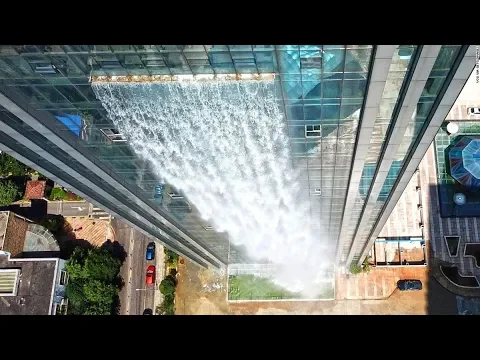
Guiyang, the capital of Guizhou Province, is home to one of the most spectacular buildings in the world: the Liebian Building. Opened in 2017, this 121-meter tall skyscraper is known for its impressive artificial waterfall that cascades 108 meters down the building’s facade. The construction of the Liebian Building took about three years and cost approximately 120 million dollars.
The waterfall, activated only on special occasions to save energy, is a true visual spectacle, attracting tourists and locals. The building is used for commercial offices and a luxury hotel, offering stunning views of the city and the surrounding mountains. The Liebian exemplifies how architecture can combine functionality and aesthetics in an innovative way, creating a structure that is both an urban landmark and a tourist attraction.

Anhui Hefei TV: The Futuristic Television Tower
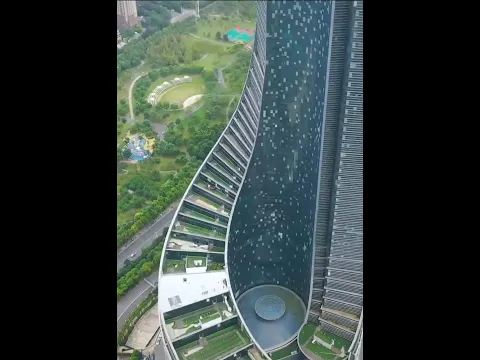
Located in Hefei, Anhui Province, the Anhui Hefei TV is another impressive example of modern architecture. Completed in 2014, the 339-meter tall television center is one of the tallest structures in China. Its construction took five years and had an estimated cost of 700 million dollars.
The futuristic design of the building is inspired by a lotus flower, symbolizing purity and beauty. In addition to housing television studios and offices, the Anhui Hefei TV features an observation deck and a revolving restaurant, offering visitors panoramic views of the city. This television tower stands out for its combination of advanced technology and artistic design, reflecting China’s ambition to be a global leader in architectural innovation.
Raffles City Chongqing: A City Inside a Building
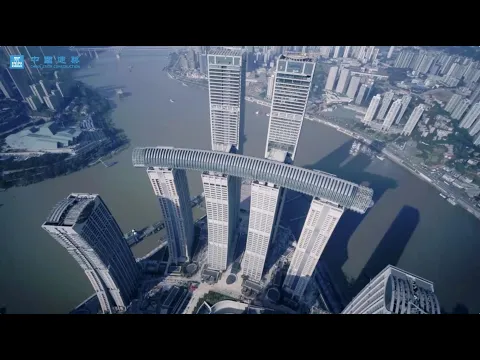
Raffles City Chongqing, situated at the confluence of the Yangtze and Jialing rivers in Chongqing, is a true multifunctional complex. Opened in 2019, the 3.8 billion dollar project took seven years to complete. Composed of eight towers and a horizontal bridge called Crystal, which connects four of the towers at a height of 250 meters, the complex is an engineering and design feat.
Raffles City Chongqing includes offices, residences, hotels, a shopping center, and recreational areas, functioning as a true “city within a building.” The Crystal Bridge, which features gardens, a pool, and an observatory, is one of the main attractions, offering stunning views of the rivers and the city. This complex exemplifies how architecture can create multifunctional urban spaces that meet the needs of a modern city, providing an integrated and sustainable lifestyle.
The Global Influence of Innovative Architecture
The impressive architecture of these buildings is not limited to beautifying the urban skyline. They are symbols of innovation, ambition, and progress, reflecting the dynamism of the emerging economies of China and the United Arab Emirates.
According to experts, these projects not only attract tourists and investments but also inspire future architects and engineers to explore new frontiers in design and construction.
Currently, this quest to impress through architecture has driven significant technological advances, from the use of sustainable materials to the implementation of efficient energy systems.
In other words, architecture has become a field where aesthetics and functionality meet innovation and sustainability, creating structures that are as practical as they are beautiful.
That said, reader, we want to know: which of these buildings would you like to visit? Do you believe that Brazil will follow the trend of works like these? Leave your opinion in the comments!






Seja o primeiro a reagir!