





 Portuguese
  English
  Spanish
  4 min of reading
  0 comments



From China to the United States, Buildings of Several Stories Are Erected in Just a Few Days Thanks to Modular Technology, Which Accelerates Construction, Reduces Costs, Avoids Weather Delays, and Revolutionizes Global Civil Construction
“Rome Wasn’t Built in a Day,” but the modern world shows that constructing something in a few days can be a reality. Thanks to prefabrication technology, constructions achieve levels of agility unimaginable a few decades ago. This technique allows for assembling buildings in record time, reducing costs, optimizing resources, and minimizing environmental impacts.
Prefabrication involves manufacturing the main components of a building in a controlled environment, transporting them to the site, and simply fitting them into the final structure.
The process shortens the schedule and eliminates the typical delays of conventional construction.
-
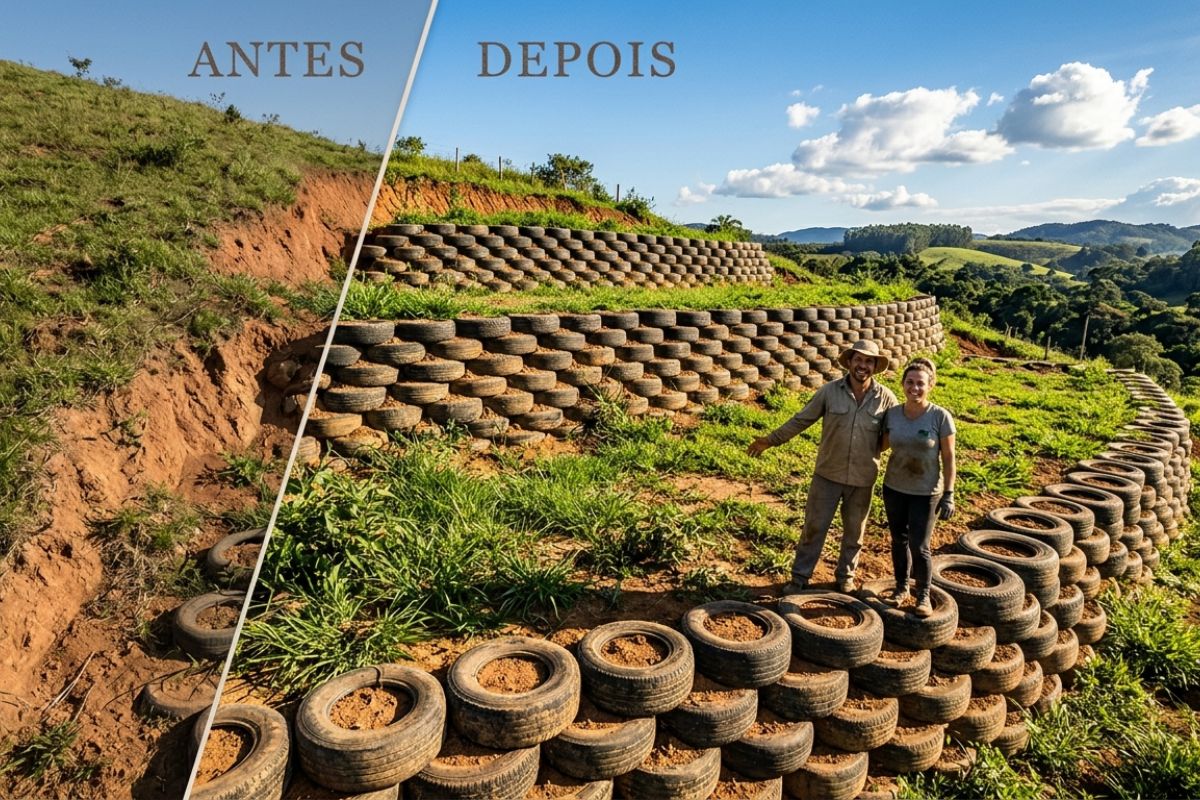
Couple shows how they built a retaining wall on their property using 400 old tires: sloped land turned into plateaus, tires are aligned, filled, and compacted with layers of soil, with grass helping in support and at almost zero cost.
-
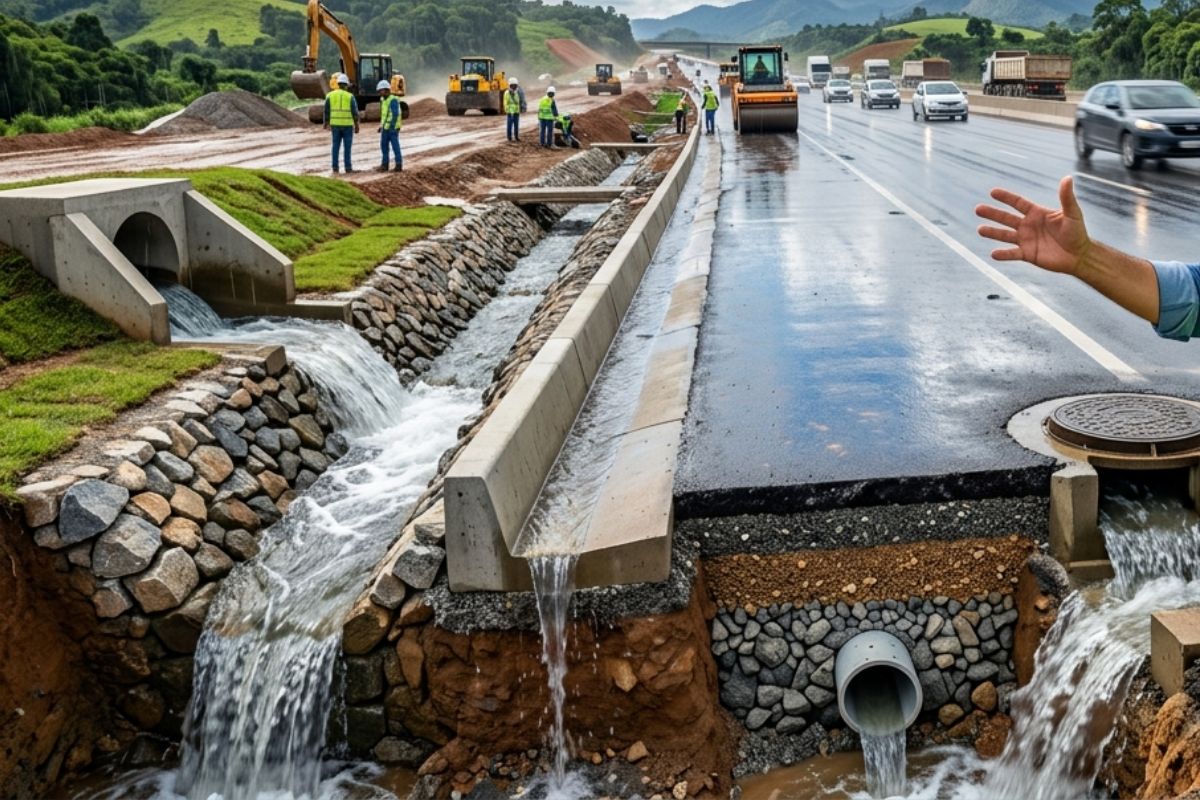
Engineer explains drainage during the rainy season: the difference between surface water and deep water, ditches, gutters, and water outlets on the road, as well as drains and drainage mattresses, to prevent erosion, aquaplaning, and flooding at the construction site today.
-
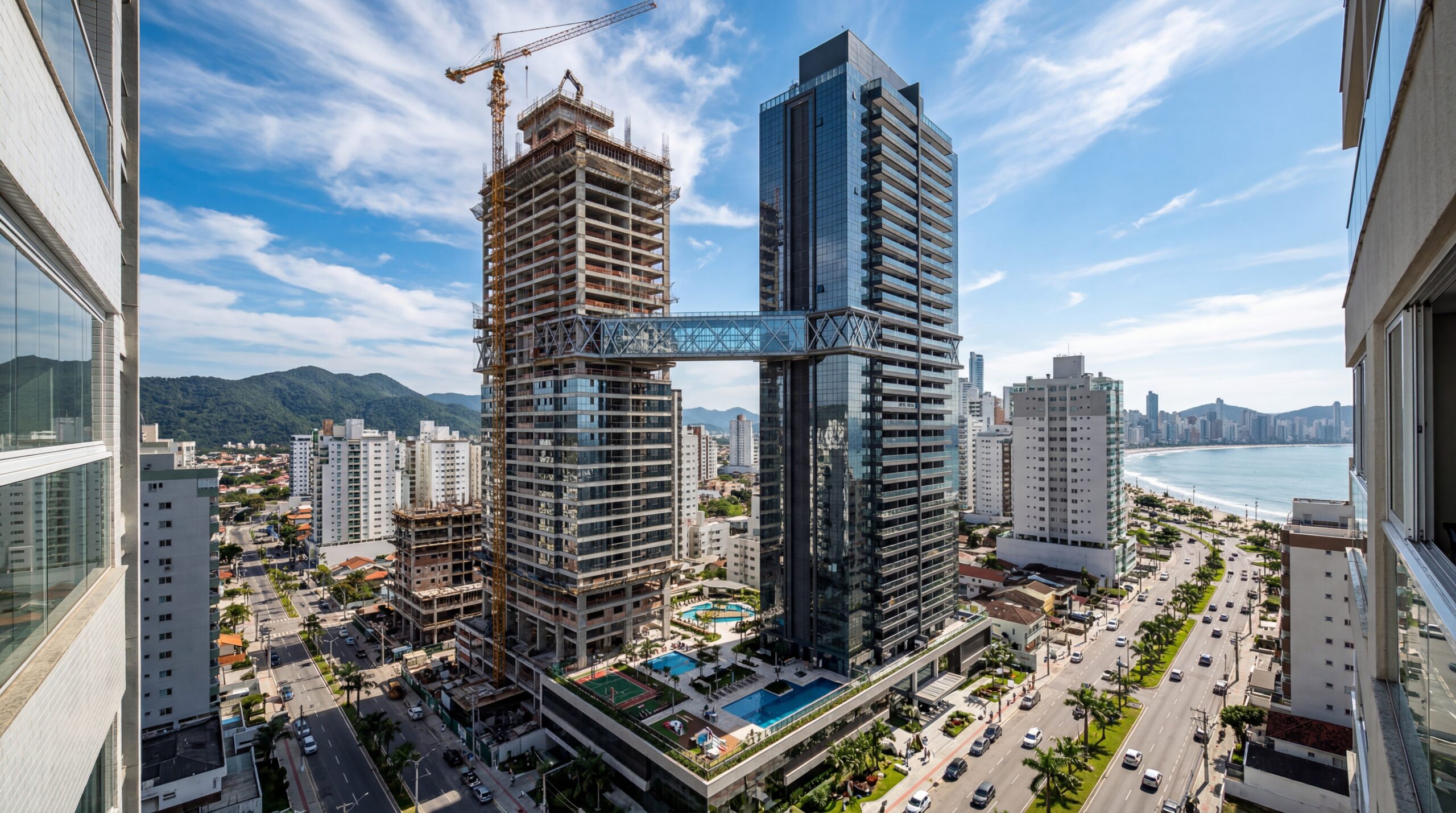
With 55 floors, 177 meters in height, a 15-meter walkway between the twin towers, ventilated facade, and 6,300 m² of leisure space, Ápice Towers already has one tower completed and another nearly at the top.
-
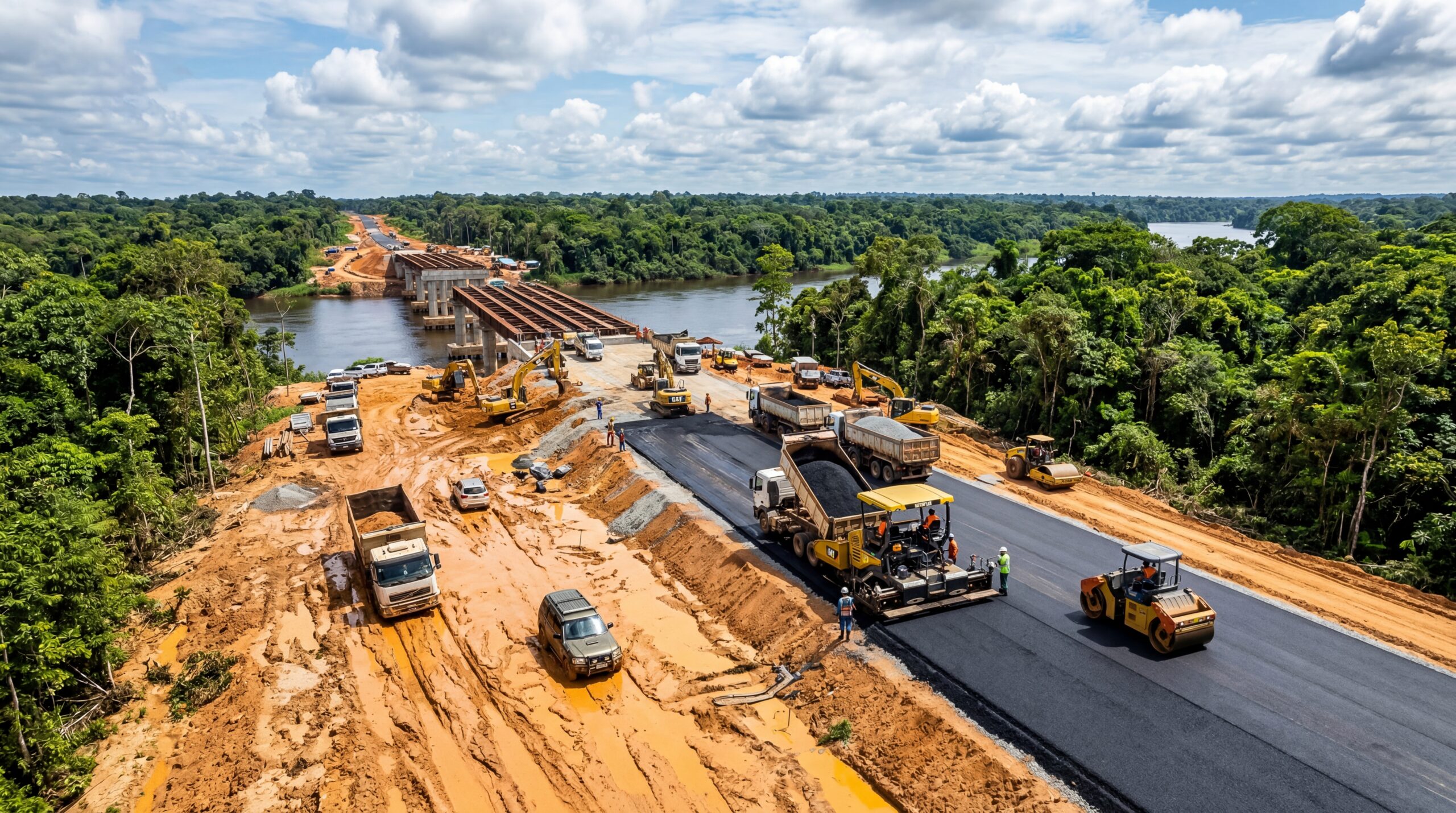
After nearly 50 years of neglect, BR-319 receives R$ 678 million to pave 340 km, gain a 320-meter bridge, and try to lift Amazonas out of the mud, the quagmire, and road isolation.

In addition to saving time, the method provides a quicker return on investment, boosting the modular construction sector, which is steadily growing in various parts of the world.
The Advancement of Modular Construction
Compared to traditional methods, modular construction can reduce up to 50% of the total project time, from planning to delivery.
This happens because the foundation work and the manufacturing of the parts occur simultaneously.
Another determining factor is the elimination of weather-related delays. Since the structures are assembled in a closed environment, there are no shutdowns caused by rain or adverse conditions.
This way, companies can carry out multiple projects at the same time, expanding their operations efficiently.
With so many benefits, modular construction is beginning to solidify as a strategic alternative for urban futures.
Next, discover some iconic projects that prove the effectiveness and speed of this technique.
Mini Sky City Is One of the Most Incredible and Fastest Constructions
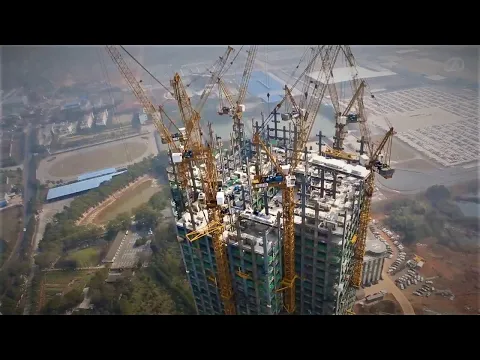

In Changsha, the capital of Hunan Province, Broad Sustainable Building transformed the concept of speed into a reality. The company erected the Mini Sky City, a 57-story skyscraper built in just 19 days.
The feat was made possible through the use of prefabricated modules, assembled at a speed of three floors per day.
The building occupies an area of 180,000 square meters and houses 800 residential units and offices, distributed across 19 atriums that can accommodate up to four thousand people.
In addition to agility, the project prioritized sustainability and safety. The building was designed to withstand major earthquakes and had its components produced months before assembly.
The result is a vertical mini city with reduced material use and significant reductions in air pollution.
Torre T30 and Hotel Ark: Constructions in Fifteen Days
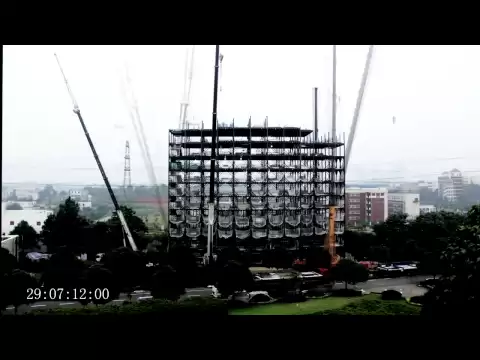
In early 2012, Broad Sustainable Buildings surprised the world once again. In just 360 hours — the equivalent of fifteen days —, the company completed the T30 Hotel Tower, a 30-story building.
The time-lapse video of the construction went viral on the internet, showing a complete hotel erected before the cameras in a matter of days.
The skyscraper was designed to withstand 9 magnitude earthquakes and save 20% energy compared to conventional buildings.
Additionally, the air inside the building is 20 times cleaner than the outside, and the entire structure is free of toxic substances, made with recycled materials.
The project combined speed, quality, and sustainability, solidifying Broad as a global reference in modular engineering.
Instacon: The Indian Race for Efficiency

In India, Synergy Thrislington achieved another impressive milestone. In Mohali, Punjab, the company built the commercial building Instacon, with ten floors, in just 48 hours.
More than two hundred workers and three cranes worked in unison to complete the project, which entered the Limca Book of Records as the fastest construction in the country.
The secret to success was manufacturing the modules in a controlled environment. Thus, the components arrived on-site ready to be assembled like pieces of a large puzzle.
This approach not only reduced time but also increased efficiency and decreased waste.
Houses in a Day: Dutch Solution for Young People
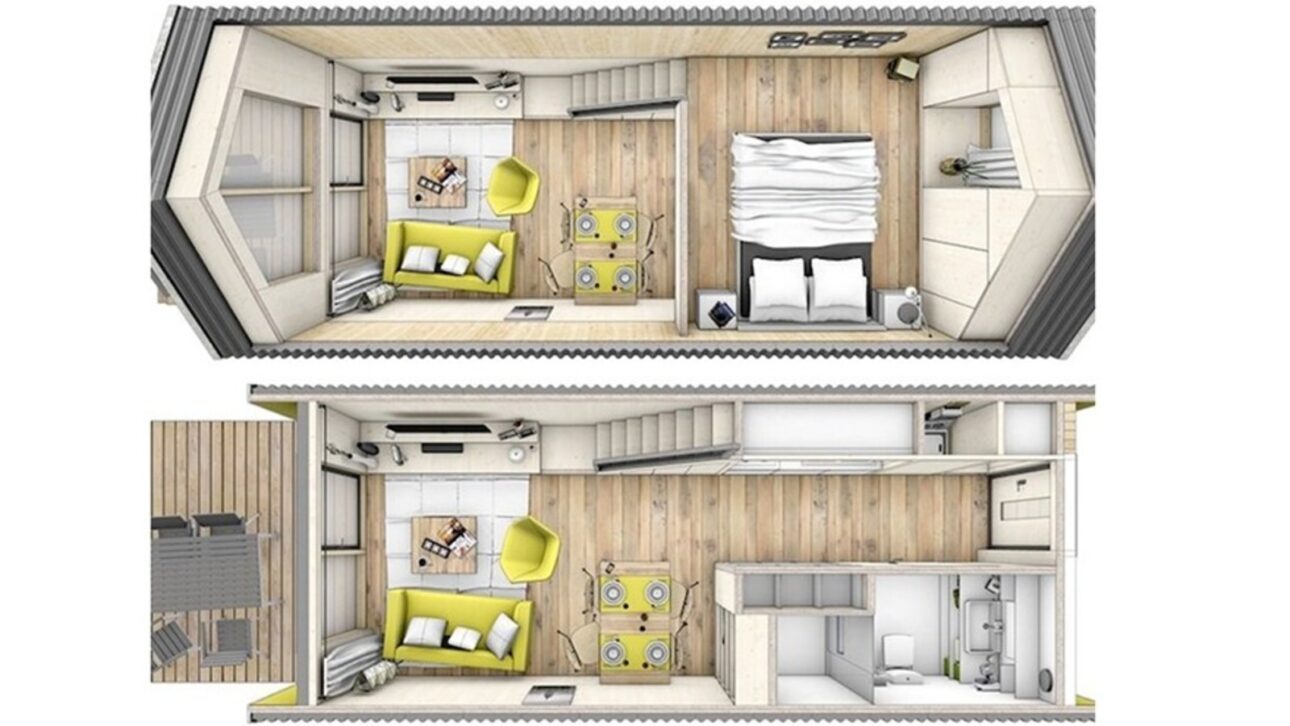
In the Netherlands, the company Heijmans created a practical and sustainable housing alternative for young adults aged 25 to 35 years.
The project consists of modular houses called Heijmans One, capable of being installed in one day.
The units feature a living room, kitchen, bathroom, and bedroom, ideal for one person or a couple. Targeted at underutilized urban land, the houses are equipped with solar panels, which reduces energy costs and promotes a sustainable lifestyle.
With this initiative, the company aimed to combat the lack of affordable housing and give new utility to underused areas in cities.
The American Record of Shelby

In the United States, a historic achievement caught the world’s attention in 2002. The Habitat for Humanity organization, in Shelby County, erected a 12,000 square feet house with three bedrooms and two bathrooms in just 3 hours, 26 minutes, and 34 seconds.
The residence was completely finished, including electrical and plumbing installations, marking a new benchmark in rapid residential engineering.
This record symbolizes how cooperation, planning, and the use of prefabricated components can transform a process that previously took months into just a few hours.
The Future of Prefabrication and Construction
The trend is clear: prefabricated construction is here to stay. It combines agility, cost-effectiveness, and environmental responsibility, delivering safe and durable structures.
With the advancement of technologies and the increasing demand for quick solutions, modular constructions will continue to gain ground. After all, speed, when paired with quality, turns the impossible into routine.
Therefore, the future of construction is being assembled — piece by piece — at a pace the world has never seen before.
With information from Infurnia.






-

-

-

-

8 pessoas reagiram a isso.