





 Portuguese
  English
  Spanish
  5 min of reading
  8 comments





The Arsenal of War in Rio Makes History with the Delivery of Revolutionary Armaments and Revitalization of the Brazilian Army. With Next-Generation Mortars and State-of-the-Art Technology, Brazil Strengthens Its Defense and Projects Itself onto the International Stage. Discover How Investment in Innovation Is Transforming National Security!
A Two-Hundred-Year-Old Military Manufacturing Organization Surprises the Country Once Again. At an event held in July 2024, the Arsenal of War in Rio (AGR) reaffirmed its excellence by delivering 34 81 mm mortars, marking the beginning of a series of three planned batches for the year.
This initiative is part of a broad investment in technology, infrastructure, and training to modernize the Brazilian military industry.
In the heart of Rio de Janeiro, the Arsenal stands out not only for its production volume but also for the high quality and innovation of its armaments.
-
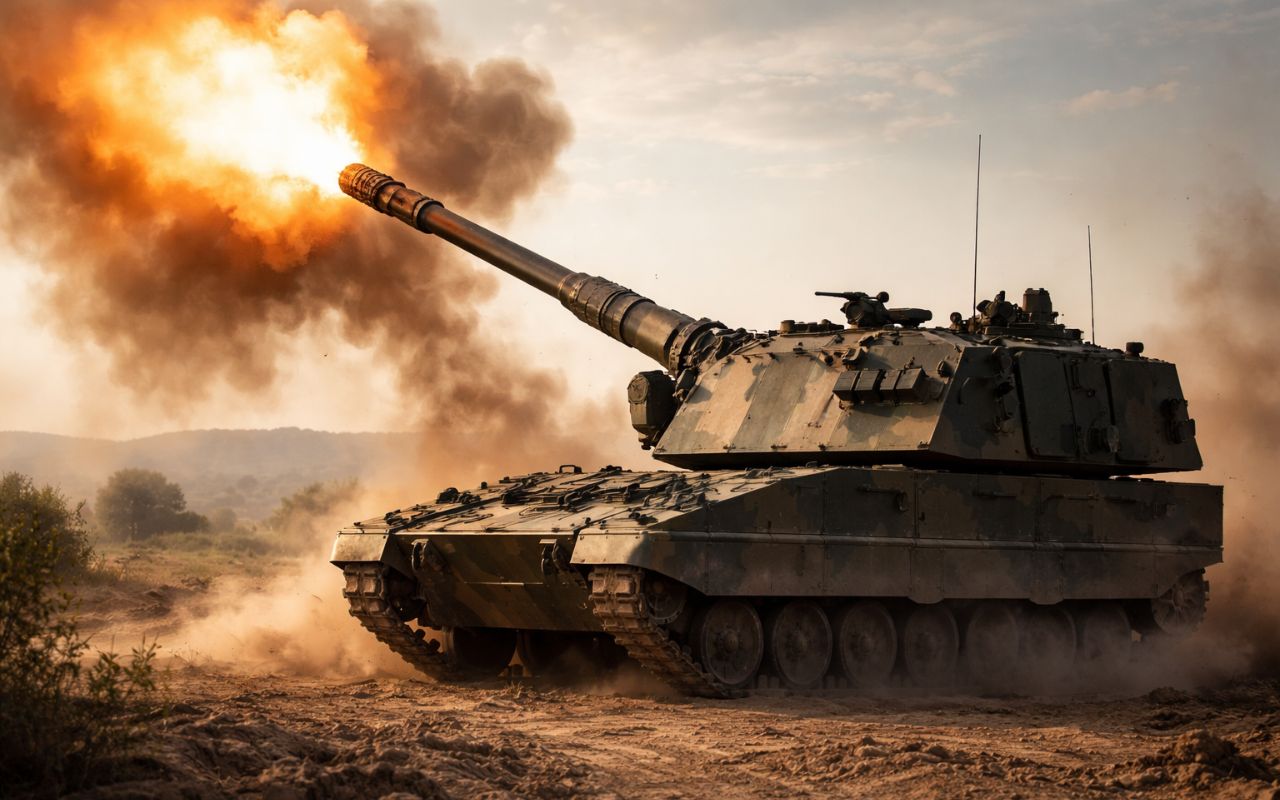
The German “steel monster” weighing 55 tons fires up to 10 projectiles per minute at over 40 km and avoids counterattacks on the battlefield by moving quickly to escape enemy attacks; meet the Panzerhaubitze 2000.
-
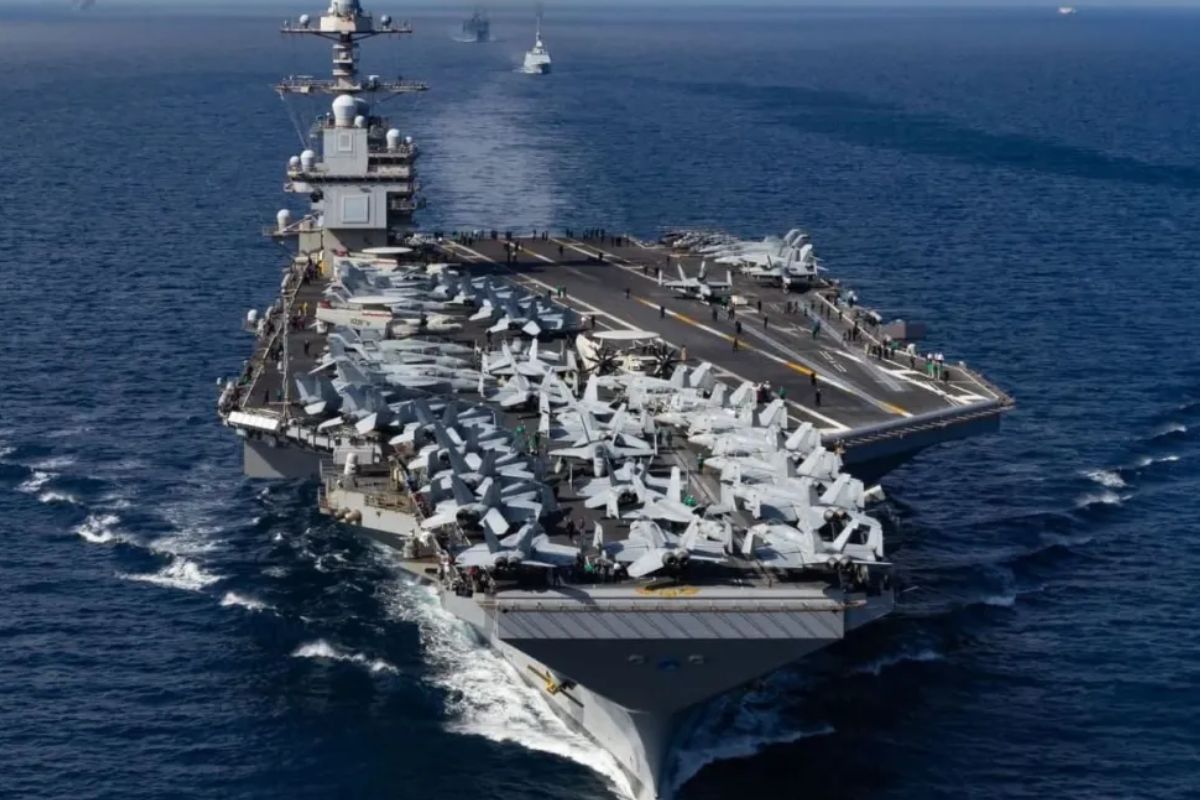
USS Gerald R. Ford, the largest aircraft carrier in the world, returns to sea after a fire in the laundry in the Red Sea; repaired in Crete, it resumes missions of Operation Epic Fury against Iran.
-
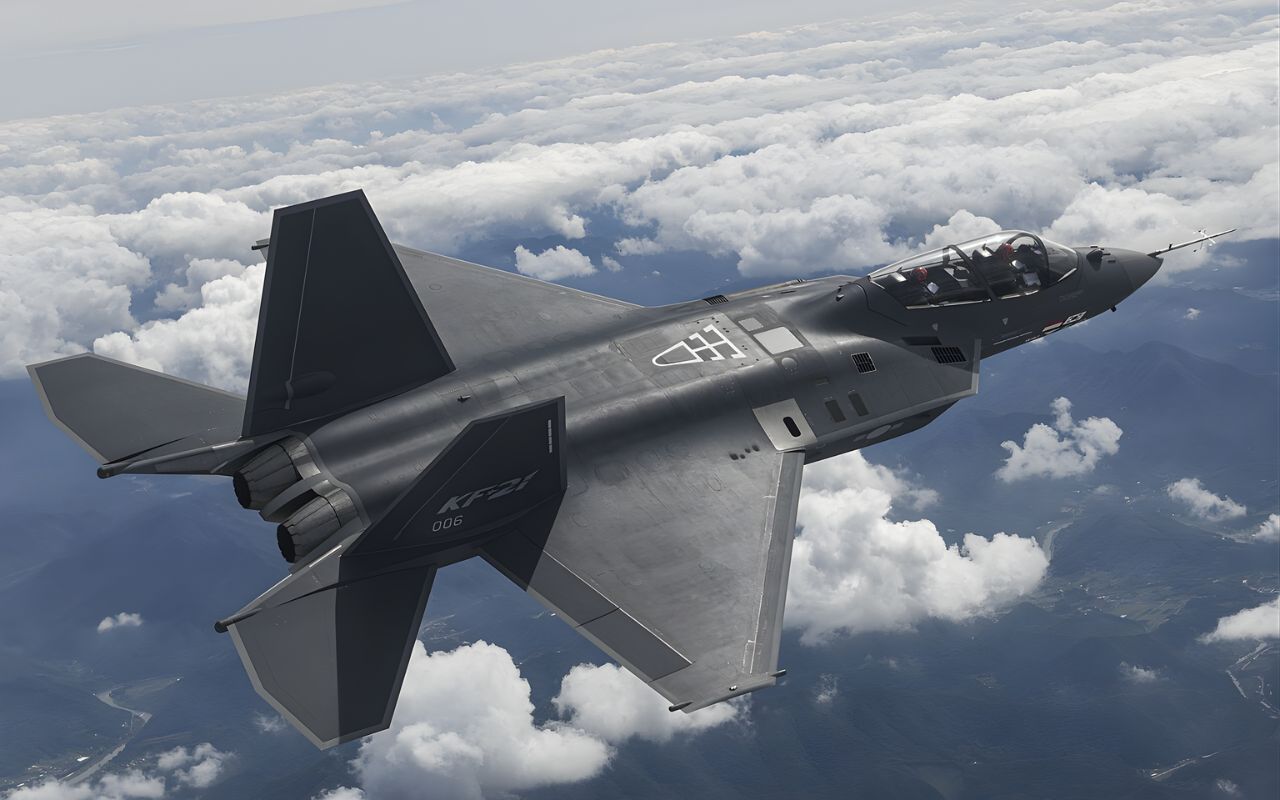
Military power: South Korea’s new KF-21 fighter jet will be a key component in replacing the aging aircraft of the air force, placing the country on the map of air military powers.
-
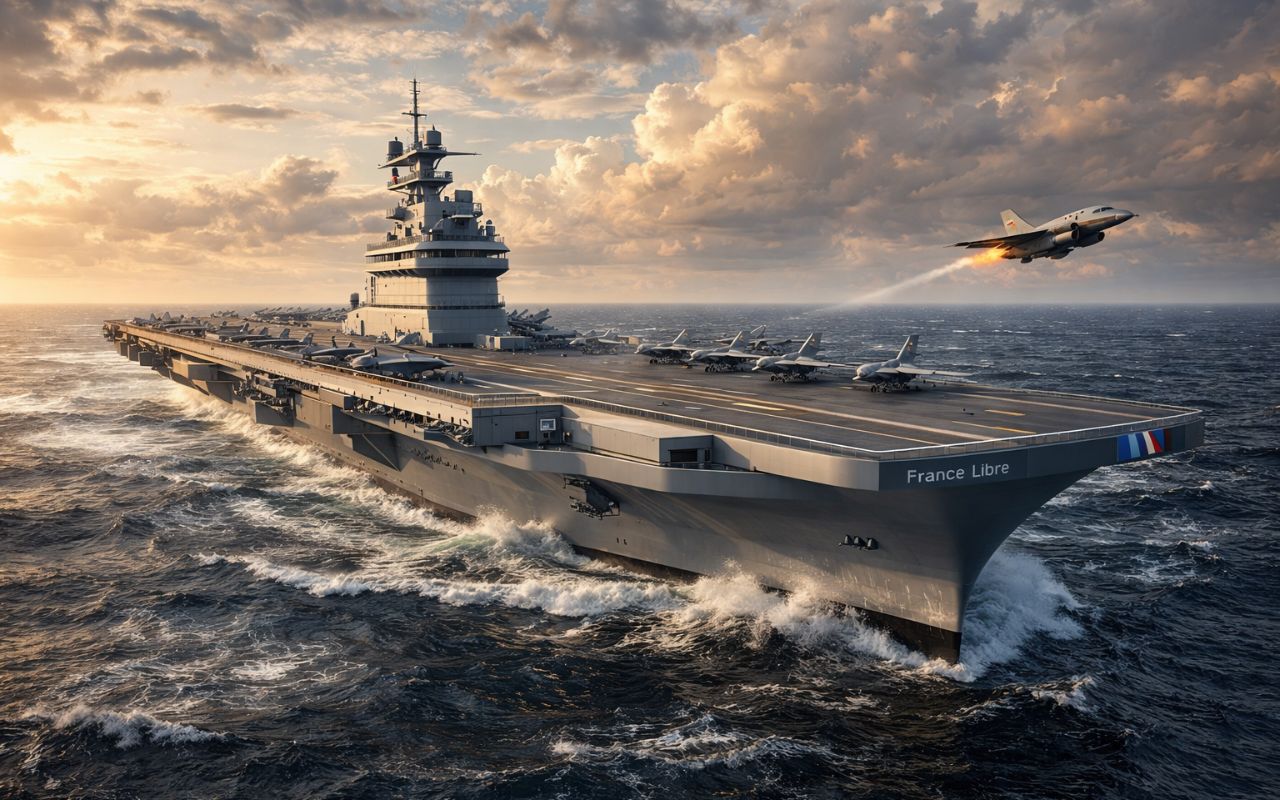
With 310 meters, 80 thousand tons, and capable of operating for 45 years, the new nuclear aircraft carrier France Libre will be the largest in France and will enter service in 2038.
With more than 200 years of history, the organization remains at the forefront of defending the country, meeting the needs of the Land Force and significantly contributing to national security.
Investment in Technology and Modernization
The delivery of the mortars is the result of advanced industrial processes and a completely modernized manufacturing plant.
According to the Brazilian Army, the new equipment and tools acquired in the past year were essential to improve the accuracy and effectiveness of the armament produced at the Arsenal.
“We are investing not only in infrastructure but also in training and qualifying our team,” emphasized General Achilles Fulan Neto, Head of the Department of Science and Technology.
The delivered mortars underwent rigorous testing at the Army Evaluation Center (CAEx) in June 2024. These tests included a series of technical shots that confirmed the quality and robustness of the equipment.
The initiative also highlights the Army’s concern with the maintenance and revitalization of old equipment, ensuring that all units are fully operational.
Deliveries and Strategic Impact
Throughout the year, the Arsenal of War in Rio is scheduled to deliver three batches of mortars, totaling more than 100 units.
In addition, the deliveries include adaptation kits for Guarani vehicles, night vision equipment, and Falcom 3 communication systems, all essential for increasing the operational capacity of the Land Force.
The Arsenal also revitalized 120 mm mortars and distributed new equipment to several battalions across the country. According to information from the Army, these armaments significantly enhance the firepower, mobility, and protection of troops in various types of combat.
“This strategic distribution ensures that each battalion is equipped to face current and future challenges,” declared General Tales Eduardo Areco Villela, Director of Manufacturing for the Army.
Two-Hundred Years of Manufacturing Excellence
Founded in 1808, the Arsenal of War in Rio has a history marked by innovation and commitment to national defense.
Over the years, the organization has adapted to technological changes and the needs of the Land Force, establishing itself as a pillar of Brazil’s security.
Today, the AGR not only produces armaments but also contributes to the development of technologies that can be applied in other sectors of industry.
The focus on research and development places Brazil in a prominent position in the international defense arena.
A Promising Future for the Brazilian Military Industry
With recent investments, the Brazilian Army plans to further expand its production and modernization capacity of equipment.
The delivery of mortars is just a part of a larger project that includes the development of advanced defense systems, such as military drones and cutting-edge communication equipment.
The Arsenal of War in Rio stands as an example of how the combination of history, innovation, and strategic planning can transform a country’s military industry.
Socioeconomic Impact of Military Investments
Advancements in the military sector have also positively impacted the Brazilian economy. The modernization of the Arsenal of War in Rio has stimulated the creation of direct and indirect jobs, especially in the metals industry and supply chain.
According to experts, investments in technology also boost civilian sectors, such as communication and electronics.
For local communities, the presence of the AGR represents a source of economic stability. Small and medium-sized supplier companies directly benefit from the demand for specialized components, promoting regional development.
“The military industry acts as a locomotive for the economy, bringing innovations that often overflow into other productive sectors,” explained Marcos Lima, an economist specialized in National Defense.
International Partnerships and Global Competence
The Brazilian defense industry led by organizations like the AGR has attracted international attention. Partnerships with other countries for the development of joint technologies place Brazil in a competitive position in the global defense market.
Recently, the Army has forged agreements with European companies for the exchange of know-how in ballistic systems and communications.
These agreements not only strengthen the country’s technical capacity but also create opportunities for the export of locally manufactured equipment.
The mortars manufactured by the AGR, for example, have sparked interest from nations in Africa and Latin America, which seek affordable and high-quality solutions for their own armed forces.
The Role of the AGR in the Defense of the National Territory
The strategic location of the Arsenal of War in Rio allows it to quickly meet the demands of various regions in Brazil. Proximity to ports and logistics centers ensures swift distribution of manufactured armaments.
In times of emergency, such as natural disasters or security crises, the AGR also plays a crucial role in supplying resources to the troops, ensuring a rapid and efficient response.
The Arsenal of War in Rio, with its rich history and commitment to innovation, continues to be a fundamental pillar of national defense.
The recent deliveries of mortars and other equipment illustrate the positive impact of strategic investments on the operational capacity of the Brazilian Army.
The future promises even more advancements, consolidating Brazil as a key player in the global defense arena.
What do you think about the impact of these deliveries on Brazil’s security? Leave your opinion in the comments!








Excelente OM, cujo trabalho merece todo elogio e meritos
Desenvolver tecnologia de ponta aqui no Brasil é indiscutivelmente a melhor decisão.
Um exemplo é a Embraer.
Munição pra confrontar os marginal em favela