





 Portuguese
  English
  Spanish
  3 min of reading
  0 comments


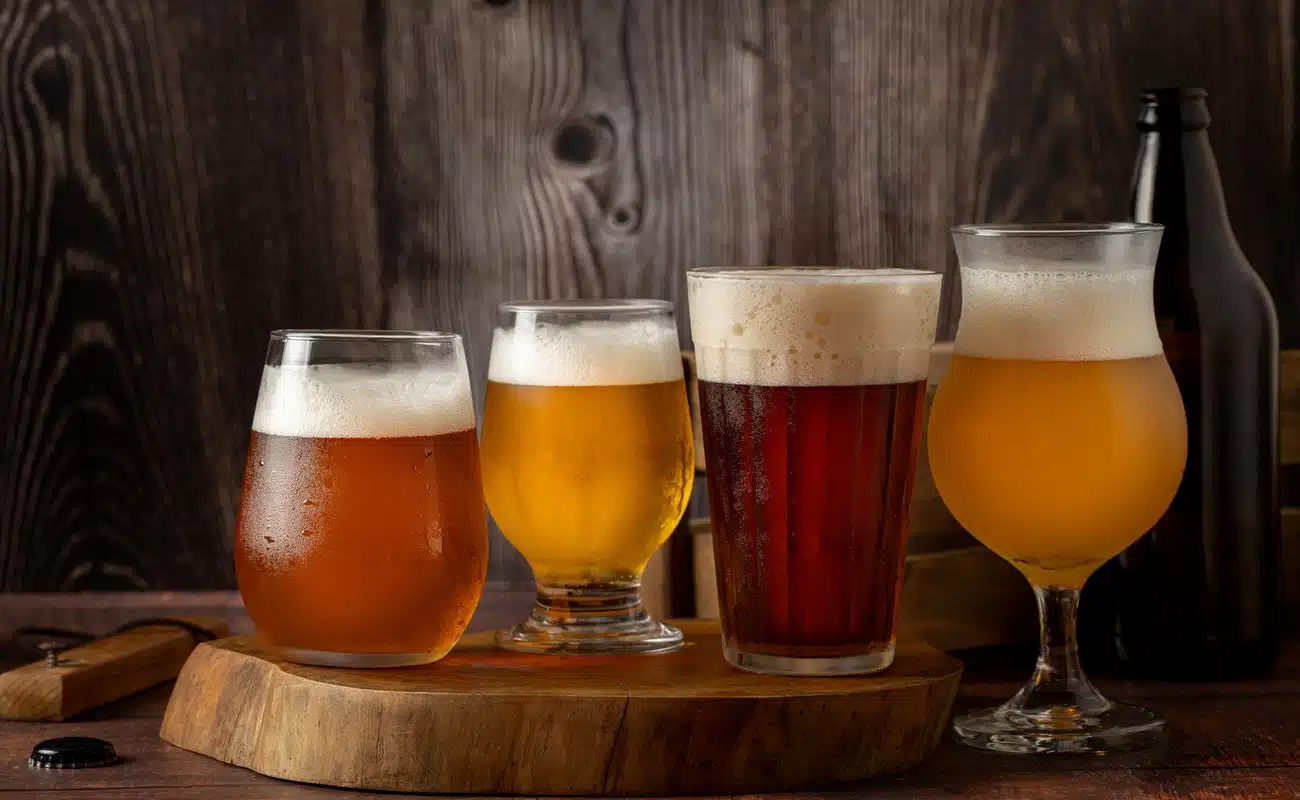
Understand the Difference Between Craft and Industrial Beer, but Also How the Manufacturing Process, Price Differences, and Purpose Vary.
For many Brazilians, beer is more than just a beverage; it is a symbol of celebration, relaxation, and culture.
With the growing popularity of microbreweries, a question has become frequent among enthusiasts: what is the difference between craft beer and industrial beer?
The answer goes far beyond price and labeling, diving into the soul of the production, the ingredients, and especially the final taste that arrives in your glass. Let’s unveil the secrets behind each one.
-
Seen from space, an image taken by an astronaut shows in Argentine Patagonia the exact point where a colossal glacier, a turquoise-blue lake, and a greenish arm of water meet, creating one of the rarest and most impressive landscapes in the region.

-
Workers are being forced to train the AI that will replace them in their jobs.

-
Archaeologists found in the desert an oasis 5,000 years old surrounded by giant walls, in a discovery that reveals a civilization much more complex, powerful, and organized than previously thought.

-
Giving your CPF at the supermarket has become routine, but in 2026 the rule will change: see how your data is used and when it is worth informing.

The Scale and Ingredients: Where the Distinction Begins
The first and most visible difference lies in the scale of production. Industrial beers are produced in enormous volumes, aimed at mass consumption. The main focus is on consistency and cost optimization.
To achieve this, large breweries often use adjuncts, such as corn and rice, to supplement the barley malt and lower production costs.
The result is a standardized product that caters to a more generic palate and offers accessible cost-effectiveness.
On the other hand, craft beer is created in small batches with a completely different philosophy.
The focus is not on volume, but on quality and innovation. Craft brewers prioritize the purity of the four basic ingredients: barley malt, hops, yeast, and water.
The absence of adjuncts and the use of high-quality raw materials are essential characteristics that define craft beer.
The Manufacturing Process: From Standardization to Brewing Art
The manufacturing process is another crucial point of differentiation. In the industry, it is highly automated, fast, and designed to ensure that each bottle has exactly the same flavor.
This standardization is crucial for the brand but limits the complexity and diversity of flavors.
In the craft realm, the process is more manual and artisanal, as the name suggests. The brewer has more control and freedom to experiment.
The process generally begins with the grinding of malt grains, which are mixed with hot water to extract sugars (mashing).
Next, the liquid is boiled, and this is the stage where hops are added to provide bitterness, aroma, and act as a preservative.
After boiling, the liquid is cooled and transferred to fermentation tanks, where yeast comes into play, transforming sugars into alcohol and carbon dioxide.
The fermentation and maturation time is respected, and creativity is encouraged.
This results in an explosion of styles and flavors, ranging from bitter and aromatic IPAs to full-bodied and complex stouts.
The experience of drinking a craft beer is a sensory journey, with aromas and tastes that vary according to style and recipe.
Price and Purpose: Quality Versus Cost
Naturally, the difference in process and ingredients reflects in the price.
Industrial beers, with their large-scale production and more accessible ingredients, reach consumers at a lower price point.
On the other hand, craft beer comes at a higher cost.
This price is justified by the use of premium ingredients, the slower process, and the manual labor involved.
For the consumer, the choice between the two ultimately comes down to a choice between cost and experience.
In summary, while industrial beer offers consistency and affordability, craft beer delivers complexity, diversity, and a story in every sip.
Both have their place in the market, but the rise of craft beer shows a growing audience interested in exploring and valuing the richness and quality of the beverage.






Seja o primeiro a reagir!