





 Portuguese
  English
  Spanish
  3 min of reading
  1 comment


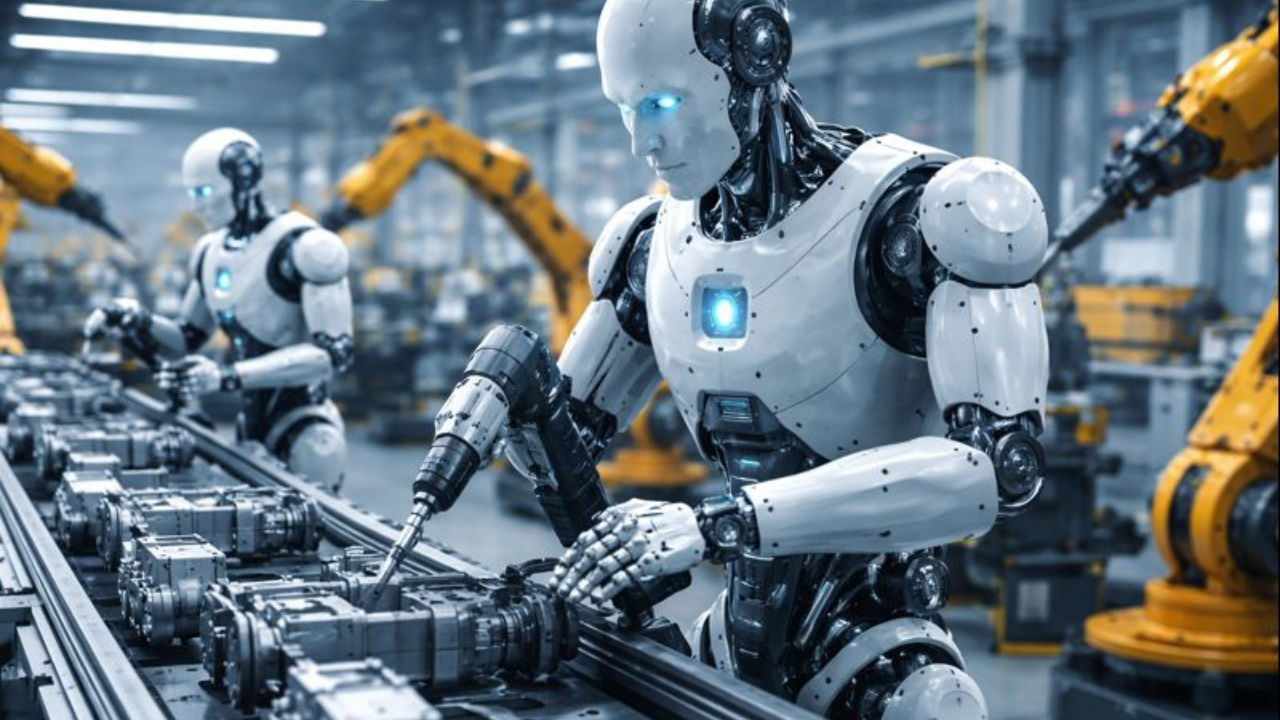

Advancement of Artificial Intelligence and Humanoid Robots Accelerates Industrial Automation and Pressures the Global Labor Market.
The rapid evolution of artificial intelligence, combined with the advancement of humanoid robots, has brought to the forefront a sensitive topic: the impacts of industrial automation on the labor market.
The debate gained traction after the Chinese company Ubtech released a promotional video of a worker robot capable of working 24 hours a day, changing its own battery, and operating without breaks.
while recent data indicates historic job cuts in the United States in 2025, with AI cited as one of the factors.
-
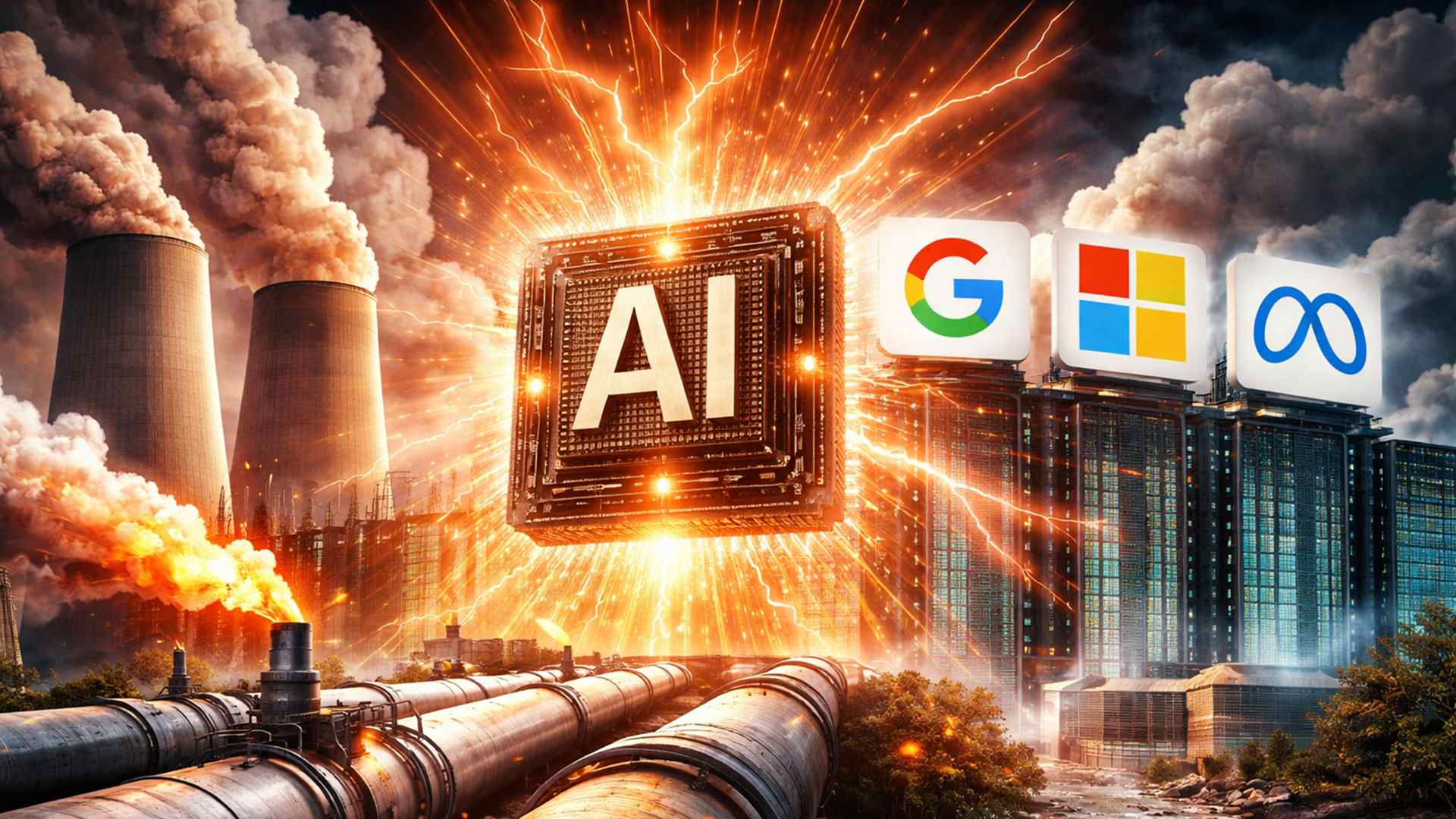
Artificial intelligence is skyrocketing energy consumption, raising emissions from tech giants and pushing Google, Microsoft, and Meta closer to natural gas.
-
Mercor paid $1.5 million per day for doctors, lawyers, and former Goldman Sachs bankers to teach artificial intelligence to do their jobs, and in 17 months, it went from zero to $500 million in annual revenue while its own contractors accelerated the replacement of their own work.

-
Casio Unveils Moflin, Robotic Pet With Artificial Intelligence Designed To Provide Emotional Comfort And Simulate A Permanent Affectionate Bond

-
Google Maps Revolutionizes GPS Navigation With Gemini Artificial Intelligence, Ask Maps Feature, and Advanced 3D Visualization for Route and Travel Planning
The case reignited old concerns about what is called technological unemployment, a concept that describes the replacement of human workers by machines and automated systems.
Although the promise of productivity gains is attractive for companies, experts warn that the effects of this logic can go beyond cost reduction.
Humanoid Robots and the New Frontier of Industrial Automation
The video from Ubtech went viral by showing a humanoid robot acting as an industrial worker, controlled by artificial intelligence and designed to operate continuously.
The proposal symbolizes a new stage of industrial automation, where machines not only perform repetitive tasks but also simulate human movements and make basic decisions autonomously.
This type of technology generates interest mainly in sectors such as manufacturing, logistics, and industrial assembly, where process standardization favors labor replacement.
For companies, the equation appears simple: lower fixed costs, greater predictability, and increased profit margins.
However, this technical efficiency brings relevant social and economic implications, especially when applied on a large scale.
Historic Job Cuts and the Warning from the United States
In October 2025, the United States recorded the largest job cuts for the month in 22 years.
Among the reasons pointed out by market analyses, artificial intelligence emerged as a relevant factor, especially in administrative functions, customer service, and operational areas.
Although technology is not the only reason for layoffs, its growing adoption reinforces the fear that automation is advancing faster than the ability of the market to absorb and reskill workers.
This scenario intensifies the debate about technological unemployment and its possible expansion in the coming years.
Labor Market in Accelerated Transformation
The labor market is not only shrinking in certain sectors but also undergoing profound transformation.
Repetitive and highly standardized roles tend to be the first affected by industrial automation, while the demand for professionals linked to technology, system maintenance, and data analysis is growing.
On the other hand, the speed of this transition is concerning.
Not all workers are able to reskill at the same pace that companies implement new artificial intelligence and humanoid robot-based solutions.
Thus, the promise of new tech jobs does not always compensate, in the short term, for the eliminated positions.
Cost Reduction Today, Economic Risks Tomorrow
Eliminating labor costs can indeed significantly increase companies’ profit margins.
However, experts warn that this strategy may become a structural problem in the future.
With fewer people employed, consumption tends to fall, directly affecting the demand for products and services.
In other words, the logic of total replacement of human labor may eventually backfire on companies by reducing the purchasing power of the population and slowing down the economy.
This paradox makes the debate about humanoid robots, artificial intelligence, and technological unemployment even more complex.
The Challenge of Balancing Innovation and Social Impact
The advancement of industrial automation is inevitable and brings clear gains in efficiency and competitiveness.
However, the central challenge is to find a balance between technological innovation and social responsibility.
Governments, companies, and educational institutions will play a decisive role in creating professional reskilling policies
social protection, and adapting the labor market to this new reality.
Otherwise, the growth of technological unemployment could widen inequalities and generate economic instability.
Meanwhile, the image of the robot that never gets tired, does not get sick, and works without rest ceases to be just a technological showcase
And becomes a central question for the future: how to ensure progress without excluding millions of workers from the productive system?










O fato de robôs substituírem os humanos significa a evolução que muitos desejaram e agora isso está se realizando , logicamente que medidas precisarão ser tomadas como a REDUÇÃO GRADUAL DA JORNADA DE TRABALHO SEM REDUÇÃO DE SALÁRIO.
Acredito que a Automação é algo que precisa ser incentivado e acelerado.