





 Portuguese
  English
  Spanish
  4 min of reading
  3 comments


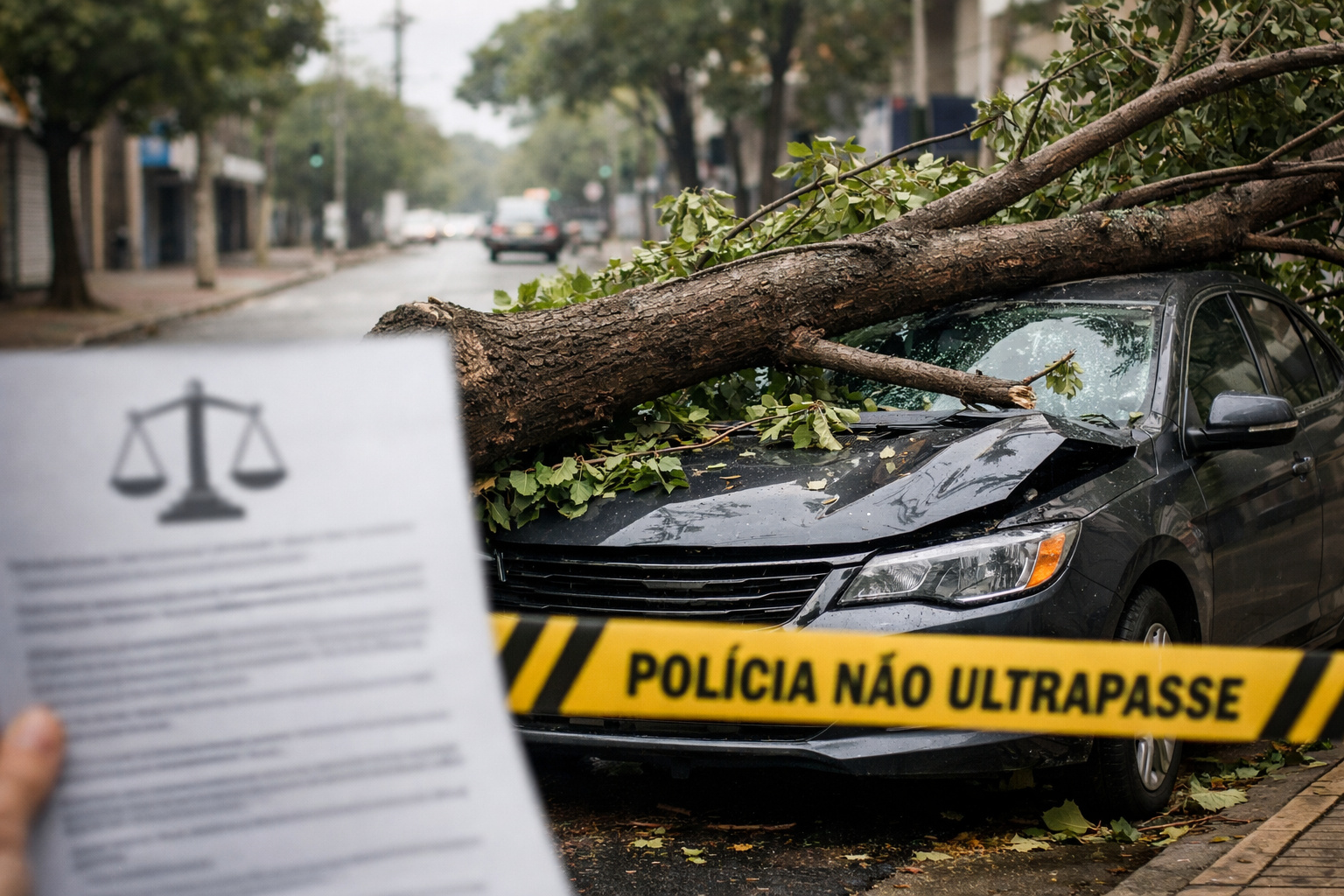


Tree Falling on Car in Public Road Can Generate Compensation. Constitution and Civil Code Define When the Municipality Must Bear the Losses.
A tree falling on a parked or moving car is the kind of situation that seems like mere bad luck, but Brazilian law treats this episode quite objectively. In practice, the loss doesn’t automatically fall on the driver. In many cases, there is liability from the public authority, and this right is still little known by most citizens.
What Does the Law Say About Trees in Public Roads
According to Brazilian legislation, the maintenance of public roads and urban landscaping is the duty of the public authority, usually the municipality. This understanding stems from the objective responsibility of the State, provided for in Article 37, §6 of the Federal Constitution, which establishes that the public entity is liable for damages caused by its agents or for failure to provide services.


In the infraconstitutional plan, the Civil Code, especially in Articles 186 and 927, reinforces that anyone who causes damage by action or omission has the duty to compensate. When the tree is in a public area, the omission is usually attributed to the municipality, which has the duty to monitor, prune, and remove at-risk trees.
-
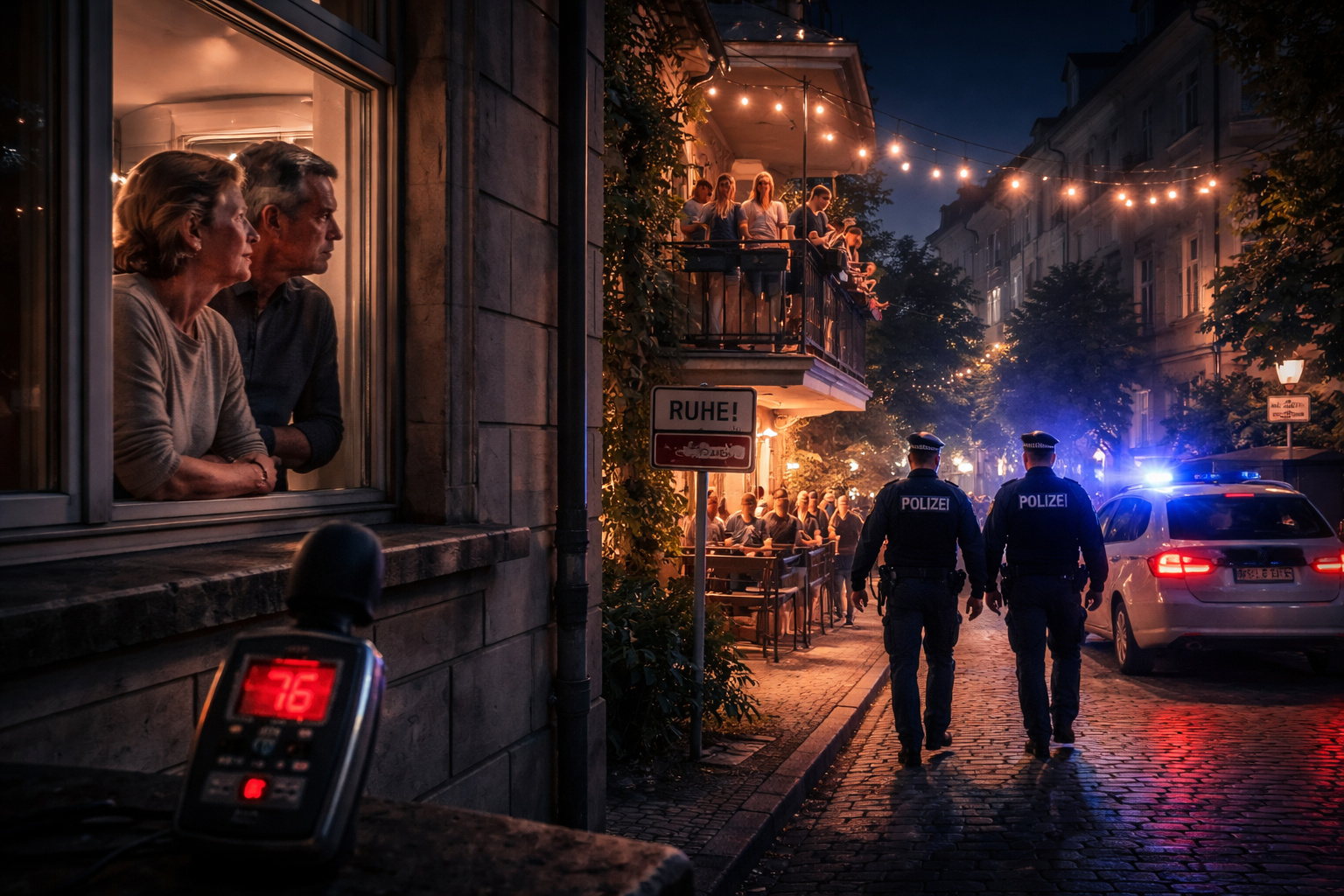
The noise law will no longer be in effect at 10 PM starting in June with a new rule valid during the 2026 World Cup.
-
The Chamber opens a debate on driver’s licenses at 16 years old as part of a reform that includes around 270 proposals to change the Brazilian Traffic Code and may redesign rules for licensing, enforcement, and circulation in the country.

-
The new Civil Code could revolutionize marriages in Brazil with “express divorce” and changes that could exclude spouses from inheritance.
-
Banco do Brasil sues famous influencer for million-dollar debt and intensifies debate on delinquency, risks of seizure, and direct impact on Gkay’s credibility.


When the Municipality Can Be Obligated to Compensate
Brazilian case law is clear in recognizing the municipality’s liability when it is demonstrated that there was a failure in the maintenance or oversight of the tree. State courts, such as TJ-SP, TJ-MG, and TJ-RS, have already ruled that the falling of a tree in a public road generates a right to compensation when it is not an absolutely unpredictable event.
In such decisions, judges often analyze whether the tree showed signs of risk, such as excessive leaning, exposed roots, or a history of ignored pruning requests by the public authority. When there are signs of negligence, the prevailing understanding is that the municipality should bear the loss.
And When Is the Case Considered Force Majeure?
Not every tree falling generates automatic compensation. In situations of exceptional storms, extreme winds, or out-of-pattern climatic events, the public authority may claim fortuitous case or force majeure.
In these cases, the courts tend to relieve the municipality of responsibility, provided it is proven that there were no prior signs of risk and that the event was truly unpredictable. In other words, the central point is not just the tree falling, but the circumstances that led to it.
The Role of Car Insurance in These Cases
For those with comprehensive auto insurance, compensation is usually quicker. Most policies cover damages caused by falling trees, regardless of who is responsible. After payment to the insured, the insurance company itself may seek reimbursement from the municipality through a subrogation action.
Those without insurance need to consider the judicial route as the main way to recover the loss, especially when the damage is significant.
And If the Tree Belongs to a Private Property?
When the tree belongs to a private property but falls onto a public road or onto a car parked on the street, the scenario changes. In these cases, the property owner may be held liable, based on Article 1,277 of the Civil Code, which addresses the harmful use of property. Nevertheless, there are rulings that recognize the concurrent liability of the municipality if a failure in oversight is proven.

What to Do Immediately After the Accident
After the tree falls, some steps are essential to guarantee your rights. It is important to document the incident with photos and videos, showing the position of the tree, the location, and the damages caused. While the police report is not mandatory, it helps formalize the fact.
It is also advisable to identify if there have been previous complaints about that tree, as this strengthens the argument of public authority omission. These elements are often decisive in judicial actions.
The Right Exists, but Needs to Be Exercised
Although legislation and case law are favorable to the citizen in many cases, reimbursement does not happen automatically. It is necessary to demonstrate the connection between the tree falling and the failure of the responsible party for maintaining the public space.
Many people end up bearing the loss due to ignorance when, in fact, the law provides clear paths for reparations.
A tree falling on a car is not just a misfortune of nature. In many cases, it reflects a lack of urban maintenance, and Brazilian law does not leave citizens unprotected. Knowing this right is the first step to not assume a loss that can, legally, be reimbursed.









Sim! É plausível de amparo legal, conforme demonstrado. Todavia, fica um tanto que obscuro a efetividade do ressarcimento pelo município, ou seja, a “fila” por muitas vezes via predatório. A isso, demandará tempo, que por muitas vezes o reclamante não disponibiliza. Seja em virtude do veículo ser instrumento do seu serviço ( trabalho), entre outras.
Matéria informativa muito boa eu não tinha conhecimento desse direito
Ótima matéria. Parabéns!