





 Portuguese
  English
  Spanish
  6 min of reading
  2 comments


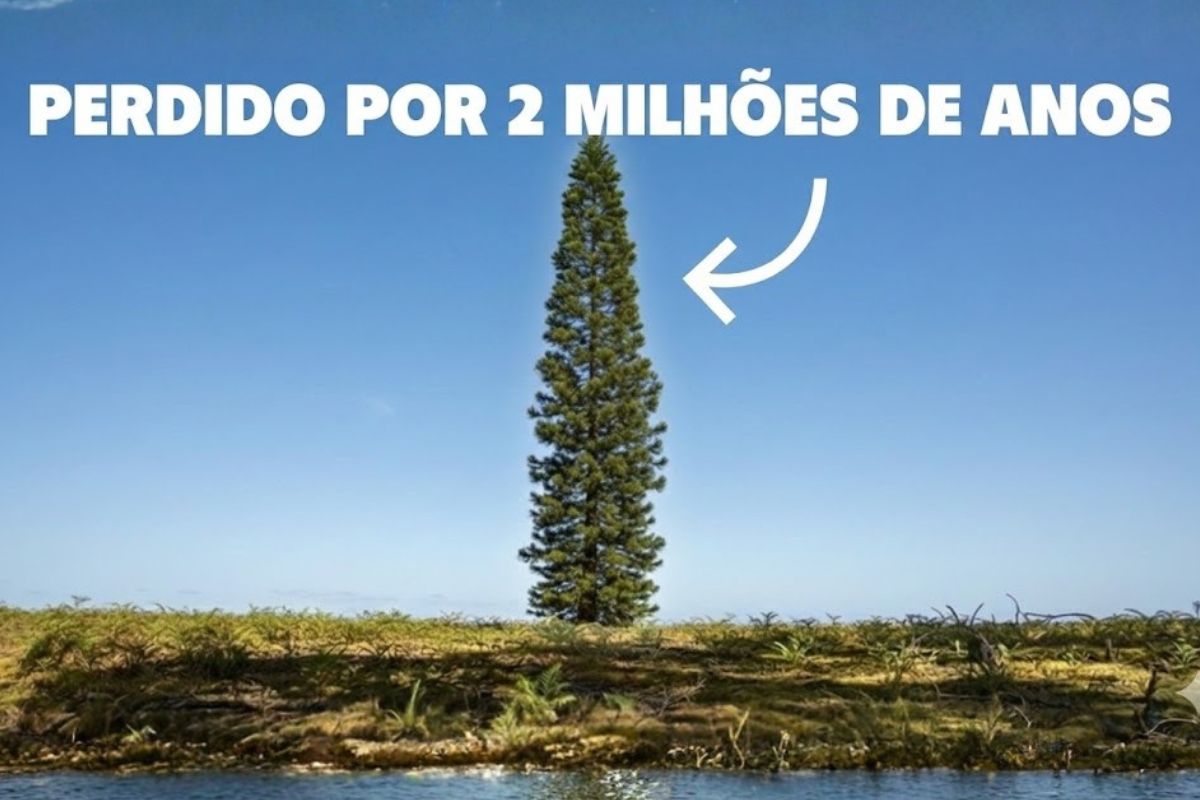


‘Dinosaur Tree’ Returned to the Map in 1994 in the Blue Mountains, Near Sydney, When David Noble Found the Wollemi Pine in a Remote Canyon. Today, Only 89 Wild Ones Remain, with Critical Habitat Since 2005, Disinfection and Fire Operations, with Fines Up to A$ 330,000 and Imprisonment.
On September 10, 1994, park ranger David Noble was exploring little-visited canyons in the Blue Mountains region, northwest of Sydney, when he discovered a secret grove of unknown conifers in a sandstone gorge. The find, announced in December 1994, revealed the ‘dinosaur tree’ known as the Wollemi Pine, a genus previously known only from fossils.
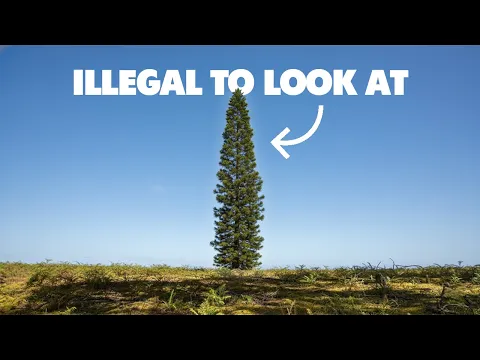
Since then, the ‘dinosaur tree’ has been treated as a heritage at extreme risk. With only 89 wild specimens mentioned and fewer than 100 in nature, authorities keep the location secret, tighten sanitary protocols and foresee fines of up to A$ 330,000 and prison terms of up to two years for anyone attempting to locate the canyon.
1994: The Rediscovery That Exposed the ‘Dinosaur Tree’ and Created an Immediate Problem

The report states that Noble collected a sample and took it for assessment until botanists at the Royal Botanic Gardens in Sydney identified something out of the ordinary.
-
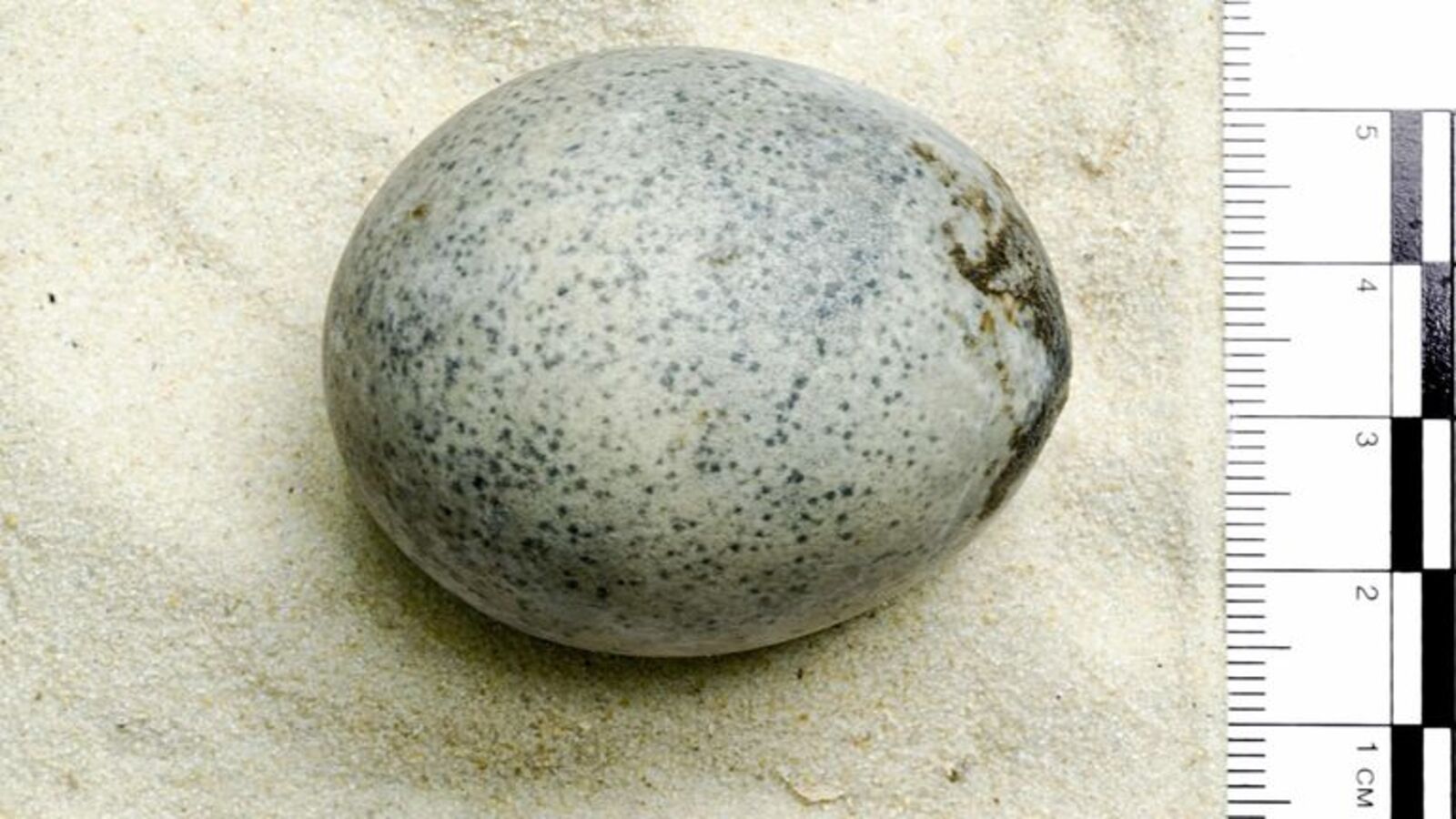
In a flooded well, archaeologists found a 1,700-year-old Roman egg that still contains clear and yolk intact inside the very thin shell.
-
Something is happening around the Earth: Inside the huge explosion of fireballs in 2026

-
A hot air bubble coming from Argentina expands over Brazil, causing thermometers to exceed 38 degrees with a thermal sensation of 40 degrees in late March, affecting 6 states at once.

-
The radish leaf that almost everyone throws away has more polyphenols, flavonoids, and fiber than the consumed root, and a 2025 study showed that the leaf contains compounds that protect the intestine, combat inflammation, and may inhibit the growth of cancer cells.


It was not just a new species. It was a new genus, related to the Araucariaceae family, a group of ancient conifers associated with forests from the dinosaur era.
The public reaction was immediate after the announcement in December 1994, with the ‘dinosaur tree’ being described as equivalent to “finding a living dinosaur”.
The celebration, however, came with risk: the more people wanted to see the site, the greater the chance of contamination, physical damage, and fire.
Total Secrecy: Classified Coordinates and Restricted Access Due to Risk of Accidental Damage

The unprecedented decision was to keep the exact location secret, with coordinates treated as classified information known to few researchers and managers.
The justification appears in practical episodes: in 1995, during one of the first scientific expeditions, the blades of a helicopter hit and damaged part of the crown of a specimen.
The incident reinforced the argument that even well-intentioned visits could put the ‘dinosaur tree’ at risk.
Thus, secrecy was not just bureaucracy but an operational response to an extremely vulnerable biological asset in an isolated microenvironment.
2005: The Sanitary Alert with Phytophthora cinnamomi and the Cloning Problem

At the end of 2005, health checks found declines in young trees, with yellowing leaves, thinning crowns, and weakened roots.
Tests confirmed the presence of Phytophthora cinnamomi, described as a “water mold,” which produces spores capable of devastating plant communities by attacking roots and cutting off water and nutrient absorption.
The aggravating factor is genetic.
The cited analysis states that the Wollemi Pines in the canyon are essentially clones, with extremely low genetic diversity following a population bottleneck between 10,000 and 26,000 years ago.
This means that if the pathogen kills one ‘dinosaur tree’, it has the potential to affect all of them due to a lack of diverse natural defenses.
Extreme Protocols: Disinfection, “Blindfolded Scientists,” and Critical Habitat
With the incident, the rules became stricter.
Authorized individuals to enter needed to clean their boots and equipment with denatured alcohol to reduce the risk of carrying infected soil.
There are also reports of researchers being blindfolded during helicopter transport to avoid memorizing landmarks that could reveal the location.
The shielding gained legal support in 2005 when the government of New South Wales declared the canyon as critical habitat under state conservation law.
This package included penalties described for attempts to locate the grove, including a fine of up to A$ 300,000, cited as “A$ 330,000,” and a prison sentence of up to two years, creating a legal perimeter around the ‘dinosaur tree’.
The “Black Market” and the Strategic Turn: Flooding the Market with Legal Seedlings
The secrecy created a collateral incentive: collectors might try to seek specimens in nature.
The response was a counterintuitive strategy: instead of restricting access as much as possible, authorities decided to make legal access easier through mass cultivation.
In October 2005, what was called the “botanical sale of the century” took place, with 292 seedlings propagated from cuttings of wild trees going up for auction in Sydney.
The reported revenue was A$ 1.15 million, with one lot of 15 seedlings reaching A$ 149,000 and an average price close to A$ 4,000 per plant at that event, with funds directed to conservation.
2006 to 2023: Gardens Become Laboratories and Global Data Highlight Adaptability
In 2006, the Wollemi Pine began to appear in garden centers in Australia, the UK, and the United States, with prices cited between A$ 50 and A$ 100 per plant, which reduced the incentive for illegal capture.
This mass cultivation became a form of citizen science: thousands of people began to observe growth in different climates and soils.
In 2023, a study reported a survey with over 1,500 growers in 31 countries, indicating that the ‘dinosaur tree’ tolerates cold and heat better than previously thought.
An example cited is a tree in France measuring over 8 meters in 14 years, and gardens in Scotland surviving -12°C, data used to plan populations of “insurance” in secret locations.
2019 to 2020: Black Summer, Secret Operation and the Battle to Not Lose the Canyon
The most recent threat described was the summer of 2019 to 2020, the Black Summer, the worst fire season in the country’s recorded history.
In New South Wales, the fires consumed over 5 million hectares, and the Gospers Mountain fire advanced towards the classified site, where fewer than 100 trees survived.
At the end of December 2019, a discreet operation began: firefighters specialized in remote areas were airlifted to the canyon to install irrigation, pumps, and sprinklers.
Aerial vehicles made precise water drops over the grove.
In January 2020, aerial photos showed a green band of Wollemi amid the burned landscape, the result described as the most expensive and sophisticated operation ever mounted to protect a plant.
2024 and the “Safety Net”: Genetic Lineages, Botanic Gardens, and Translocation
The study cites an advance in 2024 with more advanced genetic sequencing, suggesting that despite the cloned appearance, the wild group would have six genetic lineages.
From this, 174 young trees were distributed to 28 botanic gardens in the UK and Europe, as part of a meta-collection.
The translocation strategy, with at least three secret “backup” locations, gained urgency after fire destroyed one of the initial translocation sites, burning hundreds of seedlings.
In 2021, managers replanted and expanded the network, spreading the risk so that a single disaster does not eliminate all ‘dinosaur trees’.
Current Situation: 45 Adults, 46 Juveniles, and Ongoing Treatment Against Disease
The current described situation indicates 45 mature trees and 46 juveniles in the canyon, with the Phytophthora infection still present since 2005.
Infected trees receive treatments with phosphite, described as chemical injections that reinforce natural defenses and slow the progression of the disease.
Beyond biology, the case has become a diplomatic symbol, with prime ministers offering seedlings as gifts to foreign leaders.
At the same time, projections of drier climates and more severe heat waves raise doubts about whether the microclimate that protected the species for millions of years will remain habitable in the coming decades.
The story of the ‘dinosaur tree’ in Australia combines rediscovery in 1994, extreme secrecy, heavy penalties, and a tactical turn in 2005 to legalize and spread seedlings to undermine the black market.
The canyon remains shielded because the central risk is simple: just one disease vector or an uncontrolled fire could threaten a wild group of fewer than 100 individuals, now described as having 45 adults and 46 juveniles.
If you follow conservation, the practical point is to observe how the combination of secrecy, global cultivation, and translocation sites has turned into a replicable model for ultra-rare species that cannot receive tourism.
In your opinion, is keeping the location of the ‘dinosaur tree’ in absolute secrecy the only way out, or should the public have some controlled access even with the risk of disease and fire?









Concordo plenamente com o governo australiano. O acesso restrito é fundamental para salvar essas espécies.
A